Journal
Living in Marylebone
Written by Julian Reyes · Licensed Real Estate Agent
Published 15 June 2026 · Updated 18 August 2026 · 6 min read
The short answer
Living in Marylebone means embracing one of London's most refined and characterful neighbourhoods, where Georgian architecture meets contemporary urban living. Tucked between the greenery of Regent's Park and the energy of Oxford Street, this central London village has preserved an identity quite unlike anywhere else in the capital.
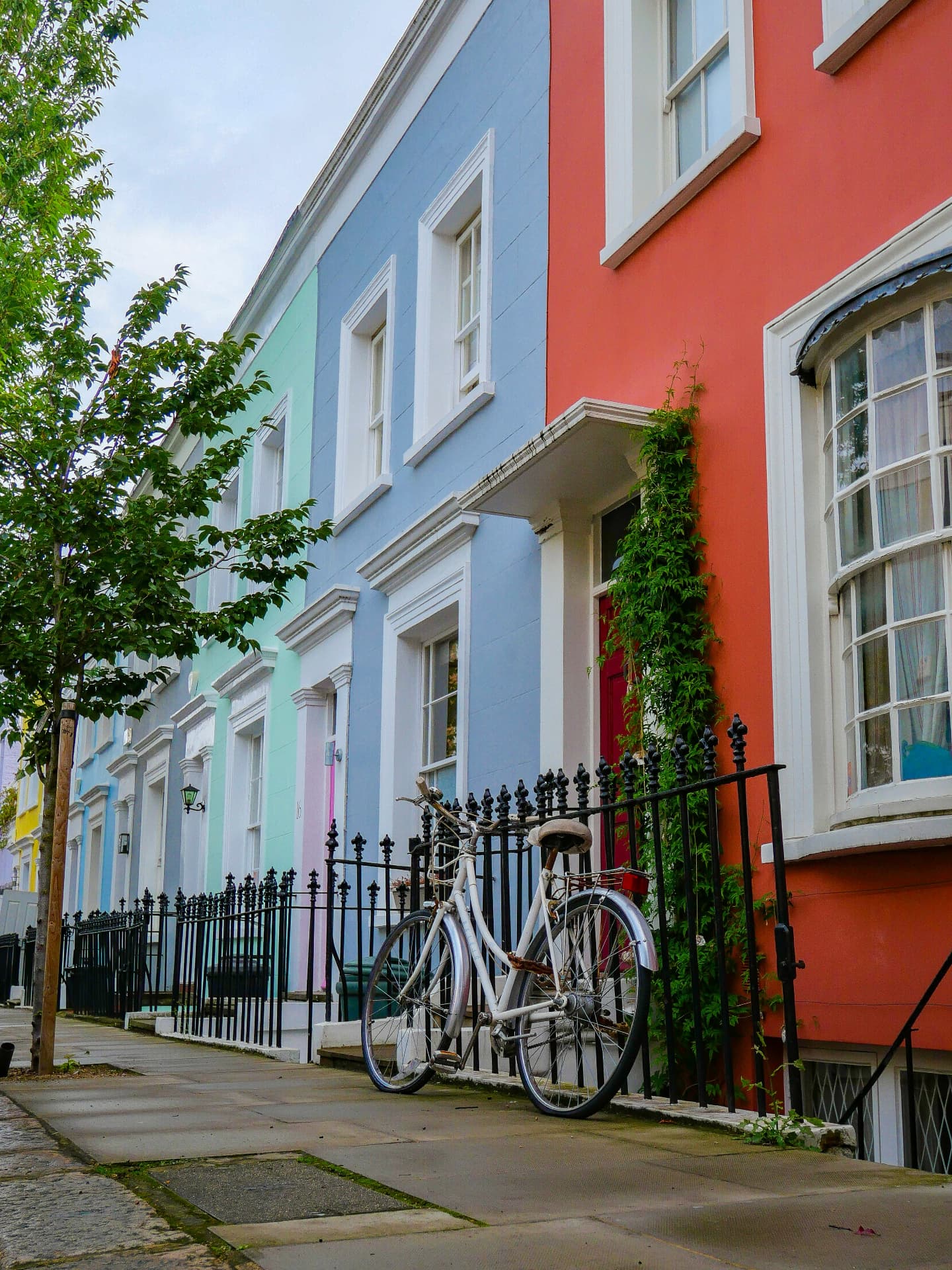
Living in Marylebone means embracing one of London's most refined and characterful neighbourhoods, where Georgian architecture meets contemporary urban living. Tucked between the greenery of Regent's Park and the energy of Oxford Street, this central London village has preserved an identity quite unlike anywhere else in the capital. We've watched Marylebone evolve into a destination that balances heritage with modernity—independent shops, Michelin-starred dining and a genuine neighbourhood spirit that feels rare in Zone 1. For those considering making this exceptional pocket of W1 home, understanding what makes the area so distinctive is essential.
What Is Marylebone Like?
Marylebone reveals itself as a neighbourhood of contrasts: grand garden squares beside intimate mews streets, cutting-edge medical practices within handsome period buildings, and world-class galleries a stone's throw from independent bookshops. The area's architectural fabric remains largely intact from the 18th and 19th centuries, with the Portland and Howard de Walden estates maintaining meticulous stewardship over much of the built environment. This long-term custodianship has prevented the piecemeal redevelopment that has altered other central districts.
The social atmosphere differs markedly from neighbouring Mayfair or Fitzrovia. Marylebone functions as a genuine residential community where families have lived for generations, professionals work from elegant townhouse offices, and locals patronise the same cafés and delis weekly. Marylebone High Street forms the commercial heart—a pedestrian-friendly thoroughfare that has resisted chain-store homogenisation in favour of carefully curated independent retailers, from La Fromagerie to Daunt Books.
Regent's Park provides the neighbourhood's green lung, with residents enjoying direct access to 410 acres of formal gardens, sports facilities and open-air theatre during summer months. The juxtaposition of this vast parkland with urban density creates a living environment that feels spacious despite W1's postcode. Walking remains the preferred mode of transport for many residents, with most amenities reachable within ten minutes on foot.
Culturally, the area punches well above its modest geographic footprint. The Wallace Collection houses one of Britain's finest art collections in a palatial townhouse, whilst Wigmore Hall presents world-class chamber music almost nightly. Chiltern Firehouse and The Ivy Café attract media attention, yet locals equally treasure neighbourhood fixtures like The Providores or The Golden Hind fish bar, which has served Marylebone since 1914.
The Marylebone Lifestyle
The Marylebone lifestyle centres on quality over ostentation, convenience without sacrificing character. Saturday mornings see Marylebone Farmers' Market draw crowds to Cramer Street car park, where producers from across southern England sell organic vegetables, artisan cheeses and freshly baked sourdough. This weekly ritual exemplifies the neighbourhood's ethos: global sophistication grounded in local community.
Dining options span every cuisine and occasion. Chiltern Firehouse remains perpetually booked, whilst Pachamama delivers Peruvian-inspired plates in an intimate basement setting. For neighbourhood regulars, the Marylebone pub scene offers genuine diversity—The Barley Mow preserves Victorian charm, The Gunmakers celebrates craft beer in elegant surroundings, and The Devonshire serves seasonal British cooking from a semi-open kitchen. Those seeking breakfast marylebone options find everything from the Swedish pastries at Bageriet to the Middle Eastern spreads at Reubens.
Retail therapy in Marylebone eschews department stores for specialist boutiques. Cadenhead's Whisky Shop, VV Rouleaux for ribbons, and Trunk Clothiers for menswear each represent decades of expertise. The Sunday market along Cramer Street adds antiques, vintage fashion and bric-a-brac to the mix. Marylebone High Street shopping feels curated rather than overwhelming, with pedestrianised sections encouraging browsing.
Fitness and wellness provision reflects the area's affluent demographic. Third Space Marylebone offers comprehensive gym facilities, whilst boutique studios like Frame and Bodyism provide specialist classes. Harley Street's medical heritage extends throughout the neighbourhood, with private clinics, physiotherapists and complementary practitioners occupying many ground-floor premises.
Marylebone Transport Connections
Marylebone transport infrastructure provides exceptional connectivity across London and beyond. Marylebone station serves Chiltern Railways, delivering direct services to Oxford, Birmingham and the Cotswolds—a particular advantage for residents maintaining country properties or weekend retreats. The Underground network places multiple lines within walking distance: Baker Street offers Metropolitan, Circle, Jubilee, Hammersmith & City and Bakerloo services, whilst Bond Street (Elizabeth line, Central and Jubilee) and Edgware Road stations further expand options.
This concentration of transport nodes means residents can reach Canary Wharf, King's Cross, Heathrow or Gatwick without changing lines in many cases. For daily commutes, the variety of routes provides resilience when engineering works affect individual lines. Bus routes along Baker Street, Marylebone Road and Oxford Street complement Underground services, particularly useful for crosstown journeys that avoid central zone congestion.
Cycling has grown increasingly popular as Quietway and Cycleway routes have expanded. Regent's Park's Outer Circle provides a traffic-free training loop favoured by serious cyclists, whilst the park's traversal offers a verdant commute toward King's Cross or the City. Santander Cycle docking stations appear throughout the neighbourhood.
For motorists, Marylebone's position inside the Congestion Charge zone and scarcity of parking make car ownership impractical for most residents. Those requiring vehicles typically rely on car clubs, with Zipcar and Enterprise locations nearby. The neighbourhood's walkability and transport density mean many households forgo cars entirely—an unusual luxury in a city where most locations demand automotive independence.
Talk to Seymont
What's your home worth?
A considered view on price, timing and how to bring your London home to market — a personal reply within 24 hours.
Your property
Step 1 of 2Property in Marylebone: Houses and Flats
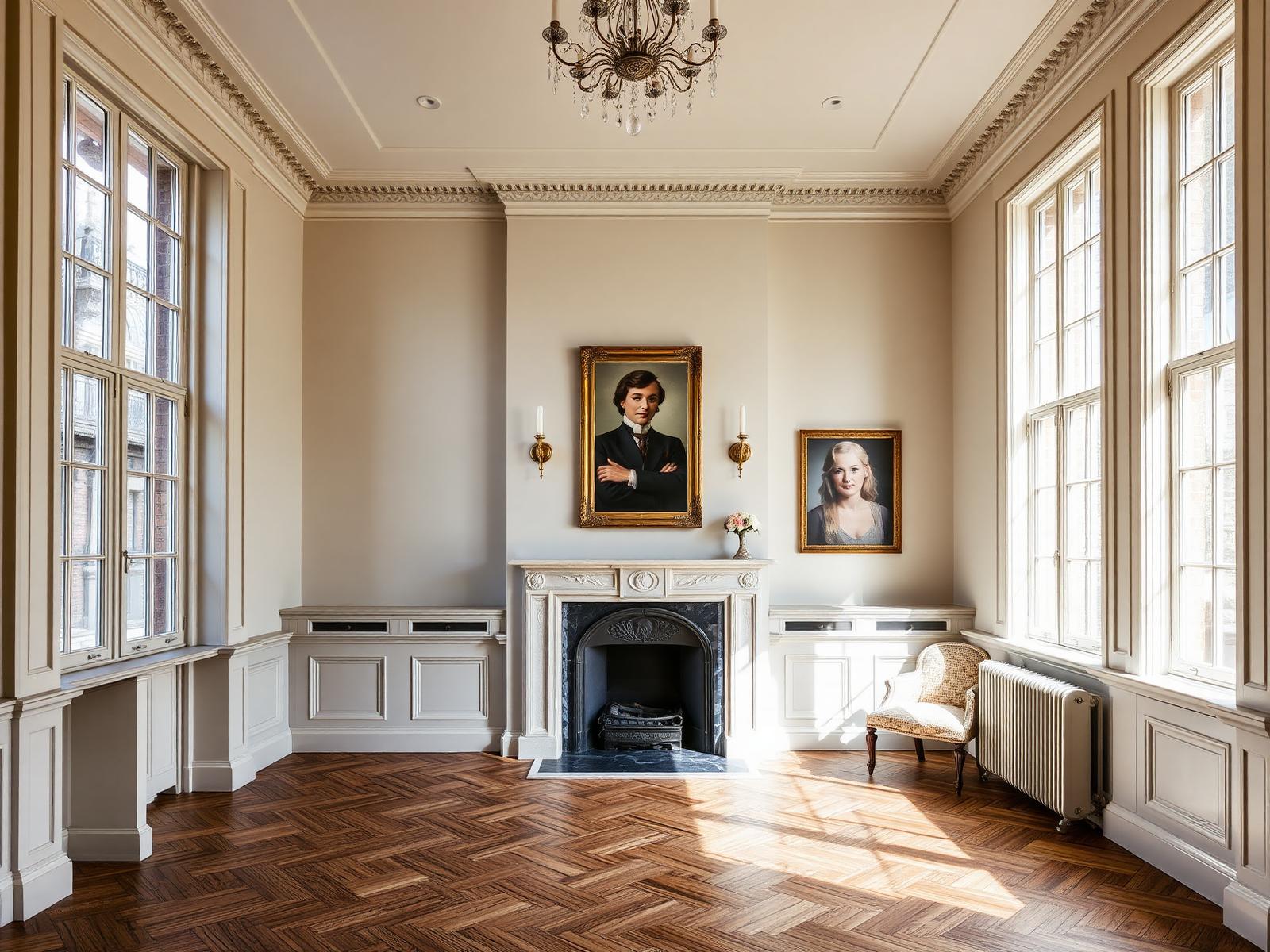
The property landscape in Marylebone reflects centuries of careful urban planning. Grand terraces along Wimpole Street and Harley Street showcase Georgian and Victorian architecture at its finest, many now converted into flats whilst retaining period features—cornicing, fireplaces and sash windows. Mansion blocks from the late 19th and early 20th centuries provide purpose-built apartments with generous ceiling heights and porter services. Mews houses, originally built as stables with grooms' accommodation above, now command premium prices for their charm and relative rarity.
According to HM Land Registry Price Paid Data, Marylebone recorded 66 sales with a median price of £995,000 in the most recent reporting period. Flats dominated the market with 46 transactions at a median £838,750, ranging from £242,000 to £5,750,000. Terraced houses—just eight sales—achieved a median of £3,125,000 (£1,550,000 to £5,000,000), reflecting their scarcity and desirability. These figures position Marylebone firmly within London's prime central market, though the neighbourhood offers more accessible entry points than Mayfair or Knightsbridge for those seeking [property for sale in Marylebone](/property-for-sale/marylebone).
The rental market, per ONS data, shows studios ranging £1,550-£2,425 monthly, one-bedroom flats £2,050-£3,200, two-bedroom properties £2,800-£4,350, and three-bedroom homes £3,725-£5,800. Four-bedroom rentals command £4,950-£7,750, whilst five-bedroom properties reach £6,500-£10,150. These figures reflect Marylebone's appeal to international professionals, families prioritising schools and location, and downsizers seeking culture and convenience.
Our team at [Seymont's Marylebone office](/estate-agents/marylebone) observes consistent demand from buyers valuing the neighbourhood's unique combination of village atmosphere and central location. The leasehold dominance means understanding share of freehold arrangements and service charges becomes essential, whilst some fortunate purchasers secure freeholds on mews houses or smaller terraces. For landlords considering the area, we provide comprehensive guidance on [letting your property in Marylebone](/let-your-property/marylebone), navigating the regulatory landscape whilst maximising rental returns.
Schools, Green Spaces and Community
Education provision attracts families to Marylebone despite the premium property costs. St Marylebone Church of England School enjoys an outstanding reputation, whilst Quintin Kynaston Academy and the independent sector—including Portland Place School and Francis Holland—provide options for various educational philosophies. Nurseries and pre-schools populate the area, with many housed in characterful period buildings adapted for early years provision.
Regent's Park defines the neighbourhood's relationship with green space, but smaller squares provide intimate gardens for residents. Paddington Street Gardens offers a peaceful retreat with benches beneath mature trees, whilst the private garden squares accessible to surrounding properties create verdant pockets invisible to passers-by. The Regent's Park itself enables activities from boating on the lake to organised sports, open-air theatre and simply sprawling on the grass during rare heatwaves.
Community initiatives reinforce Marylebone's village identity. The Marylebone Association campaigns on local issues, the farmers' market supports regional agriculture, and independent traders actively resist chain-store expansion. This civic engagement creates social cohesion unusual in transient central districts. The Portman Estate's community programme and similar initiatives foster connections between long-established residents and newcomers.
For those researching [house prices in Marylebone](/house-prices/marylebone) and weighing the premium against lifestyle benefits, the neighbourhood delivers tangible quality-of-life advantages: walking to work across the park rather than Underground commutes, Saturday shopping on Marylebone High Street instead of battling Oxford Circus crowds, and raising children with central London's cultural riches on the doorstep whilst maintaining access to green space and community.
Talk to Seymont
What's your home worth?
A considered view on price, timing and how to bring your London home to market — a personal reply within 24 hours.
Your property
Step 1 of 2About the author
Julian ReyesLicensed Real Estate Agent
Julian has spent eleven years handling residential sales across west and central London, previously with the independent agencies Harlowe & Vance and Marchmont Row. He runs listings end to end, from pricing and presentation through to negotiating offers and holding chains together to completion. His writing focuses on the practical mechanics of buying and selling a home in a market where timing and preparation decide the outcome.
Licensed estate agent · 11 years in London residential sales
- Residential sales
- First-time buyers
- Offer negotiation
- Chain management
Frequently asked
- Is Marylebone a good place to live?
- Marylebone consistently ranks among London's most desirable neighbourhoods, combining Zone 1 convenience with village atmosphere. The area offers exceptional transport links via Marylebone, Baker Street and Bond Street stations, Regent's Park on the doorstep, and Marylebone High Street's independent shops and restaurants. The architectural heritage, cultural venues like The Wallace Collection and Wigmore Hall, plus genuine community spirit make it particularly attractive for professionals, families and downsizers seeking central London living without sacrificing neighbourhood character.
- How expensive is Marylebone compared to other London areas?
- Marylebone sits within London's prime central market, with HM Land Registry data showing a median sale price of £995,000 across all property types. Flats achieve a median of £838,750, whilst terraced houses reach £3,125,000 median. This positions Marylebone below Mayfair and Knightsbridge but above many outer central areas. Rental costs reflect similar positioning, with one-bedroom flats ranging £2,050-£3,200 monthly according to ONS data. The premium reflects scarcity, location, architecture and the unique lifestyle the neighbourhood provides.
- What is Marylebone High Street known for?
- Marylebone High Street has built a reputation as one of London's finest shopping destinations for independent retail. Unlike Oxford Street's chain stores, the High Street features specialist boutiques, artisan food shops like La Fromagerie, Daunt Books' original Edwardian location, and carefully selected fashion retailers. The partly pedestrianised street hosts the Sunday farmers' market, whilst cafés and restaurants including The Ivy Café, Fucina, and The Providores draw both locals and destination diners. The street exemplifies Marylebone's resistance to homogenisation and commitment to quality over ubiquity.
- Which Tube lines serve Marylebone?
- Marylebone benefits from multiple Underground stations within walking distance. Baker Street provides access to five lines: Metropolitan, Circle, Jubilee, Hammersmith & City and Bakerloo. Bond Street offers the Elizabeth line, Central and Jubilee lines. Marylebone mainline station serves Chiltern Railways to Oxford, Birmingham and beyond. Edgware Road stations (Circle/District and Bakerloo) sit on the western edge. This concentration of transport options provides exceptional connectivity across London and resilience when individual lines face disruption.
- Are there good restaurants and pubs in Marylebone?
- Marylebone's dining scene spans Michelin-recognised establishments to neighbourhood locals. Chiltern Firehouse attracts celebrity diners, whilst Texture, The Wigmore and Roganic deliver fine dining. Mid-range favourites include Pachamama, Opso, Trishna and Dinings SW3. Traditional pubs like The Barley Mow and The Coach Makers Arms retain Victorian charm, whilst The Gunmakers and The Devonshire offer elevated pub food and craft beer. Cafés range from Nordic-influenced Bageriet to Middle Eastern Reubens, with La Fromagerie's café particularly popular for breakfast and lunch.