Journal
Living in Islington: The Complete Area Guide
Written by Nina Castellano · Investment Property Advisor
Published 22 June 2026 · Updated 16 August 2026 · 8 min read
The short answer
Living in Islington means embracing one of London's most dynamic and culturally rich boroughs, where Georgian terraces meet contemporary creativity and village charm sits alongside cosmopolitan energy. At Seymont London, we've spent years helping buyers, sellers and tenants navigate this N1 postcode, and our experience tells us that few London areas blend heritage, connectivity and lifestyle quite so seamlessly.
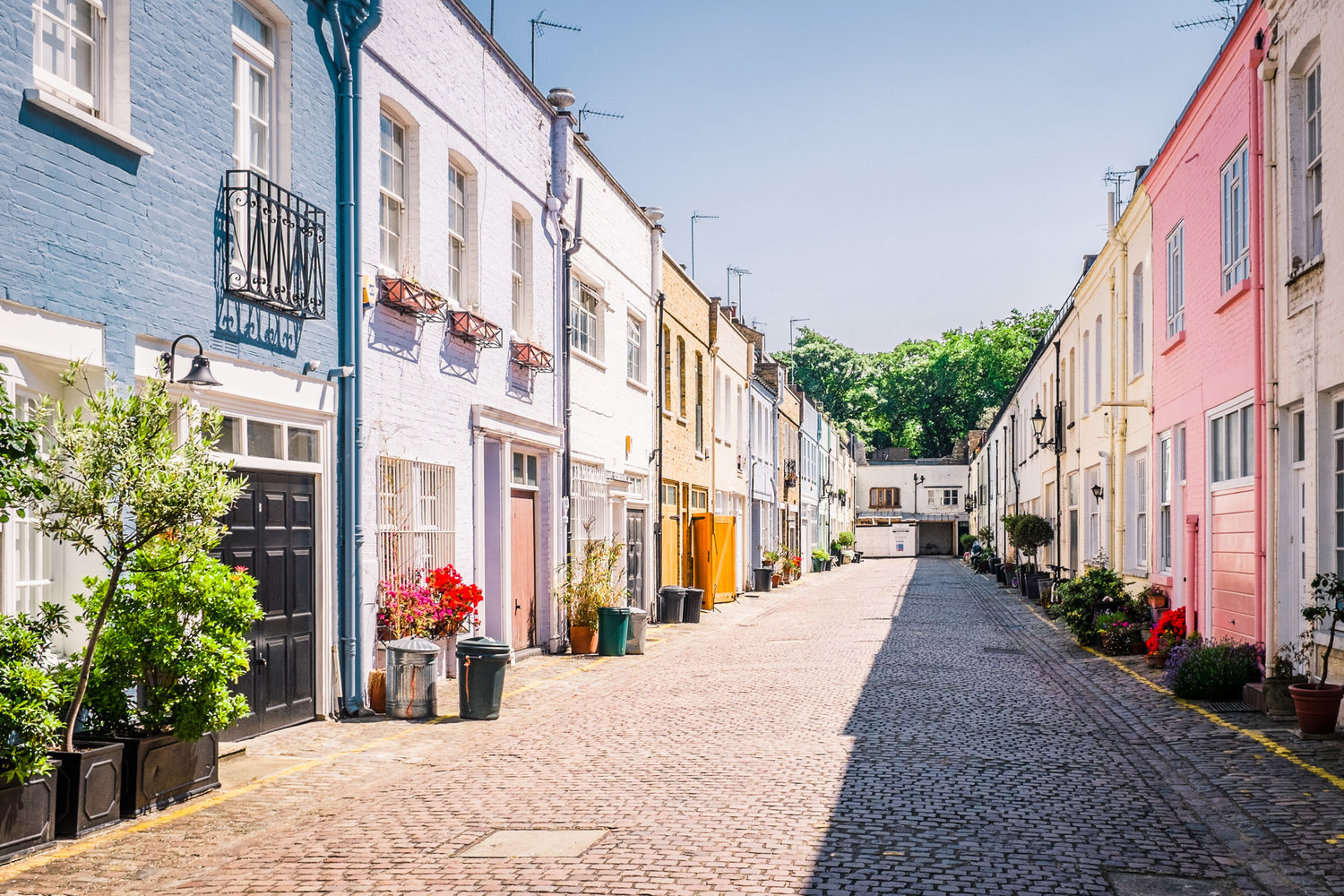
Living in Islington means embracing one of London's most dynamic and culturally rich boroughs, where Georgian terraces meet contemporary creativity and village charm sits alongside cosmopolitan energy. At Seymont London, we've spent years helping buyers, sellers and tenants navigate this N1 postcode, and our experience tells us that few London areas blend heritage, connectivity and lifestyle quite so seamlessly. From the bustling heart of Angel Islington to the leafy tranquillity of Canonbury and Barnsbury, this borough offers a rare combination of period architecture, exceptional dining, and transport links that place the entire capital within easy reach. Whether you're considering your first flat purchase or searching for a family home with access to outstanding schools, understanding what makes this area special is essential to making the right property decision.
What is Islington Like? Character and Neighbourhoods
At its core, what is Islington like comes down to variety within coherence. The area maintains a distinct identity whilst offering remarkably different micro-neighbourhoods, each with its own rhythm and appeal. Angel, the commercial and social heart, radiates outward from its iconic tube station and the historic crossroads where Upper Street meets Pentonville Road. Here, the energy is palpable: independent boutiques, antique markets at Camden Passage, and an ever-evolving roster of bars and eateries create an urban buzz that attracts young professionals and creatives alike.
Venture north towards Highbury and the tempo shifts. Tree-lined streets give way to garden squares such as the elegant Packington Square Islington, where residents enjoy private communal gardens behind handsome Victorian and Edwardian facades. Canonbury, with its literary heritage and exceptional Georgian stock, offers a village-like atmosphere that belies its Zone 2 location, whilst Barnsbury's stucco-fronted terraces and quiet crescents appeal to families seeking space and serenity without sacrificing central proximity.
Islington Green, though modest in size, serves as a symbolic anchor—a reminder of the borough's evolution from rural hamlet to metropolitan neighbourhood. The juxtaposition of historic architecture and modern living creates a streetscape that feels both settled and progressive, where independent cinemas share pavement space with artisan coffee roasters and Michelin-recommended kitchens.
This layered character extends to the residential stock itself. According to HM Land Registry data, flats dominate the market with 247 sales recorded at a median price of £570,000, reflecting the prevalence of Victorian conversions and purpose-built mansion blocks. Terraced properties, commanding a median of £1,700,000, attract families and professionals seeking more substantial accommodation, whilst the rarer semi-detached homes reached a median of £2,450,000—testament to the premium placed on space and period features in this tightly held market.
Islington Lifestyle: Dining, Culture and Community
The Islington lifestyle revolves around an exceptional concentration of independent businesses, cultural venues and community spaces that have resisted the homogenisation affecting many central London areas. Upper Street alone hosts an extraordinary density of dining options, from neighbourhood bistros to destination restaurants that draw diners from across the capital. Those searching for a restaurant Islington will find themselves spoilt for choice: whether it's modern European cooking, authentic Turkish grills, or innovative plant-based menus, the culinary landscape reflects both the area's cosmopolitan population and its appreciation for quality over chains.
Cultural provision extends well beyond dining. The Almeida Theatre has built an international reputation for bold programming and star-studded casts, whilst the Screen on the Green cinema continues its tradition of arthouse and mainstream releases in an atmospheric setting. The King's Head Theatre, reputedly London's first pub theatre, maintains its quirky appeal, and regular farmers' markets bring local producers directly to residents' doorsteps.
Community cohesion remains strong despite—or perhaps because of—the area's central location. Residents' associations actively maintain the borough's numerous garden squares, primary schools forge tight-knit networks of local families, and the mix of long-established residents and newcomers creates a neighbourhood that feels both rooted and welcoming. For those considering [property for sale in Islington](/property-for-sale/islington), this sense of established community represents a significant but often undervalued asset.
The retail offer balances practicality with distinction. Chapel Market provides affordable fresh produce and everyday essentials, Camden Passage specialises in antiques and vintage finds, and Upper Street delivers contemporary fashion, homeware and specialist bookshops. This breadth means residents rarely need to venture beyond N1 for daily needs, yet the variety ensures the area never feels insular or repetitive.

Islington Transport: Connectivity Across the Capital
Islington transport connections rank among the finest in London, offering residents multiple routes into the City, West End and beyond. Angel Islington station on the Northern line provides direct access to the capital's key employment hubs: King's Cross in five minutes, Bank in ten, and London Bridge in twelve. This single line alone opens the entire north-south corridor, from the commercial districts of the Square Mile to the creative industries clustered around Shoreditch and Old Street.
Highbury & Islington station elevates connectivity further, serving as an interchange for the Victoria line, London Overground, and Great Northern rail services. The Victoria line offers one of London's fastest and most reliable routes, reaching Oxford Circus in eight minutes and Victoria in fourteen—ideal for those working in the West End or commuting onwards to Gatwick. The Overground network, meanwhile, has transformed orbital travel, linking Islington residents directly to Stratford, Dalston, Clapham and beyond without navigating central interchanges.
Bus routes blanket the borough, with Upper Street alone served by numerous services running 24 hours, whilst the expansion of cycling infrastructure has made pedal-powered commuting increasingly viable. For those requiring road access, the A1 runs through the area providing arterial routes north, and both King's Cross and St Pancras International stations sit within fifteen minutes by taxi or bus—particularly relevant for European business travel or regional connections.
This transport wealth contributes directly to property values and rental demand. Our team at [Seymont London's Islington estate agents](/estate-agents/islington) regularly encounters buyers prioritising connectivity, and the data supports this: properties within a five-minute walk of Angel or Highbury & Islington command a premium that reflects the time saved and flexibility gained in daily commuting patterns.
Talk to Seymont
What's your home worth?
A considered view on price, timing and how to bring your London home to market — a personal reply within 24 hours.
Your property
Step 1 of 2Schools, Green Space and Family Appeal
For families evaluating living in Islington, education provision represents a critical consideration. The borough hosts numerous well-regarded institutions, and demand for catchment proximity drives purchasing decisions across Canonbury, Barnsbury and beyond. Any search for a primary school in Islington reveals a competitive landscape where Ofsted ratings, results and reputations are scrutinised intensively. Islington primary schools such as Thornhill, William Tyndale and Prior Weston enjoy strong local followings, whilst secondary options including City of London Academy Islington and Highbury Fields attract applications from across the borough.
Green space, whilst not Islington's most abundant asset, is thoughtfully distributed. Highbury Fields offers 29 acres of open grassland, tennis courts and a children's pool—a genuine resource for recreation and community events. Barnsbury's numerous garden squares provide private green havens for residents, and the proximity of Regent's Canal offers waterside walks connecting to wider open spaces in neighbouring boroughs. For families with young children, these pockets of green represent essential breathing space within an otherwise urban environment.
The demographic balance supports family life: you'll find as many nurseries and children's activity centres as wine bars, and weekend mornings see Upper Street populated by buggy-pushing parents en route to brunch or playground visits. According to ONS rental data, three-bedroom properties typically range from £2,375 to £3,725 per month, reflecting family-sized accommodation demand, whilst four-bedroom homes command £3,175 to £4,975—figures that position Islington firmly in the premium bracket but below the stratospheric levels of neighbouring Primrose Hill or Hampstead.
Investment in family amenities continues to develop. Libraries have been modernised, children's centres expanded, and the borough maintains a commitment to traffic-calming measures and pedestrian-friendly streetscapes. For those exploring [house prices in Islington](/house-prices/islington) with a view to long-term family residence, these infrastructural considerations deserve equal weight alongside property specifications themselves.
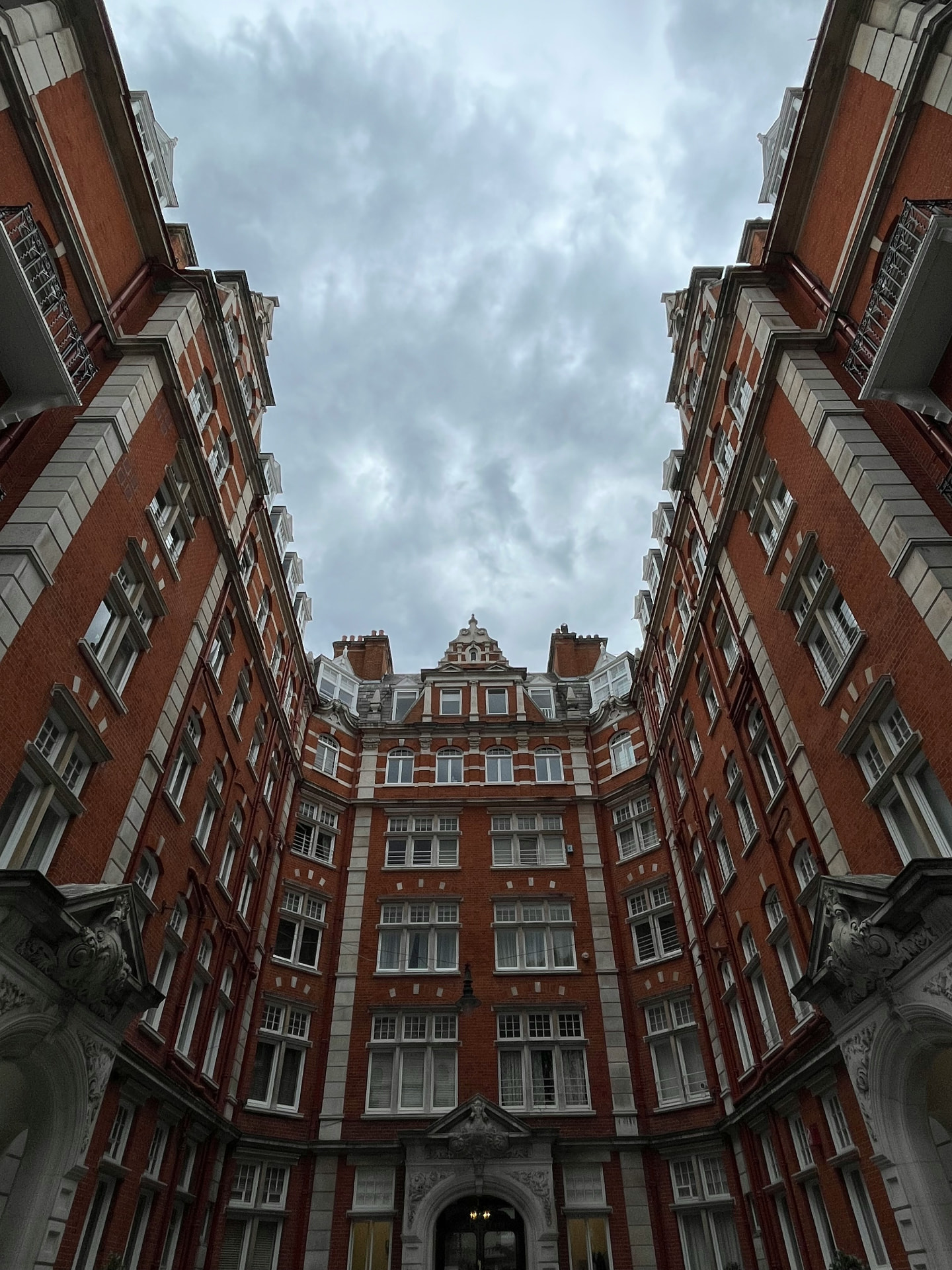
Property Market Insights and Investment Potential
The Islington property market, as revealed by HM Land Registry data, demonstrates both resilience and continued demand across all price points. With 302 recorded sales and a median price of £635,000, the borough attracts a broad spectrum of buyers—from first-time purchasers securing converted flats to established families investing in substantial period houses. The market's structure reflects the housing stock: flats predominate, offering accessible entry points, whilst terraced and semi-detached properties cater to those requiring more space and willing to pay the associated premium.
Rental yields and tenant demand remain robust, driven by the borough's employment accessibility, lifestyle offer and demographic diversity. Studio apartments, according to ONS data, command £1,000 to £1,550 monthly, one-bedroom properties £1,300 to £2,050, and two-bedroom flats £1,800 to £2,800—figures that reflect Islington's position as a prime residential location with enduring appeal. For landlords considering whether to [let your property in Islington](/let-your-property/islington), these rental ranges translate to competitive yields when set against purchase prices, particularly in the flat sector where acquisition costs remain comparatively accessible.
Notable streets and specific squares drive localised premiums. Terraced houses on quieter residential roads in Canonbury or Barnsbury routinely exceed £2 million, whilst properties overlooking garden squares or boasting original period features command further premiums. The data shows terraced properties ranging from £449,022 to £4,375,000—a span that illustrates how condition, location and specification create vastly different value propositions within a single property type.
Longer-term investment potential rests on fundamentals that show little sign of weakening: constrained supply, sustained demand, exceptional transport infrastructure, and a lifestyle offer that continues to evolve and improve. Crossrail's arrival at nearby Farringdon has already begun influencing buyer sentiment, whilst ongoing commercial investment in Upper Street and the wider borough suggests the area's appeal will deepen rather than diminish in coming years.
Making Your Move to Islington
Deciding whether living in Islington aligns with your needs requires balancing practical considerations against lifestyle priorities. The area delivers undeniable strengths—connectivity, culture, dining, architecture—but demands realistic expectations around property costs, competition for catchment places, and the compromises inherent in any central London location. Space per pound will always compare unfavourably with outer zones, and those seeking gardens, garages or modernist new-builds may find themselves frustrated by the predominance of period conversions and compact footprints.
Yet for those who value walkability, community, architectural character and proximity to employment without sacrificing neighbourhood identity, Islington presents a compelling proposition. Our experience guiding clients through Islington transactions tells us that successful moves typically involve clarity about must-haves versus nice-to-haves, realistic timelines that account for market competition, and willingness to explore different micro-neighbourhoods within the borough rather than fixating on a single postcode.
Whether you're drawn to the energy of Angel Islington, the elegance of Canonbury squares, or the village atmosphere of Barnsbury streets, taking time to experience the area at different times and seasons proves invaluable. Visit on weekday mornings to assess commuting patterns, explore restaurants Islington offers on weekend evenings to gauge the social atmosphere, and walk residential streets during school drop-off to understand family density and community character.
The property market rewards preparation and informed decision-making. Understanding current price bands, rental expectations, and how individual streets and buildings perform relative to borough-wide medians helps position any offer competitively whilst avoiding overpayment. At Seymont London, we've built our reputation on providing precisely this contextual knowledge, ensuring clients approach Islington's market with confidence and clarity about what represents genuine value in this sought-after corner of N1.
Talk to Seymont
What's your home worth?
A considered view on price, timing and how to bring your London home to market — a personal reply within 24 hours.
Your property
Step 1 of 2About the author
Nina CastellanoInvestment Property Advisor
Nina advises landlords and investors on rental yields, tenant demand and portfolio structure across Greater London, after running lettings and management at Bellhouse Property Partners. She has overseen single units and multi-property portfolios, and works through compliance, void periods and running costs before a purchase is agreed. Her articles deal with the numbers behind a buy-to-let rather than the headline gross yield.
Lettings and portfolio management · 9 years in London rentals
- Buy-to-let
- Rental yields
- Portfolio strategy
- Landlord compliance
Frequently asked
- Is Islington a good place to live?
- Islington is widely regarded as an excellent place to live, particularly for professionals and families valuing central proximity, cultural amenities and transport connectivity. The borough combines period architecture with contemporary lifestyle, offers outstanding dining and entertainment, and provides direct access to key employment hubs via Angel and Highbury & Islington stations. Whilst property costs sit in the premium bracket, the quality of life, community atmosphere and investment stability justify the premium for many residents.
- What is the average property price in Islington?
- According to HM Land Registry data, the median property price in Islington stands at £635,000. This figure masks significant variation by property type: flats achieve a median of £570,000, terraced houses £1,700,000, and semi-detached properties £2,450,000. Location, condition and period features create further price differentiation, with properties in sought-after squares and streets commanding substantial premiums over borough averages.
- How much does it cost to rent in Islington?
- Rental costs in Islington vary by property size, according to ONS data. Studio apartments typically range from £1,000 to £1,550 per month, one-bedroom properties from £1,300 to £2,050, two-bedroom flats from £1,800 to £2,800, and three-bedroom homes from £2,375 to £3,725. Four-bedroom properties command £3,175 to £4,975 monthly, whilst five-bedroom homes range from £4,175 to £6,525, reflecting the borough's position as a prime central London location.
- What are the best areas within Islington for families?
- Canonbury and Barnsbury consistently attract families seeking period properties, garden squares and proximity to well-regarded primary schools. These neighbourhoods offer quieter residential streets whilst maintaining excellent transport links and access to Upper Street's amenities. Highbury, particularly areas near Highbury Fields, also appeals to families requiring green space and community atmosphere. School catchment areas significantly influence family purchasing decisions, making detailed local knowledge essential.
- How good are transport links in Islington?
- Islington enjoys exceptional transport connectivity. Angel station on the Northern line provides direct access to King's Cross, Bank and London Bridge, whilst Highbury & Islington offers the Victoria line, London Overground and Great Northern rail services. This combination delivers rapid access to the City, West End and orbital routes across London. Extensive bus networks and improving cycling infrastructure further enhance mobility, making Islington one of the best-connected residential areas in the capital.