Journal
Living in Hampstead: Your Complete Guide to Village Life in North London
Written by Nina Castellano · Investment Property Advisor
Published 6 November 2025 · Updated 24 January 2026 · 6 min read
The short answer
Living in Hampstead means embracing one of London's most cherished villages, where rolling heath land meets Georgian elegance and intellectual tradition runs deep. Our team has watched this corner of North London maintain its unique character while offering everything modern residents expect from a prime location.
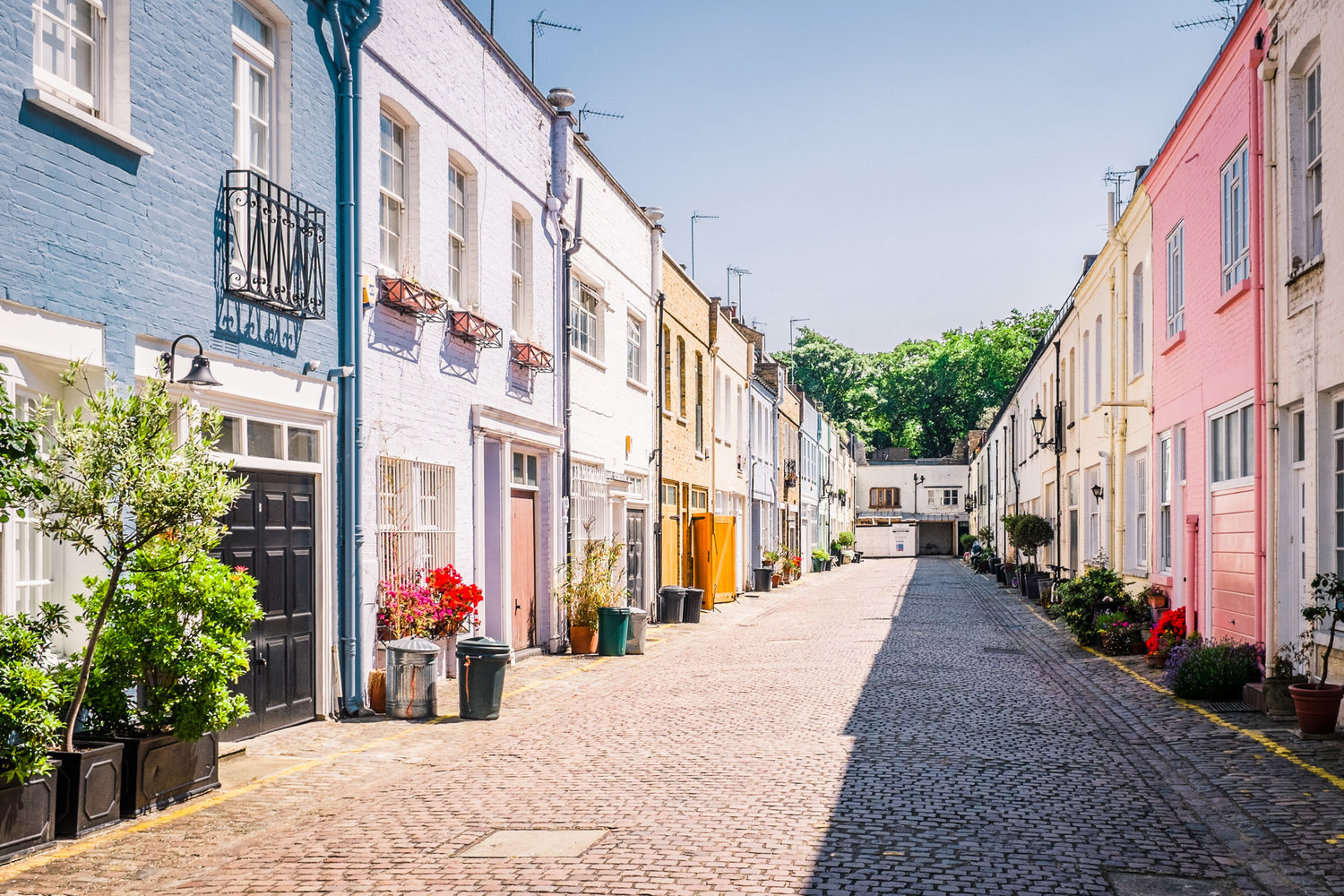
Living in Hampstead means embracing one of London's most cherished villages, where rolling heath land meets Georgian elegance and intellectual tradition runs deep. Our team has watched this corner of North London maintain its unique character while offering everything modern residents expect from a prime location. With a median property price of £846,750 according to HM Land Registry data, Hampstead represents a significant investment in a lifestyle defined by green spaces, cultural richness and architectural beauty. From the literary haunts of Hampstead Village to the bustling cafés of Flask Walk, this area delivers a quality of life that few London postcodes can match.
What Is Hampstead Like? Character and Atmosphere
Hampstead's character is shaped by the 790-acre Heath that dominates its landscape, offering uninterrupted views across London from Parliament Hill and creating an almost rural atmosphere minutes from central London. The village centre radiates from the historic High Street, where independent bookshops, delicatessens and antique dealers occupy buildings that have served the community for centuries. We regularly guide clients through streets where literary giants like Keats and Orwell once lived, and the creative legacy remains palpable in the galleries, poetry readings and concerts that punctuate the calendar.
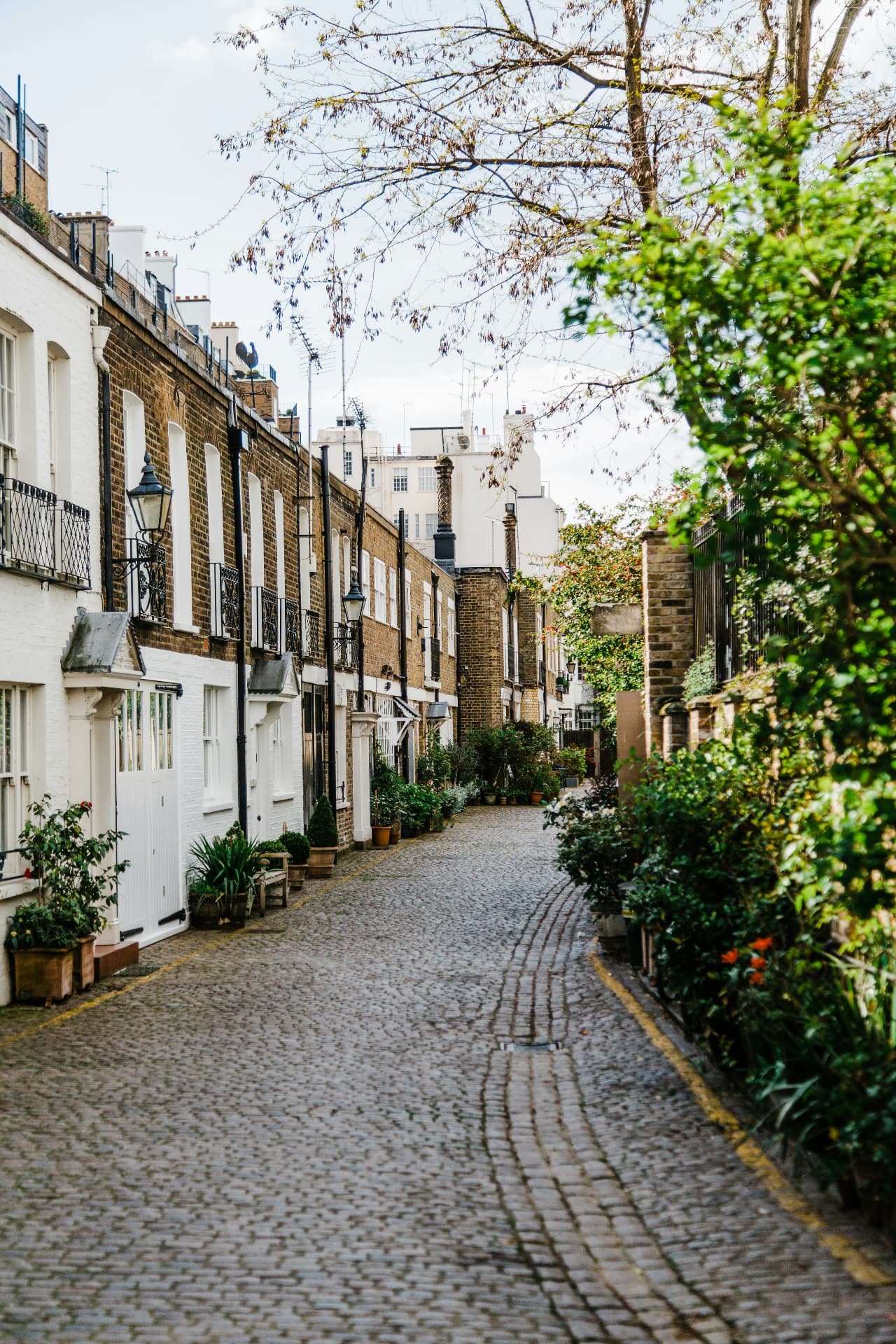
The architectural tapestry ranges from grand Georgian townhouses along Church Row to Victorian mansion flats converted with exceptional attention to period detail. According to HM Land Registry data, the 168 recent sales demonstrate the diversity of housing stock: flats commanded a median of £750,000, while terraced properties reached £1,800,000 and semi-detached homes achieved £4,800,000. This variety means Hampstead accommodates everyone from young professionals seeking their first purchase to established families requiring substantial entertaining space.
What strikes our team most is the village's ability to feel genuinely separate from London while remaining intrinsically connected to it. The community revolves around institutions like the Everyman Cinema, Burgh House museum and the centuries-old pubs that dot Flask Walk and Heath Street. Local residents develop a fierce loyalty to their neighbourhood shops and restaurants, creating a social fabric that transcends the transactional nature of many London areas. This sense of belonging makes Hampstead feel less like a postcode and more like a true community.
The Hampstead Lifestyle: Culture, Leisure and Community
The Hampstead lifestyle revolves around outdoor pursuits that would be impossible in most central London locations. Morning swims at the Heath's bathing ponds attract dedicated year-round enthusiasts, while weekend walks across Kenwood to admire the Vermeer collection have become rituals for countless families. We've noticed how the green spaces influence property searches—clients specifically request homes within walking distance of particular Heath entry points, understanding that this access shapes daily routines and wellbeing.
Cultural life extends far beyond the natural landscape. Hampstead Theatre premieres plays that transfer to the West End, while the intimate venues along High Street host jazz quartets and poetry slams. The intellectual tradition established by Bloomsbury Group members and psychoanalytic pioneers continues through book clubs, lectures at Burgh House and vibrant debates in the area's many pubs in Hampstead, particularly historic establishments like The Holly Bush and The Spaniards Inn. These pub Hampstead venues serve as genuine community hubs rather than mere drinking establishments.
Dining options reflect both village tradition and cosmopolitan tastes. Long-established French bistros sit alongside contemporary Korean restaurants, while the twice-weekly farmers' market supplies ingredients for home cooks who take food seriously. Our team observes how residents balance the village's self-contained amenities with easy access to West End theatres and Mayfair restaurants—the best of both worlds that defines the Hampstead proposition.
Family life thrives here, supported by outstanding state schools and private options that draw pupils from across North London. The combination of educational excellence, safe streets and abundant green space makes Hampstead particularly attractive to families willing to invest in long-term stability. According to ONS rental data, three-bedroom properties command £3,175 to £4,950 monthly, reflecting demand from families seeking exactly this environment.
Hampstead Transport Links and Connectivity
Hampstead transport benefits from the Northern Line station serving the village centre, delivering passengers to King's Cross in 12 minutes and the West End in under 20. This Underground connection provides the rapid access to central London that professionals require while maintaining the village atmosphere that drew them to the area initially. We find that clients prioritise this balance—they want genuine village character without sacrificing career mobility.
The area's position also offers excellent road links via the A41 and proximity to the M1, making weekend escapes to the Cotswolds or Cambridge remarkably straightforward. Multiple bus routes connect Hampstead to neighbouring areas including West Hampstead, Swiss Cottage and Gospel Oak, creating a web of transport options that reduces car dependency for daily errands. West Hampstead's Thameslink and Overground services provide additional connections, particularly valuable for those commuting to Gatwick Airport or navigating east-west across London.
For international connectivity, both Heathrow and Luton airports are accessible within reasonable timeframes, though our experience suggests Hampstead residents tend to use black cabs or private cars rather than public transport for airport runs. The upcoming Crossrail connections at nearby stations will further enhance the already excellent transport infrastructure, potentially influencing property values as connectivity improves.
Cycling culture thrives despite the challenging hills, with dedicated routes through the Heath and residential streets increasingly accommodating two-wheeled commuters. The combination of transport options means households can genuinely consider whether they need a car—though the period properties rarely include parking, making garage access a premium feature in any [property search](/property-for-sale/hampstead).
Talk to Seymont
What's your home worth?
A considered view on price, timing and how to bring your London home to market — a personal reply within 24 hours.
Your property
Step 1 of 2Hampstead Property Market: Investment and Value
The Hampstead property market demonstrates remarkable resilience across economic cycles, underpinned by limited housing stock and enduring desirability. HM Land Registry data reveals that recent detached properties sold for a median of £4,200,000, while flats to rent in Hampstead range from £1,325 monthly for studios to £8,675 for five-bedroom residences according to ONS figures. These numbers reflect not just location but the exceptional quality of building stock and the premium attached to Heath proximity.
Our team works extensively with both purchasers and vendors in the [Hampstead market](/estate-agents/hampstead), and we've observed how different property types serve distinct buyer profiles. Victorian conversions attract young professionals and downsizers who value period features with manageable maintenance, while substantial family homes command premiums for gardens, parking and proximity to top-tier schools. The 129 recent flat sales compared to just five detached transactions illustrates how conversion properties dominate available stock, making freehold houses particularly prized.
Investment potential extends beyond capital appreciation. The rental market remains consistently strong, with professionals and international assignees seeking quality accommodation near the Heath. Studio to two-bedroom flats achieve particularly reliable rental yields, while larger homes attract diplomatic families and executives on multi-year contracts. Those considering [letting their property](/let-your-property/hampstead) benefit from stable demand and tenants who typically maintain homes to high standards.
Price variations across Hampstead Village, South Hampstead and the areas bordering West Hampstead create opportunities at different price points. Understanding these micro-markets requires local expertise—the difference between a Rosslyn Hill address and a Fitzjohn's Avenue location can significantly impact both price and lifestyle. Our knowledge of [Hampstead house prices](/house-prices/hampstead) helps clients navigate these nuances and identify properties that match both budget and aspirations.
Neighbouring Areas: Hampstead Village and Beyond
Hampstead Village forms the historic heart, where Flask Walk's pedestrianised charm and High Street's independent retailers create the quintessential village atmosphere. This compact centre functions as the area's living room, where residents meet for coffee, browse bookshops and gather for farmers' markets. Properties here command premiums for the immediate village immersion, though the tourist footfall on summer weekends can test even devoted locals' patience.
South Hampstead offers a subtly different proposition—slightly more accessible price points while maintaining excellent schools and transport links. The tree-lined residential streets feel calmer than the village centre, attracting families who prioritise space and tranquillity over being at the absolute centre of activity. This area demonstrates how Hampstead's appeal extends beyond the immediate postcard-perfect streets, with the broader neighbourhood delivering similar lifestyle benefits.
West Hampstead, while distinct from Hampstead proper, provides an interesting alternative with its own vibrant high street, superior transport connections and marginally lower property prices. We guide clients through these distinctions, helping them understand how a few streets' difference shifts not just pricing but community character and daily convenience.
The borders with Belsize Park, Primrose Hill and Highgate create fascinating transition zones where Hampstead's influence gradually yields to neighbouring identities. These edge locations often provide the best value for buyers seeking Hampstead's essence without paying the absolute premium that central village addresses command.
Talk to Seymont
What's your home worth?
A considered view on price, timing and how to bring your London home to market — a personal reply within 24 hours.
Your property
Step 1 of 2About the author
Nina CastellanoInvestment Property Advisor
Nina advises landlords and investors on rental yields, tenant demand and portfolio structure across Greater London, after running lettings and management at Bellhouse Property Partners. She has overseen single units and multi-property portfolios, and works through compliance, void periods and running costs before a purchase is agreed. Her articles deal with the numbers behind a buy-to-let rather than the headline gross yield.
Lettings and portfolio management · 9 years in London rentals
- Buy-to-let
- Rental yields
- Portfolio strategy
- Landlord compliance
Frequently asked
- Is Hampstead a good area to live in London?
- Hampstead consistently ranks among London's most desirable areas, offering exceptional green space via the Heath, outstanding schools, vibrant village culture and excellent transport links. The combination of natural beauty, architectural heritage and intellectual tradition creates a lifestyle that few London neighbourhoods can match, though this quality comes with premium property prices reflecting sustained demand.
- How much does it cost to buy a property in Hampstead?
- According to HM Land Registry data, the median property price in Hampstead is £846,750. Flats sell for a median of £750,000, terraced homes achieve £1,800,000, while semi-detached properties command £4,800,000. The range extends from £198,000 for entry-level flats to over £12 million for exceptional detached houses, reflecting the area's diverse housing stock.
- What is the rental market like in Hampstead?
- ONS data shows Hampstead rental prices range from £1,325 to £2,075 monthly for studios, £1,750 to £2,725 for one-bedroom flats, and £2,375 to £3,725 for two-bedroom properties. Family homes command £3,175 to £4,950 for three bedrooms and £4,225 to £6,600 for four bedrooms, with five-bedroom residences reaching £5,550 to £8,675 monthly, reflecting strong demand from professionals and international tenants.
- How long does it take to get to central London from Hampstead?
- Hampstead Underground station on the Northern Line delivers passengers to King's Cross in approximately 12 minutes and Leicester Square in under 20 minutes. Multiple bus routes provide alternative connections, while neighbouring West Hampstead offers Thameslink and Overground services for wider connectivity across London and beyond.
- What makes Hampstead Village special compared to other parts of Hampstead?
- Hampstead Village represents the historic heart with its Georgian architecture, independent shops along the High Street, Flask Walk's pedestrianised charm and concentration of cultural venues. This compact centre offers the most concentrated village atmosphere with immediate access to pubs, restaurants and community events, though properties here command premiums and experience higher footfall than quieter residential streets in South Hampstead or areas bordering the Heath.