Journal
Living in Greenwich: Your Complete Area Guide
Written by Thomas Lindqvist · Mortgage & Financing Specialist
Published 27 December 2025 · Updated 25 June 2026 · 7 min read
The short answer
Living in Greenwich places you at the heart of one of London's most historically rich and naturally beautiful neighbourhoods. This riverside enclave in SE10 seamlessly blends World Heritage architecture with contemporary urban living, offering residents an exceptional quality of life just minutes from Canary Wharf and the City.
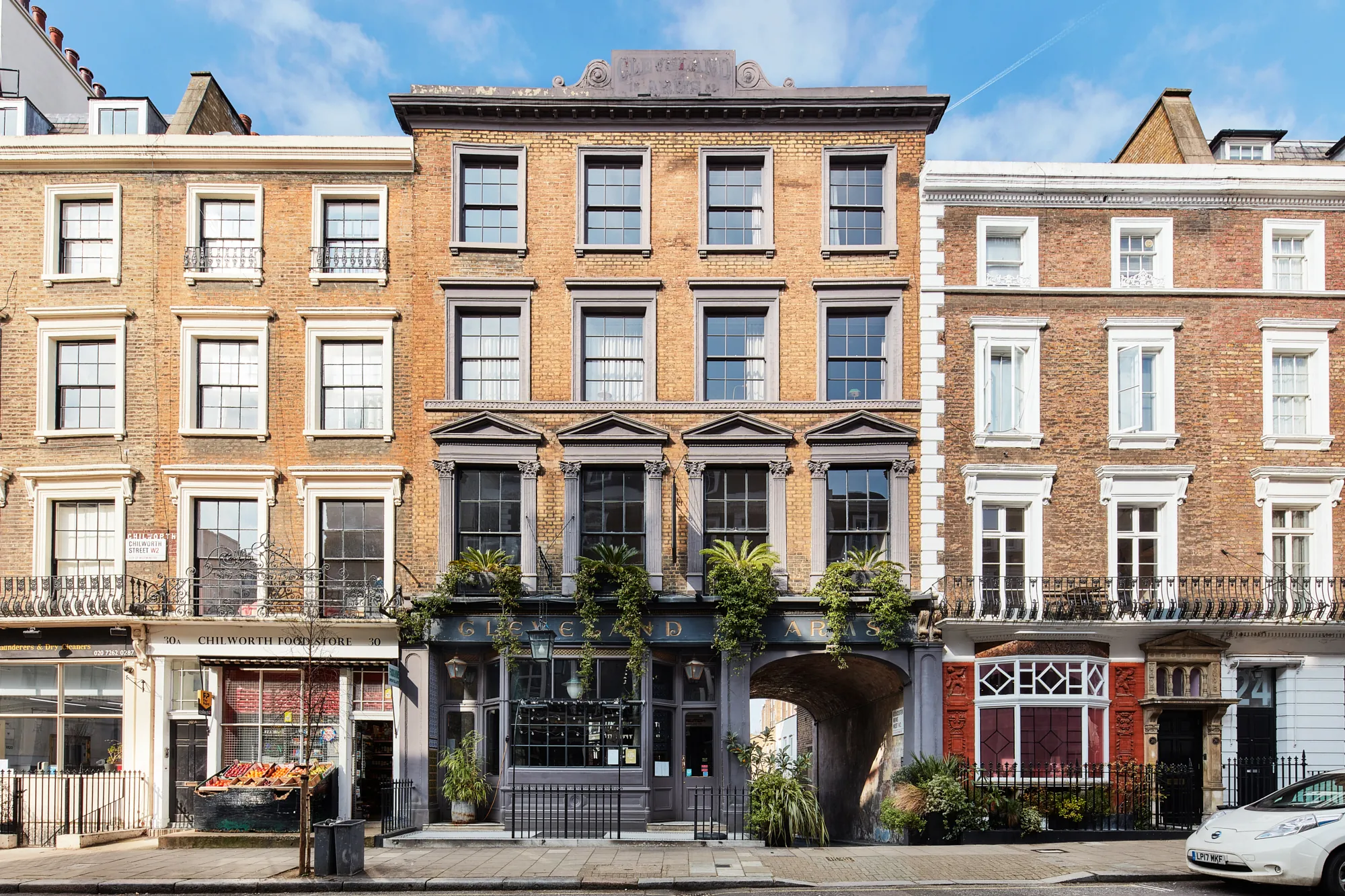
Living in Greenwich places you at the heart of one of London's most historically rich and naturally beautiful neighbourhoods. This riverside enclave in SE10 seamlessly blends World Heritage architecture with contemporary urban living, offering residents an exceptional quality of life just minutes from Canary Wharf and the City. Our team at Seymont London has watched Greenwich evolve into one of the capital's most sought-after postcodes, where maritime heritage meets modern convenience and green spaces frame every vista.
What Is Greenwich Like: Character and Atmosphere
Greenwich possesses a rare duality that sets it apart from other London boroughs: it feels both quintessentially village-like and unmistakably metropolitan. The UNESCO World Heritage Site at its core—encompassing the Old Royal Naval College, the Royal Observatory, and Greenwich Park—creates an architectural grandeur that defines the area's character. Yet step away from these monuments and you'll find residential streets lined with Georgian townhouses, Victorian terraces, and contemporary riverside developments that foster a genuine neighbourhood spirit.
The Greenwich lifestyle revolves around the Thames, which shapes both the geography and the social rhythm of the area. Weekend mornings see residents strolling the Thames Path, browsing Greenwich Market's artisan stalls, or enjoying brunch along Greenwich High Road. The community here spans young professionals who've relocated from Central London, established families drawn to the excellent schools, and long-term residents who remember when the area was London's best-kept secret.
What strikes many newcomers about Greenwich is its self-sufficiency. Unlike some London neighbourhoods that serve primarily as dormitory suburbs, Greenwich functions as a complete ecosystem with independent shops, acclaimed restaurants, historic pubs, and cultural venues. The Cutty Sark stands as a magnificent gateway to the riverside, whilst the Greenwich Peninsula continues its transformation into a significant residential and entertainment quarter.
The atmosphere shifts pleasantly between the different pockets of Greenwich: the area around the market and Naval College buzzes with tourists and culture seekers, whilst residential streets in East Greenwich and Maze Hill offer peaceful, family-friendly environments. North Greenwich, anchored by The O2, represents the area's most contemporary face, with new-build apartments catering to those seeking modern amenities and exceptional transport connectivity.
Greenwich Transport: Connectivity Across London
Greenwich transport links rank among the finest in outer London, offering residents an enviable choice of travel options. The Jubilee line at North Greenwich provides the fastest route into Central London, reaching Canary Wharf in just six minutes and Bond Street in eighteen. This single connection has transformed Greenwich into a viable alternative for professionals working in the financial districts, tech hubs, and West End offices.
The Docklands Light Railway (DLR) serves Greenwich with stations at Cutty Sark, Greenwich, and Deptford Bridge, creating direct links to Bank, Stratford, and London City Airport. For those working in Canary Wharf, the journey takes approximately ten minutes, making the morning commute refreshingly brief. The DLR's elevated tracks also provide rather spectacular views across the Thames, turning the daily commute into something approaching pleasure.
National Rail services from Greenwich and Maze Hill stations connect to London Bridge in under fifteen minutes, opening up the entire Southern network and providing alternatives when underground lines face disruption. The Elizabeth line at Woolwich and Abbey Wood—both within easy reach—adds another layer of connectivity, linking Greenwich residents to Heathrow, the West End, and beyond.
River transport shouldn't be overlooked: Thames Clippers services from Greenwich and North Greenwich piers offer a scenic alternative to the tube, particularly appealing during summer months. The Emirates Air Line cable car connects North Greenwich to the Royal Docks, whilst Southeastern trains from Greenwich provide direct access to Kent. For cyclists, the Thames Path and quietways network makes pedalling through Greenwich genuinely pleasant, whilst road connections via the Blackwall Tunnel and A2 serve those who drive.
Property Market: Sales and Rental Landscape
The Greenwich property market reflects the area's diverse architectural heritage and continuing development. According to HM Land Registry data, the median sale price stands at £500,000 across 187 recent transactions, positioning Greenwich as more accessible than many Central London neighbourhoods whilst offering comparable transport links and lifestyle amenities.
Flats dominate the market, representing 116 of these transactions with a median price of £423,750. This segment ranges from converted Victorian apartments in heritage buildings to contemporary riverside developments with concierge services and river views. Purpose-built flats in North Greenwich typically command premium prices due to their modern specifications and proximity to the Jubilee line, whilst conversions near Greenwich Park attract buyers seeking period character and green space access. Anyone searching for [property for sale in Greenwich](/property-for-sale/greenwich) will find options spanning studio apartments through to substantial three-bedroom lateral flats.
Terraced houses represent the next significant category, with 58 sales at a median of £806,500. These Georgian and Victorian properties, particularly those on streets radiating from Greenwich Park and Blackheath borders, appeal to families requiring outdoor space without sacrificing urban convenience. The terraced stock varies considerably: some properties retain original features and require sympathetic updating, whilst others have undergone comprehensive renovation to create contemporary family homes behind period facades.
Semi-detached and detached properties remain rare commodities in Greenwich, with just five combined sales. Detached houses achieved a median of £1,312,500, reflecting their scarcity and the premium buyers place on truly private residential space in well-connected London locations. For detailed insights into pricing trends across different property types, our [Greenwich house prices](/house-prices/greenwich) analysis provides comprehensive market context.
Rental demand across Greenwich remains consistently strong, supported by the area's appeal to both young professionals and relocating families. ONS data indicates studio apartments range from £775 to £1,225 per calendar month, whilst one-bedroom flats span £1,025 to £1,625. Two-bedroom properties—the most sought-after configuration—command £1,425 to £2,200, reflecting high demand from sharers and young couples. Three-bedroom homes rent for £1,875 to £2,950, catering to families who prioritise school catchments and park proximity. Larger properties become progressively rarer: four-bedroom homes range from £2,525 to £3,925, whilst five-bedroom properties command £3,300 to £5,150, typically representing substantial period houses in prime locations.
Talk to Seymont
What's your home worth?
A considered view on price, timing and how to bring your London home to market — a personal reply within 24 hours.
Your property
Step 1 of 2Parks, Schools and Community Life
Greenwich Park forms the green heart of the area, offering 180 acres of rolling landscape, ancient trees, and that famous hilltop view across the Thames to Canary Wharf and the City. Beyond the obvious tourist draw of the Prime Meridian and Royal Observatory, the park serves as the local community's backyard—families picnic on summer weekends, runners tackle the hills for training, and dog walkers congregate in the designated areas. The adjacent Blackheath provides even more open space, whilst smaller parks and gardens punctuate residential neighbourhoods.
Education provision attracts many families to Greenwich, with a mixture of state and independent options. Primary schools including Halstow, Invicta, and Sherington enjoy strong reputations and consequently shape residential demand patterns—properties within their catchment areas command premiums during the spring and summer when parents prioritise September admissions. Secondary provision includes St Ursula's Convent School, John Roan School, and the academically selective St Paul's Academy. The proximity to independent schools in Blackheath and across South East London broadens choices further.
Community life in Greenwich centres around several focal points. Greenwich Market operates daily, hosting food stalls, craft vendors, and vintage sellers who create a genuine neighbourhood gathering space rather than a purely tourist attraction. The market's covered sections mean it functions year-round, becoming particularly atmospheric during winter months. Greenwich Theatre, the Old Royal Naval College's cultural programme, and the various independent cinemas and music venues ensure the cultural calendar remains busy.
The restaurant and hospitality scene reflects Greenwich's character: historic coaching inns sit alongside modern wine bars, riverside pubs occupy prime Thames-side positions, and restaurants span everything from neighbourhood bistros to destination dining. Greenwich High Road and surrounding streets support independent retailers, whilst the retail offerings at North Greenwich and the O2 provide mainstream shopping options. This combination of heritage charm and contemporary convenience defines the practical reality of daily life here.
Working with Seymont London in Greenwich
Our team operates across all London neighbourhoods, but we've developed particular expertise in areas like Greenwich where heritage protection, diverse property types, and strong local dynamics require nuanced understanding. Whether you're considering purchasing in one of the riverside developments, selling a period terrace, or exploring rental options, we bring comprehensive market knowledge and a founder-led approach that prioritises your specific circumstances.
We understand that living in Greenwich means different things to different buyers: a young professional might prioritise a modern flat near North Greenwich station for the Jubilee line access, whilst a growing family focuses on Victorian houses within walking distance of Greenwich Park and outstanding primary schools. Our approach centres on understanding these individual requirements rather than applying generic property strategies.
For property owners considering the rental market, Greenwich's strong tenant demand creates opportunities, but successful lettings require proper pricing, presentation, and tenant selection. Our [Greenwich lettings service](/let-your-property/greenwich) handles everything from market appraisal through tenant placement and ongoing management, ensuring your investment performs optimally whilst meeting all regulatory requirements. We work with landlords who own everything from single buy-to-let flats to substantial portfolios across SE10.
Anyone exploring options should begin with our [Greenwich estate agents](/estate-agents/greenwich) page, where we outline our approach, service levels, and the specific Greenwich market insights our team has developed. The area continues evolving—the Peninsula development alone will add thousands of new homes over coming years—and staying informed about these changes helps both buyers and sellers make decisions with confidence.
Talk to Seymont
What's your home worth?
A considered view on price, timing and how to bring your London home to market — a personal reply within 24 hours.
Your property
Step 1 of 2About the author
Thomas LindqvistMortgage & Financing Specialist
Thomas advised buyers for a decade at Ashgrove Financial, an independent brokerage, on borrowing capacity, product selection and the full cost of a purchase, including stamp duty, legal fees and lender charges. He follows rate decisions and lender criteria changes and translates them into what a household can realistically afford. His guides cover affordability, remortgaging and the closing costs that buyers routinely underestimate.
CeMAP qualified · Whole-of-market mortgage advice background
- Mortgages
- Affordability
- Closing costs
- Remortgaging
Frequently asked
- Is Greenwich a good area to live in London?
- Greenwich consistently ranks among London's most desirable residential areas, combining World Heritage architecture, exceptional green spaces, and excellent transport connectivity. The Jubilee line at North Greenwich reaches Canary Wharf in six minutes, whilst the DLR and National Rail provide multiple commuting options. The area offers a genuine neighbourhood atmosphere with independent shops, respected schools, and the advantage of Greenwich Park on your doorstep. Property values reflect this appeal, with median prices around £500,000 according to HM Land Registry data, positioning Greenwich as more accessible than many Central London alternatives whilst offering comparable lifestyle benefits.
- How much does it cost to rent in Greenwich?
- Rental costs in Greenwich vary by property type and location. ONS data shows studio apartments ranging from £775 to £1,225 per calendar month, one-bedroom flats from £1,025 to £1,625, and two-bedroom properties from £1,425 to £2,200. Family-sized homes command higher rents: three-bedroom properties span £1,875 to £2,950, four-bedroom homes range from £2,525 to £3,925, and five-bedroom houses reach £3,300 to £5,150. Properties near North Greenwich station and riverside developments typically sit at the upper end of these ranges, whilst those further from transport hubs offer better value.
- What is the commute from Greenwich to Central London?
- Greenwich offers multiple commuting routes into Central London. The Jubilee line from North Greenwich reaches Bond Street in eighteen minutes and Waterloo in twelve minutes. The DLR from Greenwich and Cutty Sark stations connects to Bank in approximately twenty minutes and Canary Wharf in ten minutes. National Rail services from Greenwich and Maze Hill reach London Bridge in under fifteen minutes. Thames Clippers river services provide a scenic alternative taking around thirty-five minutes to Embankment. This variety of options means you're rarely dependent on a single line, providing resilience when services face disruption.
- Are there good schools in Greenwich?
- Greenwich provides a strong selection of primary and secondary schools. Popular primary schools include Halstow, Invicta Primary, Sherington Primary, and Our Lady Star of the Sea, all of which maintain good or outstanding ratings and create catchment demand that influences property prices. Secondary options include St Ursula's Convent School, John Roan School, St Paul's Academy, and Thomas Tallis School. The proximity to Blackheath's independent schools—including Blackheath High School and Colfe's—broadens choices further. Many families specifically relocate to Greenwich for education provision, making school catchment areas a key consideration when purchasing property.
- What is there to do in Greenwich for residents?
- Beyond the tourist attractions, Greenwich offers residents an active cultural and social scene. Greenwich Park provides 180 acres for recreation, whilst the Thames Path enables riverside walking and cycling. Greenwich Market operates daily with food, crafts, and vintage stalls, creating a genuine community hub. The area supports numerous independent restaurants, historic pubs, and wine bars, particularly along Greenwich High Road and the riverside. Cultural venues include Greenwich Theatre, the Old Royal Naval College's concerts and exhibitions, the Greenwich Cinema, and easy access to The O2 for major entertainment. Weekend farmers' markets, community events, and the unique architecture make Greenwich far more than just a commuter neighbourhood.