Journal
Living in Dulwich
Written by Thomas Lindqvist · Mortgage & Financing Specialist
Published 2 April 2026 · Updated 9 June 2026 · 7 min read
The short answer
Living in Dulwich offers a rare combination of village tranquillity and exceptional connectivity, making it one of south London's most coveted residential addresses. Our team at Seymont London has witnessed sustained interest in this leafy enclave, where Georgian architecture meets independent shops, award-winning schools surround ancient woodland, and families find the breathing space that central London cannot provide.
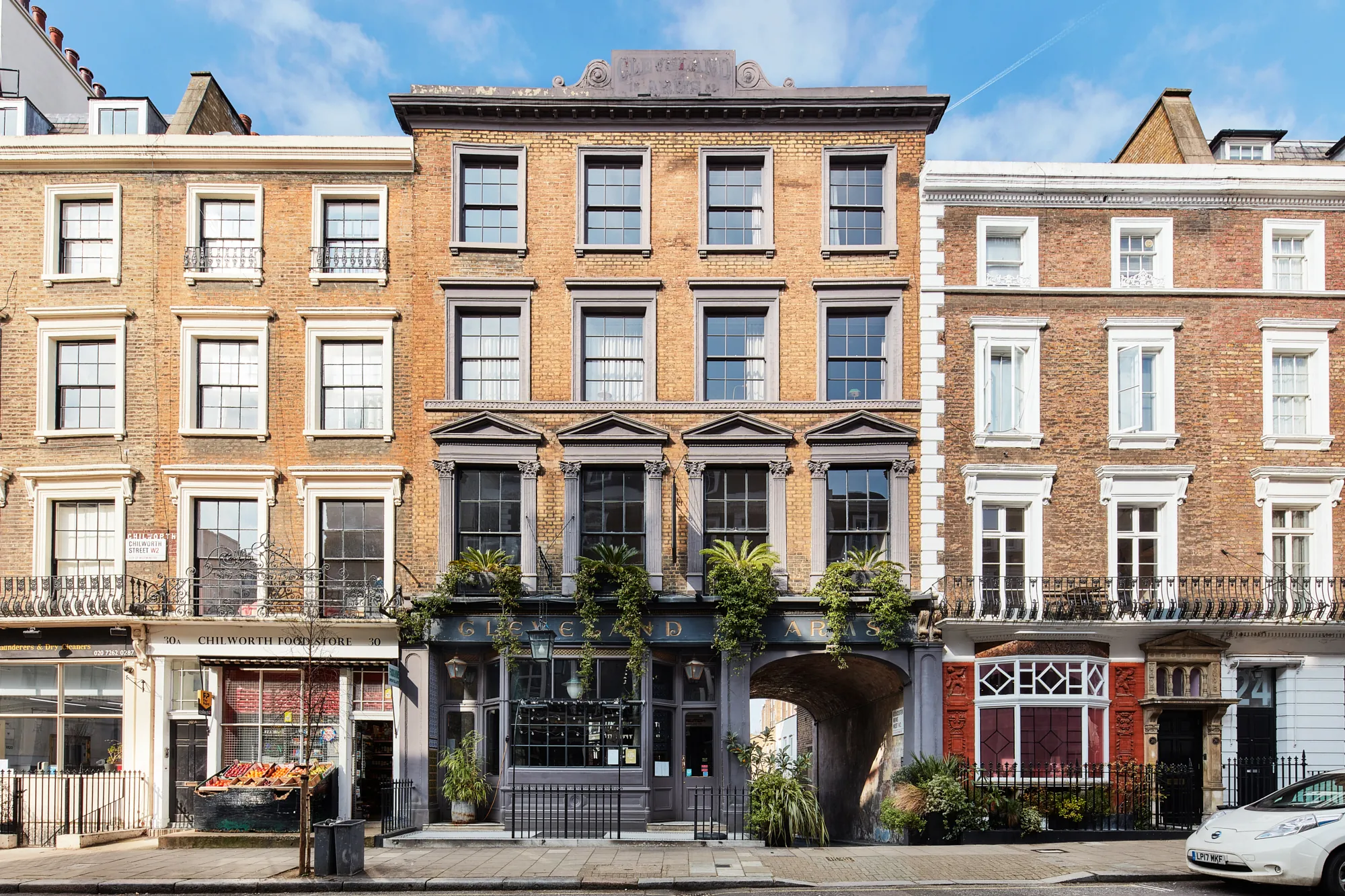
Living in Dulwich offers a rare combination of village tranquillity and exceptional connectivity, making it one of south London's most coveted residential addresses. Our team at Seymont London has witnessed sustained interest in this leafy enclave, where Georgian architecture meets independent shops, award-winning schools surround ancient woodland, and families find the breathing space that central London cannot provide. Whether you're drawn to the artistic heritage of Dulwich Village, the vibrant café culture of East Dulwich, or the transport links at West Dulwich, this guide explores what makes living in Dulwich so distinctive.
What Is Dulwich Like? The Character of Each Neighbourhood
Dulwich comprises three distinct areas, each with its own personality. Dulwich Village remains the historic heart, protected by the Dulwich Estate since 1619, where grand period homes line tree-canopied roads and the absence of chain stores preserves an uncommon authenticity. The Village's conservation status means architectural heritage takes precedence, creating streetscapes that feel removed from typical London development.
East Dulwich has evolved into the area's most dynamic quarter, where Lordship Lane pulses with independent restaurants, artisan bakeries, and boutique shops. The demographic here skews younger, with professional families attracted by the Dulwich lifestyle without the Village's premium price point. Victorian and Edwardian terraces dominate the housing stock, many sympathetically extended to accommodate modern family life.
West Dulwich offers a quieter alternative, positioned between the commons and benefiting from its own railway station. The housing mix here spans post-war developments alongside substantial Victorian properties, appealing to buyers seeking value whilst remaining within Dulwich's schooling catchments. The area maintains strong community cohesion, centred around local green spaces and the thriving West Dulwich Tavern.
According to HM Land Registry data, the median property price across Dulwich stands at £612,500, with flats achieving a median of £477,500 and terraced houses reaching £876,875. Semi-detached properties command £1,377,500 at median, reflecting the premium attached to Dulwich addresses and the competitive nature of the market our team navigates daily.
The Dulwich Lifestyle: Green Space and Cultural Heritage
The lifestyle advantages of living in Dulwich centre on extraordinary access to open space. Dulwich Park's 72 acres provide boating lakes, sporting facilities, and weekend respite, whilst Dulwich & Sydenham Hill Wood offers 70 acres of ancient woodland—a genuine rarity within Greater London. Peckham Rye Common and Park extend northward, creating an almost continuous green corridor that defines daily life here.
Cultural institutions elevate Dulwich beyond a purely residential suburb. Dulwich Picture Gallery, England's first purpose-built public art gallery designed by Sir John Soane, anchors the area's artistic credentials with Old Master collections and contemporary exhibitions. Dulwich College, the independent school founded by Elizabethan actor Edward Alleyn, shapes the architectural landscape with its Italianate campus and extensive playing fields that maintain openness across the Estate.
The independent retail scene, particularly along Lordship Lane and in the Village, distinguishes the Dulwich lifestyle from corporate homogeneity. Family-run butchers, fishmongers, and greengrocers operate alongside specialist bookshops and design studios, supporting a shop-local culture that residents actively sustain. The weekly farmers' market and regular seasonal events reinforce community connections that newcomers consistently mention when discussing what attracted them to the area.
Dining and socialisation reflect Dulwich's demographic: gastro-pubs serve seasonal menus, wine bars offer carefully curated lists, and cafés function as informal co-working spaces. The absence of late-night venues maintains the residential character, though central London's entertainment districts remain readily accessible for those seeking urban nightlife.
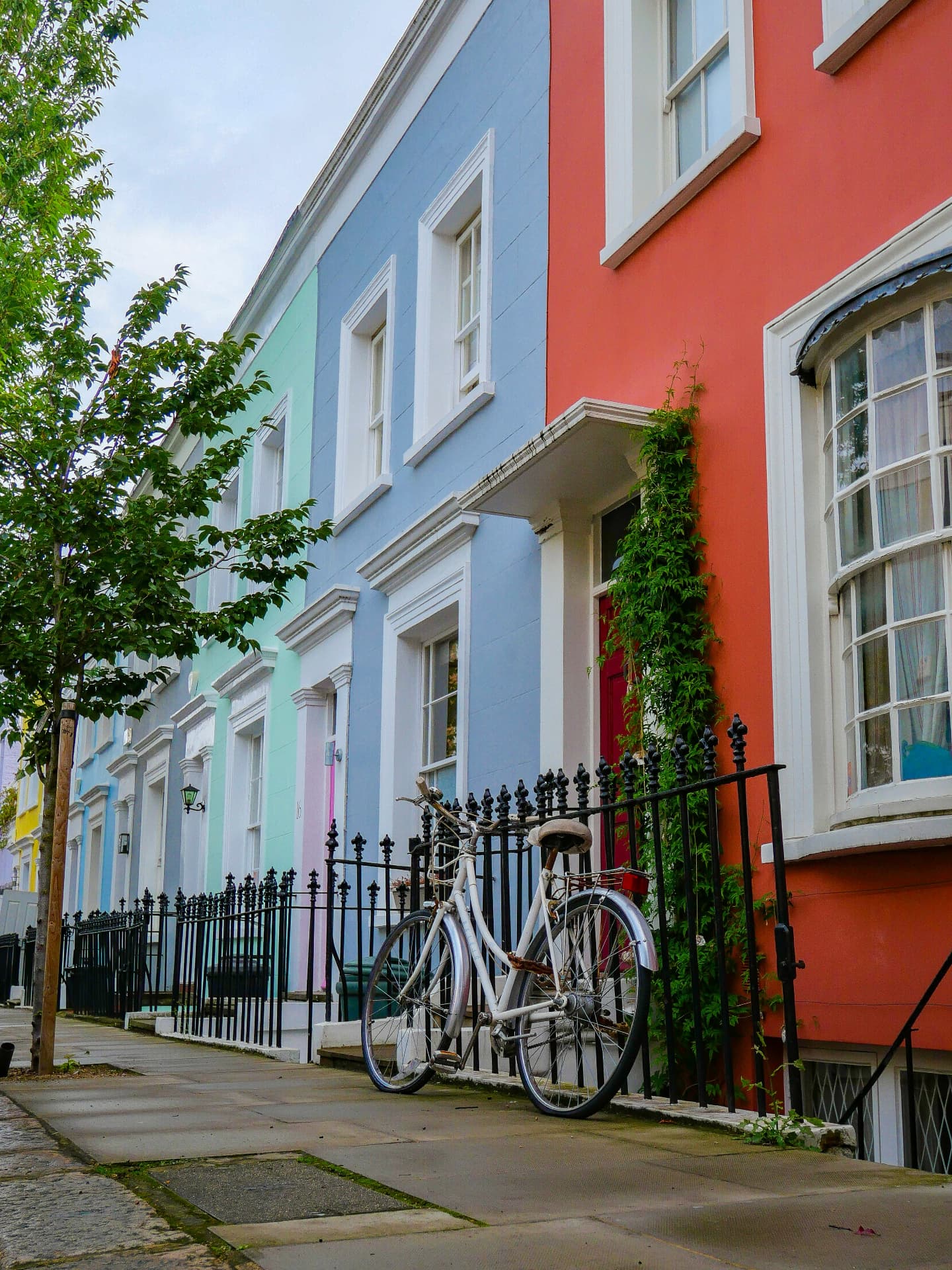
Dulwich Transport: Connectivity Across the Area
Dulwich transport links have improved considerably, though the area remains outside the Underground network—a factor that historically moderated prices compared to equivalent Tube-served neighbourhoods. The Overground now serves East Dulwich with direct connections to Canada Water (for Jubilee line interchange), Shoreditch High Street, and Highbury & Islington, transforming commuting patterns and contributing to the area's growing appeal amongst City and Tech City professionals.
West Dulwich station on the Thameslink network provides direct services to London Bridge (12 minutes), Blackfriars, and St Pancras International, extending reach to Gatwick Airport and beyond. This connectivity suits those working in the Square Mile or legal quarter, where journey times prove competitive with many Tube routes once interchange time is factored.
North Dulwich station, positioned between the Village and East Dulwich, offers Thameslink services mirroring the West Dulwich route. The three-station configuration means most Dulwich residents live within comfortable walking distance of rail connections, though bus networks fill gaps with routes 37, 40, and P4 providing alternative access to Elephant & Castle, Victoria, and Brixton.
Cyclists benefit from Dulwich's position on Cycleway 23 and proximity to the growing south London cycling network, whilst drivers find the South Circular accessible for cross-London journeys. Parking remains easier than in more central locations, with many period properties retaining off-street provision—an increasingly valuable amenity that features prominently in our <a href="/property-for-sale/dulwich">property for sale listings in Dulwich</a>.
Talk to Seymont
What's your home worth?
A considered view on price, timing and how to bring your London home to market — a personal reply within 24 hours.
Your property
Step 1 of 2Property Market and Investment Perspective
The Dulwich property market demonstrates consistent performance underpinned by structural constraints on supply. The Dulwich Estate's governance limits development intensity, whilst conservation areas restrict alterations, creating scarcity that supports values. Recent HM Land Registry data shows 171 transactions with prices spanning from £133,600 to £3,390,000, reflecting extraordinary diversity from purpose-built flats to substantial detached family homes.
Flats constitute the largest transaction segment (96 sales, median £477,500), offering entry points for first-time buyers and downsizers. These typically comprise Victorian conversions in East Dulwich or purpose-built schemes in West Dulwich, with yields supported by professional tenants attracted to the area's schools and transport. ONS rental data indicates one-bedroom flats achieve £1,275–£1,975 monthly, whilst two-bedroom properties command £1,725–£2,700.
Family houses dominate the upper market segments, where terraced properties (median £876,875) represent the core family offering. Period homes with rear extensions create versatile accommodation, often featuring four bedrooms, modern kitchens opening to gardens, and home office provision that became essential during shifting work patterns. Semi-detached houses at a median of £1,377,500 and the limited detached stock reaching £1,675,000 median appeal to established families prioritising space and prestige schooling access.
Our team observes that buyers increasingly prioritise sustainability and running costs alongside purchase price. Properties with successful retrofit insulation, modern heating systems, and outdoor space command premiums, whilst those requiring comprehensive upgrading face longer marketing periods unless priced to reflect investment required. The rental market remains robust, with three-bedroom houses achieving £2,300–£3,600 monthly according to ONS data, supporting buy-to-let investors focused on family tenancies and stable yields.
For detailed analysis of current values and recent transactions, visit our <a href="/house-prices/dulwich">Dulwich house prices page</a>, where we maintain updated market intelligence.
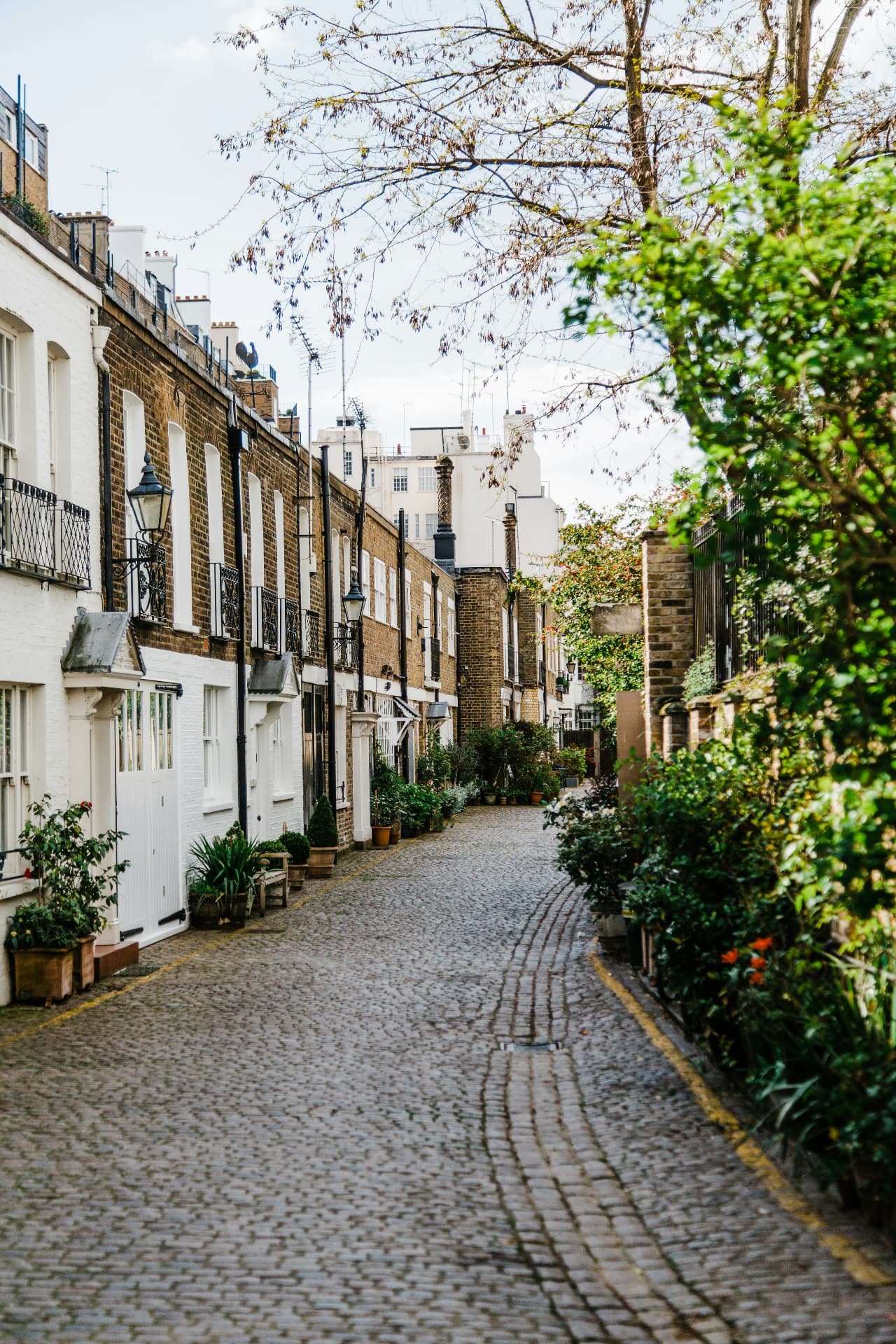
Schools and Family Appeal
Educational provision drives much of Dulwich's family appeal, with Outstanding-rated state primaries competing for places alongside respected independents. Alleyn's School, James Allen's Girls' School (JAGS), and Dulwich College form the independent triumvirate that shapes catchment strategies and property decisions. Families routinely move to Dulwich specifically for schooling access, making proximity to preferred institutions a primary search criterion.
State provision includes Dulwich Village CE Infants, Dulwich Hamlet Junior School, and Heber Primary, all carrying Outstanding Ofsted ratings and oversubscribed admissions. The catchment areas contract annually as demand intensifies, meaning families often purchase properties primarily for their position relative to school gates—a dynamic our team navigates when advising on <a href="/estate-agents/dulwich">Dulwich property searches</a>.
Secondary options extend to Charter School in nearby Dulwich, Harris Academy and Kingsdale Foundation School, plus the independent schools already mentioned. The concentration of high-performing schools within walking distance creates unusual flexibility, allowing families to consider multiple pathways rather than committing to single-option strategies.
Childcare infrastructure supports working families, with nurseries, childminders, and after-school provision meeting demand from Dulwich's predominantly professional demographic. The parks and commons provide ready-made outdoor space that enhances family life beyond the garden gate, whilst weekend activities from tennis clubs to music schools create the enrichment opportunities that characterise modern parenting priorities.
Working with Seymont London in Dulwich
Our approach to the Dulwich market reflects deep familiarity with its micro-markets and distinct buyer profiles. We recognise that East Dulwich purchasers often prioritise different attributes than Village buyers, that schooling catchments override other considerations for many families, and that conservation restrictions require specialist guidance when clients contemplate alterations.
Whether you're considering a move to Dulwich or exploring investment opportunities, our team provides comprehensive market analysis rooted in transaction data rather than aspiration. We maintain detailed knowledge of recent sales, rental yields, and emerging value pockets across all three Dulwich neighbourhoods, ensuring clients receive intelligence that supports informed decisions.
For landlords, our <a href="/let-your-property/dulwich">letting service in Dulwich</a> combines tenant sourcing with property management attuned to the area's specific rental demographic—predominantly professional families seeking stability and schools access. We understand the regulatory environment, the importance of property presentation in this competitive market, and the yield expectations that make Dulwich lettings commercially viable.
The Dulwich property journey, whether buying, selling, or letting, benefits from local expertise that extends beyond postcode knowledge. Our collective experience navigating Estate governance, conservation permissions, and the seasonal rhythms of family moves ensures clients avoid common pitfalls and capitalise on opportunities that generic agency approaches might overlook.
Talk to Seymont
What's your home worth?
A considered view on price, timing and how to bring your London home to market — a personal reply within 24 hours.
Your property
Step 1 of 2About the author
Thomas LindqvistMortgage & Financing Specialist
Thomas advised buyers for a decade at Ashgrove Financial, an independent brokerage, on borrowing capacity, product selection and the full cost of a purchase, including stamp duty, legal fees and lender charges. He follows rate decisions and lender criteria changes and translates them into what a household can realistically afford. His guides cover affordability, remortgaging and the closing costs that buyers routinely underestimate.
CeMAP qualified · Whole-of-market mortgage advice background
- Mortgages
- Affordability
- Closing costs
- Remortgaging
Frequently asked
- Is Dulwich a good area to live in London?
- Dulwich ranks amongst south London's most desirable residential areas, combining village character with excellent schools, abundant green space, and improving transport links. The area offers significantly more space and greenery than central London whilst maintaining good connectivity, making it particularly suited to families. Property values remain strong due to constrained supply from the Dulwich Estate's governance and conservation protections, though this also means limited development and preserved character that many residents value highly.
- What is the difference between East Dulwich, West Dulwich, and Dulwich Village?
- Dulwich Village is the historic centre, characterised by period architecture, the Dulwich Estate's governance, and absence of chain stores, commanding premium prices. East Dulwich centres on Lordship Lane with vibrant independent shops, restaurants, and a younger demographic, offering relatively better value in Victorian and Edwardian terraces. West Dulwich provides the quietest option with its own Thameslink station, mixed housing stock, and family-friendly atmosphere at typically lower price points than the Village whilst remaining within Dulwich's schooling catchments.
- How much does it cost to buy property in Dulwich?
- According to HM Land Registry data, the median property price in Dulwich is £612,500. Flats achieve a median of £477,500, terraced houses reach £876,875, semi-detached properties command £1,377,500, and detached homes achieve £1,675,000 at median. Prices vary considerably by location within Dulwich, property condition, garden size, and proximity to preferred schools, with transactions ranging from £133,600 to over £3 million depending on property type and specification.
- What are rental prices like in Dulwich?
- ONS rental data shows Dulwich studio flats rent for £975–£1,500 monthly, one-bedroom properties achieve £1,275–£1,975, two-bedroom homes command £1,725–£2,700, three-bedroom properties reach £2,300–£3,600, four-bedroom houses achieve £3,075–£4,800, and five-plus bedroom homes rent for £4,050–£6,300 monthly. The rental market attracts predominantly professional families seeking access to Dulwich's schools and green spaces, supporting stable tenancies and consistent yields for landlords.
- Does Dulwich have good transport links?
- Dulwich lacks Underground access but benefits from three railway stations providing comprehensive coverage. East Dulwich on the London Overground connects to Canada Water, Shoreditch, and beyond, whilst West Dulwich and North Dulwich stations offer Thameslink services to London Bridge (12 minutes), Blackfriars, St Pancras International, and Gatwick Airport. Bus routes 37, 40, and P4 supplement rail services, and cycling infrastructure continues improving. Whilst not matching Tube-served areas for frequency, the transport network suits most commuting patterns and has improved considerably with Overground expansion.