Journal
Living in Brixton: Your Complete Area Guide
Written by Julian Reyes · Licensed Real Estate Agent
Published 23 February 2026 · Updated 16 August 2026 · 6 min read
The short answer
Living in Brixton offers an experience unlike anywhere else in the capital. This South London neighbourhood has transformed from its market-town roots into one of London's most dynamic and culturally rich areas, where Georgian squares meet street art, independent businesses thrive alongside multinational venues, and a truly international community creates an atmosphere that's simultaneously gritty and sophisticated.
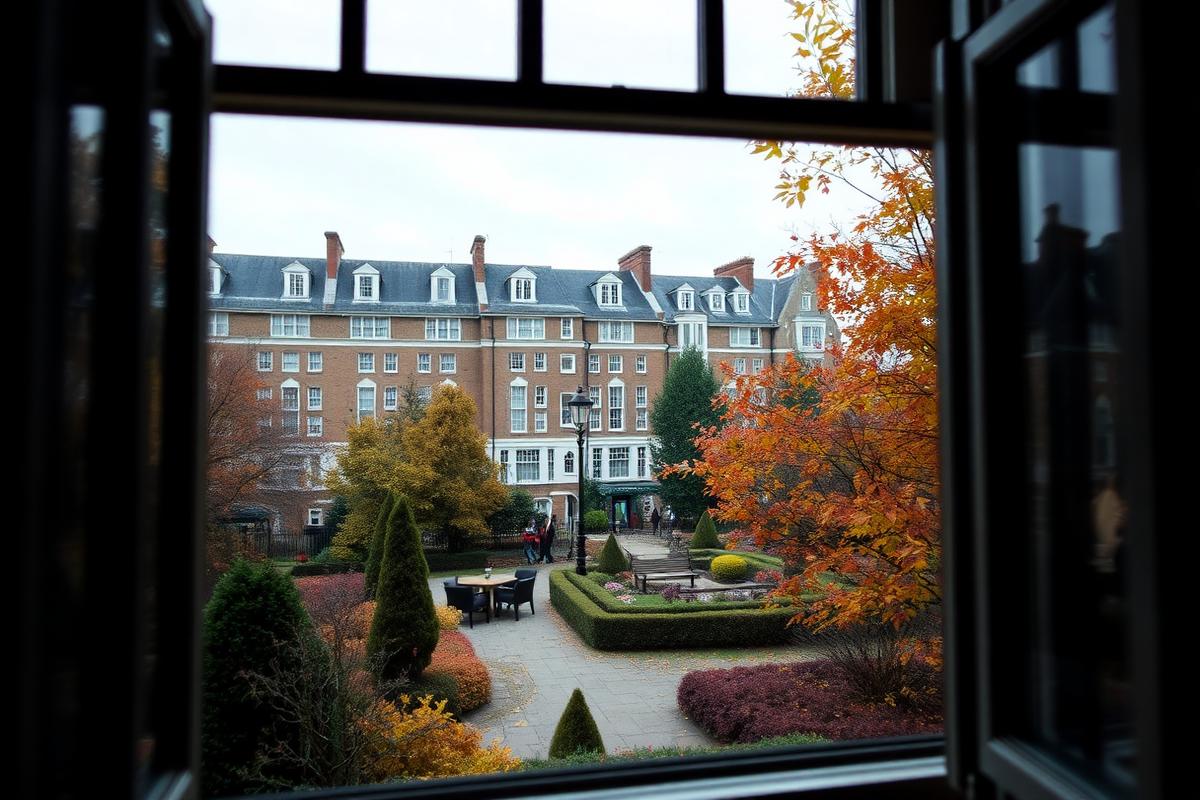
Living in Brixton offers an experience unlike anywhere else in the capital. This South London neighbourhood has transformed from its market-town roots into one of London's most dynamic and culturally rich areas, where Georgian squares meet street art, independent businesses thrive alongside multinational venues, and a truly international community creates an atmosphere that's simultaneously gritty and sophisticated. For those considering making Brixton home, understanding the neighbourhood's distinct character, property landscape, and day-to-day practicalities is essential.
What Is Brixton Like Today?
Brixton's identity is inseparable from its cultural heritage and ongoing evolution. The area radiates outward from the iconic Electric Avenue and Brixton Village, where the covered markets remain the beating heart of the community. Here, Caribbean grocers sit alongside Vietnamese kitchens, vinyl record shops, and artisan coffee roasters—a microcosm of the neighbourhood's remarkable diversity.
The Brixton lifestyle revolves around this sense of authenticity and creative energy. Windrush Square serves as the civic centrepiece, hosting outdoor film screenings, festivals, and markets throughout the year, whilst the Ritzy cinema continues its century-long tradition as a community gathering space. Along Coldharbour Lane and Atlantic Road, independent bars, live music venues, and restaurants create a nightlife scene that draws visitors from across London whilst maintaining a distinctly local flavour.
Brixton Hill extends southward from the town centre, offering a more residential character whilst maintaining excellent connectivity to the vibrant core. The area encompasses handsome Victorian and Edwardian terraces, with streets like Corrance Road and Rattray Road showcasing the architectural quality that attracts families and professionals alike. This southern stretch provides a quieter alternative for those who want proximity to Brixton's amenities without being in the immediate hustle.
The neighbourhood's ongoing regeneration has introduced contemporary developments alongside heritage buildings, particularly around the station and Pope's Road. This evolution continues to spark debate amongst residents, but it has undeniably expanded housing options and brought additional retail and workspace to the area.
Brixton Property Market and Housing Stock
According to HM Land Registry data, Brixton recorded 353 property sales with a median price of £500,000. The market is predominantly flat-focused, with 274 apartment sales achieving a median of £460,000, reflecting the area's high proportion of converted Victorian and Edwardard properties alongside modern developments.
Terraced houses remain highly sought after, with 53 sales recording a median price of £880,000. These characterful properties, many featuring original period details, period gardens, and scope for extension, appeal particularly to growing families. Semi-detached homes commanded a median of £1,152,000 across 13 transactions, whilst the four detached properties sold achieved a median of £1,121,250—relatively rare finds in this densely built neighbourhood.
For those exploring <a href="/property-for-sale/brixton">property for sale in Brixton</a>, the diversity of housing stock means options span from compact studio conversions to substantial family homes. Purpose-built blocks from various eras sit alongside elegant conversions of Victorian villas, particularly around the conservation areas near Brockwell Park and towards Herne Hill.
Rental demand remains robust, with ONS data indicating studio apartments ranging from £775 to £1,225 per calendar month, one-bedroom properties from £1,025 to £1,625, and two-bedroom homes from £1,425 to £2,200. Larger family homes command £1,875 to £2,950 for three bedrooms, £2,525 to £3,925 for four bedrooms, and £3,300 to £5,150 for five or more bedrooms. Those considering <a href="/let-your-property/brixton">letting property in Brixton</a> benefit from strong tenant demand driven by the area's transport links and cultural appeal.
Brixton Transport and Connectivity
Brixton transport connections rank amongst South London's finest, making the area exceptionally accessible for commuters and leisure travellers alike. Brixton Underground station serves the Victoria line, delivering passengers to Oxford Circus in 12 minutes, King's Cross St Pancras in 16 minutes, and the West End in under quarter of an hour. This direct connection to central London represents one of the neighbourhood's strongest selling points for professionals working in the capital's core.
The station also accommodates National Rail services, with regular trains to destinations including Sutton, Epsom, Horsham, and Gatwick Airport. This dual provision of Underground and overground services creates redundancy that commuters value—if one service experiences disruption, alternatives exist.
Bus connectivity is equally impressive, with routes radiating from Brixton to virtually every corner of London. The bus station handles services to Waterloo, Liverpool Street, Tottenham Court Road, Peckham, Clapham, Streatham, and countless other destinations. Night bus provision ensures late-night travel remains viable without expensive taxi journeys.
For cyclists, the area benefits from several cycle routes, including Cycle Superhighway 7 (now Cycleway 7) which runs through Brixton en route between Morden and the City. Santander Cycle docking stations provide additional flexibility. Road users should note that Brixton sits just outside the Ultra Low Emission Zone boundary as currently configured, though expansion plans may affect this status—an important consideration for those researching <a href="/house-prices/brixton">house prices in Brixton</a> with vehicle ownership in mind.
Talk to Seymont
What's your home worth?
A considered view on price, timing and how to bring your London home to market — a personal reply within 24 hours.
Your property
Step 1 of 2Dining, Markets and Local Amenities
When locals discuss the best food in Brixton, conversations inevitably begin with the covered markets. Brixton Village and Market Row house an extraordinary concentration of independent eateries representing global cuisines—Colombian arepas, Japanese yakitori, Italian pasta, Ethiopian injera, and British pie-and-mash all coexist within these atmospheric Victorian arcades. The communal dining atmosphere, particularly during weekend lunchtimes, creates a social dining experience that chain restaurants cannot replicate.
Restaurant Brixton searches reflect the neighbourhood's reputation as a dining destination. Beyond the markets, Coldharbour Lane, Atlantic Road, and the streets around Windrush Square offer everything from Caribbean specialists serving jerk chicken and goat curry to contemporary British gastropubs, sourdough pizza joints, and natural wine bars. Pop Brixton, the temporary shipping-container development, added further variety with street food vendors and independent retailers, though its future remains subject to redevelopment plans.
Good food in Brixton extends to the produce markets themselves, where grocers have supplied the community for generations. African and Caribbean food shops stock ingredients unavailable in mainstream supermarkets, whilst fishmongers, butchers, and greengrocers provide quality fresh produce. The area also supports several excellent bakeries, health food stores, and international supermarkets.
Beyond dining, Brixton offers extensive amenities including the Brixton Recreation Centre with its gym and swimming pool, multiple libraries, medical practices, dentists, and schools. Brockwell Park—shared with Herne Hill—provides 125 acres of green space including tennis courts, a BMX track, the beloved lido, and the charming walled garden. For families researching what is Brixton like for education, the area includes several well-regarded primary and secondary schools, both state and independent.
Community, Culture and Living in Brixton Long-Term
The cultural calendar distinguishes Brixton from many London neighbourhoods. The annual Brixton Splash celebration of local culture, the Lambeth Country Show in Brockwell Park, frequent markets in Windrush Square, and the year-round programming at venues like the O2 Academy Brixton, Hootananny, and the Prince of Wales ensure there's always something happening. The area's music heritage—from David Bowie's birthplace nearby to its pivotal role in UK reggae, punk, and electronic music scenes—continues through thriving grassroots venues.
This creative energy extends to the visual arts, with street art and murals throughout the neighbourhood reflecting both historical moments and contemporary issues. The Black Cultural Archives, the UK's only national heritage centre dedicated to collecting, preserving and celebrating the histories of African and Caribbean people in Britain, provides valuable educational resources and exhibitions.
Our team at <a href="/estate-agents/brixton">Seymont London's Brixton office</a> regularly discusses the neighbourhood's community spirit with prospective buyers and tenants. Despite ongoing changes and the inevitable tensions that accompany regeneration, Brixton retains a strong sense of local identity. Residents tend to be politically engaged, culturally aware, and protective of what makes the area special—characteristics that create both vibrancy and occasionally robust debate about development proposals.
For those considering houses to rent or purchase, Brixton offers genuine long-term potential. The combination of excellent transport, rich amenities, cultural vitality, and relative affordability compared to nearby areas like Clapham positions Brixton favourably for capital appreciation whilst delivering quality of life that extends far beyond property values. The neighbourhood attracts those seeking authenticity over polish, diversity over homogeneity, and edge over predictability—qualities that, once experienced, tend to create devoted long-term residents rather than transient occupants.
Talk to Seymont
What's your home worth?
A considered view on price, timing and how to bring your London home to market — a personal reply within 24 hours.
Your property
Step 1 of 2About the author
Julian ReyesLicensed Real Estate Agent
Julian has spent eleven years handling residential sales across west and central London, previously with the independent agencies Harlowe & Vance and Marchmont Row. He runs listings end to end, from pricing and presentation through to negotiating offers and holding chains together to completion. His writing focuses on the practical mechanics of buying and selling a home in a market where timing and preparation decide the outcome.
Licensed estate agent · 11 years in London residential sales
- Residential sales
- First-time buyers
- Offer negotiation
- Chain management
Frequently asked
- Is Brixton a good area to live in London?
- Brixton is an excellent choice for those who value cultural diversity, independent businesses, strong transport links, and genuine community character. The area offers exceptional connectivity via the Victoria line, reaching central London in under 15 minutes, alongside vibrant markets, restaurants, and nightlife. Property values remain more accessible than neighbouring areas like Clapham whilst offering comparable amenities. The neighbourhood suits professionals, families, and creatives who appreciate authenticity and don't require the polish of wealthier postcodes.
- What is the average house price in Brixton?
- According to HM Land Registry data, the median property price in Brixton is £500,000 across all property types. Flats, which constitute the majority of sales, have a median price of £460,000, whilst terraced houses achieve £880,000, semi-detached properties £1,152,000, and detached homes £1,121,250. These figures represent the broad market, with significant variation based on specific location, condition, and property features.
- How much does it cost to rent in Brixton?
- Rental prices in Brixton vary by property size. ONS data indicates studio apartments range from £775 to £1,225 per calendar month, one-bedroom properties from £1,025 to £1,625, and two-bedroom homes from £1,425 to £2,200. Three-bedroom properties command £1,875 to £2,950, four-bedroom homes £2,525 to £3,925, and five or more bedrooms £3,300 to £5,150. Exact pricing depends on condition, location within Brixton, and specific property features.
- How long does it take to commute from Brixton to central London?
- Brixton offers exceptional commuting times via the Victoria line Underground service. Oxford Circus is reachable in approximately 12 minutes, King's Cross St Pancras in 16 minutes, and destinations throughout the West End in under 15 minutes. National Rail services from Brixton station provide alternative routes, whilst extensive bus connections serve areas not directly accessible by Underground. This connectivity makes Brixton one of South London's most commuter-friendly neighbourhoods.
- What are the best streets to buy property in Brixton?
- Desirable streets include those around Brockwell Park offering Victorian and Edwardian family homes, and roads on Brixton Hill such as Corrance Road and Rattray Road which provide more residential character whilst maintaining excellent access to amenities. The conservation areas near St Matthew's Church feature attractive period properties, whilst streets closer to the town centre offer convenience for those prioritising walkability to transport and amenities. The best choice depends on individual priorities regarding property type, outdoor space, and lifestyle preferences.