Journal
Living in Barnes: A Guide to SW13's Village Charm
Written by Amara Bennett · Property Market Analyst
Published 20 June 2026 · Updated 21 July 2026 · 7 min read
The short answer
Living in Barnes means embracing a rare combination of village intimacy and metropolitan convenience. Tucked into a loop of the Thames in southwest London, this SW13 enclave has long attracted families, professionals and creatives who value its tree-lined streets, independent retailers and strong community spirit.
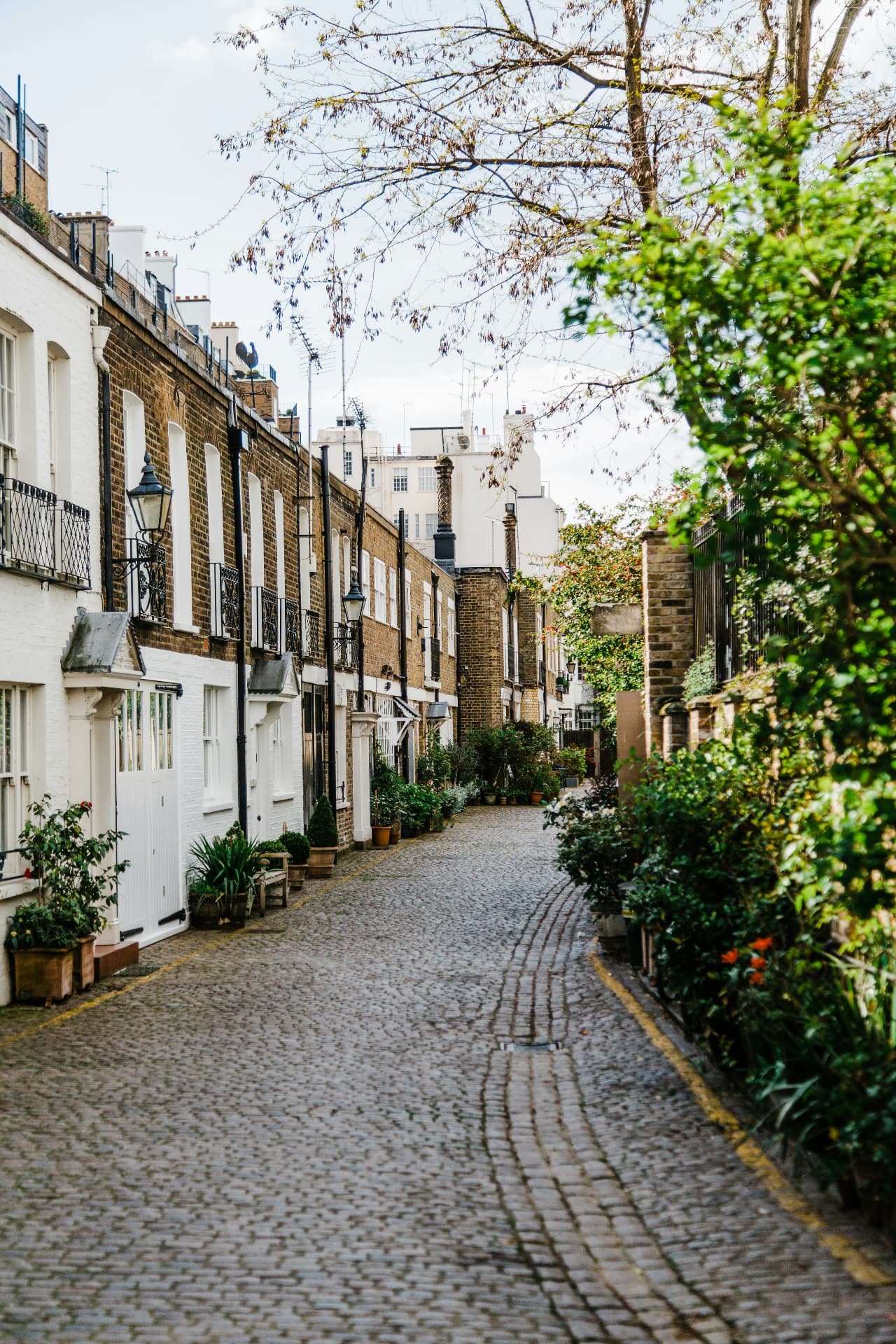
Living in Barnes means embracing a rare combination of village intimacy and metropolitan convenience. Tucked into a loop of the Thames in southwest London, this SW13 enclave has long attracted families, professionals and creatives who value its tree-lined streets, independent retailers and strong community spirit. Our team at Seymont London has watched Barnes evolve while retaining the character that makes it one of the capital's most sought-after neighbourhoods. From the weekly farmers' market on Barnes Green to the wetland reserve that borders the Common, life here unfolds at a gentler pace without sacrificing access to central London.
What Is Barnes Like? Character and Community
Barnes reveals itself as a place where Georgian and Victorian architecture frames a village heart. The High Street curves gently past family-run butchers, fishmongers and delicatessens, while the pond on Barnes Green remains the natural gathering point for locals walking dogs, pushing prams or simply pausing between errands. Independent cafés and wine bars outnumber chain outlets, creating a streetscape that feels personal rather than corporate.
The riverside walk along the Thames Path draws residents year-round, whether for morning runs, evening strolls or weekend family outings. From the Terrace, views extend across the water towards Chiswick and the Wetland Centre, a 105-acre nature reserve managed by the Wildfowl & Wetlands Trust. Herons, kingfishers and seasonal migrants share the space with school groups and birdwatchers, offering a counterpoint to urban intensity.
Community institutions anchor the social calendar. The Olympic Studios cinema occupies the building where The Beatles and The Rolling Stones once recorded, now screening arthouse films alongside blockbusters. Barnes Farmers' Market convenes every Saturday morning, bringing organic producers and artisan bakers to the Horne Way car park. Local schools enjoy strong reputations, and competition for places—particularly at the primary level—reflects the neighbourhood's appeal to families.
This village atmosphere coexists with cosmopolitan sophistication. Residents might browse antiquarian books one afternoon and attend a contemporary art exhibition the next, dine at a Michelin-recommended restaurant or settle into a historic pub with Thames views. What is Barnes like in daily life? It's this balance between the unhurried and the cultured that defines the experience.
The Barnes Lifestyle: Green Spaces and Culture
The Barnes lifestyle revolves around outdoor access and cultural engagement. Barnes Common extends over 120 acres of woodland, grassland and ponds—a Site of Special Scientific Interest that hosts dog walkers at dawn and cricket matches on summer afternoons. Runners trace routes beneath oak and hornbeam canopies, while families picnic near the treehouse play area on Vine Road.
Wetland Centre pathways meander past hides and observation towers, offering encounters with bitterns, otters and rare waterfowl within cycling distance of Hammersmith. Annual memberships transform the reserve into an extension of the garden for nearby residents, while seasonal events—from dawn chorus walks to winter wildfowl counts—deepen connections to the natural calendar.
Cultural life extends beyond the Olympic Studios. The Bull's Head pub has hosted live jazz since 1959, with nightly performances that have welcomed everyone from emerging talents to internationally recognised musicians. The Barnes Bookshop curates readings and signings, while the local library maintains active children's programming and community events.
Sporting tradition runs deep, from Barnes Rugby Club to the rowing clubs that line the riverbank. The annual University Boat Race passes directly along the Barnes bend each spring, drawing spectators to the towpath and pub gardens. Youth football, tennis clubs and weekly parkrun events ensure that active lifestyles remain accessible across generations. For those considering properties for sale in Barnes, this richness of outdoor and cultural amenities forms a significant part of the neighbourhood's enduring appeal.
Barnes Transport: Connections Across London
Barnes transport links balance the village's relative seclusion with practical access to central London and beyond. Barnes and Barnes Bridge stations provide National Rail services into Waterloo, with journey times typically between 20 and 25 minutes during peak hours. These South Western Railway routes also connect to Clapham Junction, enabling onward travel across the rail network.
No Underground stations serve Barnes directly—the District line terminates at Richmond and Wimbledon, both reachable by bus or bicycle. This absence contributes to the neighbourhood's quieter character, filtering out the footfall that Tube connectivity generates elsewhere. For residents who prioritise tranquillity over the fastest commute, the trade-off proves acceptable.
Bus routes compensate for the lack of Tube access. The 33 runs between Hammersmith and Richmond via Barnes High Street, while the 209 connects to Mortlake and Hammersmith, and the 485 serves Kingston and Putney. Night buses ensure late-evening mobility for those returning from central London or Heathrow.
Cyclists benefit from proximity to the Thames Path and National Cycle Network Route 4, which crosses Barnes Common en route to Hammersmith Bridge and beyond. Many residents cycle to Richmond Park or commute into Hammersmith and central London during milder months. Car ownership remains high, with the A316 and A205 South Circular providing road links, though parking restrictions apply across much of the residential core. For those exploring estate agents in Barnes, understanding these transport dynamics helps calibrate expectations around commuting patterns and lifestyle rhythms.
Talk to Seymont
What's your home worth?
A considered view on price, timing and how to bring your London home to market — a personal reply within 24 hours.
Your property
Step 1 of 2The Barnes Property Market: Investment and Value
According to HM Land Registry Price Paid Data, Barnes recorded 58 residential sales with a median price of £955,000 in the most recent reporting period. This headline figure masks considerable variation by property type, reflecting the neighbourhood's architectural diversity and the premium attached to larger homes.
Terraced houses formed the largest segment, with 26 transactions and a median price of £1,005,000. These Victorian and Edwardian properties—often featuring three or four bedrooms, original features and modest gardens—appeal to families seeking period character within the village core. Prices ranged from £564,550 to £1,950,000, with location, condition and garden size driving variation.
Flats accounted for 21 sales at a median of £650,000, spanning conversions in Victorian villas and purpose-built developments. Studios and one-bedroom apartments attract young professionals and downsizers, while larger two- and three-bedroom units serve families seeking more affordable entry points than houses provide. The range extended from £329,400 to £1,200,000, reflecting differences in size, specification and proximity to transport.
Semi-detached properties commanded a median of £2,650,000 across nine transactions, with prices between £875,000 and £3,250,000. Detached houses—just two sales—reached a median of £3,270,000, spanning £590,000 to £5,950,000. These larger homes often occupy generous plots near the Common or Terrace, offering privacy and garden space that justify significant premiums.
ONS rental data reveals strong demand across all sizes. Studios rent from £1,500 to £2,325 per month, while one-bedroom properties range from £1,975 to £3,075. Two-bedroom homes command £2,700 to £4,200, three bedrooms £3,600 to £5,600, and four bedrooms £4,800 to £7,475. Five-bedroom properties reach £6,275 to £9,825, reflecting scarcity and family demand. Our team at Seymont London observes that rental yields remain modest, indicating that buyers prioritise lifestyle and long-term capital appreciation over immediate income. For detailed insights, explore our dedicated [house prices in Barnes](/house-prices/barnes) analysis.
Shopping, Dining and Everyday Amenities
Daily life in Barnes unfolds around independent retailers and personal service. The High Street supports greengrocers, cheesemongers and butchers where staff greet regulars by name. Gail's Bakery and local coffee shops anchor morning routines, while the post office and pharmacy handle practical errands within a compact, walkable geography.
Restaurants span from neighbourhood bistros to destination dining. The Brown Dog and The Depot offer riverside settings and seasonal menus, while Riva and Sonny's Kitchen bring Italian and modern British cooking to intimate settings. Pubs—The Red Lion, The Sun Inn, The Coach and Horses—retain traditional character alongside rotating guest ales and hearth fires in winter.
Boutique fashion, homewares and interiors shops cluster along Church Road and the High Street, catering to tastes that favour curation over mass retail. When broader choice beckons, Hammersmith, Richmond and Putney lie within short bus or taxi rides, each bringing larger supermarkets, high-street chains and shopping centres.
Schools form a cornerstone of family life. Barnes Primary, Lowther Primary and The Harrodian School attract competitive applications, while nearby Richmond and Putney expand secondary options. Nurseries and pre-schools proliferate, reflecting the neighbourhood's demographics. For families weighing a move, browsing [property for sale in Barnes](/property-for-sale/barnes) alongside school catchment maps proves essential groundwork.
Is Barnes Right for You?
Choosing Barnes means prioritising village cohesion and green space over nightlife intensity or cutting-edge cultural experimentation. The neighbourhood suits those who value independent shops, strong schools and riverside walks more than late-night venues or Tube-map centrality. Families, established professionals and empty-nesters form the demographic core, drawn by safety, community and quality of life.
The property premium reflects these qualities. Buyers should approach Barnes prepared for prices that exceed many neighbouring areas, justified by scarcity, architectural heritage and environmental amenity. Renters likewise face costs at the higher end of London's spectrum, though many regard the expense as worthwhile for the lifestyle delivered.
Commuting requires acceptance of National Rail dependency and longer journey times than Tube-connected zones offer. For those whose work patterns allow flexibility—hybrid schedules, off-peak travel or home-based roles—the trade-off diminishes. For others, the daily Waterloo shuttle becomes routine, offset by returning each evening to tree-lined streets and Thames views.
Our team welcomes conversations with anyone considering Barnes, whether you're exploring [estate agents in Barnes](/estate-agents/barnes) for the first time or ready to instruct on a sale or letting. We bring local knowledge, market insight and a commitment to navigating transactions with clarity and professionalism. Visit our [let your property in Barnes](/let-your-property/barnes) page to understand landlord services, or reach out to discuss your specific circumstances. Living in Barnes rewards those who seek a gentler pace without forfeiting London's opportunities—a balance that defines this corner of SW13.
Talk to Seymont
What's your home worth?
A considered view on price, timing and how to bring your London home to market — a personal reply within 24 hours.
Your property
Step 1 of 2About the author
Amara BennettProperty Market Analyst
Amara spent seven years as a market analyst at Kestrel Lane Research, a small London property consultancy, before joining our editorial desk. She reads sold-price and rental data street by street to explain how individual London postcode districts actually behave, and reviews every price figure we publish. Her focus is separating headline national averages from what a specific address is worth today.
MSc Real Estate Economics · Seven years in property market research
- Valuations
- Local market data
- Sold prices
- Pricing strategy
Frequently asked
- Is Barnes well connected for commuting into central London?
- Barnes and Barnes Bridge stations offer National Rail services to Waterloo in 20–25 minutes, with connections at Clapham Junction for wider destinations. While Barnes has no direct Underground access, bus routes link to Hammersmith, Richmond and surrounding areas. Many residents accept slightly longer commutes in exchange for the village atmosphere and green spaces.
- What is the property market like in Barnes?
- HM Land Registry data shows a median sale price of £955,000 across 58 recent transactions. Terraced houses averaged £1,005,000, flats £650,000, semi-detached homes £2,650,000 and detached properties £3,270,000. Rental demand remains strong, with two-bedroom properties typically ranging from £2,700 to £4,200 per month according to ONS figures.
- What makes the Barnes lifestyle appealing to families?
- Families value Barnes for its strong primary schools, 120-acre Common, Wetland Centre access and safe, walkable streets. Independent shops, weekend farmers' markets and community events foster a village feel, while the riverside and parks provide outdoor space. Cultural venues like the Olympic Studios cinema and live music at The Bull's Head add variety.
- Are there good green spaces and outdoor activities in Barnes?
- Barnes Common offers 120 acres of woodland and grassland designated as a Site of Special Scientific Interest, hosting walkers, runners and cricket. The Wetland Centre provides 105 acres of managed habitats for birdwatching and nature walks. The Thames Path runs along the riverside, popular for cycling, jogging and family outings year-round.
- How does Barnes compare to neighbouring areas like Richmond or Putney?
- Barnes offers a quieter, more villagey character than bustling Richmond or Putney, with fewer chain stores and no Underground station. Property prices tend to be higher than Putney but comparable to parts of Richmond. Barnes emphasises green space, community and independent retail, appealing to those seeking a slower pace while remaining within London.