Journal
Living in Angel: Your Complete Area Guide
Written by Amara Bennett · Property Market Analyst
Published 30 December 2025 · Updated 5 February 2026 · 6 min read
The short answer
Living in Angel places you at the heart of one of North London's most sought-after neighbourhoods, where Georgian elegance meets contemporary urban energy. Straddling the border between Islington and Clerkenwell, this distinctive enclave has evolved from a historic crossroads into a thriving residential quarter that attracts discerning buyers and renters alike.
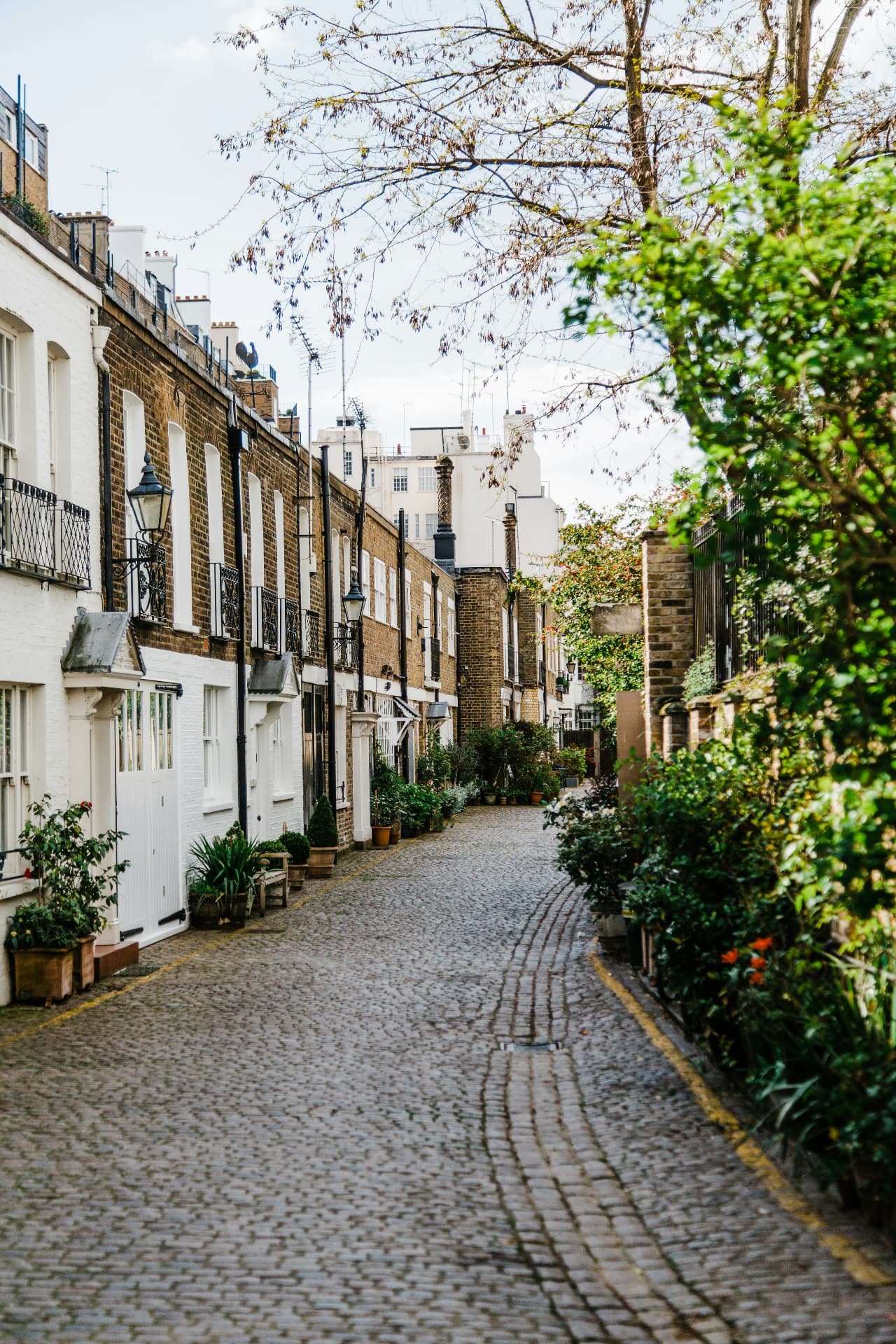
Living in Angel places you at the heart of one of North London's most sought-after neighbourhoods, where Georgian elegance meets contemporary urban energy. Straddling the border between Islington and Clerkenwell, this distinctive enclave has evolved from a historic crossroads into a thriving residential quarter that attracts discerning buyers and renters alike. Our team has watched Angel transform over the years into a destination that balances village-like charm with metropolitan convenience, offering an enviable lifestyle just minutes from the City. Whether you're searching for a characterful conversion or a modern apartment, Angel's diverse property landscape rewards those seeking authenticity alongside excellent connectivity.
What Is Angel Like? The Character of the Neighbourhood
Angel radiates a confident, creative energy that distinguishes it from neighbouring Islington proper. The area takes its name from the Angel Inn, a coaching house that once stood at the junction where City Road meets Pentonville Road and Upper Street, and this historic crossroads remains the neighbourhood's beating heart. Today's Angel is defined by its handsome Victorian and Georgian terraces, many converted into spacious flats that retain original features whilst offering modern living standards.
Upper Street forms the neighbourhood's spine, a bustling thoroughfare lined with independent boutiques, acclaimed restaurants, and cultural venues including the celebrated Almeida Theatre. Side streets reveal quieter residential pockets where tree-lined roads and garden squares provide respite from the main drag. The juxtaposition of lively commercial arteries and peaceful residential streets creates a balanced environment that appeals to professionals, families, and creatives in equal measure.
The demographic here skews young professional, with a substantial creative class drawn to the area's artistic heritage and proximity to King's Cross and the City. Weekend mornings see Upper Street's cafés filled with residents catching up over brunch, whilst Camden Passage's antique market attracts browsers hunting for vintage treasures. This is a neighbourhood where independent businesses thrive, giving Angel a distinct character that resists the homogenisation affecting many London districts.
Our team regularly guides clients through Angel's various micro-neighbourhoods, each with subtle distinctions. The streets closer to Islington Green offer grander Georgian architecture, whilst areas bordering Clerkenwell present more industrial conversions and warehouse-style developments that appeal to those seeking contemporary design.
Angel Lifestyle: Dining, Culture and Green Spaces
The Angel lifestyle revolves around an exceptional concentration of dining and entertainment options rarely matched outside central London. Upper Street alone hosts over fifty restaurants representing cuisines from modern British to Japanese, Turkish to Italian. The neighbourhood has nurtured several establishments that have become London-wide destinations, whilst maintaining room for new openings that keep the culinary scene dynamic and forward-thinking.
Cultural offerings extend well beyond dining. The Almeida Theatre on Almeida Street punches above its weight as one of London's most respected venues, staging productions that regularly transfer to the West End. The Screen on the Green, one of Britain's oldest cinemas, provides art-house programming in a beautifully restored auditorium. For those seeking contemporary performance, Sadler's Wells sits just beyond Angel's southern edge, making world-class dance accessible on your doorstep.
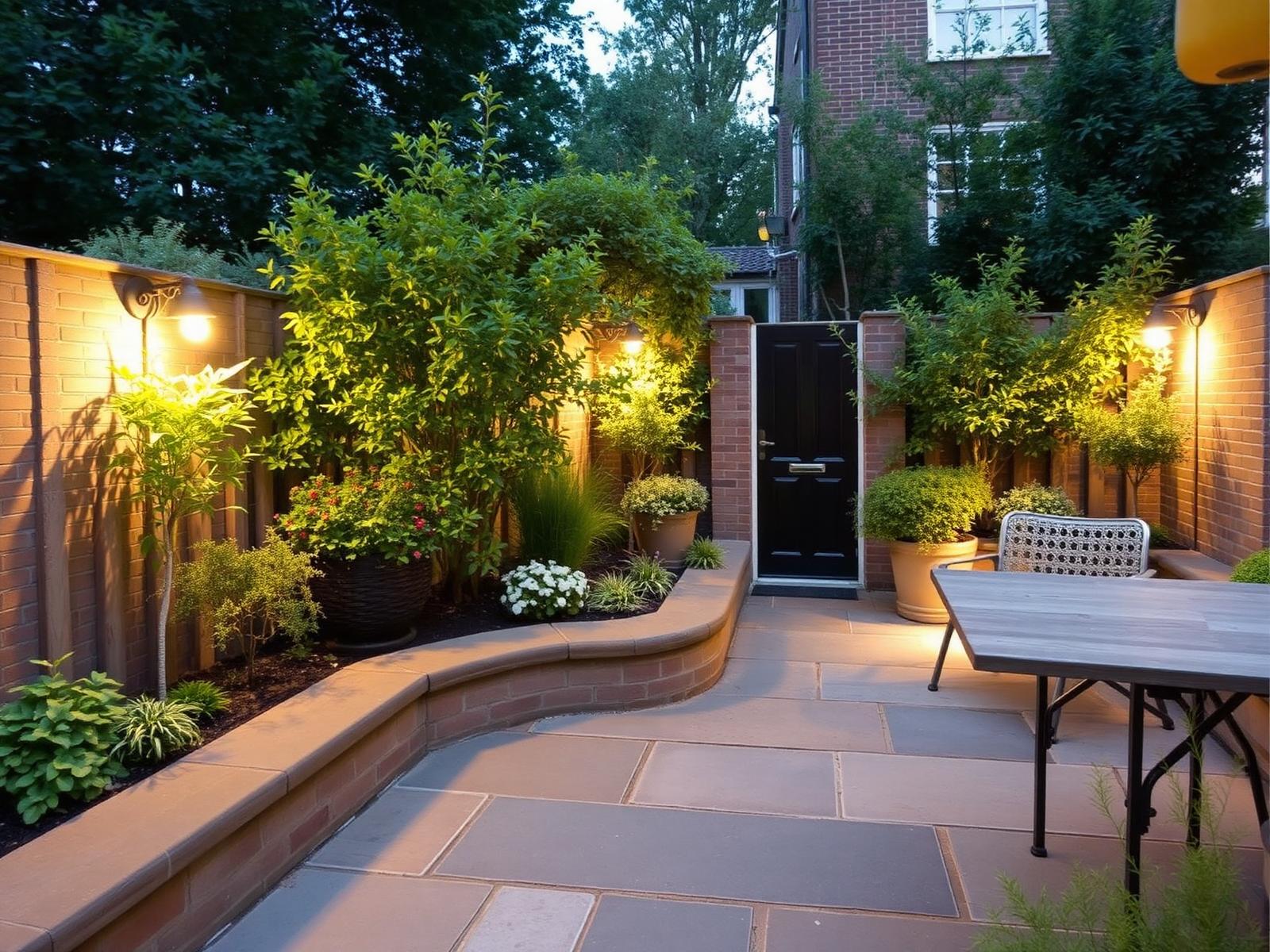
Green space requires a short journey, as Angel itself prioritises urban density over parks. Residents typically head to Islington's garden squares—many accessible only to keyholders—or walk fifteen minutes to Regent's Canal, where the towpath offers peaceful routes towards King's Cross or Hackney. Some venture north to Highbury Fields when seeking more expansive parkland for weekend recreation.
The retail landscape balances chain convenience with independent character. Camden Passage provides antiques, vintage fashion, and artisan food, whilst Chapel Market offers traditional fruit-and-veg alongside international grocers. The area supports several well-stocked supermarkets for everyday needs, meaning residents rarely need to venture elsewhere for essentials.
Angel Transport: Connectivity Across the Capital
Angel transport connections rank amongst the finest in North London, a factor that significantly influences the area's enduring popularity with professionals. Angel Underground station sits on the Northern line, providing direct access to the City (Bank in seven minutes), the West End (Tottenham Court Road in six minutes), and connections southward via London Bridge to destinations across South London.
The station itself underwent significant enhancement, and whilst the famously long escalator remains a talking point, journey times to central locations make the descent worthwhile. Peak-time frequency on the Northern line means waits rarely exceed two to three minutes, a luxury that streamlines morning commutes and spontaneous evening plans alike.
Bus routes radiating from Angel provide comprehensive coverage across the capital. Routes 4, 19, 30, 38, 43, 56, 73, 341 and 476 connect the area to destinations from Archway to Clapham Junction, Hackney to Hammersmith. This bus network proves particularly valuable for cross-London journeys that don't align neatly with tube lines, offering flexibility that tube-only areas cannot match.
Cycling infrastructure has improved considerably, with dedicated lanes along many approach roads and the Regent's Canal towpath offering a traffic-free route for confident cyclists. King's Cross St Pancras, a twelve-minute cycle or short bus ride away, opens up national and international rail connections, placing Paris closer than many British cities. For those seeking property with excellent connectivity, we regularly showcase homes within easy reach of these transport hubs at our [Angel property listings](/property-for-sale/angel).
Talk to Seymont
What's your home worth?
A considered view on price, timing and how to bring your London home to market — a personal reply within 24 hours.
Your property
Step 1 of 2The Property Market: What to Expect When Buying or Renting
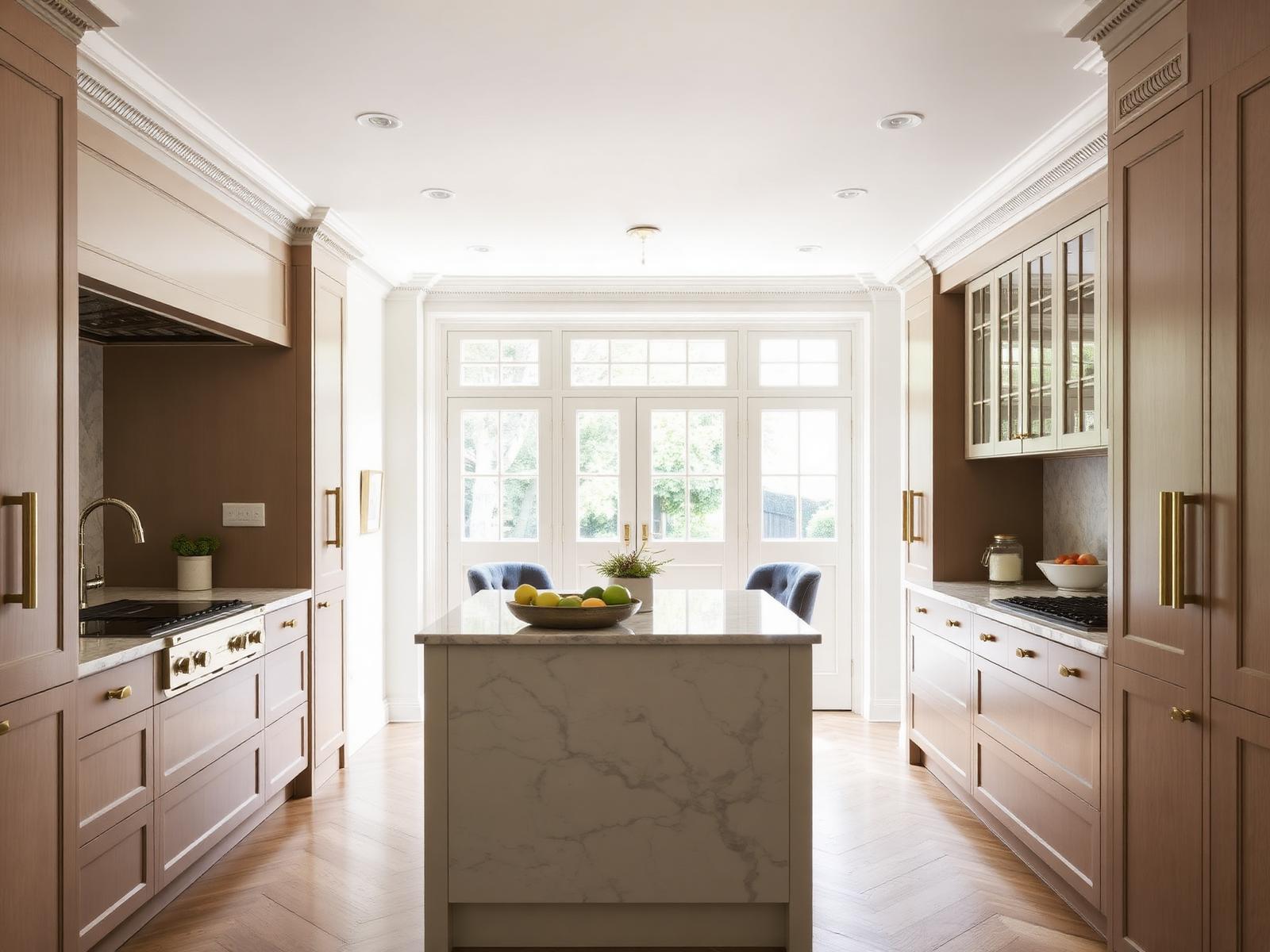
Angel's property landscape reflects its evolution from working-class Victorian quarter to sought-after professional neighbourhood. Conversion flats within handsome period buildings dominate the market, typically offering high ceilings, generous room proportions, and characterful details that appeal to those prioritising architectural interest. Purpose-built mansion blocks from the Edwardian and inter-war periods provide another substantial segment, often featuring portered entrances and well-maintained communal areas.
Contemporary developments have appeared selectively, generally concentrated near the periphery where former industrial sites permitted new-build schemes. These modern apartments attract buyers seeking turnkey convenience, integrated amenities, and the warranties that period properties cannot offer. The contrast between sleek new-build and characterful conversion creates diversity that accommodates different lifestyle preferences and budgets.
Whilst we cannot provide current market data for this specific postcode area, our experience across Islington indicates sustained demand driven by Angel's combination of location, lifestyle, and transport connectivity. Those exploring [house prices in Angel](/house-prices/angel) will find that the neighbourhood commands a premium reflecting these attributes, with pricing influenced by factors including ceiling height, outside space, and proximity to the Underground station.
The rental market remains equally robust, with professionals and corporate tenants seeking quality accommodation close to the City and West End. We regularly assist landlords in [letting properties in Angel](/let-your-property/angel), where well-presented flats rarely remain vacant for extended periods. The area's appeal to international professionals and relocated workers ensures consistent tenant demand across the year.
Living in Angel: Is It Right for You?
Angel suits those who prioritise urban convenience and cultural richness over suburban tranquillity. If your ideal weekend involves browsing independent shops, trying new restaurants, and catching theatre or cinema on a whim, the neighbourhood delivers abundantly. The lifestyle here assumes comfort with density, noise, and the perpetual activity that defines inner London living.
Families do establish themselves in Angel, though they typically seek properties on quieter residential streets and accept that gardens remain rare and highly prized. The local primary schools attract committed parents, and the neighbourhood's walkability means daily errands rarely require a car. However, families with multiple children often eventually gravitate toward areas offering more space and greenery as priorities shift.
Professionals working in the City, King's Cross, or West End find Angel's transport links transformative, converting commutes that might elsewhere consume ninety minutes into twenty-minute journeys. This time dividend allows for gym sessions before work, impromptu after-work drinks, or simply more evening hours at home—quality-of-life improvements that justify the area's property premium for many residents.
Our team at [Seymont's Angel estate agents](/estate-agents/angel) brings comprehensive local knowledge to every property search, whether you're buying your first flat or adding to an investment portfolio. We understand the nuances between Angel's various streets and building types, helping match properties to individual requirements rather than presenting generic options. Living in Angel offers a distinctive London experience—vibrant, connected, and unapologetically urban—that continues attracting those seeking the capital at its most dynamic.
Talk to Seymont
What's your home worth?
A considered view on price, timing and how to bring your London home to market — a personal reply within 24 hours.
Your property
Step 1 of 2About the author
Amara BennettProperty Market Analyst
Amara spent seven years as a market analyst at Kestrel Lane Research, a small London property consultancy, before joining our editorial desk. She reads sold-price and rental data street by street to explain how individual London postcode districts actually behave, and reviews every price figure we publish. Her focus is separating headline national averages from what a specific address is worth today.
MSc Real Estate Economics · Seven years in property market research
- Valuations
- Local market data
- Sold prices
- Pricing strategy
Frequently asked
- Is Angel a good area to live in London?
- Angel ranks amongst North London's most desirable neighbourhoods, offering exceptional transport links via the Northern line, a vibrant cultural scene including the Almeida Theatre, and diverse dining options along Upper Street. The area suits professionals and those seeking urban convenience, though families should note that gardens and green spaces are limited compared to outer London areas.
- How long does it take to commute from Angel to central London?
- Angel station on the Northern line reaches Bank in approximately seven minutes and Tottenham Court Road in six minutes, making commutes to the City and West End exceptionally quick. King's Cross St Pancras is accessible within twelve minutes by bus or bicycle, providing national and international rail connections.
- What is the lifestyle like in Angel?
- Angel lifestyle centres on a rich cultural offering including acclaimed restaurants, independent shops along Camden Passage, historic pubs, the Almeida Theatre, and Screen on the Green cinema. The neighbourhood attracts creative professionals and offers a village-like community atmosphere despite its urban density and proximity to central London.
- Are there parks and green spaces in Angel?
- Angel itself is urban and park-poor, with most green space consisting of small garden squares (often restricted to keyholders). Residents typically walk fifteen minutes to Regent's Canal for waterside paths, head north to Highbury Fields for larger parkland, or access Islington's various garden squares depending on proximity.
- What types of property are available in Angel?
- Angel's property market predominantly features Victorian and Georgian conversion flats with period character, alongside Edwardian mansion blocks and selective modern developments. Properties range from studio flats to larger family-sized conversions, with period features, high ceilings, and proximity to transport commanding premium pricing.