Journal
Letting agent Marylebone: Letting a Property in Marylebone
Written by Thomas Lindqvist · Mortgage & Financing Specialist
Published 9 November 2025 · Updated 26 February 2026 · 6 min read
The short answer
Marylebone stands as one of London's most sought-after residential addresses, where Georgian elegance meets contemporary village charm. For landlords considering letting a property in this distinguished W1 enclave, the opportunity to attract discerning tenants willing to pay premium rents is exceptional.
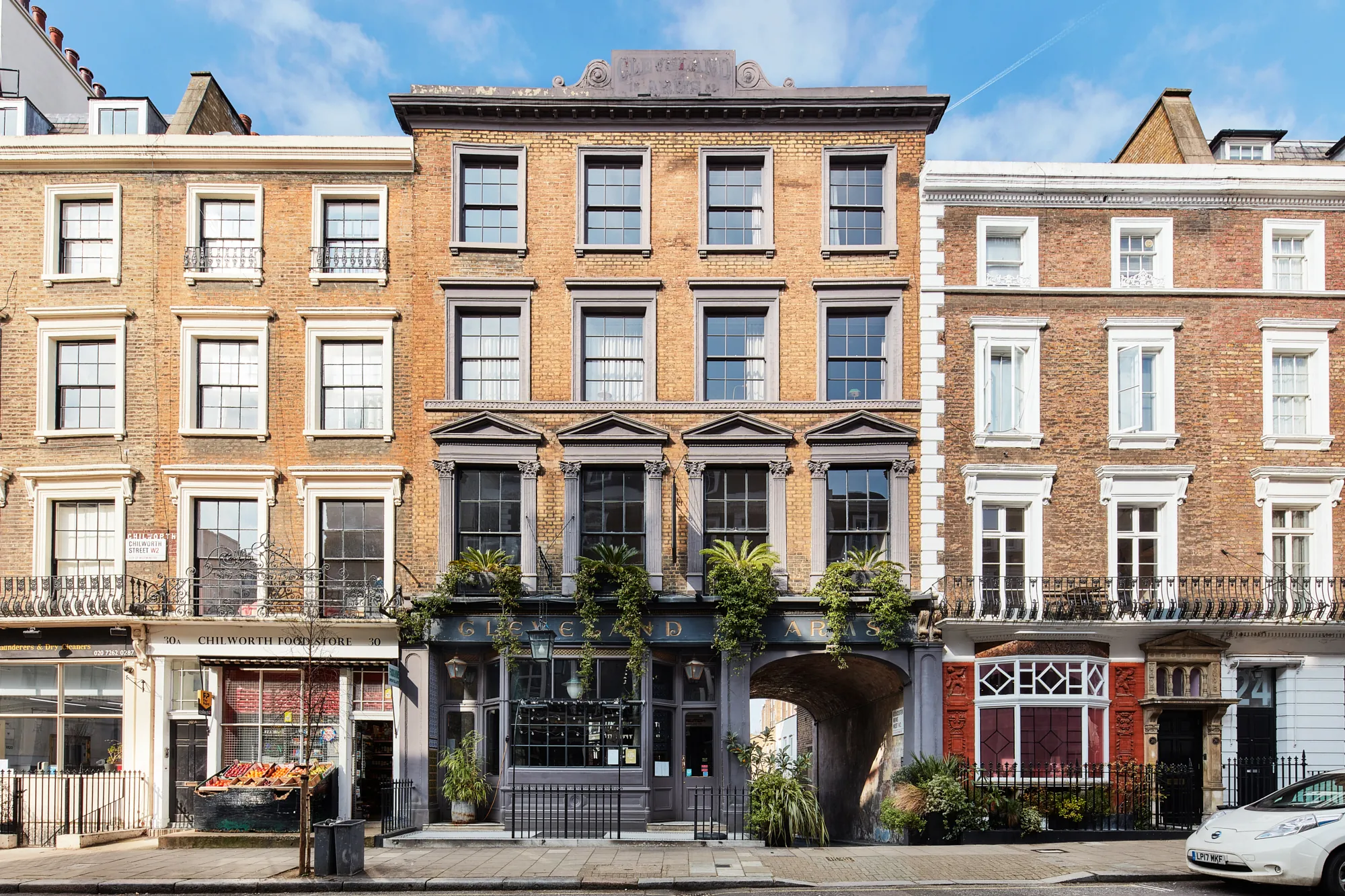
Marylebone stands as one of London's most sought-after residential addresses, where Georgian elegance meets contemporary village charm. For landlords considering letting a property in this distinguished W1 enclave, the opportunity to attract discerning tenants willing to pay premium rents is exceptional. Working with an experienced letting agent Marylebone who understands the nuances of this unique market can make the difference between achieving optimal returns and leaving value on the table. Our team has supported landlords across Marylebone for years, and we've developed an intimate understanding of what makes properties here perform. This guide draws on recent market data and our direct experience to help you navigate the letting process successfully.
Understanding the Marylebone Rental Market
The rental landscape in Marylebone reflects the area's status as one of central London's most refined neighbourhoods. According to ONS rental data, studio apartments command monthly rents between £1,550 and £2,425, whilst one-bedroom flats typically achieve £2,050 to £3,200. Two-bedroom properties attract £2,800 to £4,350, and at the upper end, five-bedroom homes can secure between £6,500 and £10,150 per calendar month.
These figures position Marylebone firmly within London's premium rental tier, but the headline numbers only tell part of the story. Properties within walking distance of Marylebone High Street consistently outperform those on secondary roads, whilst period features, outside space, and modern specifications all command meaningful premiums. HM Land Registry data shows 66 sales in recent months with a median price of £995,000, demonstrating the calibre of housing stock that landlords are bringing to the lettings market.
Tenant demand remains robust year-round, driven by professionals working in the West End, Mayfair and the City, alongside international executives who value Marylebone's village atmosphere and excellent transport links. The demographic typically seeks longer tenancies and expects impeccable presentation, making property condition and responsive management non-negotiable elements of success.
Our experience shows that well-presented apartments in mansion blocks along the area's elegant residential streets let fastest, often securing tenants before they even reach the major portals. This is where local expertise becomes invaluable – a letting agent who knows which buildings hold particular appeal and how to position your property accordingly.
Preparing Your Marylebone Property for Letting
First impressions matter enormously when letting a flat in Marylebone, where tenants have refined expectations shaped by the neighbourhood itself. We recommend landlords view their property through the lens of someone choosing to live amid the area's independent boutiques, Michelin-regarded restaurants, and the distinctive character of Marylebone High Street. The property should feel worthy of its postcode.
Neutral, contemporary decoration typically yields the strongest results, allowing tenants to envision their own lifestyle within the space. Period properties benefit from sympathetic restoration that honours original features – cornicing, sash windows, fireplaces – whilst incorporating modern conveniences that today's renters expect. Kitchens and bathrooms warrant particular attention; dated fittings in these rooms can significantly impact achievable rent and time to let.
Energy efficiency has moved from nice-to-have to essential, both for regulatory compliance and tenant appeal. With minimum EPC requirements tightening, we advise landlords to address any deficiencies proactively. Properties with EPC ratings of C or above not only meet current standards but also appeal to environmentally conscious tenants and can justify higher rents through reduced utility costs.
Professional photography and floor plans are non-negotiable in this market. Tenants searching for properties in Marylebone typically begin their journey online, often from overseas or other parts of the UK. High-quality imagery that captures both the property's character and the lifestyle it offers dramatically increases viewing requests and, ultimately, the quality of tenant applications.

Choosing the Right Marylebone Property Management Approach
Once your property is tenant-occupied, the quality of ongoing management directly impacts tenant retention, property condition, and your peace of mind as a landlord. Marylebone property management requires a particularly deft touch given the expectations of both tenants and the broader neighbourhood standards.
Full property management typically makes most sense for landlords who live abroad, work demanding schedules, or own multiple properties. This comprehensive service covers tenant communication, maintenance coordination, rent collection, compliance obligations, and regular property inspections. For properties in Marylebone, where tenants expect rapid responses to any issues and properties themselves often require specialist contractors familiar with period buildings, professional management proves its worth repeatedly.
Tenant-find or let-only services suit landlords who prefer hands-on involvement and have the time to manage tenant relationships directly. This approach reduces ongoing costs but requires you to handle everything from boiler breakdowns to lease renewals personally. In our experience, this works best for landlords who live locally – perhaps elsewhere in London – and have a single property rather than a portfolio.
The regulatory landscape for landlords continues to evolve, with obligations spanning safety certificates, deposit protection, immigration checks, and energy performance standards. A letting agent with deep Marylebone expertise maintains relationships with trusted contractors who understand the specific requirements of the area's building stock, from listed Georgian townhouses to purpose-built mansion blocks.
Regular property inspections serve multiple purposes: they protect your asset, provide early warning of maintenance issues, ensure tenants are meeting their obligations, and demonstrate your commitment to maintaining the property to the standard Marylebone residents expect. We typically recommend quarterly inspections, though this can be adjusted based on property type and tenancy length.
Talk to Seymont
What's your home worth?
A considered view on price, timing and how to bring your London home to market — a personal reply within 24 hours.
Your property
Step 1 of 2Maximising Rental Yield as a Landlord in Marylebone
Achieving optimal returns requires more than simply setting competitive rent. Strategic landlords in Marylebone think carefully about timing, presentation, and the value-added services that justify premium pricing.
Seasonal patterns influence the Marylebone rental market, though less dramatically than in student-heavy areas. Demand typically peaks in September and January, when corporate relocations and job changes drive tenant movement. Listing your property six to eight weeks ahead of these periods positions you to capture maximum interest. Conversely, the summer months and December often see softer demand, potentially requiring pricing flexibility or longer marketing periods.
Furnishing decisions significantly impact your potential tenant pool and achievable rent. Unfurnished properties appeal to long-term tenants planning to settle for several years, whilst furnished and part-furnished options attract corporate tenants, international professionals on fixed-term contracts, and those seeking turnkey convenience. In Marylebone, high-quality furnished properties can command 10-15% premiums over unfurnished equivalents, though this requires investment in durable, stylish furniture that withstands tenant use.
Value-added amenities increasingly differentiate properties in competitive markets. High-speed internet, smart home features, bicycle storage, and access to communal gardens or gyms all resonate with Marylebone's demographic. Even small touches – a Nespresso machine, quality bed linen, Netflix subscription – can influence tenant choice when comparing similar properties.
Lease length negotiation offers another lever for optimisation. Whilst standard twelve-month assured shorthold tenancies remain common, offering initial eighteen or twenty-four-month terms can reduce void periods and turnover costs. Many professional tenants in Marylebone actively seek longer-term stability and may accept slightly higher rents in exchange for security of tenure. Our approach involves understanding each tenant's circumstances and finding terms that serve both parties' interests.

Why Local Expertise Matters When Letting in Marylebone
Marylebone's rental market operates according to its own distinctive logic, shaped by the area's unique character, tenant demographics, and competitive landscape. Generic lettings advice rarely translates effectively to this particular W1 micromarket.
Hyper-local knowledge encompasses understanding which streets and buildings command premiums, how proximity to Marylebone Station versus Marylebone High Street influences appeal, and which period features resonate most strongly with tenants. It means knowing that the independent shops, cafes, and pubs around Chiltern Street create a different tenant profile than properties near Baker Street's busier commercial thoroughfare.
Established relationships within the Marylebone community prove invaluable when lettings challenges arise. Whether you need a contractor who understands listed building consents, a solicitor experienced with complex lease extensions, or simply recommendations for tenant-friendly restaurants and services, local networks smooth countless processes.
Market positioning requires understanding not just your property but also what else tenants are considering. Recent HM Land Registry data shows median flat sales prices of £838,750 in Marylebone, with transactions ranging from £242,000 to £5,750,000, illustrating the extraordinary diversity of housing stock. Your letting agent should understand precisely where your property sits within this spectrum and how to communicate its specific advantages.
For landlords comparing services, we encourage you to explore our dedicated resources on [letting your property in Marylebone](/let-your-property/marylebone) and to review current [properties for sale in Marylebone](/property-for-sale/marylebone) to understand the area's evolving landscape. Our [house prices analysis](/house-prices/marylebone) provides additional context on capital values that inform rental positioning, whilst our [Marylebone estate agents](/estate-agents/marylebone) page details our specific local presence.
Talk to Seymont
What's your home worth?
A considered view on price, timing and how to bring your London home to market — a personal reply within 24 hours.
Your property
Step 1 of 2About the author
Thomas LindqvistMortgage & Financing Specialist
Thomas advised buyers for a decade at Ashgrove Financial, an independent brokerage, on borrowing capacity, product selection and the full cost of a purchase, including stamp duty, legal fees and lender charges. He follows rate decisions and lender criteria changes and translates them into what a household can realistically afford. His guides cover affordability, remortgaging and the closing costs that buyers routinely underestimate.
CeMAP qualified · Whole-of-market mortgage advice background
- Mortgages
- Affordability
- Closing costs
- Remortgaging
Frequently asked
- What rental yield can landlords expect in Marylebone?
- Gross rental yields in Marylebone typically range from 3% to 4.5%, lower than some London areas due to high property values but offset by exceptional capital appreciation potential, tenant quality, and low void periods. A one-bedroom flat purchased at the median £838,750 achieving £2,600 monthly rent would yield approximately 3.7% gross. Yields vary significantly based on property type, condition, and exact location, with those near Marylebone High Street often commanding premium rents relative to purchase price.
- How long does it typically take to let a property in Marylebone?
- Well-presented properties priced correctly typically secure tenants within two to four weeks in Marylebone. Prime period conversions and modern apartments in desirable mansion blocks near Marylebone Station or Marylebone High Street often let within days of marketing, occasionally with multiple applicants. Properties requiring cosmetic updates, those priced above market rates, or located on less desirable streets may take six to eight weeks. Seasonal factors influence timelines, with September and January seeing fastest lettings.
- What are the most important factors for tenants looking in Marylebone?
- Tenants prioritise location relative to Marylebone High Street, transport links, property condition, and period character. Proximity to the area's independent restaurants, cafes, pubs, and shops significantly influences appeal – many specifically choose Marylebone for its village atmosphere. Natural light, outside space (even small balconies), and modern kitchens/bathrooms rank highly. Professional tenants also value high-speed internet, secure bicycle storage, and buildings with strong management. The demographic tends to be less price-sensitive than in other areas, prioritising quality and location above absolute cost.
- Should I offer my Marylebone property furnished or unfurnished?
- This depends on your target tenant and investment horizon. Furnished properties attract corporate tenants, international professionals, and those seeking immediate move-in convenience, often commanding 10-15% rent premiums and letting faster. Unfurnished properties appeal to longer-term tenants planning to settle for multiple years, potentially reducing turnover costs. In Marylebone's professional market, high-quality furnished or part-furnished options typically perform strongest, though the furniture must be contemporary and durable rather than budget-oriented.
- What makes Marylebone different from other central London rental markets?
- Marylebone combines village atmosphere with Zone 1 connectivity, attracting tenants who could afford Mayfair or Knightsbridge but prefer the area's independent character, Marylebone High Street's boutique shops and restaurants, and strong community feel. The demographic skews toward established professionals, creatives, and international executives rather than young sharers. This results in longer average tenancies, higher expectations regarding property presentation and management responsiveness, and premium rents justified by lifestyle rather than square footage alone. The area's period architecture and conservation areas also require specialist knowledge for compliance and maintenance.