Journal
Letting agent Hampstead: Letting a Property in Hampstead
Written by Amara Bennett · Property Market Analyst
Published 16 February 2026 · Updated 10 August 2026 · 7 min read
The short answer
Hampstead has long commanded a unique position in London's lettings market, attracting discerning tenants drawn to its village atmosphere, cultural heritage and sweeping Heath views. For landlords considering letting a property in Hampstead, understanding the nuances of this distinctive postcode is essential to achieving strong yields and securing high-quality tenants.
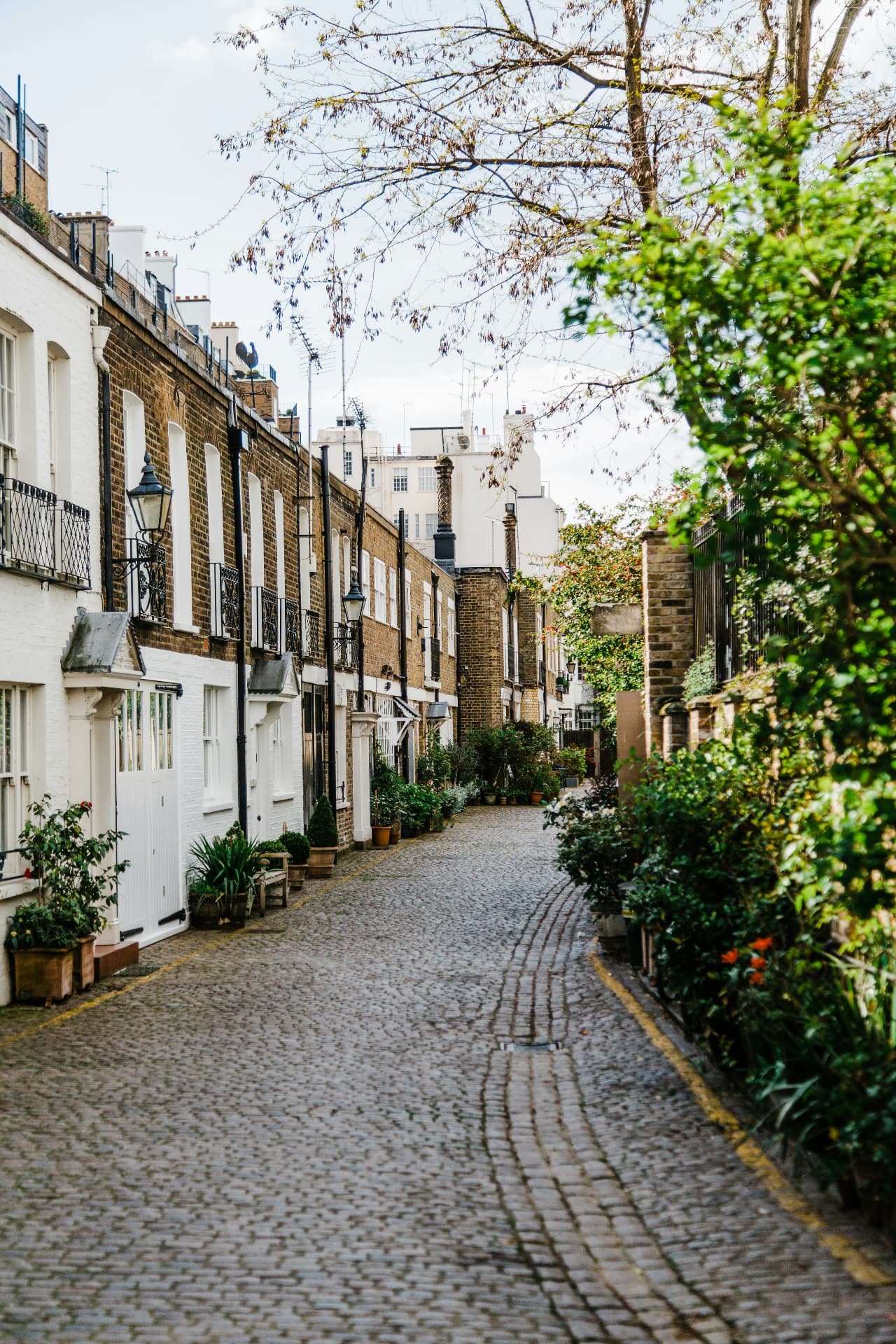
Hampstead has long commanded a unique position in London's lettings market, attracting discerning tenants drawn to its village atmosphere, cultural heritage and sweeping Heath views. For landlords considering letting a property in Hampstead, understanding the nuances of this distinctive postcode is essential to achieving strong yields and securing high-quality tenants. Our team at Seymont London works with landlords across NW3 and NW6, and we've prepared this comprehensive guide to help you navigate the opportunities and obligations of becoming a landlord in Hampstead. Whether you own a studio flat near Hampstead Village or a family home bordering the Heath, the right strategy—and the right letting agent in Hampstead—can make all the difference.
Understanding Hampstead's Rental Market
Hampstead's rental market reflects its status as one of London's most prestigious residential areas. According to ONS data, monthly rents range from £1,325–£2,075 for studio flats, rising to £5,550–£8,675 for five-bedroom properties and above. The majority of rental stock comprises flats, mirroring the sales market where HM Land Registry data shows 129 of 168 recorded transactions were flats, with a median price of £750,000.
Tenant demand in Hampstead remains consistently strong across multiple demographics. Young professionals seek one and two-bedroom flats in West Hampstead and South Hampstead, attracted by excellent transport links via the Jubilee, Overground and Thameslink services. Families gravitate towards larger homes near Hampstead School and the Village, prioritising proximity to outstanding state and independent schools. International executives on corporate relocations represent another significant segment, often seeking furnished properties with flexible lease terms.
The Heath itself acts as Hampstead's defining amenity, adding a premium to properties with views or immediate access. Flats to rent in Hampstead that overlook the 790 acres of ancient parkland command the highest rents per square foot, whilst even properties within a short walk benefit from the area's green credentials. Understanding which tenant profile your property appeals to—and pricing accordingly—forms the foundation of a successful lettings strategy.
Compliance and Legal Obligations for Hampstead Landlords
Letting a flat in Hampstead requires strict adherence to both national landlord legislation and Camden Council's specific requirements. All landlords must ensure their property meets the Homes (Fitness for Human Habitation) Act standards, maintain valid gas safety certificates, arrange annual electrical installation checks, and provide compliant Energy Performance Certificates—increasingly important as tenants prioritise energy efficiency in period conversions common throughout Hampstead.
Selective licensing applies to certain parts of Camden, and whilst Hampstead Village itself may not fall within these zones, landlords with property in West Hampstead or South Hampstead should verify their obligations. The consequences of non-compliance extend beyond fines; unlicensed landlords cannot serve Section 21 notices and may face rent repayment orders. Our team at Seymont London maintains comprehensive knowledge of Camden's evolving regulatory landscape and ensures every property we manage meets current standards.
Deposit protection remains a fundamental requirement. All assured shorthold tenancies require deposits to be protected in a government-approved scheme within 30 days, with prescribed information provided to tenants. Right to Rent checks must be completed before any tenancy begins, with landlords facing civil penalties for non-compliance. For landlords based overseas or managing multiple properties, partnering with a professional Hampstead property management service ensures these obligations are met consistently and documentation is maintained to the standards required should any dispute arise.

Preparing Your Hampstead Property for Letting
First impressions prove decisive in Hampstead's competitive lettings market. Prospective tenants viewing flats to rent in Hampstead typically have high expectations, shaped by the area's premium reputation. Properties should be presented in immaculate condition, with particular attention paid to kitchens and bathrooms—the spaces that most influence tenant decisions. Period features such as sash windows, cornicing and fireplaces should be highlighted and well-maintained, as these architectural details form part of Hampstead's appeal.
Furnishing decisions depend on your target tenant. Corporate relocators and international professionals typically prefer fully furnished properties with quality appliances, fast broadband and modern amenities. Conversely, young professionals and families often seek unfurnished or part-furnished options, allowing them to personalise their space for longer tenancies. We advise landlords to research comparable properties on the market and consider whether your street's character—be it the café culture near West Hampstead station or the tranquil streets around Hampstead Village—suggests a particular tenant profile.
Professional photography cannot be overstated. The majority of tenants begin their search online, and high-quality images showcasing your property's best features, natural light and location advantages significantly increase enquiry rates. Virtual tours have become standard for premium Hampstead properties, allowing international tenants to view remotely before committing to in-person viewings. Energy efficiency improvements—from LED lighting to improved insulation in loft conversions—not only reduce running costs for tenants but enhance your property's marketability as environmental concerns influence rental decisions.
Talk to Seymont
What's your home worth?
A considered view on price, timing and how to bring your London home to market — a personal reply within 24 hours.
Your property
Step 1 of 2Setting the Right Rent and Finding Quality Tenants
Accurate rental valuation balances maximising income against minimising void periods. According to HM Land Registry data, Hampstead's median property price stands at £846,750, reflecting capital values that demand corresponding rental returns. However, overpricing leads to extended void periods that quickly erode annual yields. Our approach involves analysing recent lettings on comparable properties, considering factors such as property condition, exact location relative to transport and the Heath, and current market dynamics.
For context, two-bedroom properties in Hampstead typically achieve £2,375–£3,725 per month, whilst four-bedroom family homes command £4,225–£6,600. These ranges reflect considerable variation based on specification and micro-location. A modern flat in a purpose-built development near West Hampstead station occupies a different market segment to a garden flat in a Victorian conversion near the Village, even if bedroom counts match. Seasonal factors also influence Hampstead lettings, with families preferring to move during school holidays and professionals often relocating in January or September.
Tenant selection determines your experience as a landlord in Hampstead. Comprehensive referencing should verify employment, income (typically 30 times the monthly rent annually), previous landlord references, and credit history. For international tenants without UK credit profiles, guarantors or rent paid in advance provide security. The quality of your letting agent in Hampstead directly impacts tenant quality; established agencies with strong reputations attract better applicants and conduct thorough due diligence that protects your investment and reduces the likelihood of arrears or property damage.

Ongoing Property Management and Maintenance
Successful letting extends far beyond finding a tenant and signing a tenancy agreement. Hampstead property management encompasses rent collection, routine inspections, maintenance coordination, and tenant communication throughout the tenancy term. Responsive property management protects both your asset and your relationship with tenants, encouraging lease renewals that eliminate void periods and re-letting costs.
Maintenance requests in Hampstead properties—particularly period conversions and older buildings—require experienced contractors familiar with the area's architectural character. Emergency plumbing, heating failures during winter, and roof leaks demand immediate attention, whilst planned maintenance such as external redecoration and sash window servicing should be scheduled proactively. We maintain relationships with trusted tradespeople across all disciplines, ensuring repairs meet both tenant expectations and the high standards appropriate to Hampstead properties.
Regular property inspections, typically quarterly, identify maintenance issues before they escalate and verify tenants are meeting their obligations. These visits also provide opportunities to discuss any concerns and maintain the positive landlord-tenant relationship that encourages long-term occupancy. Detailed photographic records and written reports protect landlords should deposit disputes arise at tenancy end. For landlords with multiple properties or those based outside London, professional management removes the day-to-day burden whilst ensuring your investment receives expert attention and compliance obligations are consistently met.
Why Choose Professional Lettings Support in Hampstead
The decision between self-management and appointing a letting agent in Hampstead ultimately depends on your experience, available time, and portfolio size. However, the complexity of current landlord legislation, combined with Hampstead's premium market expectations, means professional support delivers tangible value that typically exceeds management fees through reduced void periods, higher-quality tenants, and protected rental income.
Our team at Seymont London provides <a href="/let-your-property/hampstead">comprehensive lettings services in Hampstead</a>, from initial rental valuations and marketing through to full property management. We understand the distinct character of each Hampstead neighbourhood—from the transport connectivity that makes West Hampstead popular with commuters, to the villagey atmosphere around the High Street's pubs and boutiques, to South Hampstead's family appeal. This hyperlocal knowledge ensures your property is positioned correctly and marketed to the right tenant demographic.
Beyond tenant finding, our property management service handles all aspects of ongoing lettings, including rent collection with automated payment tracking, comprehensive property inspections with detailed reporting, 24/7 emergency maintenance coordination, deposit protection and dispute resolution, legal compliance including safety certification renewal, and lease renewal negotiations to retain quality tenants. We also provide landlords with access to our network of <a href="/estate-agents/hampstead">Hampstead property professionals</a>, should you wish to discuss your investment strategy or explore opportunities in the <a href="/property-for-sale/hampstead">Hampstead sales market</a>.
Transparency underpins our approach. Landlords receive regular statements, full access to property documentation through our online portal, and direct communication with the team member managing their property. We view our role as protecting and enhancing your investment whilst ensuring tenants enjoy the high standard of service expected in one of London's most distinguished residential areas. For landlords considering their options in Hampstead, we're always available to discuss your specific requirements and explain how professional lettings support can optimise both returns and peace of mind.
Talk to Seymont
What's your home worth?
A considered view on price, timing and how to bring your London home to market — a personal reply within 24 hours.
Your property
Step 1 of 2About the author
Amara BennettProperty Market Analyst
Amara spent seven years as a market analyst at Kestrel Lane Research, a small London property consultancy, before joining our editorial desk. She reads sold-price and rental data street by street to explain how individual London postcode districts actually behave, and reviews every price figure we publish. Her focus is separating headline national averages from what a specific address is worth today.
MSc Real Estate Economics · Seven years in property market research
- Valuations
- Local market data
- Sold prices
- Pricing strategy
Frequently asked
- What rental yield can I expect from a Hampstead property?
- Gross rental yields in Hampstead typically range from 3.5% to 5%, lower than some London areas due to high capital values but offset by strong tenant demand and capital appreciation. According to HM Land Registry data, the median property price in Hampstead stands at £846,750, whilst ONS rent data shows two-bedroom properties achieving £2,375–£3,725 monthly. Yields vary by property type, with flats generally producing higher percentage returns than houses, and location—properties near transport links in West Hampstead or South Hampstead often outperform those in less accessible locations despite Hampstead Village's prestige.
- How long does it typically take to let a property in Hampstead?
- Well-presented, correctly priced properties in Hampstead typically let within two to four weeks. The timeframe depends on several factors: property type and condition, rental pricing relative to market rates, time of year (with peak demand in January, September and early summer), and marketing quality. Premium properties or those requiring specific tenant profiles—such as large family homes—may take longer but should not remain vacant beyond six weeks if marketed effectively. Working with an experienced letting agent in Hampstead who understands current market conditions and has an established applicant database significantly reduces void periods.
- Do I need a licence to let my property in Hampstead?
- Licensing requirements depend on your property's specific location within Camden and its configuration. Whilst much of Hampstead Village itself falls outside selective licensing zones, parts of West Hampstead and South Hampstead may be subject to these requirements. Additionally, any property let to five or more people forming two or more households requires a mandatory HMO (House in Multiple Occupation) licence. Camden Council's licensing requirements change periodically, and penalties for unlicensed properties include substantial fines and inability to evict tenants using Section 21 notices. We recommend verifying your property's status with Camden Council or consulting a professional Hampstead property management service familiar with current regulations.
- What types of tenants are looking for properties in Hampstead?
- Hampstead attracts diverse tenant profiles, each with distinct requirements. Young professionals, often working in the City or West End, seek one and two-bedroom flats in West Hampstead and South Hampstead with excellent transport links. Families prioritise three to five-bedroom homes near outstanding schools such as Hampstead School, University College School, and numerous independent options, plus proximity to the Heath for outdoor space. International executives and diplomats on corporate relocations represent another significant segment, typically requiring furnished properties with flexible terms and premium specifications. Academic staff from nearby institutions including Royal Free Hospital also create consistent demand. Understanding which tenant profile your property naturally appeals to enables targeted marketing and appropriate rental pricing.
- Should I furnish my Hampstead rental property?
- Furnishing decisions should align with your target tenant demographic and property type. Corporate and international tenants strongly prefer fully furnished properties with quality appliances, and these tenancies often command 10-15% rental premiums. However, they may also experience higher wear and require furniture replacement over time. Young professionals and families increasingly favour unfurnished or part-furnished properties, allowing personalisation that encourages longer tenancies—often the preferable outcome for landlords seeking stable income. As a middle ground, many Hampstead landlords provide white goods, flooring and window treatments whilst leaving tenants to supply furniture. Consider researching comparable properties on the market and discussing options with a letting agent in Hampstead who understands current tenant preferences in your specific neighbourhood.