Journal
Letting agent Brixton: Letting a Property in Brixton
Written by Thomas Lindqvist · Mortgage & Financing Specialist
Published 17 November 2025 · Updated 25 July 2026 · 7 min read
The short answer
Brixton has transformed into one of South London's most dynamic rental markets, blending cultural heritage with contemporary urban living. For landlords considering letting a property in Brixton, the area presents compelling opportunities alongside unique considerations that demand local expertise.
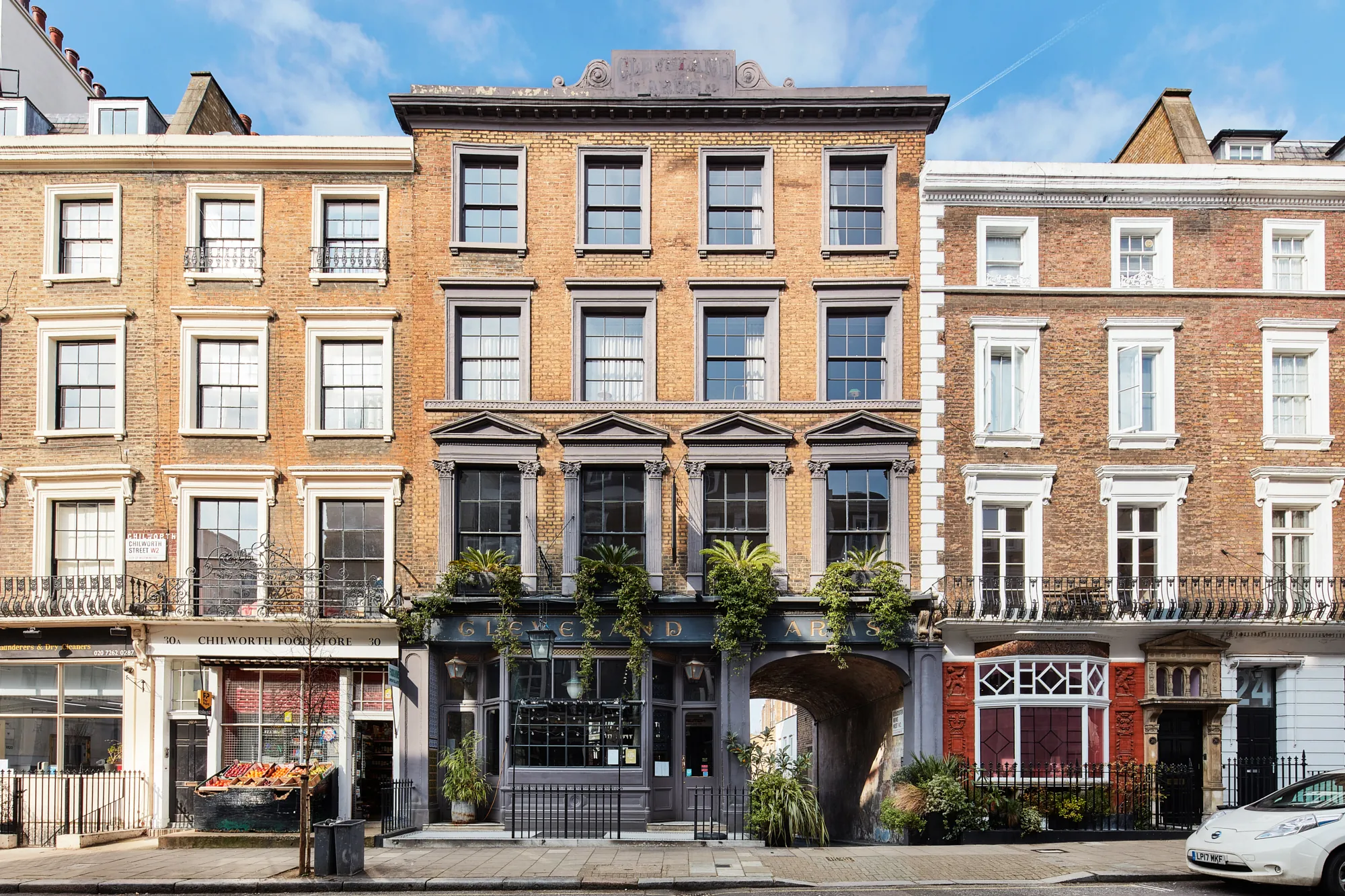
Brixton has transformed into one of South London's most dynamic rental markets, blending cultural heritage with contemporary urban living. For landlords considering letting a property in Brixton, the area presents compelling opportunities alongside unique considerations that demand local expertise. As an experienced letting agent in Brixton, we've guided countless property owners through the complexities of this vibrant market, from converted Victorian flats near Brixton Hill to modern developments around Electric Avenue. This comprehensive guide draws on our first-hand experience to help landlords maximise returns whilst navigating the practicalities of Brixton property management in today's competitive landscape.
Understanding Brixton's Rental Market
Brixton's rental appeal stems from its exceptional transport connectivity, cultural vibrancy, and evolving residential character. The area attracts a diverse tenant pool, from young professionals drawn to the Victoria Line's direct City and West End connections, to creative industries workers who appreciate Brixton's artistic heritage and independent food scene centred around Brixton Village and Market Row.
According to HM Land Registry Price Paid Data, the median property sale price in Brixton stands at £500,000, with flats—comprising the majority of transactions at 274 of 353 sales—achieving a median of £460,000. This relatively accessible entry point compared to neighbouring areas like Clapham makes Brixton particularly attractive for landlords seeking portfolio expansion. Terraced properties command a median of £880,000, whilst semi-detached homes reach £1,152,000, reflecting the premium placed on larger family accommodation.
Rental values, as recorded by the ONS, demonstrate healthy yields across property types. Studio flats command between £775 and £1,225 monthly, whilst one-bedroom properties range from £1,025 to £1,625. Two-bedroom flats—the market's sweet spot—achieve £1,425 to £2,200, with three-bedroom properties reaching £1,875 to £2,950. For landlords letting a flat in Brixton, these figures translate into competitive gross yields, particularly for well-maintained properties in desirable pockets near transport hubs.
The tenant demographic skews younger and more transient than traditionally family-oriented neighbourhoods, meaning landlords should anticipate higher turnover but also benefit from sustained demand. Our experience shows that properties within a ten-minute walk of Brixton Underground station let fastest, often securing tenants within two to three weeks during peak letting seasons.
Property Types and What Tenants Seek
Brixton's housing stock reflects its Victorian and Edwardian origins, with purpose-built mansion blocks and converted houses dominating the landscape. As a landlord in Brixton, understanding which property characteristics attract premium rents proves essential for investment decisions and refurbishment priorities.
One and two-bedroom flats in converted Victorian terraces remain perennially popular, particularly those retaining period features whilst offering modern kitchens and bathrooms. Tenants increasingly expect contemporary specifications: integrated appliances, good storage, and dedicated workspace have shifted from desirable to essential since remote working became mainstream. Properties on quieter residential streets radiating from Brixton Hill—away from the area's bustling nightlife—tend to attract longer-term tenants seeking neighbourhood stability.
Larger family homes, though representing a smaller rental segment, command significant premiums when available. Three and four-bedroom terraced houses with gardens appeal to established families, often professionals relocating from more expensive postcodes who appreciate Brixton's village atmosphere, excellent primary schools, and Brockwell Park's 125 acres. These properties typically achieve longer tenancies, reducing void periods and turnover costs.
Modern developments near Brixton Station offer different advantages: new-build specifications, communal amenities, and reduced maintenance responsibilities. These properties attract corporate tenants and young professionals prioritising convenience and contemporary living over period charm. Our portfolio management experience shows these developments maintain consistent occupancy, though rental growth may prove more modest than well-located period conversions.
Legal and Regulatory Considerations for Brixton Landlords
Letting residential property in London demands rigorous compliance with evolving legislation, and Brixton property management requires particular attention to selective licensing schemes and local authority expectations within Lambeth.
All landlords must ensure properties meet Minimum Energy Efficiency Standards (MEES), with an EPC rating of E or above now mandatory. Given Brixton's preponderance of period conversions, many require insulation upgrades, boiler replacements, or secondary glazing to achieve compliance. We recommend conducting EPC assessments early in the letting preparation process, as improvement works can take several weeks and significantly impact time-to-market.
Electrical Safety Standards require landlords to obtain an Electrical Installation Condition Report (EICR) at least every five years, with checks completed before new tenancies commence. Gas Safety Certificates remain annual requirements for properties with gas appliances. Smoke and carbon monoxide detectors must be installed and tested at each tenancy start, whilst the 'How to Rent' guide must be provided to all assured shorthold tenants.
Deposit protection within government-approved schemes (within 30 days of receipt) and Right to Rent checks have become standard practice, but remain areas where non-compliance attracts substantial penalties. Lambeth Council occasionally operates selective licensing schemes in specific Brixton wards, requiring landlords to obtain licences for properties let to unrelated tenants. These schemes impose additional obligations around property condition, tenant references, and anti-social behaviour management.
Our approach to Brixton property management incorporates these requirements as standard, maintaining compliance calendars and conducting regular property inspections to identify maintenance issues before they escalate into disrepair claims or local authority interventions.
Talk to Seymont
What's your home worth?
A considered view on price, timing and how to bring your London home to market — a personal reply within 24 hours.
Your property
Step 1 of 2Marketing Your Brixton Property Effectively
Brixton's competitive rental market rewards landlords who present properties professionally and price them accurately. As a letting agent in Brixton with detailed knowledge of micro-market variations, we've identified several factors that significantly influence letting speed and achieved rent.
Professional photography proves non-negotiable in today's digital-first market. Prospective tenants typically view dozens of properties online before scheduling viewings, making high-quality images essential for securing shortlist positions. Properties should be photographed empty or neutrally styled, with excellent natural light and attention to selling points like period features, outdoor space, or proximity to Brixton's restaurant and cultural offerings.
Accurate pricing requires granular local knowledge. A one-bedroom flat on Rattray Road commands different rent to an equivalent property on Corrance Road, despite minimal distance between them, due to factors like street character, parking availability, and ambient noise levels. We analyse comparable properties currently available and recently let, adjusting for condition, specification, and seasonal demand fluctuations to position properties competitively.
Brixton's cultural identity provides unique marketing angles. Proximity to Brixton Village's independent restaurants, the Ritzy cinema, and live music venues at the O2 Academy appeals strongly to the area's target demographic. Emphasising transport links—the Victoria Line reaches Oxford Circus in 12 minutes—proves equally important for professionals commuting to central London. For properties near Brockwell Park or overlooking communal gardens, highlighting outdoor amenity access adds significant appeal.
Timing matters considerably in Brixton's rental cycle. Demand peaks during spring and autumn, with January through March and September through November generating highest enquiry volumes. Landlords releasing properties during summer or December should anticipate longer marketing periods, though pricing adjustments can offset seasonal weakness.

Ongoing Property Management and Tenant Relations
Successful letting extends far beyond securing initial tenancy agreements. Effective Brixton property management balances landlord interests with tenant satisfaction, reducing void periods whilst protecting property condition and rental income.
Tenant selection represents the foundation of successful lettings. Comprehensive referencing—employment verification, previous landlord references, credit checks, and Right to Rent compliance—identifies tenants likely to maintain properties well and pay rent reliably. Our experience shows that investing time in thorough referencing reduces subsequent management issues substantially, particularly regarding rent arrears and property damage.
Routine inspections, typically quarterly, allow early identification of maintenance issues whilst demonstrating landlord diligence. In Brixton's period properties, these inspections prove particularly valuable for detecting damp, plumbing deterioration, or unauthorised alterations before they necessitate expensive remediation. We document property condition photographically at each visit, creating audit trails that prove invaluable should deposit disputes arise at tenancy end.
Responsive maintenance management protects both property values and tenant relationships. Brixton's Victorian housing stock requires proactive attention to roofing, pointing, and plumbing systems that deteriorate predictably with age. We maintain networks of qualified local tradespeople who understand period property peculiarities and can respond rapidly to urgent issues like boiler failures or leaks, minimising tenant inconvenience and preventing minor problems escalating into major damage.
Rent collection and arrears management demand consistency and clear communication. Establishing rent payment expectations from tenancy commencement, monitoring payments carefully, and addressing arrears immediately when they arise prevents small shortfalls becoming unrecoverable debts. Our property management approach includes formal arrears procedures escalating proportionately from payment reminders through to possession proceedings when necessary, though we find early intervention typically resolves issues before legal action becomes unavoidable.
Why Work with a Letting Agent in Brixton
The decision between self-management and professional letting services depends on individual circumstances, but Brixton's particular characteristics often favour experienced local representation.
Local market knowledge proves difficult to replicate through research alone. Understanding which streets command premiums, how Brixton Hill properties differ from those near Coldharbour Lane, or why flats on certain mansion blocks let faster than apparently similar alternatives requires years of transaction experience. This granular knowledge directly impacts achieved rents, void periods, and tenant quality—factors that collectively determine investment returns.
Time commitment represents another crucial consideration. Successful property management demands responsiveness to tenant enquiries, coordination of tradespeople, attendance at inspections and viewings, and meticulous record-keeping for tax and legal compliance. Landlords with portfolios, full-time employment, or properties distant from their residences often find professional management delivers better outcomes than stretched self-management.
Risk mitigation through professional processes protects landlords from costly compliance failures and legal challenges. Legislation governing residential lettings has expanded dramatically, with penalties for non-compliance ranging from financial sanctions to criminal convictions in serious cases. Our systematic approach to tenancy administration, safety certification, and deposit protection ensures landlords meet all obligations whilst maintaining detailed documentation.
You can explore our comprehensive services for landlords at our dedicated [Let Your Property in Brixton](/let-your-property/brixton) page, or browse current [property for sale in Brixton](/property-for-sale/brixton) if you're considering investment opportunities. Our [Brixton estate agents](/estate-agents/brixton) team brings decades of collective experience to both sales and lettings, whilst our detailed [house prices analysis](/house-prices/brixton) provides data-driven market insights for strategic decision-making.

Talk to Seymont
What's your home worth?
A considered view on price, timing and how to bring your London home to market — a personal reply within 24 hours.
Your property
Step 1 of 2About the author
Thomas LindqvistMortgage & Financing Specialist
Thomas advised buyers for a decade at Ashgrove Financial, an independent brokerage, on borrowing capacity, product selection and the full cost of a purchase, including stamp duty, legal fees and lender charges. He follows rate decisions and lender criteria changes and translates them into what a household can realistically afford. His guides cover affordability, remortgaging and the closing costs that buyers routinely underestimate.
CeMAP qualified · Whole-of-market mortgage advice background
- Mortgages
- Affordability
- Closing costs
- Remortgaging
Frequently asked
- What rental yields can landlords expect in Brixton?
- Gross rental yields in Brixton typically range between 4% and 5.5%, varying by property type and location. According to HM Land Registry and ONS data, a median-priced flat at £460,000 achieving £1,625 monthly rent (upper range for one-bedroom) would generate approximately 4.2% gross yield. Properties purchased below median values or achieving premium rents due to exceptional condition or location may exceed 5%. Yields prove most attractive for smaller flats near Brixton Underground station, where strong tenant demand supports premium rents relative to purchase prices.
- How long does it typically take to let a property in Brixton?
- Well-presented properties priced accurately typically secure tenants within two to four weeks during peak letting seasons (March-May and September-November). Properties near Brixton station or with exceptional specifications may let within days of marketing, particularly one and two-bedroom flats targeting young professionals. Larger family homes or properties requiring specific tenant profiles may take six to eight weeks. Marketing duration extends during quieter periods like December and August, when tenant activity decreases markedly and landlords may need to adjust pricing expectations to avoid extended void periods.
- What are the main costs involved in letting a property in Brixton?
- Beyond mortgage payments, landlords should budget for several recurring and occasional costs. Letting agent fees typically range from 8% to 12% of monthly rent for full management services, or 6% to 8% for tenant-find only. Safety certification (gas, electrical, EPC) costs approximately £300-500 annually. Buildings and landlord insurance averages £200-400 yearly for flats, more for houses. Maintenance reserves of 10-15% of annual rent cover routine repairs, whilst landlords must budget for periodic major works like boiler replacement (£2,000-3,000), bathroom refurbishment (£4,000-8,000), or external decoration on period properties. Selective licensing, where applicable, costs approximately £500-800 for five-year licences.
- Is Brixton a good area for buy-to-let investment?
- Brixton offers compelling buy-to-let fundamentals for suitable investor profiles. Exceptional transport links via the Victoria Line ensure consistent professional tenant demand, whilst ongoing regeneration around Brixton Station and Pop Brixton supports rental growth. The diverse tenant demographic and cultural amenities reduce vacancy risk compared to more homogeneous areas. However, Brixton demands active property management due to the period housing stock and higher tenant turnover typical of urban areas attracting younger renters. Property condition proves critical—well-maintained flats command significant premiums over neglected equivalents. Investors seeking stable, lower-maintenance returns might prefer modern developments, whilst those willing to invest in refurbishment and active management often achieve superior yields from period conversions.
- What improvements add most value for Brixton rental properties?
- Kitchen and bathroom quality disproportionately influence rental values and letting speed in Brixton. Modern, well-fitted kitchens with integrated appliances and bathroom suites with good showers justify premium rents and attract quality tenants. Period features—original fireplaces, cornicing, floorboards—should be retained and highlighted, as they differentiate properties in a competitive market. Energy efficiency improvements (boiler upgrades, insulation, double glazing) ensure MEES compliance whilst reducing tenant utility costs, increasingly important as energy awareness grows. Outdoor space, whether private gardens or balconies, commands substantial premiums. Neutral decoration and good storage prove essential baseline expectations rather than premium features, with properties lacking them typically achieving below-market rents.