Journal
Letting agent Angel: Letting a Property in Angel
Written by Nina Castellano · Investment Property Advisor
Published 18 November 2025 · Updated 10 January 2026 · 7 min read
The short answer
Angel has evolved from a Georgian coaching stop into one of North London's most sought-after residential neighbourhoods, where Victorian conversions meet modern developments along Upper Street's vibrant corridor. For landlords, this translates into consistent tenant demand from young professionals, creative industry workers and students drawn to the area's exceptional transport links and cultural offering.

Angel has evolved from a Georgian coaching stop into one of North London's most sought-after residential neighbourhoods, where Victorian conversions meet modern developments along Upper Street's vibrant corridor. For landlords, this translates into consistent tenant demand from young professionals, creative industry workers and students drawn to the area's exceptional transport links and cultural offering. Working with an experienced letting agent in Angel who understands the N1 postcode's distinct micro-markets is essential to maximising returns in this competitive landscape. Our team has supported landlords through every aspect of letting a flat in Angel, from initial appraisal through to ongoing tenancy management, and we've compiled this comprehensive guide to help property owners navigate the local lettings market with confidence.
Understanding Angel's Rental Market
According to HM Land Registry data, Angel's property market recorded 1,325 sales with a median price of £650,000, with flats dominating at 1,007 transactions and a median of £575,250. This prevalence of apartment stock shapes the rental landscape significantly, as the majority of lettings inventory comprises period conversions and purpose-built flats rather than houses.
ONS rental data reveals that a studio in Angel typically achieves between £1,025 and £1,600 per calendar month, whilst one-bedroom properties command £1,350 to £2,100, and two-bedroom flats range from £1,850 to £2,875. Three-bedroom properties sit between £2,450 and £3,825, with four-bedroom homes reaching £3,275 to £5,100 monthly. The premium end of the market—five-bedroom properties and above—can achieve £4,300 to £6,700 per month, reflecting the scarcity of larger family homes in the area.
The rental market here benefits from Angel's position at the intersection of the City, King's Cross and the West End, with the Northern line providing direct access to the Square Mile in under ten minutes. This connectivity supports rental demand even during economic uncertainty, as tenants prioritise locations that minimise commute times. Our experience shows that well-presented properties within a ten-minute walk of Angel station typically let within three weeks, often with multiple applicant interest.
Seasonal fluctuations are less pronounced in Angel than in student-heavy areas, though we observe peaks in activity during September and January when corporate relocations and bonus-driven moves concentrate. Landlords positioning properties to market in late August or early December often benefit from reduced competition and highly motivated tenants.
Preparing Your Angel Property for Letting
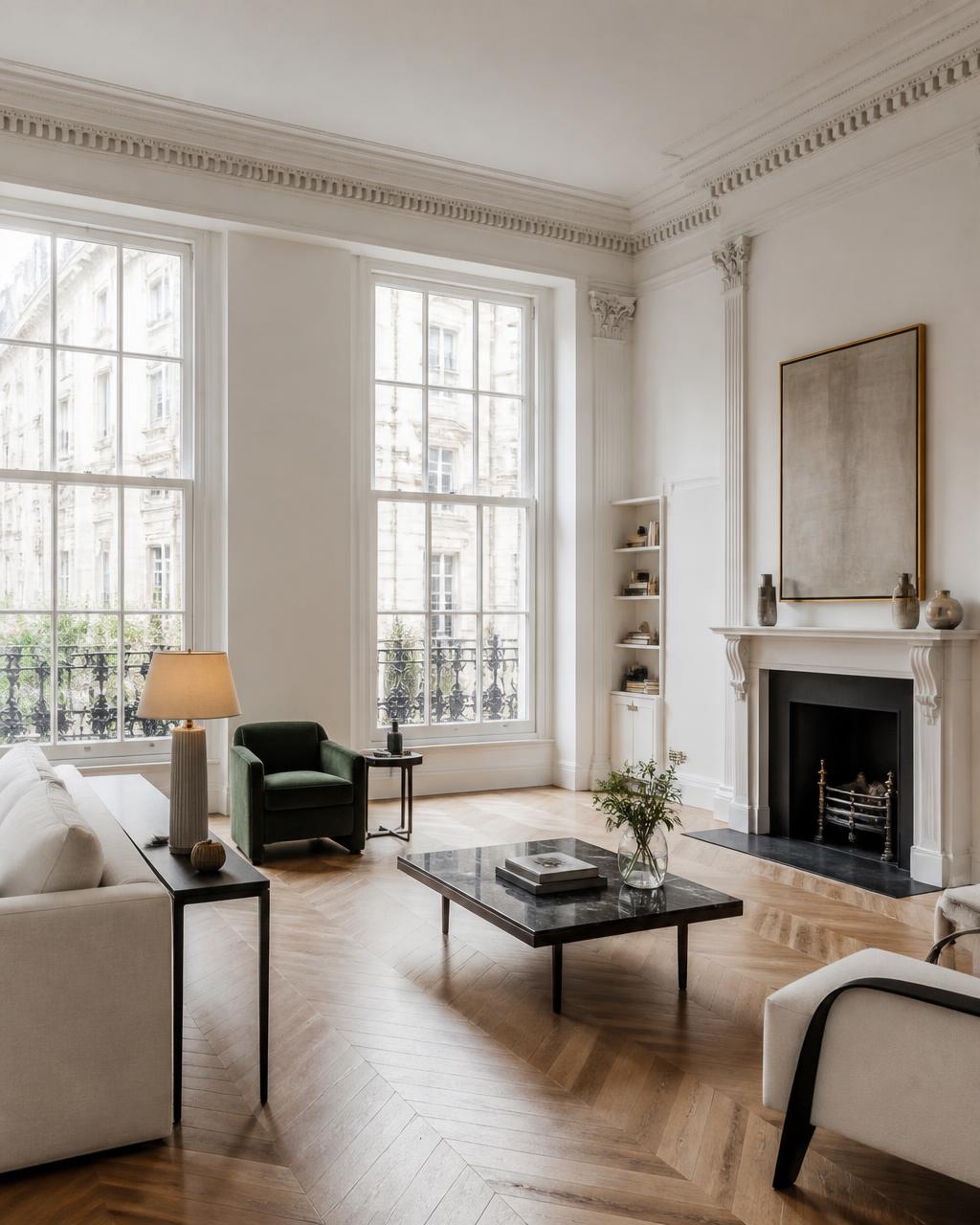
The standard expected by Angel tenants has risen considerably, with competition from newly refurbished developments setting benchmarks that period properties must meet to achieve optimal rents. Neutral, contemporary decoration appeals to the broadest tenant pool, whilst original features—sash windows, high ceilings, cornicing—should be highlighted and well-maintained rather than concealed.
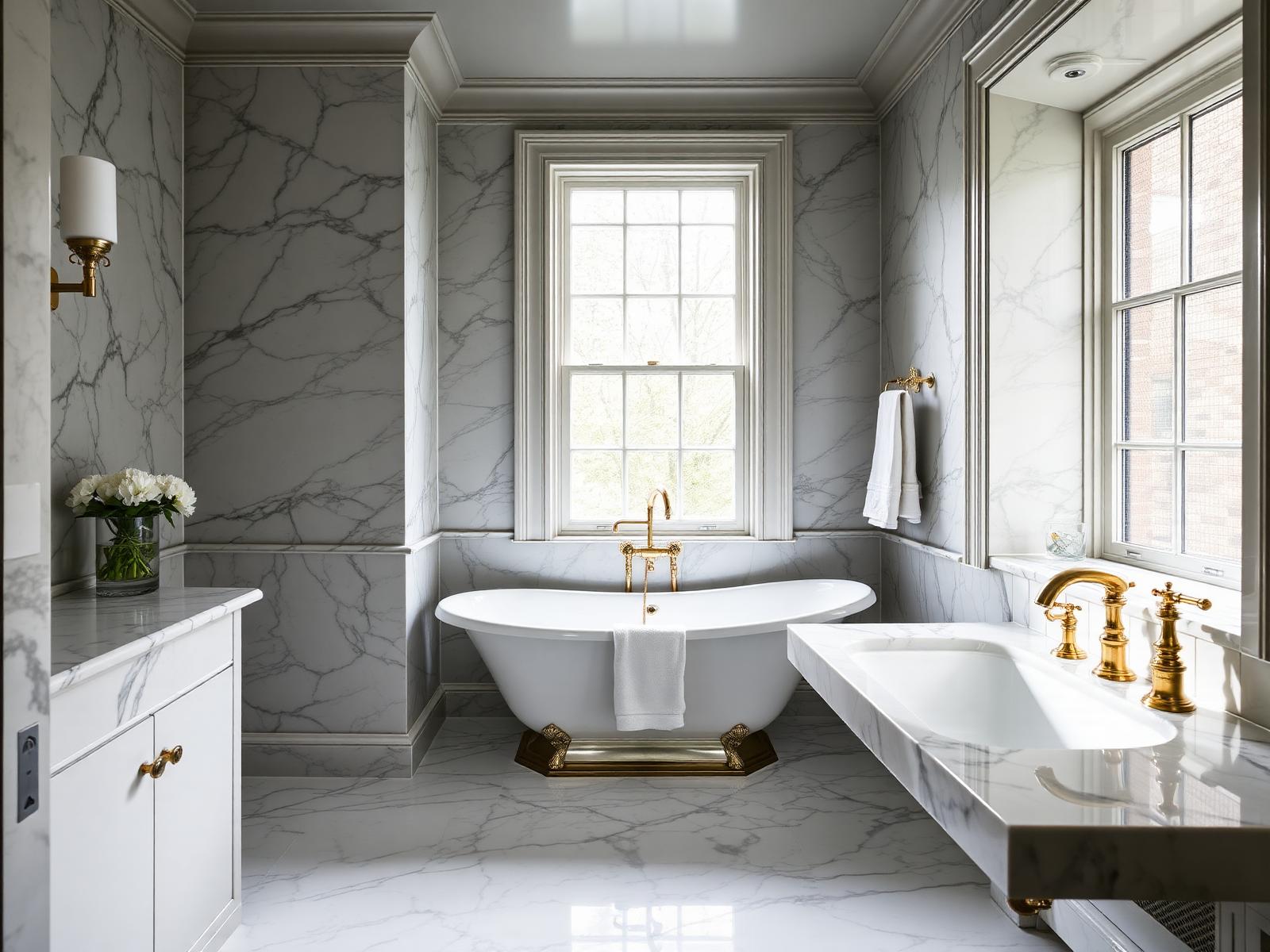
Kitchens and bathrooms disproportionately influence letting speed and achievable rent in our experience. Tenants in this price bracket expect integrated appliances, stone or composite worktops, and modern sanitary ware as standard. A dated bathroom can reduce enquiry levels by 40% compared to an equivalent renovated property, whilst the cost of a mid-range refresh typically recovers itself within 18-24 months through improved rent and reduced void periods.
Energy Performance Certificates have moved beyond mere compliance considerations, with tenants increasingly filtering searches by EPC rating to manage utility costs. Properties rated C or above let faster and support higher rents, whilst anything below an E rating cannot legally be let without exemption. We recommend landlords commission an EPC assessment early in the preparation process, as recommended improvements often prove cost-effective when undertaken before marketing.
Storage solutions—particularly bike storage—resonate strongly with Angel's demographic. Secure cycle parking can differentiate your property significantly, as many period conversions lack adequate provision. Similarly, high-speed broadband connectivity has shifted from desirable to essential, with remote and hybrid working patterns embedding permanently across professional sectors.
Selecting the Right Letting Agent in Angel
Angel property management requires neighbourhood-specific expertise that extends beyond generic lettings knowledge. The best letting agents maintain granular understanding of individual streets and buildings—knowing which developments have active residents' associations, which freeholders respond promptly to enquiries, and which blocks have upcoming works that might affect lettings.
Our approach combines hyper-local knowledge with technology that ensures your property reaches qualified tenants efficiently. We market across major portals whilst leveraging our database of registered applicants actively seeking homes in N1. This dual approach typically generates viewings within 48 hours of instruction for well-priced properties.
Transparency around fees and services distinguishes professional operations from transactional ones. Landlords should expect clear explanations of tenant find versus fully managed services, with itemised costs and defined responsibilities. We advocate for fully managed arrangements in Angel, where the tenant demographic expects rapid responses to maintenance issues and landlords often live outside London or manage demanding professional commitments that make hands-on management impractical.
Referencing standards merit particular attention when evaluating agents. Thorough affordability assessments, right-to-rent checks and employment verification protect landlords from tenancy failures that prove far more costly than any fee saving. Our referencing requires verifiable income of 30 times monthly rent annually, alongside comprehensive credit checks and landlord references covering the previous three years.
Talk to Seymont
What's your home worth?
A considered view on price, timing and how to bring your London home to market — a personal reply within 24 hours.
Your property
Step 1 of 2Legal Compliance and Landlord Responsibilities
The regulatory framework governing lettings has expanded substantially, with penalties for non-compliance ranging from financial sanctions to criminal prosecution in extreme cases. Every landlord letting a flat in Angel must ensure gas safety certificates remain current with annual inspections by Gas Safe registered engineers, whilst electrical installation condition reports require renewal every five years or at tenancy change.
Deposit protection within government-approved schemes remains mandatory within 30 days of receipt, with prescribed information served to tenants confirming which scheme holds their funds. We handle deposit registration as standard, eliminating the administrative burden and compliance risk for landlords whilst ensuring tenants receive statutory documentation promptly.
The Tenant Fees Act 2019 restricts charges that landlords and agents may impose, limiting deposits to five weeks' rent for annual rents below £50,000 and prohibiting various fees previously common in the sector. Properties in Angel typically fall within the lower threshold, though some premium houses exceed it. Compliant agents have adapted their business models entirely; any agent suggesting prohibited charges should be avoided.
Selective licensing, whilst not currently required across Islington borough-wide, applies to specific wards and property types. Landlords must verify whether their Angel property falls within a licensing designation before letting, as operating without a required licence invalidates Section 21 possession rights and may result in rent repayment orders. We monitor licensing requirements across all London boroughs and flag applicable schemes during initial landlord consultations, ensuring our clients maintain full compliance from instruction onwards.
Maximising Returns as a Landlord in Angel
Rental yield calculations in Angel require realistic assessment of both income and costs. With median flat prices at £575,250 according to HM Land Registry data, and two-bedroom flats achieving approximately £2,200 monthly (mid-range ONS figures), gross yields sit around 4.6% before costs. Landlords should factor mortgage costs, service charges, ground rent where applicable, maintenance provisions, insurance, and management fees into net yield projections.
Strategic improvements deliver measurable return advantages over cosmetic updates alone. Converting unused loft space, adding en-suite bathrooms, or reconfiguring layouts to create additional bedrooms can shift properties into higher rental brackets. A well-executed loft conversion adding a bedroom to a two-bed flat might cost £35,000-£45,000 but elevate monthly rent from £2,200 to £2,850—generating additional annual income of £7,800 that delivers payback within six years whilst simultaneously increasing capital value.
Tenant retention significantly impacts profitability by eliminating void periods, remarketing costs and tenancy setup expenses. We encourage landlords to approach renewals strategically, considering modest rent increases that maintain market alignment without triggering tenant churn. A tenant paying £50 below market rate but renewing reliably often proves more profitable than regular turnovers chasing maximum rent, particularly when factoring re-letting costs and void risk.
The furnished versus unfurnished decision hinges on target demographic and property type. Angel's young professional majority typically prefer furnished or part-furnished properties that allow immediate occupation, whilst corporate tenants often expect fully furnished specifications including kitchenware and linens. Our letting team at <a href="/let-your-property/angel">/let-your-property/angel</a> can advise on optimal furnishing levels based on your specific property and target market, drawing on current letting patterns across our portfolio.
Angel's Neighbourhood Appeal for Tenants
Understanding what draws tenants to Angel helps landlords position properties effectively and identify value-add opportunities that resonate with target demographics. Upper Street's restaurant and bar scene has evolved into one of London's most diverse, with everything from neighbourhood bistros to destination dining attracting residents who value lifestyle amenity on their doorstep.
Cultural infrastructure including the Almeida Theatre, Screen on the Green cinema, and numerous independent galleries creates an environment that appeals particularly to creative professionals and those prioritising cultural engagement. Proximity to these venues can justify premium positioning for properties within the immediate catchment, particularly for one and two-bedroom flats targeting single professionals and couples.
The area's educational provision supports family tenant demand for the limited larger properties available. Several outstanding-rated primary schools and proximity to highly regarded secondaries in neighbouring areas make three and four-bedroom houses particularly sought-after when they reach the rental market. Landlords with family-sized properties should emphasise school catchments and nearby parks in marketing, as these factors drive decision-making for this demographic.
Green space, whilst less abundant than in suburban locations, includes Islington's canal towpath running through the area—a significant amenity for the fitness-conscious demographic prevalent in Angel. Properties with canal views or immediate towpath access command premiums, as do those near Regent's Park's northern reaches. Our <a href="/estate-agents/angel">/estate-agents/angel</a> team understands how to leverage these location-specific selling points in property marketing to maximise tenant interest and achievable rent.

Talk to Seymont
What's your home worth?
A considered view on price, timing and how to bring your London home to market — a personal reply within 24 hours.
Your property
Step 1 of 2About the author
Nina CastellanoInvestment Property Advisor
Nina advises landlords and investors on rental yields, tenant demand and portfolio structure across Greater London, after running lettings and management at Bellhouse Property Partners. She has overseen single units and multi-property portfolios, and works through compliance, void periods and running costs before a purchase is agreed. Her articles deal with the numbers behind a buy-to-let rather than the headline gross yield.
Lettings and portfolio management · 9 years in London rentals
- Buy-to-let
- Rental yields
- Portfolio strategy
- Landlord compliance
Frequently asked
- What rental yield can I expect from a flat in Angel?
- Based on HM Land Registry median flat prices of £575,250 and ONS rental data showing two-bedroom properties achieving £1,850-£2,875 monthly, gross yields typically range from 4% to 6% depending on property specification and exact location. Net yields after mortgage costs, service charges, management fees and maintenance provisions generally sit between 2.5% and 4%. Properties closer to Angel station and those in excellent condition typically achieve the higher end of rental ranges, improving overall returns.
- How long does it typically take to let a property in Angel?
- Well-presented properties priced in line with current market conditions typically let within two to four weeks in Angel. Flats within a ten-minute walk of Angel Underground station often receive multiple enquiries within the first week of marketing. Properties requiring above-median rents need exceptional presentation and specification to achieve similar letting speeds. Seasonal factors influence timescales, with September and January seeing fastest lettings, whilst July and August can extend marketing periods by one to two weeks.
- Do I need a licence to let my property in Angel?
- Licensing requirements in Islington vary by ward and property type. Whilst borough-wide licensing doesn't currently apply, specific designations affect certain areas and Houses in Multiple Occupation (HMOs) require licensing throughout. Properties with five or more occupants from two or more households always require HMO licensing. Landlords should verify their specific property's status before marketing, as operating without a required licence carries significant penalties including rent repayment orders and invalidated possession rights. Reputable letting agents routinely check licensing requirements as part of initial property assessments.
- What type of tenant demand exists in Angel?
- Angel attracts predominantly young professionals aged 25-40 working in finance, technology, creative industries and professional services who value the Northern line connectivity to the City and West End. The area also sees strong demand from couples and small families seeking urban lifestyle with cultural amenity, plus postgraduate students attending nearby institutions. Corporate tenants on relocation packages represent a smaller but valuable segment, typically seeking fully furnished properties on 12-24 month tenancies. This diverse demand creates relatively stable lettings markets across economic cycles compared to areas dependent on single tenant types.
- Should I offer my Angel property furnished or unfurnished?
- The majority of Angel tenants prefer furnished or part-furnished properties that allow immediate occupation without significant setup costs. Young professionals relocating to London particularly favour this approach. Fully furnished specifications including kitchen equipment, white goods, beds, sofas and dining furniture typically let fastest and command slight premiums. Unfurnished properties appeal to a smaller segment of established renters with existing furniture, often seeking longer tenancies. For standard one and two-bedroom flats targeting professionals, furnished lettings generally optimise both letting speed and achievable rent, though furniture quality must meet expectations at Angel's price points.