Journal
Islington vs Hackney: Where Should You Live?
Written by Nina Castellano · Investment Property Advisor
Published 18 March 2026 · Updated 2 August 2026 · 6 min read
The short answer
The question of Islington vs Hackney has sparked countless debates among house hunters seeking the perfect north London postcode. Both boroughs offer exceptional cultural credentials, excellent transport links and thriving food scenes, yet each possesses a distinct character that appeals to different buyers and tenants.
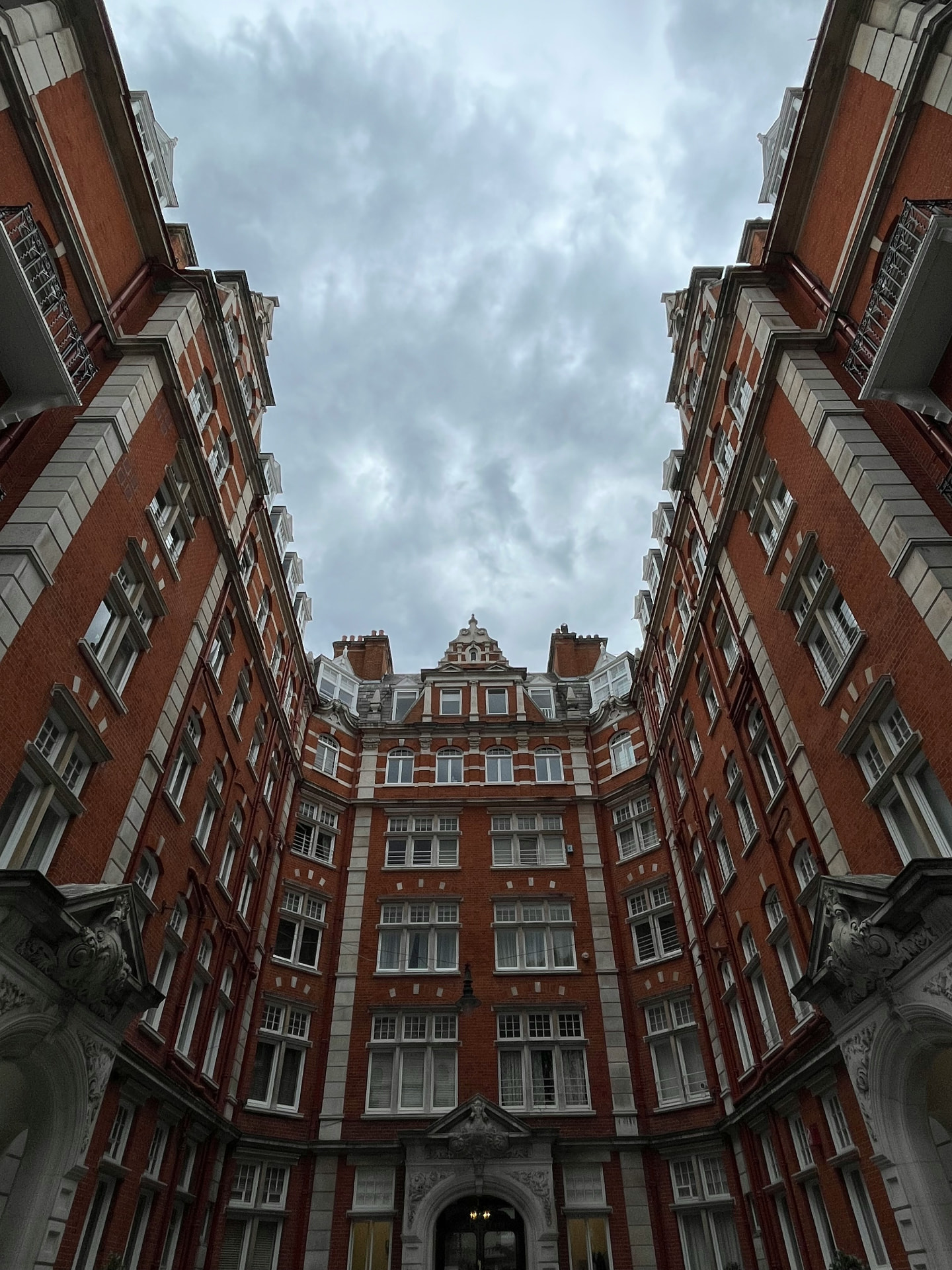
The question of Islington vs Hackney has sparked countless debates among house hunters seeking the perfect north London postcode. Both boroughs offer exceptional cultural credentials, excellent transport links and thriving food scenes, yet each possesses a distinct character that appeals to different buyers and tenants. Our team at Seymont London works across both areas daily, and we've witnessed how this choice shapes not just where our clients live, but how they experience London itself. Whether you're drawn to Georgian elegance or creative edge, understanding the nuances between these neighbouring boroughs is essential before making what may be the most significant property decision of your life.
Property Prices and Market Character
When you compare Islington Hackney property markets, the differences become immediately apparent in both price points and housing stock. According to HM Land Registry data, Islington's median sale price stands at £658,000 across 1,362 transactions, with flats commanding a median of £585,000 and terraced houses reaching £1,700,000. The borough's property landscape is dominated by flats—1,041 transactions compared to just 209 terraced homes—reflecting Islington's dense, urban character and the prevalence of elegant Victorian conversions.
The rental market, drawing from ONS data, shows studios ranging from £1,025 to £1,625 monthly, whilst one-bedroom properties span £1,375 to £2,125. Family-sized accommodation commands premium rates: three-bedroom homes sit between £2,475 and £3,875, whilst five-bedroom properties reach £4,350 to £6,775 per month. These figures reflect Islington's enduring appeal to professionals and established families alike.
For those exploring [property for sale in Islington](/property-for-sale/islington), the stock tends towards period conversions in sought-after garden squares, purpose-built mansion blocks near Angel, and occasionally, substantial Georgian townhouses that rarely reach the open market. The most significant sales—with properties exceeding £5 million—typically occur in the hidden enclaves around Canonbury and Barnsbury, where semi-detached homes commanded a median of £2,212,500 across 28 transactions.
Investors and first-time buyers often focus on flat for sale Islington searches, recognising that the apartment market offers the most accessible entry point whilst still delivering the postcode prestige and transport connectivity that underpin long-term value. Our [Islington estate agents](/estate-agents/islington) team has observed consistent demand even during broader market corrections, testament to the borough's resilient appeal.
The Angel Islington Phenomenon and Transport Links
Angel Islington remains one of north London's most searched neighbourhoods, and with good reason. The area surrounding the Angel tube station delivers that increasingly rare combination: zone 1 underground access, a high street that balances independent retailers with essential chains, and a dining scene that rivals Soho's density without the tourist crowds. Upper Street stretches northward like a spine through the borough, lined with restaurants Islington residents consider among London's finest.
The Northern Line provides direct access to King's Cross in four minutes, the City in under ten, and the West End in a quarter-hour. For those working in Canary Wharf or needing eastward connections, this is where Hackney's overground and London Fields stations offer advantages. Yet Islington counters with Highbury & Islington's Victoria Line interchange and the anticipated benefits of Crossrail 2, should it proceed—a consideration for long-term property investment.
Islington Green serves as an unexpected oasis just moments from the Angel, a patch of lawn where office workers gather at lunch and the farmers' market sets up each Sunday. The green anchors a neighbourhood that manages to feel both metropolitan and village-like, a quality that drives much of the area's property premium. When clients ask us about Islington or Hackney for walkability and local amenity density, this compact, navigable geography often tips the scales.
Packington Square Islington and the surrounding Barnsbury streets exemplify another transport advantage: the ability to walk to King's Cross in twenty minutes through handsome residential streets, making the morning commute a pleasant constitutional rather than a tube ordeal. This pedestrian connectivity to central London distinguishes Islington from Hackney's more fragmented geography.
Schools, Family Life and Green Spaces
Families researching primary schools in Islington discover a competitive landscape that rivals anywhere in the capital. Islington primary schools such as Thornhill, Canonbury and St Mary Magdalene consistently rank among London's highest performers, with catchment areas that have measurably influenced house prices on surrounding streets. The borough's commitment to education extends to outstanding secondaries including Highbury Grove and City of London Academy, though many families also access independent options in neighbouring boroughs.
The question of outdoor space often arises when families compare Islington Hackney options. Whilst Hackney boasts London Fields and the expansive Victoria Park, Islington counters with Highbury Fields' 29 acres, Clissold Park straddling the border, and the hidden delights of Barnard Park. The Regent's Canal towpath provides a green corridor for cycling and weekend walks, connecting Little Venice to Limehouse without encountering a single traffic light.
Islington Park Street and the neighbouring conservation areas of Canonbury demonstrate how the borough accommodates family life within an urban framework. These tree-lined streets feature substantial houses with private gardens, residents' squares with key access, and a neighbourhood pace that feels markedly calmer than the surrounding city. Our team regularly works with families who initially dismissed Islington as "too urban" only to discover these residential pockets that rival Hampstead's tranquillity.
The borough's investment in children's facilities—from the Ironmonger Row Baths' learner pool to the Arsenal Hub's youth programmes—creates infrastructure that supports family life beyond simply schooling. When clients with children weigh the best of Islington and Hackney, these practical considerations often prove as influential as the property itself.
Talk to Seymont
What's your home worth?
A considered view on price, timing and how to bring your London home to market — a personal reply within 24 hours.
Your property
Step 1 of 2Dining, Culture and the Islington Lifestyle
Restaurant Islington searches peak each weekend as Londoners from across the capital travel north for the borough's dining scene. Upper Street alone offers everything from Ottolenghi's original Islington outpost to intimate neighbourhood Italians that have served the same tables for decades. Exmouth Market, tucked behind Farringdon, punches well above its weight with Moro, Caravan and a rotating cast of street-food traders.
The cultural offering extends beyond dining. The Almeida Theatre premieres productions that transfer to the West End, Screen on the Green shows arthouse films in a Grade II listed cinema, and the Union Chapel hosts concerts in a working church with extraordinary acoustics. Sadler's Wells, whilst technically in Finsbury, sits within easy walking distance and programmes world-class dance year-round. This cultural density creates a lifestyle where evening entertainment requires no journey—a significant quality-of-life advantage over more residential boroughs.
Islington London's character is perhaps best understood on a Saturday morning at Chapel Market, where the traditional street market has operated since the 1870s. Here, elderly Italian residents who've lived locally for sixty years shop alongside recent arrivals, everyone hunting for the same excellent-value produce. This continuity and social mixing—increasingly rare in prime London postcodes—gives Islington a authenticity that newer developments struggle to manufacture.
The contrast with Hackney's Dalston or Shoreditch scenes becomes clear in the evening: Islington skews slightly older, more established, favouring wine bars over clubs and gastropubs over edgy cocktail dens. Neither is superior; they simply serve different life stages and preferences. Our clients in their thirties with young families tend towards Islington, whilst those seeking nightlife vitality often prefer Hackney's offerings.
Investment Perspective and Future Outlook
From an investment standpoint, [house prices in Islington](/house-prices/islington) have demonstrated remarkable resilience over multiple property cycles. The borough's zone 1 and 2 coverage, combined with its established reputation, creates a floor beneath values that more peripheral areas lack. The HM Land Registry data showing terraced houses at a £1.7 million median—and semi-detached properties at £2.2 million—reflects decades of sustained demand from buyers seeking long-term family homes.
Those exploring houses to rent or [letting their property in Islington](/let-your-property/islington) benefit from tenant demand that remains robust even during economic uncertainty. Professional tenants value the commute times, the schooling options and the lifestyle amenities enough to sustain rental yields that, whilst not spectacular in percentage terms, deliver stability and capital preservation. Studios commanding £1,025-£1,625 and two-bedroom flats at £1,850-£2,900 monthly reflect a rental market underpinned by genuine occupier demand rather than speculative forces.
The Islington or Hackney investment question often centres on growth potential versus established value. Hackney has delivered stronger percentage growth over the past fifteen years as it gentrified rapidly, but Islington's mature market offers lower volatility—crucial for those unable to weather significant corrections. Our experience suggests that Islington attracts buyers seeking a home first and an investment second, whilst Hackney draws more opportunistic purchasers seeking growth.
Looking forward, the borough's planning policies protect its character whilst permitting sensitive densification. Small-scale developments replacing light-industrial sites with residential apartments continue to add stock, preventing the supply constraints that can make established areas unaffordable to the next generation. For buyers considering both [Hackney estate agents](/estate-agents/hackney) and ourselves, this balance between preservation and evolution represents Islington's perhaps greatest long-term strength.
Talk to Seymont
What's your home worth?
A considered view on price, timing and how to bring your London home to market — a personal reply within 24 hours.
Your property
Step 1 of 2About the author
Nina CastellanoInvestment Property Advisor
Nina advises landlords and investors on rental yields, tenant demand and portfolio structure across Greater London, after running lettings and management at Bellhouse Property Partners. She has overseen single units and multi-property portfolios, and works through compliance, void periods and running costs before a purchase is agreed. Her articles deal with the numbers behind a buy-to-let rather than the headline gross yield.
Lettings and portfolio management · 9 years in London rentals
- Buy-to-let
- Rental yields
- Portfolio strategy
- Landlord compliance
Frequently asked
- What is the average house price in Islington?
- According to HM Land Registry data, the median sale price in Islington is £658,000 across all property types. Flats command a median of £585,000, whilst terraced houses reach £1,700,000 and semi-detached properties £2,212,500. These figures reflect Islington's position as one of inner London's most established residential boroughs, with prices varying significantly between different neighbourhoods within the borough.
- Is Islington better than Hackney for families?
- Islington often appeals more to families seeking established schools and a slightly quieter residential character. The borough offers outstanding primary and secondary schools, substantial green spaces like Highbury Fields, and family-friendly neighbourhoods in Canonbury and Barnsbury. Hackney counters with larger parks, a younger demographic and generally more affordable entry points. The choice depends on your specific priorities around schooling catchments, property type and lifestyle preferences.
- What are rental prices like in Islington?
- ONS data shows Islington rental prices ranging from £1,025-£1,625 monthly for studios, £1,375-£2,125 for one-bedroom properties, and £1,850-£2,900 for two-bedroom flats. Family homes command higher rates, with three-bedroom properties at £2,475-£3,875 and five-bedroom houses reaching £4,350-£6,775 per month. These figures reflect strong tenant demand driven by excellent transport links and local amenities.
- Where is the best area to live in Islington?
- The "best" area depends entirely on your priorities. Angel and Islington Green offer unbeatable transport, dining and urban convenience. Canonbury and Barnsbury provide quieter, family-oriented streets with substantial period houses. Highbury attracts Arsenal supporters and those seeking village-like community feel. Each neighbourhood within the borough has distinct character, and our team helps buyers identify which aligns with their specific lifestyle and property requirements.
- How does Islington compare to Hackney for investment?
- Islington offers a more mature, stable investment proposition with established values and lower volatility, appealing to buyers prioritising capital preservation. Hackney has delivered stronger percentage growth over recent years as gentrification progressed, but from a lower base. Islington's zone 1 coverage, superior transport links via the Northern and Victoria lines, and decades-long track record make it the lower-risk choice, whilst Hackney may offer greater upside for those comfortable with higher risk profiles.