Journal
Islington Property Market Report: Trends, Prices & Investment Outlook
Written by Nina Castellano · Investment Property Advisor
Published 28 July 2026 · Updated 14 August 2026 · 6 min read
The short answer
The Islington property market continues to represent one of north London's most dynamic and sought-after residential landscapes. With its eclectic blend of Georgian squares, Victorian conversions and contemporary developments, Islington has evolved from its bohemian roots into a sophisticated urban village that attracts professionals, families and investors alike.
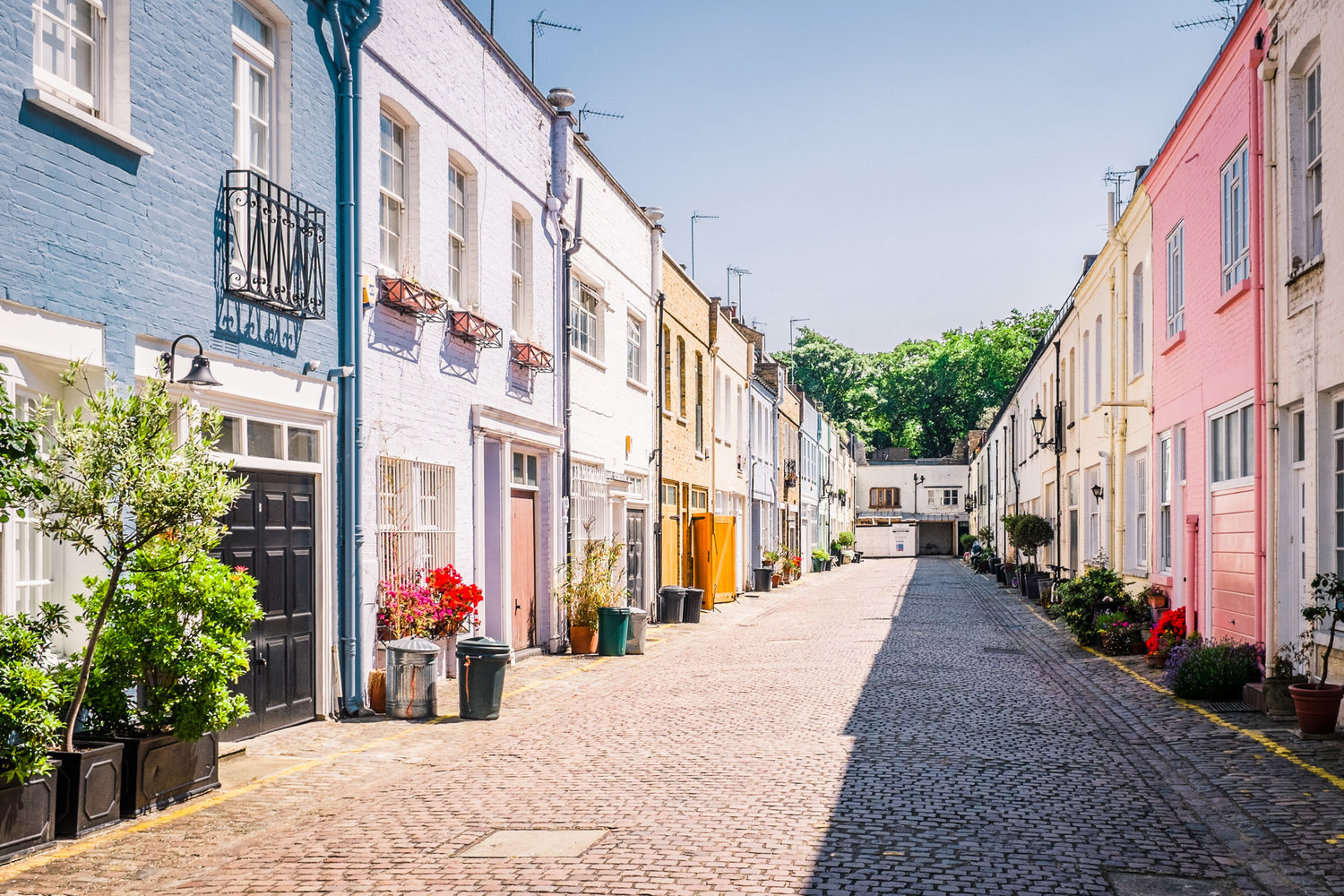
The Islington property market continues to represent one of north London's most dynamic and sought-after residential landscapes. With its eclectic blend of Georgian squares, Victorian conversions and contemporary developments, Islington has evolved from its bohemian roots into a sophisticated urban village that attracts professionals, families and investors alike. Our team has analysed the latest HM Land Registry data alongside on-the-ground market intelligence to provide a comprehensive overview of current conditions across this distinguished borough. From the vibrant restaurant scene around Angel Islington to the leafy enclaves surrounding Islington Green, the area offers remarkable diversity for property buyers and tenants seeking an authentic London lifestyle combined with exceptional connectivity.
Current Price Trends and Transaction Activity
According to HM Land Registry Price Paid Data, the median property price across Islington currently stands at £635,000, based on 302 recorded transactions in the most recent period. This figure reflects the borough's enduring appeal and its position as a premier address within inner London's property hierarchy.
The Islington housing market demonstrates clear segmentation by property type. Flats dominate transaction volume, accounting for 247 sales with a median price of £570,000. The range extends from £140,000 for modest studio conversions to £2.3 million for exceptional lateral apartments, illustrating the breadth of opportunities available. Terraced houses commanded a median of £1.7 million across 31 transactions, with prices reaching £4.375 million for the finest period homes near Islington Park Street and surrounding conservation areas.
Semi-detached properties, whilst rarer with just seven sales recorded, achieved a substantial median of £2.45 million, rising to £5.4 million at the upper end. A single detached house sale was recorded at £1.45 million, reflecting the scarcity of such properties within this densely built urban borough. These figures from the HM Land Registry underscore the premium that buyers place on space and architectural distinction.
The 'other' category, comprising 16 transactions with a median of £415,000, typically includes new-build apartments, commercial conversions and properties with atypical tenure arrangements. This segment often presents interesting opportunities for investors willing to navigate more complex purchase scenarios.
Islington Price Trends: What's Driving the Market?
Several structural factors continue to support the Islington price trend trajectory. The borough's exceptional transport connectivity—served by six Underground lines including the Northern, Piccadilly and Victoria—places the City, West End and Canary Wharf within effortless reach. Angel Islington station alone handles substantial passenger volumes, whilst Highbury & Islington provides Overground and National Rail connections extending the catchment considerably.
The cultural and lifestyle infrastructure surrounding Islington London has matured significantly over recent decades. Upper Street's renowned restaurant scene, from gastropubs to fine dining establishments, rivals any comparable stretch in the capital. The restaurants in Islington cater to every palate and occasion, creating a genuine seven-day-a-week urban village atmosphere that enhances residential desirability. Independent boutiques, artisan food shops and the Chapel Market tradition contribute to a distinctive sense of place that mass-market developments struggle to replicate.
Education provision represents another critical demand driver. Islington primary schools consistently achieve strong Ofsted ratings, with several primary schools in Islington oversubscribed year after year. Families prioritise proximity to outstanding state provision, and catchment area boundaries exert measurable influence on local price premiums. Our team regularly advises buyers to consider school placement strategies as part of their property search criteria.
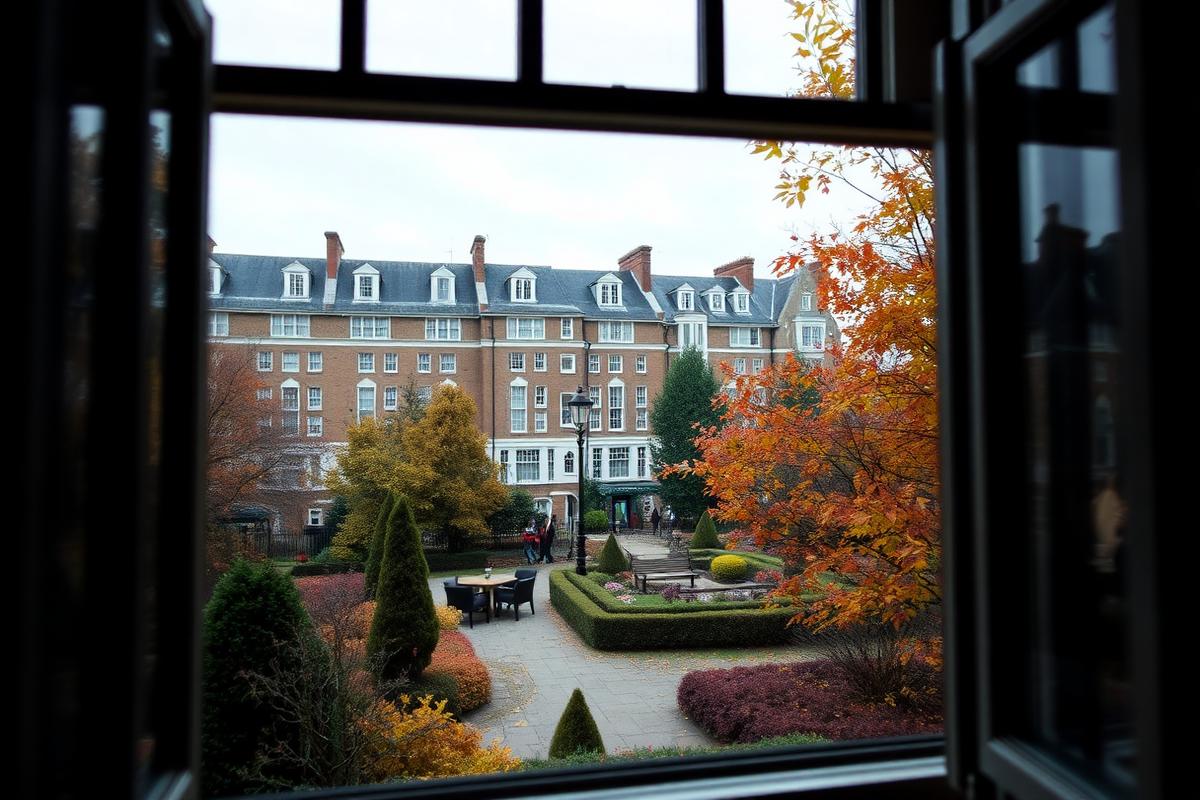
Green space, whilst not abundant, is thoughtfully distributed. Islington Green itself anchors the southern reaches, whilst Highbury Fields to the north provides substantial recreational amenity. Smaller garden squares such as Packington Square Islington offer residents peaceful respite and contribute to the borough's architectural coherence. These green assets enhance liveability and support long-term value retention.
Rental Market Dynamics and Yields
ONS rental data reveals a robust letting market across all property sizes. Studio apartments command monthly rents between £1,000 and £1,550, providing accessible entry points for young professionals. One-bedroom properties range from £1,300 to £2,050 per month, whilst two-bedroom homes—the most liquid segment—achieve £1,800 to £2,800 monthly.
Families seeking three-bedroom accommodation face rents between £2,375 and £3,725, with four-bedroom properties commanding £3,175 to £4,975. The premium five-bedroom segment, serving larger families and sharers, extends from £4,175 to £6,525 per month. These figures reflect sustained tenant demand driven by the borough's employment accessibility and lifestyle amenities.
For investors evaluating gross yields, a two-bedroom flat purchased at the median £570,000 and let at £2,300 monthly (mid-range) would generate approximately 4.8% gross annually. Whilst not exceptional by national standards, this yield comes with the capital preservation and liquidity advantages inherent to prime inner London locations. Our <a href="/let-your-property/islington">lettings team</a> notes that well-presented properties near Angel or Highbury & Islington stations typically secure tenants within two weeks, minimising void periods.
The build-to-rent sector has expanded selectively, introducing professionally managed schemes that appeal to corporate tenants and relocating professionals. These developments complement the traditional buy-to-let market and provide benchmark rental levels that support existing landlord portfolios.
Talk to Seymont
What's your home worth?
A considered view on price, timing and how to bring your London home to market — a personal reply within 24 hours.
Your property
Step 1 of 2Is Islington a Good Investment? Strategic Considerations
When evaluating whether Islington represents a sound investment proposition, several considerations merit attention. The borough benefits from structural advantages unlikely to diminish: fixed geographical proximity to central London, established transport infrastructure, and a mature cultural ecosystem that took decades to develop. These attributes provide defensive characteristics during market corrections whilst supporting growth during expansionary phases.
The diversity of property stock—from period conversions to contemporary new-builds—allows investors to align acquisitions with specific strategies. Value-add opportunities exist within the extensive stock of Victorian and Edwardian buildings where sympathetic refurbishment can unlock significant uplifts. Equally, turnkey new developments appeal to time-poor investors prioritising immediate rental income.
Market liquidity remains robust. Our <a href="/property-for-sale/islington">property sales team</a> observes that correctly priced homes in desirable pockets typically achieve sale agreed status within 4-6 weeks, even during quieter market periods. This liquidity provides important optionality for investors managing portfolios across economic cycles. Those searching for flats for sale in Islington encounter substantial choice across price bands, facilitating comparative analysis.
Risks include regulatory headwinds facing the private rental sector, notably energy efficiency requirements and evolving tenant protection legislation. Investors must budget for compliance costs and potential yield compression. Additionally, Islington's mature market status means explosive growth remains unlikely; appreciation tends toward steady, inflation-plus trajectories rather than dramatic percentage gains.
For detailed valuation analysis tailored to specific addresses, our <a href="/house-prices/islington">house price data</a> provides street-level granularity that supports informed decision-making. We recommend prospective investors conduct thorough due diligence on service charge trajectories for leasehold properties and examine planning constraints affecting potential extensions or alterations.
Neighbourhood Micro-Markets and Future Outlook
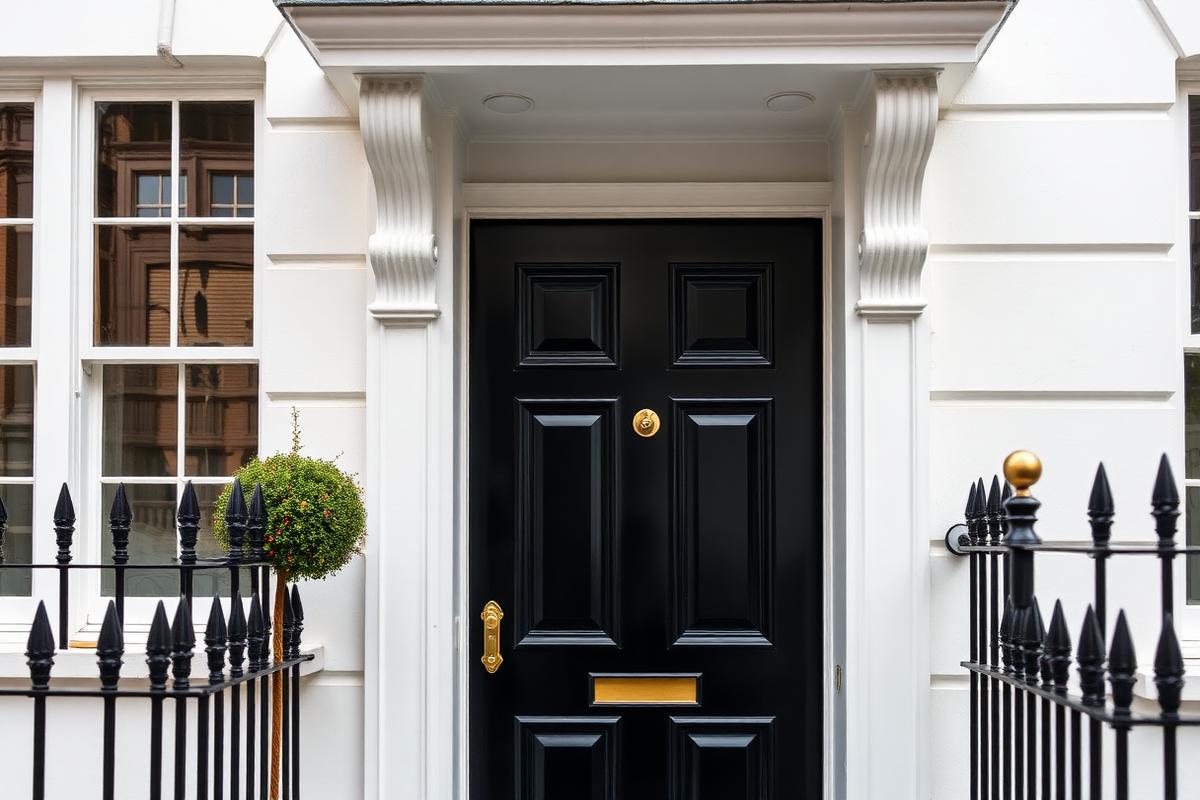
Islington's internal geography creates distinct micro-markets with differentiated characteristics. Barnsbury's handsome squares and garden access command premiums, attracting established families and downsizers seeking tranquillity without sacrificing central proximity. Canonbury's leafy streets and excellent schooling create fierce competition for family houses, often resulting in sealed-bid scenarios.
The Angel Islington corridor appeals to younger professionals prioritising nightlife, dining and commute efficiency. Conversion flats in former commercial buildings offer generous ceiling heights and characterful spaces, though buyers should scrutinise service charge structures carefully. Highbury retains a village-like intimacy despite its urban density, with Highbury Fields serving as a natural community anchor.
Looking forward, infrastructure developments including Crossrail 2 proposals (though currently deferred) would further enhance connectivity if realised. The borough council's emphasis on cycling infrastructure and liveable neighbourhoods aligns with evolving residential preferences post-pandemic, when outdoor space and local amenity assumed heightened importance.
The new-build pipeline remains relatively constrained by land scarcity, supporting second-hand market dynamics. Selective brownfield regeneration introduces contemporary stock without overwhelming the market, maintaining equilibrium between supply and demand. Our <a href="/estate-agents/islington">Islington team</a> anticipates continued steady appreciation underpinned by these supply constraints and the borough's enduring lifestyle credentials.
For those considering Islington within a broader north London property search, the borough offers compelling advantages: better value than neighbouring Camden, superior transport links compared to Hackney's western reaches, and more established cultural infrastructure than emerging areas. This positioning supports long-term investment theses built on stability rather than speculation.
Talk to Seymont
What's your home worth?
A considered view on price, timing and how to bring your London home to market — a personal reply within 24 hours.
Your property
Step 1 of 2About the author
Nina CastellanoInvestment Property Advisor
Nina advises landlords and investors on rental yields, tenant demand and portfolio structure across Greater London, after running lettings and management at Bellhouse Property Partners. She has overseen single units and multi-property portfolios, and works through compliance, void periods and running costs before a purchase is agreed. Her articles deal with the numbers behind a buy-to-let rather than the headline gross yield.
Lettings and portfolio management · 9 years in London rentals
- Buy-to-let
- Rental yields
- Portfolio strategy
- Landlord compliance
Frequently asked
- What is the average property price in Islington?
- According to HM Land Registry data, the median property price in Islington is £635,000 across all property types. Flats have a median price of £570,000, whilst terraced houses command £1.7 million and semi-detached properties achieve £2.45 million. Prices vary significantly by location, condition and proximity to transport links.
- How much does it cost to rent in Islington?
- ONS data shows rental costs varying by property size. Studio apartments range from £1,000-£1,550 monthly, one-bedroom properties £1,300-£2,050, two-bedroom homes £1,800-£2,800, and three-bedroom properties £2,375-£3,725. Four-bedroom houses command £3,175-£4,975, with five-bedroom properties reaching £4,175-£6,525 per month.
- Is Islington a good area to invest in property?
- Islington offers strong investment fundamentals including exceptional transport connectivity, established cultural amenities, robust rental demand and market liquidity. Gross yields typically range around 4-5% for residential properties, with capital preservation benefits from its prime inner London location. However, investors should account for regulatory costs and understand that growth tends toward steady appreciation rather than dramatic gains.
- Which parts of Islington are most popular with buyers?
- Angel Islington attracts young professionals seeking lifestyle amenities and transport links, whilst Barnsbury and Canonbury appeal to families prioritising period architecture, garden squares and school catchments. Highbury offers village-like charm with access to Highbury Fields. Each micro-market has distinct characteristics that suit different buyer demographics and budgets.
- What types of properties are most common in Islington?
- Flats dominate the market, representing 247 of 302 recent transactions according to HM Land Registry data. These include Victorian and Edwardian conversions, purpose-built mansion blocks and contemporary developments. Terraced houses account for most family-sized properties, whilst semi-detached and detached homes remain relatively scarce, commanding significant premiums when available.