Journal
Islington House Prices in 2026
Written by Thomas Lindqvist · Mortgage & Financing Specialist
Published 7 December 2025 · Updated 5 August 2026 · 6 min read
The short answer
Islington house prices continue to reflect the borough's unique position as one of London's most sought-after residential locations. Our team at Seymont London has analysed the latest market data to provide a comprehensive overview of property values across this diverse and culturally rich corner of North London.
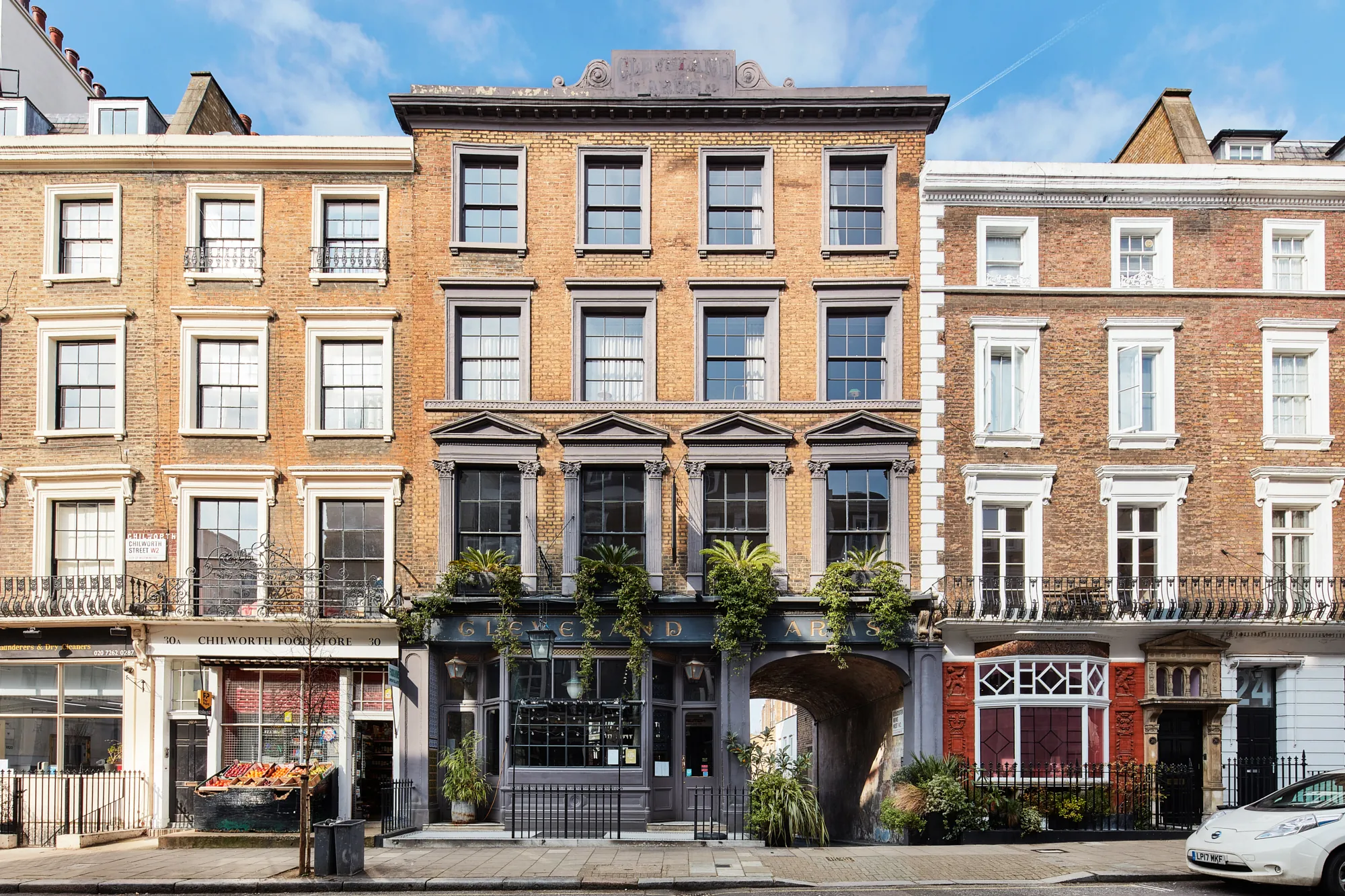
Islington house prices continue to reflect the borough's unique position as one of London's most sought-after residential locations. Our team at Seymont London has analysed the latest market data to provide a comprehensive overview of property values across this diverse and culturally rich corner of North London. From the bustling streets around Angel Islington to the elegant garden squares near Islington Green, the property market here demonstrates remarkable variety in both pricing and property types. Understanding these local nuances is essential for anyone considering buying, selling, or investing in this dynamic market.
Current Market Overview: Average House Price Islington
According to HM Land Registry data, the median Islington property price currently stands at £635,000, based on 302 recorded sales. This figure represents the mid-point across all property types, from studio flats to substantial family homes, and offers a reliable snapshot of the broader market conditions.
The Islington property prices landscape reveals significant variation by property type. Flats dominate the market, accounting for 247 of the 302 transactions, with a median price of £570,000. The prevalence of flat sales reflects the borough's characteristic Victorian conversions and modern apartment developments, particularly concentrated around areas like Angel Islington and the streets radiating from Upper Street.
Terraced houses command a median price of £1,700,000, demonstrating the premium attached to this quintessentially London property type. These characterful homes, often featuring original period details and private outdoor space, remain highly desirable among families seeking to establish roots in areas well-served by Islington primary schools and the borough's renowned cultural amenities.
Semi-detached properties represent the upper echelons of the Islington market, with a median price of £2,450,000. Though only seven sales were recorded in this category, they underscore the scarcity value of larger family homes with garden space in this densely populated borough.
Property Type Analysis and Islington Sold Prices
Examining Islington sold prices by property category reveals the market's stratification. At the accessible end, flats range from £140,000 to £2,300,000, with the lower figure likely representing a short-lease property or requiring substantial refurbishment. The upper range captures luxury apartments in prime developments or period conversions in prestigious locations such as Packington Square Islington or the elegant streets surrounding Islington Green.
The 'other' category, encompassing commercial conversions, ex-local authority properties, and non-standard residential units, recorded a median of £415,000 across 16 sales. This segment often attracts investors and first-time buyers seeking entry points into the market, particularly in the context of Islington London's rental demand.
The single detached property sale at £1,450,000 highlights the extreme rarity of this housing type in the borough. Detached homes are virtually non-existent in central Islington, making each transaction a noteworthy market event. Such properties, when they do emerge, typically attract significant attention from buyers seeking privacy and space without leaving the N1 postcode.
Our experience at [Seymont London](/estate-agents/islington) suggests that buyers navigating this market benefit from understanding these price bands and recognising where their budget positions them within Islington's diverse property ecosystem.
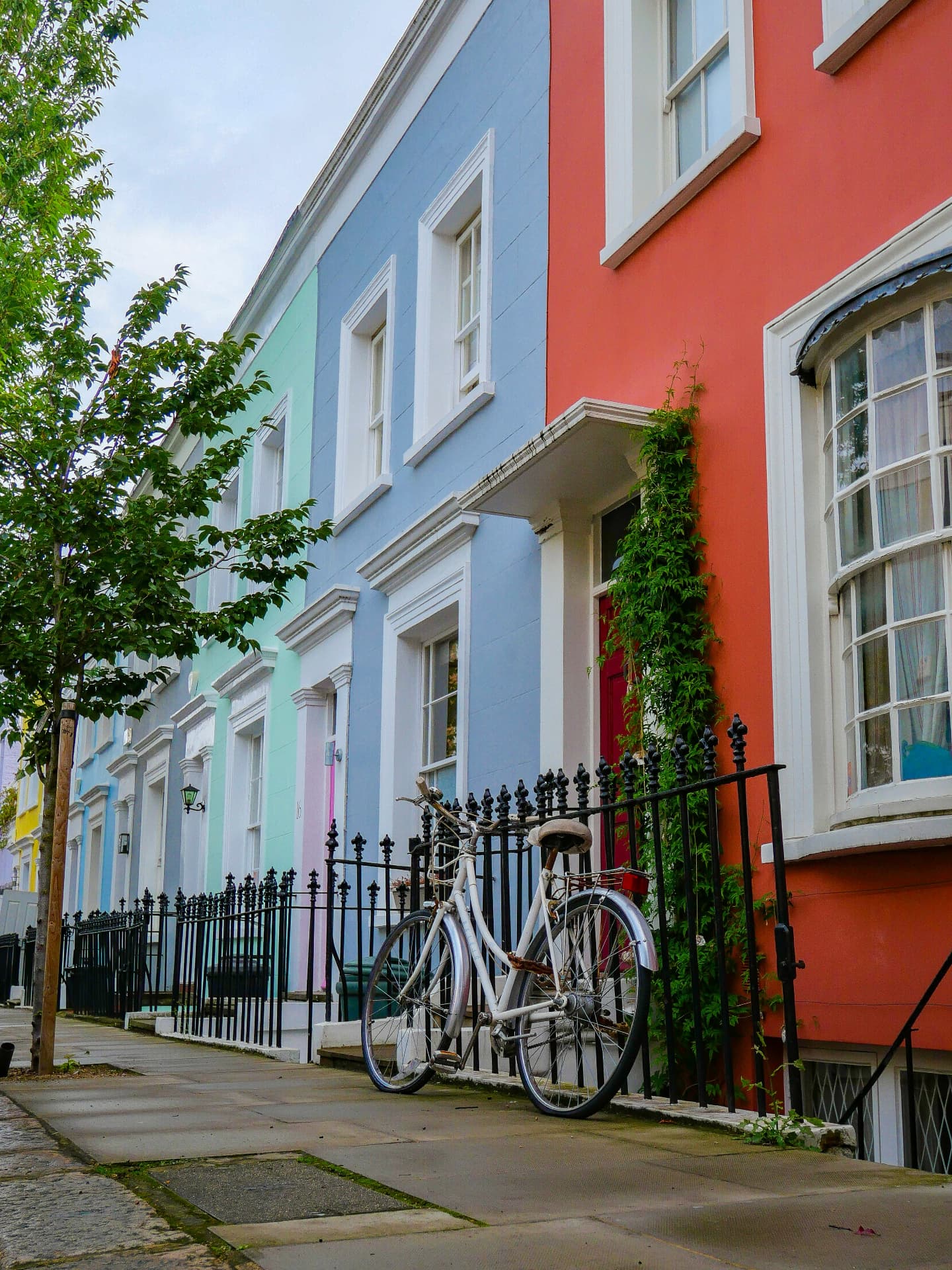
Geographical Variations Across Islington London
Islington's property market cannot be understood as a single entity; it comprises distinct micro-markets, each with its own character and price dynamics. The Angel Islington area, with its excellent transport links via the Northern Line and proximity to the City, commands premium pricing, particularly for one and two-bedroom flats that appeal to young professionals.
Moving north towards Highbury and the areas surrounding Islington Park Street, the market shifts towards family-focused properties. Here, proximity to outstanding primary schools in Islington drives competition for terraced and semi-detached houses with gardens. The presence of green spaces and the more residential feel contribute to sustained demand and price resilience.
The eastern reaches of the borough, whilst historically more affordable, have experienced gentrification over recent decades. Areas that once offered value are now established parts of the Islington property landscape, with restaurant Islington density and cultural amenities rivalling more traditionally prestigious postcodes.
Western Islington, bordering Camden, benefits from association with both boroughs' reputations. Properties here often represent a sweet spot for buyers seeking Islington's advantages at marginally lower entry points, though the gap has narrowed considerably as the entire borough has appreciated.
Talk to Seymont
What's your home worth?
A considered view on price, timing and how to bring your London home to market — a personal reply within 24 hours.
Your property
Step 1 of 2Rental Market Context
Understanding Islington house prices requires consideration of the rental market, which influences investment decisions and affordability calculations. ONS data indicates that studio apartments command monthly rents between £1,000 and £1,550, whilst one-bedroom properties range from £1,300 to £2,050.
Two-bedroom flats, the most liquid segment of the rental market, achieve £1,800 to £2,800 per month. This range reflects variations in location, condition, and amenities, with properties near Angel Islington or with private outdoor space commanding premiums. For landlords considering whether to [let your property in Islington](/let-your-property/islington), these figures demonstrate healthy yields relative to purchase prices in the flat segment.
Family-sized homes generate substantial rental income, with three-bedroom properties ranging from £2,375 to £3,725 monthly, whilst four-bedroom houses command £3,175 to £4,975. The upper end typically features period houses with gardens in prime school catchment areas. Five-bedroom and larger properties, though rare, achieve £4,175 to £6,525 per month, reflecting the scarcity of such homes in the borough.
Our team observes that the rental market's strength provides a floor for capital values, as investors can justify purchase prices based on rental yields that remain attractive by London standards, particularly for flats in the £500,000 to £750,000 range.
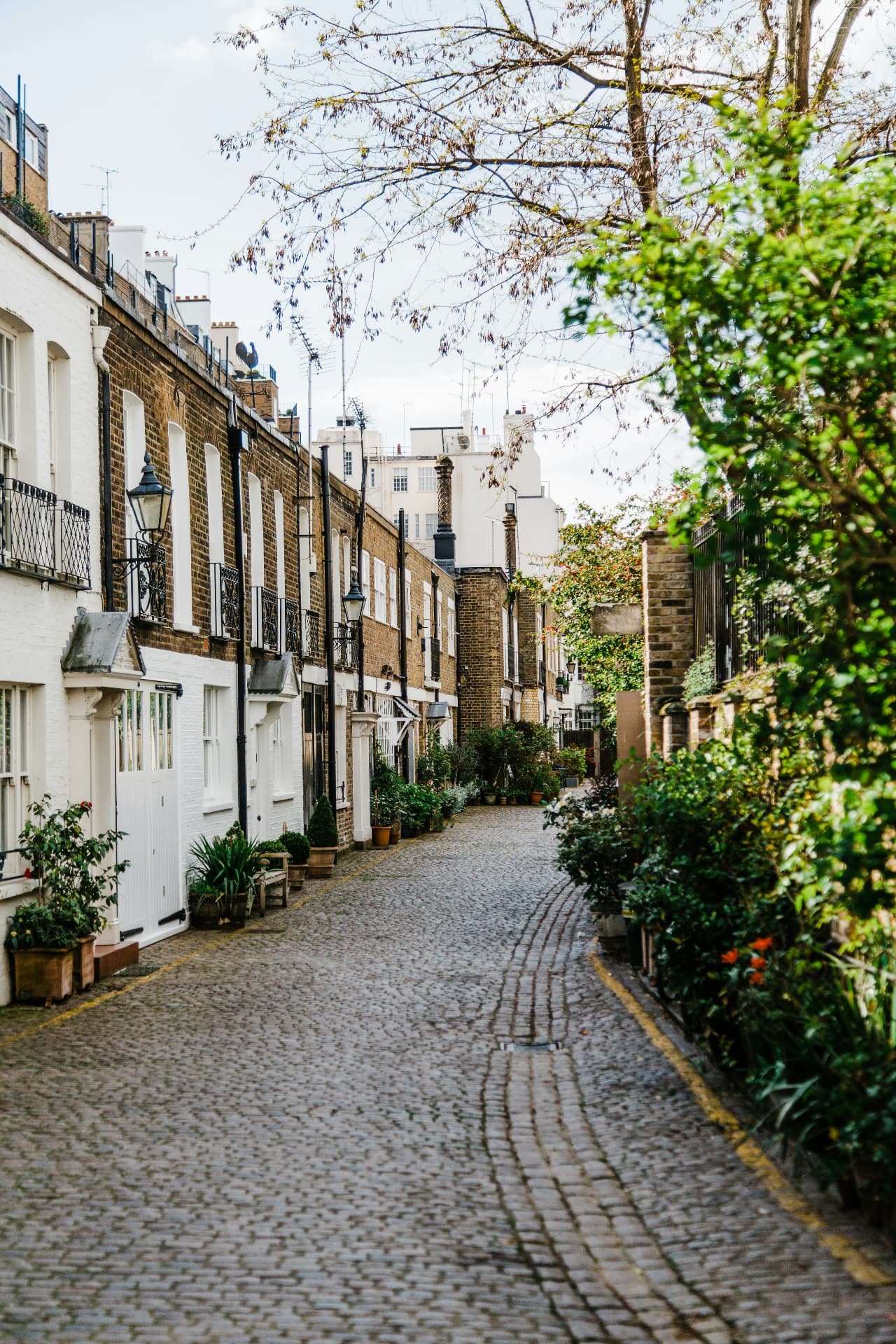
Market Dynamics and Future Outlook
Several factors continue to influence the average house price Islington trajectory. The borough's transport infrastructure, anchored by Angel Islington's Northern Line station and numerous overground connections, ensures connectivity that buyers prioritise. Ongoing Crossrail benefits to adjacent areas may indirectly enhance Islington's appeal as a well-connected alternative.
The cultural landscape, from restaurants Islington to theatres and independent retailers, contributes to the borough's lifestyle appeal. This "village within London" character, particularly evident around Islington Green and Upper Street, supports price resilience even during broader market corrections. Buyers consistently pay premiums for access to this curated urban experience.
Education remains a fundamental driver, with primary schools in Islington consistently ranking among London's best. Catchment area dynamics create micro-markets within the borough, where proximity to outstanding schools generates fierce competition and price inflation for family homes. Our experience suggests that well-informed buyers factor school catchments into their property search from the outset.
Looking ahead, the balance between limited housing stock and sustained demand suggests continued price support. Those exploring [property for sale in Islington](/property-for-sale/islington) should recognise that while dramatic appreciation may moderate compared to previous decades, the fundamentals underpinning Islington's market remain robust. The borough's central location, cultural capital, and community infrastructure position it to weather economic uncertainties better than many London alternatives.
Navigating the Islington Property Market
For prospective buyers, understanding Islington house prices requires moving beyond headline figures to grasp the nuances of individual streets, property conditions, and local amenities. A £570,000 flat near Angel Islington offers a fundamentally different proposition to a similarly priced property in the borough's quieter residential pockets, despite identical price tags.
We recommend that buyers consider total cost of ownership, including potential service charges for flats, which can be substantial in period conversions or developments with extensive communal facilities. Leasehold properties require particular scrutiny regarding remaining lease length and ground rent terms, factors that significantly impact both enjoyment and resale value.
Sellers benefit from understanding how their property positions within current Islington sold prices data. Strategic improvements, particularly in kitchens and bathrooms, often yield returns that exceed their cost in this design-conscious market. Period features, where original, command premiums that justify careful restoration rather than replacement.
Those tracking the [Islington house prices](/house-prices/islington) landscape should recognise that median figures, whilst useful, obscure the premium attached to specific locations, conditions, and property characteristics. Working with professionals who understand these subtleties proves invaluable in both achieving optimal sale prices and avoiding overpayment as a buyer.
Talk to Seymont
What's your home worth?
A considered view on price, timing and how to bring your London home to market — a personal reply within 24 hours.
Your property
Step 1 of 2About the author
Thomas LindqvistMortgage & Financing Specialist
Thomas advised buyers for a decade at Ashgrove Financial, an independent brokerage, on borrowing capacity, product selection and the full cost of a purchase, including stamp duty, legal fees and lender charges. He follows rate decisions and lender criteria changes and translates them into what a household can realistically afford. His guides cover affordability, remortgaging and the closing costs that buyers routinely underestimate.
CeMAP qualified · Whole-of-market mortgage advice background
- Mortgages
- Affordability
- Closing costs
- Remortgaging
Frequently asked
- What is the average house price in Islington in 2026?
- According to HM Land Registry data, the median property price in Islington currently stands at £635,000 across all property types. However, this varies significantly by category: flats have a median price of £570,000, terraced houses £1,700,000, and semi-detached properties £2,450,000. The average house price Islington figure reflects 302 recorded transactions and represents the mid-point of the market rather than the mean, providing a more representative snapshot of typical prices.
- How do Islington house prices compare across different areas of the borough?
- Islington's property market comprises distinct micro-markets with varying price points. The Angel Islington area commands premium pricing due to excellent Northern Line connections and proximity to the City. Northern areas around Highbury and near outstanding primary schools in Islington tend to attract family buyers willing to pay more for terraced and semi-detached houses. Eastern Islington has gentrified significantly, whilst western areas bordering Camden can offer marginally lower entry points, though this gap has narrowed considerably.
- What rental yields can landlords expect in Islington?
- ONS data shows Islington rental prices ranging from £1,000-£1,550 monthly for studios, £1,300-£2,050 for one-bedroom flats, and £1,800-£2,800 for two-bedroom properties. Larger homes command £2,375-£3,725 for three bedrooms and £3,175-£4,975 for four bedrooms. When compared to the median flat price of £570,000, investors can achieve yields that remain competitive by London standards, particularly for properties in the £500,000-£750,000 range near Angel Islington or other well-connected areas.
- Are Islington property prices expected to rise or fall?
- Islington's property market fundamentals remain robust, supported by limited housing stock, excellent transport infrastructure, outstanding schools, and strong cultural amenities. Whilst dramatic appreciation may moderate compared to previous decades, the balance between sustained demand and constrained supply suggests continued price support. The borough's central location and comprehensive infrastructure position it to demonstrate resilience during broader economic uncertainties, though specific price movements depend on wider economic factors and interest rate environments.
- What factors most influence property values in Islington?
- Several key factors drive Islington house prices: transport connectivity (particularly proximity to Angel Islington station), school catchment areas for outstanding primary schools in Islington, property type and condition, outdoor space availability, and proximity to cultural amenities around Islington Green and Upper Street. Period features in Victorian and Georgian properties command premiums when original. Lease length for flats significantly impacts value, as do service charges. Location-specific factors, such as being near restaurants Islington or Packington Square Islington, also influence desirability and pricing.