Journal
Islington Area Guide
Written by Thomas Lindqvist · Mortgage & Financing Specialist
Published 22 April 2026 · Updated 9 July 2026 · 6 min read
The short answer
Few London boroughs blend Georgian elegance, culinary distinction and village charm quite like Islington. Our Islington area guide reveals why this North London enclave continues to captivate buyers, renters and long-standing residents alike.
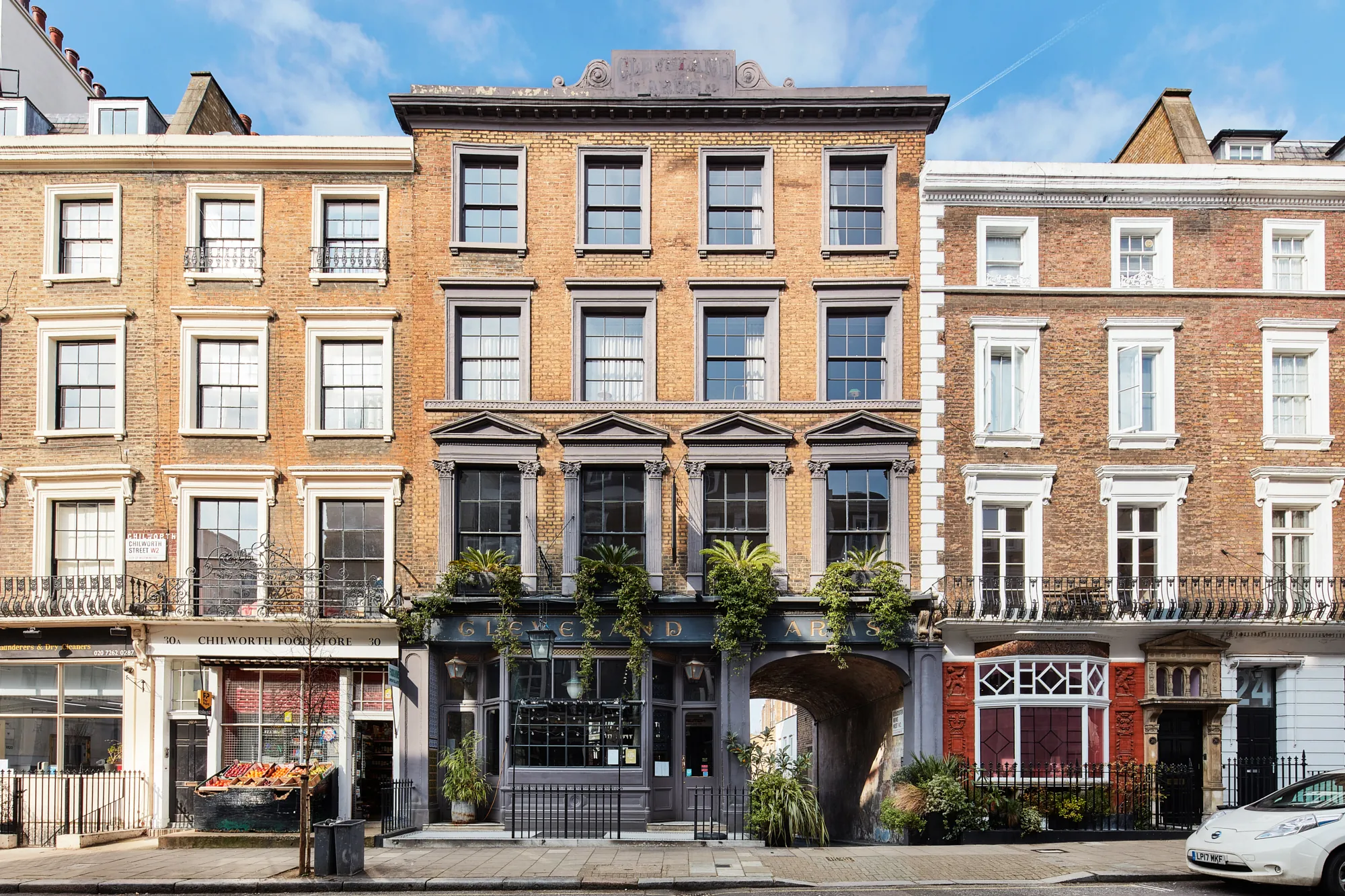
Few London boroughs blend Georgian elegance, culinary distinction and village charm quite like Islington. Our Islington area guide reveals why this North London enclave continues to captivate buyers, renters and long-standing residents alike. From the Angel Islington's transport hub to the leafy squares of Barnsbury, we've explored every facet of this diverse borough to help you understand what makes Islington property so consistently sought-after. Whether you're searching for a characterful flat or a substantial family home, Islington offers remarkable variety within its postcode boundaries.
The Islington Character
Islington's identity is woven from distinct micro-neighbourhoods, each with its own architectural signature and community spirit. Upper Street forms the spine of the borough, a two-mile stretch lined with independent boutiques, theatres and some of the capital's most inventive restaurants. The Almeida Theatre and the King's Head have anchored Islington's cultural reputation for decades, whilst the area's antiques market and design shops reflect a population with discerning tastes.
The Angel Islington marks the southern gateway, where the convergence of major routes has created a bustling commercial centre. Moving northward, Barnsbury unfolds with its Italianate villas and garden squares, offering a markedly quieter atmosphere just minutes from the energy of Upper Street. Canonbury retains an almost village-like tranquillity, its tree-lined avenues and Regency terraces appealing to those seeking a residential feel without sacrificing proximity to central London.
Islington Green, though modest in scale, serves as a genuine community focal point. Farmers' markets, seasonal festivals and impromptu gatherings give this historic green space an authenticity that newer developments struggle to replicate. The surrounding Islington streets reveal layer upon layer of history, from medieval field patterns still visible in road alignments to Victorian workhouses repurposed as loft apartments.
This architectural diversity translates directly into property options. Our team at Seymont London observes consistent demand across all Islington property types, from compact studios near the Angel to the grand semi-detached homes of Canonbury Square.
Islington Property Market Insights
According to HM Land Registry Price Paid Data, Islington recorded 302 sales with a median price of £635,000. The market demonstrates the borough's appeal across multiple buyer segments, with flats dominating transaction volumes at 247 sales and a median of £570,000. These apartments range from £140,000 to £2,300,000, reflecting everything from ex-local authority conversions to penthouse suites with rooftop terraces.
Terraced properties commanded a median of £1,700,000 across 31 sales, with prices spanning £449,022 to £4,375,000. These homes typically occupy the Georgian and Victorian streets of Barnsbury and Canonbury, where original features and generous room proportions justify premium valuations. Semi-detached houses, though rare with only seven sales, achieved a median of £2,450,000, reaching as high as £5,400,000 for the most exceptional examples.
For those exploring rental opportunities, ONS data reveals studios ranging from £1,000 to £1,550 monthly, whilst one-bedroom properties typically command £1,300 to £2,050. Two-bedroom flats occupy the £1,800 to £2,800 bracket, reflecting Islington's particular strength in this segment. Family homes show wider ranges: three-bedroom properties fetch £2,375 to £3,725, four-bedroom residences £3,175 to £4,975, and five-bedroom homes £4,175 to £6,525.
We've observed that flat sales in Islington often receive multiple offers within days of listing, particularly for properties near the Angel Islington or around Packington Square Islington, where warehouse conversions offer lateral space and industrial aesthetics. Browse our current <a href="/property-for-sale/islington">property for sale in Islington</a> to explore available opportunities.
Dining, Culture and Community
Islington's culinary reputation extends far beyond North London. The concentration of restaurants in Islington attracts diners from across the capital, with Upper Street alone hosting dozens of establishments spanning every cuisine and price point. From Michelin-recognised fine dining to neighbourhood bistros, the restaurant Islington scene reflects the borough's cosmopolitan demographic and willingness to support independent operators.
Chapel Market provides an earthier counterpoint to Upper Street's polish. This street market has traded since the 1870s, offering fresh produce, textiles and hot food in an atmosphere worlds apart from the curated retail experiences elsewhere in the borough. It's this juxtaposition—farmers' markets alongside traditional East End-style traders—that gives Islington its authentic London character.
Cultural offerings extend beyond theatre and dining. The Estorick Collection houses Britain's finest assembly of Italian Futurist art in a beautiful Georgian townhouse, whilst the Business Design Centre hosts everything from art fairs to wellness exhibitions. The area's numerous independent cinemas, comedy clubs and music venues ensure evening options remain abundant year-round.
Community initiatives thrive here. Residents' associations actively shape development consultations, whilst volunteering groups maintain green spaces and support local schools. For families considering Islington, this civic engagement often proves as attractive as the property stock itself.
Talk to Seymont
What's your home worth?
A considered view on price, timing and how to bring your London home to market — a personal reply within 24 hours.
Your property
Step 1 of 2Transport and Connectivity
The Angel Islington sits on the Northern line, delivering Bank in eight minutes and King's Cross St Pancras in four. This connectivity underpins much of Islington's residential appeal, enabling genuine door-to-desk commutes of under thirty minutes to the City, West End or Canary Wharf. Highbury & Islington station adds Overground and Victoria line options, plus Great Northern services to Hertfordshire and Cambridgeshire.
Surface transport proves equally comprehensive. Dozens of bus routes traverse Islington, connecting to destinations the Underground doesn't efficiently serve. Cycling infrastructure has improved markedly, with segregated lanes along several major routes and plentiful secure parking. Our team frequently works with buyers who've abandoned car ownership entirely, finding Islington's transport links render private vehicles unnecessary.
For those travelling internationally, King's Cross St Pancras lies barely two miles south, offering Eurostar services to Paris and Brussels. London City Airport remains accessible via the Overground and DLR interchange at Stratford, whilst Heathrow connects through King's Cross or via the Piccadilly line with a single change.
This transport matrix explains why Islington Park Street and surrounding residential roads attract such diverse buyers—young professionals, established families and downsizers all recognise the freedom that exceptional connectivity provides. Explore our <a href="/estate-agents/islington">estate agents in Islington</a> page to discuss how location impacts property values.

Schools and Family Life
Primary schools in Islington command intense parental focus, with several institutions achieving Outstanding Ofsted ratings and competitive admissions. Thornhill Primary, Canonbury Primary and Hanover Primary consistently rank among the borough's most oversubscribed, often influencing property decisions for families with young children. Understanding catchment areas proves essential; roads mere metres apart can fall within different school zones, materially affecting both rental and purchase demand.
Islington primary schools operate diverse educational philosophies, from traditional structured approaches to more progressive child-led models. We advise families to visit multiple institutions and consider not just Ofsted ratings but teaching styles that align with their values. The borough also hosts well-regarded faith schools for Catholic, Church of England and other denominations.
Secondary provision includes highlyachieving state comprehensives and several independent options. The proximity to schools in neighbouring Camden and Hackney expands choices further, particularly for families willing to consider slightly longer commutes. Sixth-form colleges across North London accept Islington students, creating pathways to Russell Group universities.
Beyond academics, family life in Islington benefits from excellent green spaces. Highbury Fields offers 29 acres of sports pitches, tennis courts and children's play areas, whilst Barnard Park provides Olympic-length swimming and athletics facilities. Weekend activities—from music classes to youth football—thrive here, supported by an engaged parent community. For guidance on family-friendly properties, our <a href="/let-your-property/islington">let your property in Islington</a> service can advise landlords on features that attract long-term family tenants.
Living in Islington: Our Perspective
Our experience at Seymont London suggests Islington attracts buyers seeking substance over superficiality. Clients rarely cite a single factor; instead, they describe an accumulation of qualities—the independent bookshop on their street, the reliable farmers' market, the fact neighbours actually converse. These intangibles resist quantification yet profoundly influence satisfaction.
The Islington guide wouldn't be complete without acknowledging challenges. Parking remains difficult in many streets, with residents' permits offering no guarantee of spaces near your home. Some period properties require sympathetic but expensive maintenance, from sash window restoration to dealing with subsidence common in clay soil areas. Service charges in ex-warehouse conversions occasionally surprise new owners unfamiliar with commercial building costs.
Yet Islington's enduring popularity—reflected in our <a href="/house-prices/islington">house prices in Islington</a> data—demonstrates that for many, the benefits outweigh constraints. The borough offers something increasingly rare in Zone 1-2 London: genuine neighbourhood identity combined with world-class amenities and transport. Whether you're considering a studio flat near Islington Angel or a family house near Clissold Park, the area rewards those who engage with its community rather than simply occupying a postcard address.
We've guided clients through Islington purchases for years, and the recurring theme is lasting satisfaction. Buyers who initially planned five-year stays often remain decades, their property transactions shifting from flats to houses as families grow, but rarely leaving the borough itself. That loyalty speaks more eloquently than any area guide could.
Talk to Seymont
What's your home worth?
A considered view on price, timing and how to bring your London home to market — a personal reply within 24 hours.
Your property
Step 1 of 2About the author
Thomas LindqvistMortgage & Financing Specialist
Thomas advised buyers for a decade at Ashgrove Financial, an independent brokerage, on borrowing capacity, product selection and the full cost of a purchase, including stamp duty, legal fees and lender charges. He follows rate decisions and lender criteria changes and translates them into what a household can realistically afford. His guides cover affordability, remortgaging and the closing costs that buyers routinely underestimate.
CeMAP qualified · Whole-of-market mortgage advice background
- Mortgages
- Affordability
- Closing costs
- Remortgaging
Frequently asked
- What is the average property price in Islington?
- HM Land Registry data shows a median property price of £635,000 in Islington. Flats have a median of £570,000, whilst terraced houses command £1,700,000. The market spans from £140,000 apartments to £5,400,000 semi-detached homes, reflecting Islington's diverse property stock.
- Is Islington a good area to live in London?
- Islington consistently ranks among London's most desirable boroughs, combining excellent transport links via Angel Islington and Highbury & Islington stations, outstanding schools, diverse dining options, and strong community spirit. The area suits young professionals, families and downsizers seeking both convenience and character.
- How much does it cost to rent in Islington?
- According to ONS data, Islington rental costs range from £1,000-£1,550 monthly for studios, £1,300-£2,050 for one-bedroom properties, and £1,800-£2,800 for two-bedroom flats. Family homes command £2,375-£3,725 for three bedrooms, rising to £4,175-£6,525 for five-bedroom properties.
- What are the best streets to live on in Islington?
- Desirable Islington streets include those around Canonbury Square for period elegance, Packington Square Islington for warehouse conversions, and residential roads near Barnsbury for garden squares. Proximity to Islington Park Street offers village charm, whilst areas near Islington Green provide community atmosphere and market access.
- What primary schools serve Islington families?
- Islington primary schools include highly-rated institutions such as Thornhill Primary, Canonbury Primary and Hanover Primary. The borough offers diverse educational approaches from traditional to progressive models, plus faith-based options. Catchment areas significantly influence admissions, making school proximity a key consideration for property searches.