Journal
Is Marylebone a Nice Place to Live?
Written by Thomas Lindqvist · Mortgage & Financing Specialist
Published 17 June 2026 · Updated 19 July 2026 · 6 min read
The short answer
Is Marylebone a nice place to live? For those seeking a rare combination of village charm and metropolitan sophistication, this elegant enclave in central London presents a compelling case. With its tree-lined streets, independent boutiques, and architectural grandeur, Marylebone has evolved into one of the capital's most sought-after residential addresses.
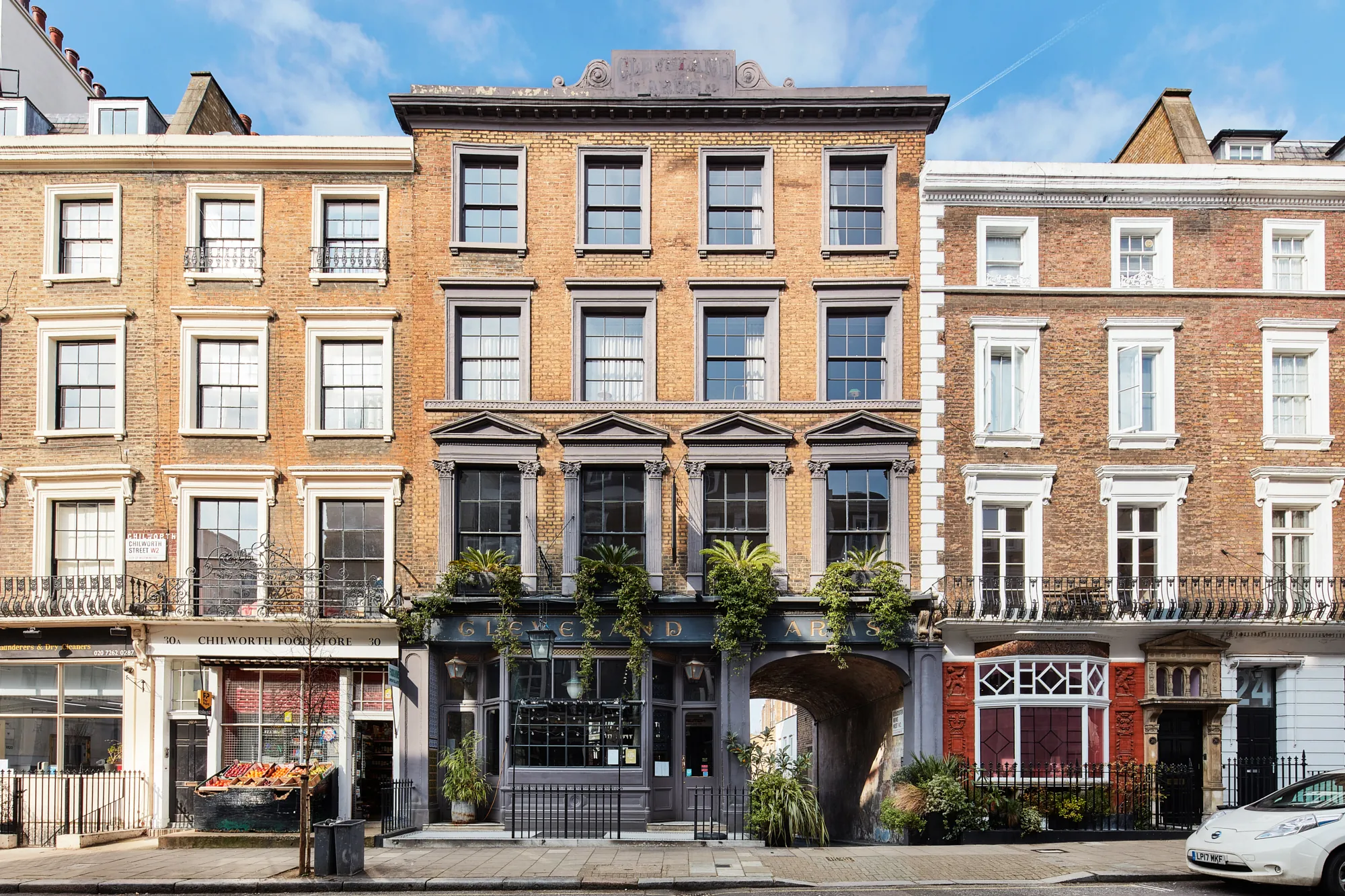
Is Marylebone a nice place to live? For those seeking a rare combination of village charm and metropolitan sophistication, this elegant enclave in central London presents a compelling case. With its tree-lined streets, independent boutiques, and architectural grandeur, Marylebone has evolved into one of the capital's most sought-after residential addresses. Our team at Seymont London has watched this neighbourhood consistently attract discerning residents who value quality of life without compromising on central London convenience.
The Character and Appeal of Marylebone London
Marylebone occupies a distinctive position in the capital's geography, bounded by Regent's Park to the north and Oxford Street to the south. Unlike neighbouring districts that sacrifice residential tranquillity for commercial bustle, Marylebone maintains an enviable balance between the two.
The neighbourhood's centrepiece, Marylebone High Street, exemplifies this character perfectly. Rather than succumbing to chain stores, the thoroughfare hosts independent cafes, artisan bakeries, and specialist retailers that foster a genuine village atmosphere. Residents can browse La Fromagerie for rare cheeses, visit Daunt Books' original Edwardian premises, or enjoy weekend farmers' markets without travelling beyond their postcode.
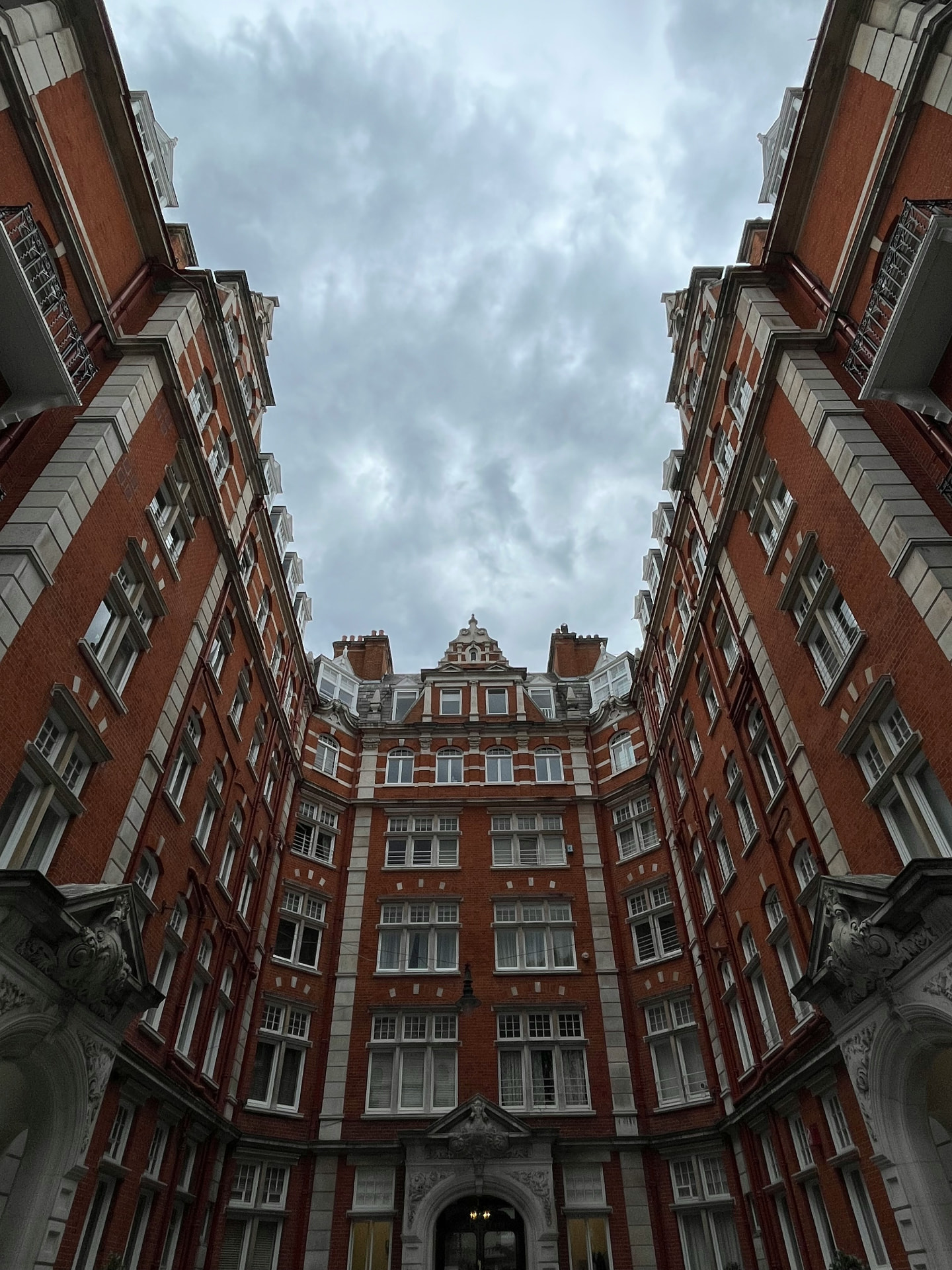
Architecturally, the area showcases Georgian and Victorian elegance through garden squares such as Manchester Square and Montagu Square. These carefully preserved spaces provide green sanctuaries where the noise of central London fades to a distant murmur. The stucco-fronted townhouses and purpose-built mansion blocks surrounding these squares represent some of London's finest period residential architecture.
This distinctive character makes Marylebone particularly attractive to professionals, downsizers from larger London homes, and international buyers seeking an authentic London experience. Our team at Seymont London regularly works with clients drawn specifically to the neighbourhood's refined, understated elegance.
Property Market Insights: What the Data Reveals
According to HM Land Registry data, Marylebone recorded a median property price of £995,000 across 66 sales in the most recent reporting period. The market composition reveals the area's predominantly lateral living character, with flats accounting for 46 transactions at a median of £838,750. For those seeking houses to sale in Marylebone, terraced properties commanded a median of £3,125,000, reflecting the premium placed on rare family homes in this central location.
The rental market, based on ONS data, demonstrates equally robust demand. Studio apartments range from £1,550 to £2,425 monthly, whilst one-bedroom properties typically command between £2,050 and £3,200. Families seeking three-bedroom homes should anticipate monthly rents between £3,725 and £5,800, whilst larger four-bedroom properties range from £4,950 to £7,750.
These figures position Marylebone firmly in the premium segment of London's property market, though prices reflect the exceptional convenience and quality of life the area provides. For investors and owner-occupiers alike, the neighbourhood's enduring appeal and limited housing stock typically ensure strong capital appreciation over medium to long-term horizons.
Those exploring <a href="/property-for-sale/marylebone">property for sale in Marylebone</a> should note that well-presented lateral apartments and period conversions generate particularly keen interest, often securing offers within days of listing.
Dining, Shopping and Local Amenities
Marylebone's culinary landscape rivals any London neighbourhood, with establishments ranging from neighbourhood cafes to Michelin-regarded restaurants. Chiltern Firehouse continues to attract international attention, whilst The Ivy Café Marylebone offers all-day dining in elegant surroundings. For everyday breakfast requirements, residents favour Fischer's for Viennese pastries or Gail's Bakery for artisan coffee and morning provisions.
Those seeking a traditional Marylebone pub will find The Gunmakers on Aybrook Street or The Duke of Wellington on Crawford Street, both offering carefully curated beer selections and seasonal menus. For cocktails, bars in Marylebone such as Artesian at The Langham or The Wigmore provide sophisticated evening venues without requiring a taxi journey.
Beyond hospitality, the shops on Marylebone High Street and surrounding lanes provide genuine convenience. Waitrose, Marks & Spencer Food Hall, and independent grocers ensure residents can complete daily errands on foot. Marylebone Lane hosts antique dealers and vintage boutiques, whilst Chiltern Street has emerged as a destination for contemporary homeware and fashion.
Proximity to medical excellence represents another practical advantage. Harley Street's concentration of private specialists sits immediately adjacent, whilst The Portland Hospital and The London Clinic provide comprehensive medical facilities. These amenities contribute significantly to Marylebone's appeal among residents who value proximity to premium services.
Talk to Seymont
What's your home worth?
A considered view on price, timing and how to bring your London home to market — a personal reply within 24 hours.
Your property
Step 1 of 2Transport Links and Connectivity
Marylebone Station provides direct services to the Chilterns, Oxford, and Birmingham, making the area particularly attractive to those maintaining professional connections beyond London. The station also serves as a gateway to Heathrow via the Elizabeth Line interchange at Paddington, reachable in under ten minutes.
Underground connectivity proves equally comprehensive. Baker Street station offers access to five Tube lines (Bakerloo, Circle, Hammersmith & City, Jubilee, and Metropolitan), whilst Bond Street (Central and Elizabeth lines) and Oxford Circus (Bakerloo, Central, and Victoria) sit within comfortable walking distance. This transport density enables residents to reach Canary Wharf in 25 minutes or King's Cross in 15 minutes.
For those exploring pubs near Marylebone station specifically, The Barley Mow and The Windsor Castle both sit within two minutes' walk, offering convenient meeting points or post-commute refreshment.
Cycling infrastructure continues improving, with protected lanes along Baker Street and east-west routes providing safer journeys. Regent's Park's Outer Circle offers traffic-free recreational cycling, whilst the area's generally flat terrain encourages two-wheeled transport for local errands.

Pros and Cons of Living in Marylebone: A Balanced Assessment
When weighing the pros and cons of living in Marylebone, we believe residents should consider several factors. On the positive side, the neighbourhood offers unmatched convenience for central London professionals, with most West End offices reachable within 20 minutes. The village atmosphere, rare in Zone 1, creates a genuine sense of community often absent in more transient central areas. Cultural amenities including The Wallace Collection and Wigmore Hall provide intellectual enrichment on the doorstep, whilst Regent's Park offers green space that many central London districts lack entirely.
The area's relative safety represents another significant advantage. Whilst no urban neighbourhood eliminates crime entirely, Marylebone's residential character and active community contribute to lower incident rates compared to more commercially dominated nearby districts. Many residents in Marylebone reviews cite feeling secure walking home after evening engagements, though standard London vigilance naturally applies.
Balancing these advantages, prospective residents should acknowledge certain limitations. Property prices and rental costs position Marylebone among London's most expensive neighbourhoods, making it inaccessible to many. Parking proves challenging and expensive, with resident permits commanding premiums and off-street spaces rarely available. Families may find the limited number of larger homes and smaller gardens constraining compared to outer London alternatives.
The immediate proximity to Oxford Street brings both advantage and drawback—convenience for shopping balanced against weekend tourist crowds. Similarly, whilst the area maintains relative tranquillity, it remains Zone 1 London with accompanying urban noise levels.
For those to whom these considerations present acceptable trade-offs, our <a href="/estate-agents/marylebone">estate agents in Marylebone</a> can provide detailed guidance on finding the right property match.
Is Marylebone Safe and Suitable for Families?
Regarding whether Marylebone is safe, the neighbourhood benefits from active neighbourhood policing and relatively low crime rates for central London. The residential character means streets remain populated throughout evening hours, whilst established community networks contribute to collective vigilance. As with any London location, we recommend residents maintain awareness of surroundings and secure properties appropriately, but many find Marylebone offers greater peace of mind than more transient central districts.
Family suitability depends largely on educational priorities and space requirements. Several well-regarded schools serve the area, including The Hall School, Wetherby Pre-Preparatory, and Queen's College London. However, competition for places remains intense, and many families supplement with private tutoring. Gardens typically prove smaller than suburban alternatives, making Regent's Park's 395 acres particularly valuable for children's outdoor activity.
Those seeking houses to rent in Marylebone with gardens should adjust expectations accordingly—such properties exist but command significant premiums and rarely remain available long. Our team frequently advises families to prioritise proximity to Regent's Park and excellent transport links over private outdoor space, though this represents a personal calculation each household must make.
For detailed insights into current availability and <a href="/house-prices/marylebone">house prices in Marylebone</a>, we maintain comprehensive market intelligence based on daily transaction activity.
Talk to Seymont
What's your home worth?
A considered view on price, timing and how to bring your London home to market — a personal reply within 24 hours.
Your property
Step 1 of 2About the author
Thomas LindqvistMortgage & Financing Specialist
Thomas advised buyers for a decade at Ashgrove Financial, an independent brokerage, on borrowing capacity, product selection and the full cost of a purchase, including stamp duty, legal fees and lender charges. He follows rate decisions and lender criteria changes and translates them into what a household can realistically afford. His guides cover affordability, remortgaging and the closing costs that buyers routinely underestimate.
CeMAP qualified · Whole-of-market mortgage advice background
- Mortgages
- Affordability
- Closing costs
- Remortgaging
Frequently asked
- What is the typical commute time from Marylebone to major London business districts?
- Marylebone offers exceptional connectivity to London's key employment centres. The City and Canary Wharf are reachable in 20-30 minutes via multiple Underground routes, whilst West End offices often sit within walking distance or a single Tube stop. King's Cross, increasingly important for technology and creative sectors, is approximately 15 minutes away. The concentration of five Tube lines at Baker Street provides unusual flexibility for route planning.
- Are properties in Marylebone predominantly flats or houses?
- The market heavily favours lateral apartments and mansion flats, which represented 46 of 66 recent sales according to HM Land Registry data. Terraced houses exist but remain rare, typically concentrated around garden squares and commanding significant premiums. Many period houses have been converted into flats, meaning intact single-family dwellings are exceptional finds that attract intense competition when listed.
- What makes Marylebone High Street special compared to other London shopping areas?
- Marylebone High Street distinguishes itself through an unusually high concentration of independent retailers, artisan food shops, and owner-operated restaurants. Unlike many central London thoroughfares dominated by international chains, the street has maintained its village character through careful management and landlord selection. The Sunday farmers' market, acclaimed bookshops, and specialist food purveyors create a genuine neighbourhood hub rather than a tourist destination.
- How does Marylebone compare to neighbouring Fitzrovia or Bloomsbury for residential living?
- Marylebone typically offers a more refined, established residential atmosphere compared to Fitzrovia's edgier, media-oriented character or Bloomsbury's academic focus. The neighbourhood attracts slightly older demographics and families seeking stability, whereas Fitzrovia appeals to creative professionals and younger buyers. Marylebone's superior retail offering and proximity to Regent's Park represent key differentiators, though these advantages reflect in property pricing approximately 10-15% above comparable neighbouring properties.
- Is parking available for residents in Marylebone?
- Parking presents one of Marylebone's practical challenges. Westminster Council resident permits are available but costly, and on-street spaces remain scarce given the high residential density. Some period conversions and purpose-built blocks include allocated spaces or access to nearby car parks, commanding substantial premiums. Many residents forgo private vehicles entirely, relying instead on the area's exceptional public transport, car clubs, and taxi availability for occasional driving needs.