Journal
Is Knightsbridge a Nice Place to Live?
Written by Amara Bennett · Property Market Analyst
Published 6 July 2026 · Updated 19 July 2026 · 9 min read
The short answer
When prospective residents ask us is Knightsbridge a nice place to live, we find ourselves describing one of London's most distinguished postcodes—a neighbourhood where Georgian terraces stand alongside world-class museums, where Harrods' distinctive terracotta façade anchors a retail landscape of international repute, and where Hyde Park's 350 acres provide an unexpected sanctuary of green space. Our team has worked extensively across this SW1, SW3 and SW7 enclave, and we've witnessed firsthand how Knightsbridge continues to attract discerning buyers and tenants who value its unique combination of central location, cultural richness, and refined urban living.
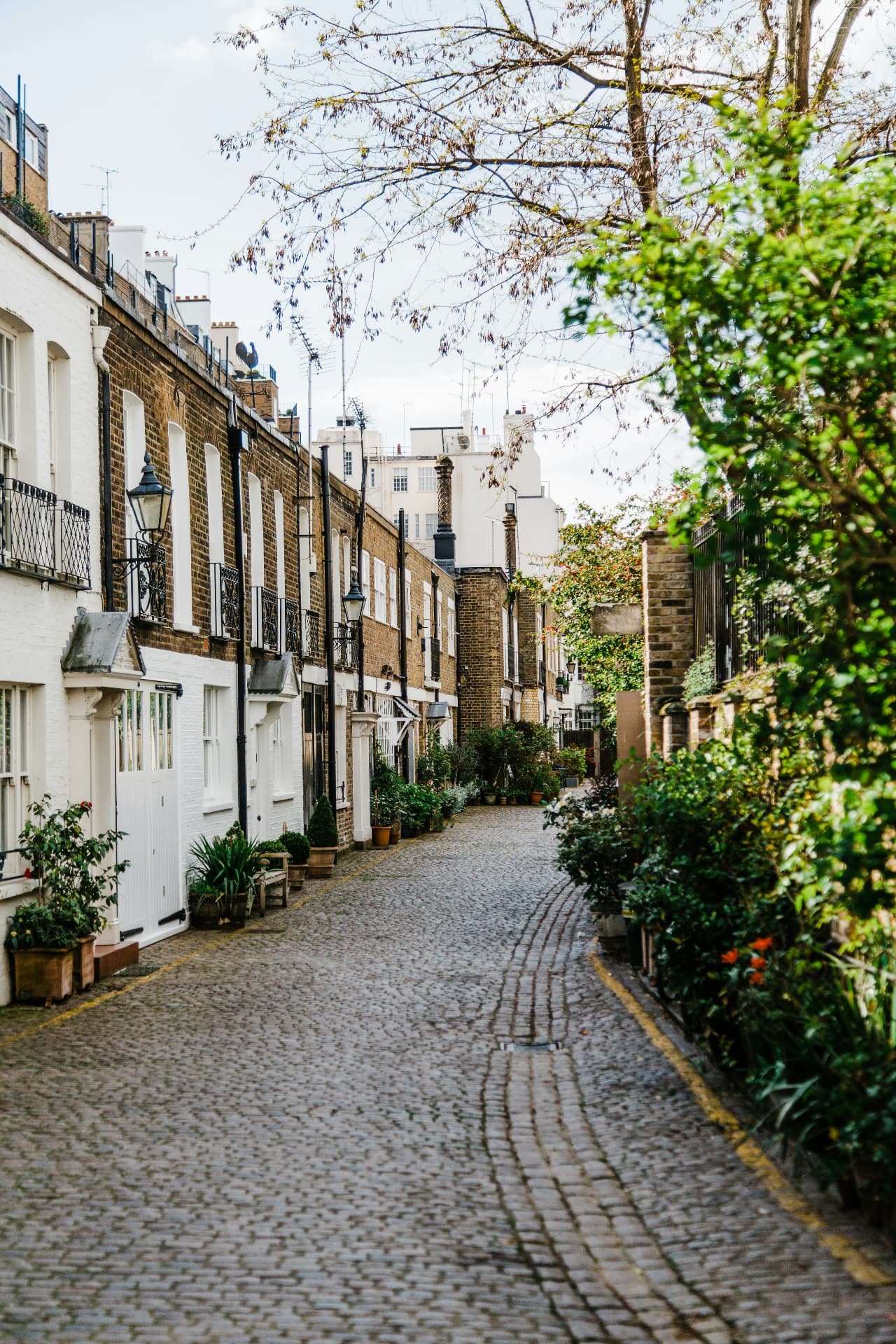
When prospective residents ask us is Knightsbridge a nice place to live, we find ourselves describing one of London's most distinguished postcodes—a neighbourhood where Georgian terraces stand alongside world-class museums, where Harrods' distinctive terracotta façade anchors a retail landscape of international repute, and where Hyde Park's 350 acres provide an unexpected sanctuary of green space. Our team has worked extensively across this SW1, SW3 and SW7 enclave, and we've witnessed firsthand how Knightsbridge continues to attract discerning buyers and tenants who value its unique combination of central location, cultural richness, and refined urban living. This address carries a prestige that extends far beyond property values, offering a lifestyle that balances cosmopolitan energy with residential tranquillity in a way few London neighbourhoods can match.
The Knightsbridge Property Landscape
The most recent HM Land Registry data reveals that Knightsbridge recorded 33 property sales with a median price of £2,150,000, reflecting the area's position at the premium end of London's property market. Flats dominated transactions with 17 sales at a median of £1,550,000, whilst terraced properties commanded significantly higher values at a median of £3,600,000 across 9 sales. The range is considerable—from a minimum of £150,000 to a remarkable maximum of £35,500,000—demonstrating the diversity of property types available, from investment studios to palatial family residences.
For those considering rental options, ONS data shows monthly costs spanning from £3,375–£5,275 for a studio through to £14,200–£22,150 for five-bedroom properties. A two-bedroom apartment typically ranges between £6,075 and £9,500 per calendar month, positioning Knightsbridge firmly within London's most exclusive rental markets. These figures reflect not merely location, but the calibre of building stock, porter services, and the immaculate presentation standards that characterise the area.
Our experience at [Seymont London](/estate-agents/knightsbridge) shows that buyers in Knightsbridge prioritise different factors than in other prime central London locations. Period conversions in red-brick mansion blocks along Pont Street and Cadogan Place attract those seeking character and generous ceiling heights, whilst modern developments near Harrods appeal to international purchasers valuing concierge services and turnkey specification. The [property for sale in Knightsbridge](/property-for-sale/knightsbridge) typically benefits from exceptional build quality, whether Victorian, Edwardian, or contemporary.
It's worth noting that the 'other' property category in the Land Registry data—showing sales between £99,999 and £35,500,000—often includes commercial conversions, mews houses, and unique architectural propositions that defy standard classification. This variety means prospective residents can find everything from a pied-à-terre near Sloane Street to a substantial family house with private garden access to the communal squares that punctuate the area's most prestigious streets.
Knightsbridge Reviews: What Residents Value Most
When we gather Knightsbridge reviews from our clients and the broader residential community, several themes emerge consistently. The neighbourhood's walkability ranks exceptionally high—residents can reach the Royal Albert Hall in twelve minutes, the West End's theatreland in twenty, and the City via a straightforward Tube journey. This centrality proves invaluable for professionals who value time, families accessing London's premier schools, and those who simply prefer urban life without the tyranny of lengthy commutes.
The cultural offering distinguishes Knightsbridge from purely residential or commercial quarters. The Victoria and Albert Museum, Natural History Museum, and Science Museum cluster in neighbouring South Kensington, accessible via a pleasant walk through garden squares. The Royal Albert Hall and Hyde Park create opportunities for outdoor concerts, Proms performances, and spontaneous Sunday strolls that residents cite as quality-of-life essentials. Knightsbridge itself hosts smaller galleries, the Mandarin Oriental's acclaimed spa, and Berkeley Hotel's renowned afternoon tea—touchstones of gracious living that residents integrate into weekly routines rather than treat as occasional luxuries.
The retail landscape extends well beyond Harrods, though the department store undeniably shapes the area's character and convenience. Sloane Street's flagship boutiques—Hermès, Chanel, Dior—attract global visitors, yet residents appreciate the everyday utility of Waitrose on Motcomb Street, the independent wine merchants on Walton Street, and the artisan bakeries that serve the residential side streets. This duality—international destination and functional neighbourhood—creates an atmosphere quite unlike Oxford Street's pure commercialism or Mayfair's corporate polish.
Our team consistently hears that Knightsbridge's international community represents both attraction and consideration. The area draws diplomats, established international families, and returning British expatriates, creating a cosmopolitan social fabric. Schools nearby—including the French Lycée, numerous international primaries, and proximity to leading independents—support this diversity. For some, this global character enhances the living experience; others prefer neighbourhoods with a more distinctly local British flavour.
Is Knightsbridge Safe? Security and Practical Considerations
Prospective residents frequently ask us is Knightsbridge safe, and the evidence strongly supports its reputation as one of London's most secure neighbourhoods. The combination of substantial private security—many buildings employ 24-hour porters and sophisticated entry systems—and active Metropolitan Police presence creates multiple layers of protection. The area benefits from the security infrastructure supporting nearby diplomatic residences and high-value retail, resulting in well-lit streets, CCTV coverage, and rapid response times.
Residential crime rates remain notably low relative to London averages, though residents should maintain the same urban awareness appropriate anywhere in central London. The concentration of wealth does attract opportunistic crime targeting vehicles and occasional burglaries, but modern buildings' security specifications and residents' security-consciousness mitigate these risks considerably. We advise clients to prioritise properties in buildings with professional management and established security protocols.
Traffic and parking present more immediate daily considerations than personal safety. Knightsbridge sits within the Congestion Charge zone, and residents must navigate permit systems managed by Westminster and Kensington & Chelsea councils depending on precise location. Many period conversions offer limited or no parking, whilst newer developments typically include underground spaces commanding premium valuations. For families requiring vehicle access, this represents a genuine constraint worth investigating during property searches through our [house prices service](/house-prices/knightsbridge).
The neighbourhood's density and popularity create occasional congestion, particularly on Brompton Road during retail hours and when exhibitions open at the museums. However, the extensive public transport network—Knightsbridge station on the Piccadilly line, nearby South Kensington and Sloane Square stations, and numerous bus routes—means most residents find private vehicles unnecessary for daily London navigation. Those who value walking and public transport over driving find Knightsbridge ideally configured to their preferences.
Talk to Seymont
What's your home worth?
A considered view on price, timing and how to bring your London home to market — a personal reply within 24 hours.
Your property
Step 1 of 2Pros and Cons of Living in Knightsbridge: A Balanced Assessment
Any honest exploration of the pros and cons of living in Knightsbridge must acknowledge that this neighbourhood serves a specific demographic exceptionally well whilst proving less suitable for others. The advantages begin with location—few addresses offer equivalent proximity to both West End culture and City finance, to Hyde Park's greenery and South Kensington's museums, to international transport links and London's finest dining. This centrality compresses journey times and expands lifestyle options in ways that profoundly affect daily experience.
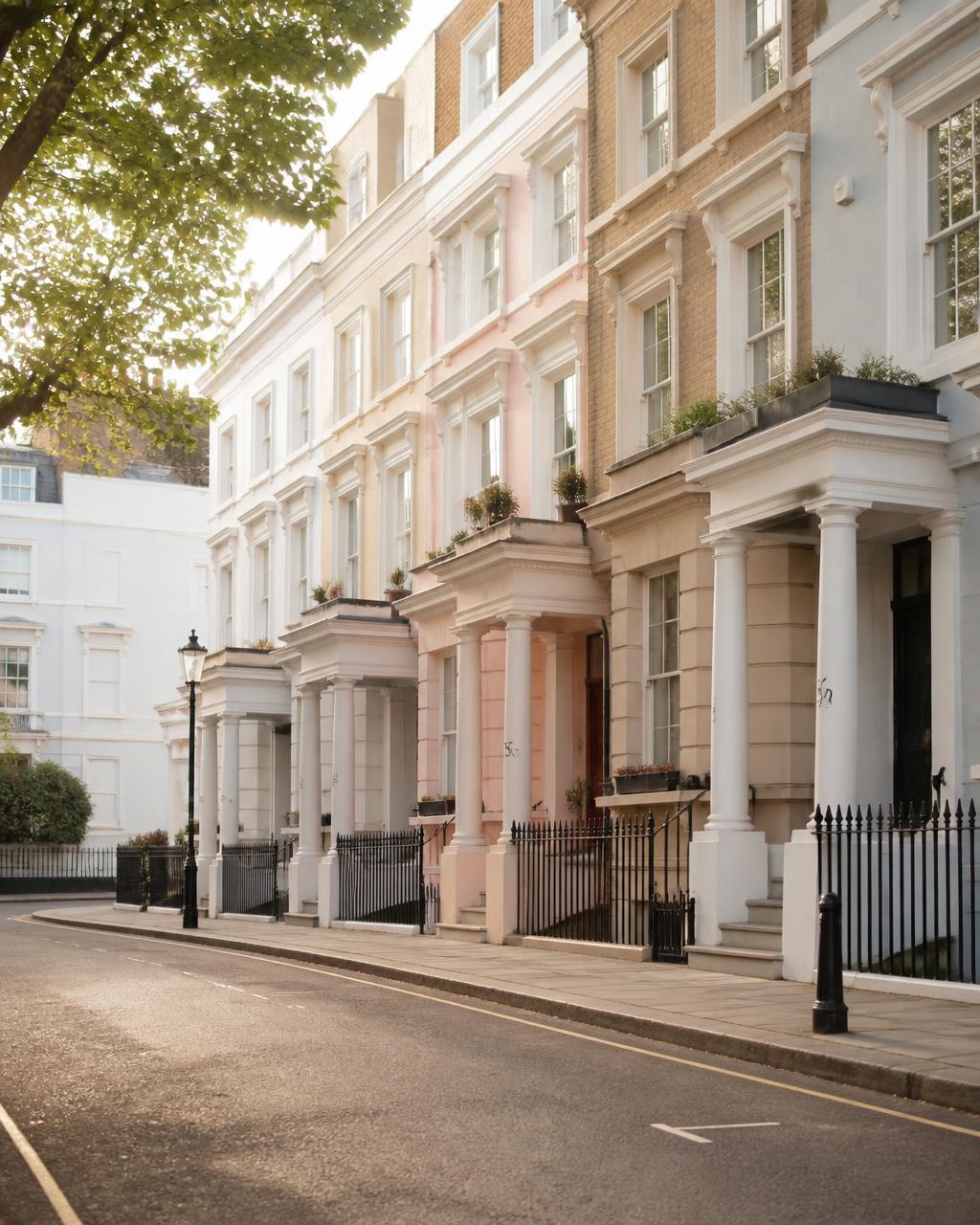
The built environment delivers consistent quality. Whether considering a Nash-influenced stucco terrace, a red-brick Edwardian mansion block, or a contemporary glass-and-limestone development, construction standards and maintenance levels typically exceed London norms. Buildings often feature passenger lifts, porter services, well-funded reserves, and professional management—practical considerations that reduce the friction of London living. The neighbourhood's established character means planning restrictions generally prevent developments that might compromise architectural harmony or residential amenity.
The international community and cosmopolitan atmosphere create linguistic diversity, culinary variety, and cultural breadth that families with global connections particularly value. Children growing up in Knightsbridge encounter multiple languages, diverse traditions, and an innately international perspective on urban life. The area's schools, from nurseries through secondary level, reflect and support this diversity with multilingual programmes and internationally-minded curricula.
Counterbalancing these advantages, the property costs represent a genuine barrier. Even acknowledging that clients seeking Knightsbridge typically possess substantial resources, the premium over neighbouring areas like South Kensington or Belgravia can reach 20-30% for comparable specifications. Those exploring [letting your property](/let-your-property/knightsbridge) opportunities find strong rental demand, but yields remain compressed relative to emerging areas where capital growth may prove more dynamic.
The neighbourhood lacks the village intimacy of Hampstead, the bohemian creativity of Notting Hill, or the residential quiet of Highgate. Traffic noise on principal roads, tourist activity near major attractions, and the constant commercial energy create an urban soundscape some find stimulating, others wearing. Families with young children sometimes prefer areas with larger gardens, dedicated play spaces, and more enclosed residential streets. Knightsbridge offers Hyde Park and several garden squares, but private outdoor space comes at a significant premium or proves entirely unavailable in many buildings.
Finally, the very internationalism that attracts some residents may feel transient to others seeking deeper community roots. Corporate relocations, diplomatic postings, and investment ownership patterns mean neighbourly relationships can prove more fluid than in areas with multi-generational family continuity. We've observed that residents who most thrive in Knightsbridge either embrace this cosmopolitan turnover or establish community connections through schools, clubs, and cultural institutions rather than purely geographical proximity.
The Knightsbridge Lifestyle: Day-to-Day Realities
Understanding whether Knightsbridge suits individual circumstances requires looking beyond property specifications to daily routines. Morning coffee might mean Berkeley Square's artisan roasters, Harrods' food halls, or the Mandarin Oriental's bar. Weekend shopping encompasses farmers' markets on Pimlico Road, Whole Foods in South Kensington, or simply the convenience of everything deliverable within thirty minutes. Exercise options span Hyde Park's running routes, exclusive private gyms, hotel spas, and boutique fitness studios catering to every methodology from reformer Pilates to high-intensity interval training.
Dining in Knightsbridge and immediate surrounds ranges from Dinner by Heston's inventive British cuisine to Bar Boulud's Lyonnaise brasserie style, from Zuma's contemporary Japanese to traditional English establishments that have served the area for generations. Residents develop favourites among smaller neighbourhood restaurants on Beauchamp Place and Walton Street, establishments that welcome regulars and provide the comfortable familiarity that transforms a prestigious address into an actual home.
For families, the area delivers mixed practicalities. Schools of genuine excellence sit within walking distance or short commutes, and the museums provide educational enrichment that becomes wonderfully routine rather than special-occasion. However, the density means children's social lives require organisation—nearby friends may live in different buildings rather than adjacent houses, and outdoor play happens in managed parks rather than spontaneous street games. Some families thrive within this structured urban childhood; others eventually migrate toward suburbs offering more independent roaming space.
Professionals find Knightsbridge's transport connections invaluable. The Piccadilly line reaches Heathrow directly, the Victoria and Circle lines sit minutes away, and black cabs remain reliably available. International business travellers particularly value these connections, turning London stopovers into genuine home time rather than airport hotel expedience. The neighbourhood has cultivated services supporting this demographic—dry cleaners offering same-day service, grocers delivering until late evening, and building porters accepting packages during working hours.
Making the Decision: Is Knightsbridge Right for You?
After decades serving London's property market, we've observed that successful Knightsbridge residents share certain priorities regardless of their diverse backgrounds. They value location over space, choosing a two-bedroom apartment steps from Hyde Park over a four-bedroom house in Zone 3. They appreciate quality and provenance, whether in architecture, retail, or cultural institutions. They're comfortable in international environments where English, French, Arabic, and Mandarin might be heard in a single Harrods visit. And they possess the financial resources to access this lifestyle without compromise—Knightsbridge rewards those who can afford its entry price handsomely, but it makes few concessions to budget constraints.
For buyers questioning whether the area justifies its premium pricing, we suggest extended visits at different times—weekday mornings when commuters depart, weekend afternoons when families populate the parks, and evenings when the neighbourhood transitions from commercial buzz to residential calm. Walk the side streets behind Brompton Road where the tourist presence fades and the residential character emerges. Visit the smaller garden squares that provide communal green space for surrounding properties. Assess whether the cultural assets you'd genuinely use—whether museums, concerts, or dining—offset the costs of accessing them from your doorstep.
The question "is Knightsbridge a nice place to live" ultimately yields a qualified affirmative: extraordinarily nice for those whose lifestyle, resources, and preferences align with its particular character; less compelling for those prioritising different qualities. Our role involves helping clients determine which category describes their circumstances, then navigating the specific property opportunities that will serve their individual needs. The neighbourhood's enduring appeal across generations and nationalities confirms that for its target audience, few London addresses compete—but discerning whether you belong to that audience requires honest assessment of what you truly value in urban living.
Talk to Seymont
What's your home worth?
A considered view on price, timing and how to bring your London home to market — a personal reply within 24 hours.
Your property
Step 1 of 2About the author
Amara BennettProperty Market Analyst
Amara spent seven years as a market analyst at Kestrel Lane Research, a small London property consultancy, before joining our editorial desk. She reads sold-price and rental data street by street to explain how individual London postcode districts actually behave, and reviews every price figure we publish. Her focus is separating headline national averages from what a specific address is worth today.
MSc Real Estate Economics · Seven years in property market research
- Valuations
- Local market data
- Sold prices
- Pricing strategy
Frequently asked
- What is the average property price in Knightsbridge?
- According to HM Land Registry data, the median property price in Knightsbridge stands at £2,150,000. Flats sell at a median of £1,550,000, whilst terraced houses command a median of £3,600,000. The market spans from approximately £150,000 for smaller properties up to £35,500,000 for exceptional residences, reflecting the area's diverse property portfolio from compact studios to substantial family homes.
- How much does it cost to rent in Knightsbridge?
- ONS data shows Knightsbridge rental costs ranging from £3,375–£5,275 monthly for studios, £4,450–£6,975 for one-bedroom properties, and £6,075–£9,500 for two-bedroom apartments. Larger family homes command £8,100–£12,650 for three bedrooms, £10,825–£16,875 for four bedrooms, and £14,200–£22,150 for five-bedroom properties. These figures reflect the premium nature of the area and the quality of available accommodation.
- Is Knightsbridge well connected for commuting?
- Knightsbridge offers excellent transport connections through Knightsbridge station on the Piccadilly line, with additional access to nearby South Kensington (Piccadilly, District, Circle lines) and Sloane Square (District, Circle lines). The Piccadilly line provides direct access to Heathrow Airport, whilst connections to the City, West End, and other London areas remain straightforward. Numerous bus routes and black cab availability further enhance connectivity throughout central London.
- What are the best things about living in Knightsbridge?
- Knightsbridge residents consistently cite the area's central location, cultural amenities, and quality of life as primary advantages. Proximity to Hyde Park, the Victoria and Albert Museum, Natural History Museum, and Royal Albert Hall provides daily enrichment. The neighbourhood combines world-class retail with functional local services, excellent schools, strong security, and an international community. The concentration of fine dining, premium property standards, and walkability to multiple London destinations create a lifestyle that few addresses can match.
- Does Knightsbridge suit families with children?
- Knightsbridge can serve families well, particularly those valuing educational excellence, cultural exposure, and international environments. The area offers access to outstanding schools including international institutions, proximity to museums that become educational resources, and Hyde Park for outdoor activity. However, families should consider that private gardens remain rare, properties deliver less space per pound than outer areas, and the urban density means children's independence develops differently than in suburban or village settings. Families embracing structured urban childhood typically thrive here.