Journal
Is Islington a Nice Place to Live?
Written by Amara Bennett · Property Market Analyst
Published 8 June 2026 · Updated 18 August 2026 · 7 min read
The short answer
Is Islington a nice place to live? The short answer is a resounding yes—but like any London borough, it rewards those who understand its character. We've spent years helping clients discover what makes this corner of north London so compelling, and our team has watched Islington evolve into one of the capital's most desirable postcodes.
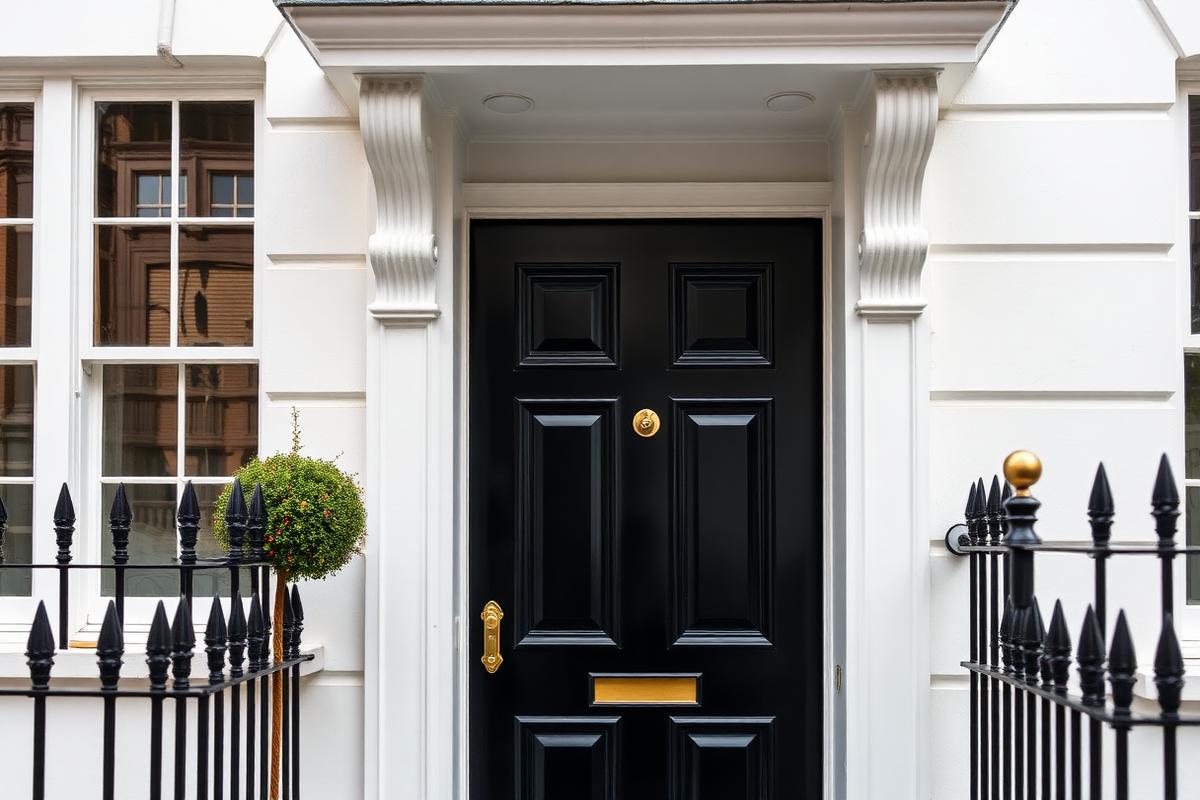
Is Islington a nice place to live? The short answer is a resounding yes—but like any London borough, it rewards those who understand its character. We've spent years helping clients discover what makes this corner of north London so compelling, and our team has watched Islington evolve into one of the capital's most desirable postcodes. From the bustling streets around Angel Islington to the leafy squares that punctuate its residential heart, this borough combines village-like charm with unmistakably urban energy. Whether you're weighing up the pros and cons of living in Islington or simply curious about what life here entails, this guide draws on local market data and our experience across every neighbourhood to give you the complete picture.
The Character of Islington: What Makes It Special
Islington has carved out a distinct identity that sits somewhere between Hampstead's polish and Shoreditch's edge. The borough stretches from the Victorian terraces of Barnsbury through to the Georgian elegance around Canonbury Square, taking in the commercial buzz of Upper Street and the quieter residential pockets of Highbury. What unites these neighbourhoods is an unmistakable sense of place—independent bookshops, farmers' markets, and a café culture that predates the current London-wide obsession.
The area around Angel Islington serves as the borough's beating heart, where the Northern Line deposits thousands of commuters daily into a streetscape of restaurants, theatres, and the iconic Angel tube station. Islington Green, though modest in size, functions as a genuine community focal point, hosting seasonal events and providing a rare patch of grass in this densely built environment. Meanwhile, Islington Angel (as locals often refer to the wider area) has become shorthand for a certain type of north London lifestyle—well-educated professionals, young families, and creatives who value independent businesses over chain retail.
Packington Square Islington exemplifies the borough's residential appeal: a gated development that proves modern architecture can sit comfortably alongside Victorian heritage. Throughout Islington London, you'll find this blend of old and new, where former industrial buildings house design studios and centuries-old pubs serve natural wine. It's this layering of history and contemporary culture that answers the question of whether Islington is a nice place to live for those seeking substance alongside style.
Property Market: What Your Money Buys
According to HM Land Registry data, the median property price in Islington stands at £635,000 across 302 recent sales—a figure that reflects the borough's position in London's upper echelon of desirability. The market is overwhelmingly dominated by flats, which accounted for 247 sales at a median of £570,000, ranging from £140,000 for smaller conversions to £2.3 million for exceptional lateral apartments. For those searching for a flat for sale Islington, expect Victorian conversions, ex-local-authority properties, and new-build developments to form the bulk of available stock.
Terraced houses command a significant premium, with a median price of £1.7 million based on 31 sales, reaching as high as £4.375 million for the finest examples on the most coveted streets. Semi-detached properties are rare—just seven sales recorded—with a median of £2.45 million, whilst detached houses are scarcer still. This scarcity drives consistent demand, and our experience at [Seymont London](/estate-agents/islington) shows that well-presented family homes rarely linger on the market.
Rental data from the ONS reveals the investment required for tenants: studios range from £1,000 to £1,550 per month, one-bedroom properties from £1,300 to £2,050, and two-bedroom homes from £1,800 to £2,800. Family-sized accommodation commands £2,375 to £3,725 for three bedrooms, rising to £3,175 to £4,975 for four-bedroom properties. Those seeking five or more bedrooms face monthly rents between £4,175 and £6,525. These figures position Islington firmly in the premium bracket, though many residents consider the location worth the premium when balanced against comparable areas.
For a detailed breakdown of recent transactions and street-by-street analysis, our [house prices guide](/house-prices/islington) offers comprehensive market intelligence that goes beyond headline figures.
Safety and Community: Islington Reviews from the Ground
When clients ask us "is Islington safe?", we're careful to provide context rather than generalisations. Like any inner London borough, Islington experiences urban crime, but the picture varies considerably by neighbourhood and street. Barnsbury, Canonbury, and the residential squares generally report lower crime rates, whilst areas with significant nightlife and transport hubs naturally see more incidents. Metropolitan Police data shows that most reported crime relates to theft and bicycle theft rather than violent offences, and the visible police presence around Angel and Upper Street reflects investment in community safety.
Islington reviews from residents consistently highlight the strength of community networks, particularly around primary schools and local parks. Highbury Fields, though technically bordering Islington, functions as the borough's largest green space and hosts everything from summer tennis to winter dog-walking communities. The Islington Farmers' Market has run since 1999, creating a Sunday ritual that brings neighbours together—these are the textures that make somewhere feel safe beyond mere statistics.
Our team regularly encounters families who've lived in Islington for decades, often moving within the borough rather than leaving it. This stability speaks to something deeper than property values: a sense that people know their neighbours, that local shops recognise regular customers, and that the community infrastructure—from residents' associations to neighbourhood forums—functions effectively. For those weighing whether Islington is a nice place to live, this social fabric often proves as important as the bricks and mortar.
Talk to Seymont
What's your home worth?
A considered view on price, timing and how to bring your London home to market — a personal reply within 24 hours.
Your property
Step 1 of 2Schools, Dining and Daily Life: The Pros and Cons of Living in Islington
Education ranks high among the reasons families choose Islington, with Islington primary schools including several Outstanding-rated institutions. Thornhill Primary, St Mary Magdalene Academy, and Canonbury Primary regularly appear on parents' shortlists, and the competition for places in catchment areas visibly affects property prices on surrounding streets. Our experience helping families find homes near a primary school in Islington has shown us that catchment boundaries can shift property values by tens of thousands of pounds within a few hundred metres. Secondary provision includes the well-regarded Highbury Fields School and City of London Academy Islington, alongside numerous independent options.
The restaurant Islington scene deserves its reputation, spanning from Michelin-starred Nopi on the borders through to the neighbourhood trattorias that line every residential street. Upper Street alone hosts dozens of restaurants Islington residents return to weekly, covering every cuisine and price point. The Screen on the Green cinema, Almeida Theatre, and Union Chapel (which functions as both church and concert venue) contribute to a cultural offering that punches well above many larger boroughs. This density of amenities means most residents walk rather than drive for daily needs—an increasingly rare luxury in outer London.
Yet the pros and cons of living in Islington require honest assessment. The borough's popularity means crowded pavements, particularly around Angel Islington during evening rush hour. Parking remains challenging and expensive, with most period properties lacking off-street spaces. The restaurant culture and nightlife that attract many residents also generate noise, and those seeking tranquillity should focus their search on quieter residential streets like Islington Park Street rather than the Upper Street corridor. Property costs remain the most significant barrier: while the median figures we've cited are achievable for well-paid professionals, they place Islington beyond many Londoners' reach.
For landlords, the rental demand remains robust, though recent regulatory changes require careful navigation. Our [property letting service](/let-your-property/islington) helps owners understand their obligations whilst maximising returns in what remains a landlord-friendly market for quality properties.
Transport, Work and Why People Stay
Islington's transport links function as a major draw: Angel and Highbury & Islington stations provide Northern Line and London Overground services, whilst King's Cross—technically in neighbouring Camden but easily reached—offers national rail and international Eurostar connections. The commute to the City takes 15 minutes, to the West End barely 10 minutes, positioning Islington perfectly for professionals working across central London. Multiple bus routes serve those destinations not covered by tube, and the relatively flat terrain makes cycling practical year-round.
The borough has embraced London's cycling revolution more successfully than many areas, with segregated lanes along several major routes and Lower Traffic Neighbourhoods reducing through-traffic on residential streets. This shift hasn't occurred without controversy—residents remain divided on LTNs—but the practical effect is that families feel more comfortable allowing children to cycle to school and adults can navigate the borough without a car. For those keeping vehicles, controlled parking zones cover most of the borough, with annual permits required.
When we ask long-term residents why they stay, the answers cluster around a few themes: the ability to walk to dinner, drinks, or a film without planning; the fact that neighbours become friends through school gates and local shops; the sense that Islington retains individuality despite London's increasing homogenisation. These intangibles don't appear in property listings, but they're what transforms a nice flat into a home and a postcode into a community. Anyone seriously considering whether Islington is a nice place to live should spend time here across different times and days, experiencing the rhythms that statistics cannot capture.
Our [property for sale listings](/property-for-sale/islington) are updated daily, and we're always available to discuss specific streets, buildings, or questions about making Islington your home.
Talk to Seymont
What's your home worth?
A considered view on price, timing and how to bring your London home to market — a personal reply within 24 hours.
Your property
Step 1 of 2About the author
Amara BennettProperty Market Analyst
Amara spent seven years as a market analyst at Kestrel Lane Research, a small London property consultancy, before joining our editorial desk. She reads sold-price and rental data street by street to explain how individual London postcode districts actually behave, and reviews every price figure we publish. Her focus is separating headline national averages from what a specific address is worth today.
MSc Real Estate Economics · Seven years in property market research
- Valuations
- Local market data
- Sold prices
- Pricing strategy
Frequently asked
- What is the average house price in Islington?
- According to HM Land Registry data, the median property price in Islington is £635,000. However, this varies significantly by property type: flats have a median of £570,000, terraced houses £1.7 million, and semi-detached properties £2.45 million. The market is dominated by flats, which account for the majority of sales, with prices ranging from £140,000 to over £2 million depending on size, condition, and location.
- Is Islington safe for families?
- Islington's safety profile varies by neighbourhood, as with any inner London borough. Residential areas like Barnsbury, Canonbury, and the quieter squares generally experience lower crime rates, whilst areas with nightlife and major transport hubs see more incidents, typically theft rather than violent crime. Many families have lived in Islington for generations, and the strong community networks around schools and parks contribute to residents feeling secure. We recommend visiting specific streets at different times to assess comfort levels.
- What are the best areas to live in Islington?
- The 'best' area depends on your priorities. Barnsbury and Canonbury offer elegant streets and strong primary schools, commanding premium prices. The area around Angel Islington provides maximum convenience for restaurants, transport, and nightlife but can feel busier. Highbury attracts families with its proximity to Highbury Fields and good school options. For value within the borough, consider areas slightly further from tube stations, though Islington's compact size means everywhere remains walkable to amenities.
- How much does it cost to rent in Islington?
- ONS data shows rental costs vary by property size: studios range from £1,000 to £1,550 monthly, one-bedroom flats £1,300 to £2,050, two-bedroom properties £1,800 to £2,800, and three-bedroom homes £2,375 to £3,725. Four-bedroom rentals cost £3,175 to £4,975, whilst five-bedroom properties range from £4,175 to £6,525 per month. These figures reflect Islington's position as a premium London borough, though quality of property and exact location create significant variation within these ranges.
- What are the schools like in Islington?
- Islington offers numerous well-regarded primary schools including Thornhill Primary, St Mary Magdalene Academy, and Canonbury Primary, several rated Outstanding by Ofsted. Competition for places is intense, and catchment areas significantly affect local property prices. Secondary provision includes Highbury Fields School and City of London Academy Islington alongside independent options. Parents should research current catchment boundaries carefully, as these can change, and note that proximity to outstanding primary schools can add tens of thousands to property values within a few streets.