Journal
Is Belgravia a Nice Place to Live?
Written by Nina Castellano · Investment Property Advisor
Published 10 November 2025 · Updated 27 December 2025 · 7 min read
The short answer
When considering is Belgravia a nice place to live, few London neighbourhoods command quite the same reverence as this distinguished enclave in SW1. Nestled between Knightsbridge, Chelsea and Westminster, Belgravia represents the pinnacle of London living, with its cream-stuccoed Georgian townhouses, garden squares and unmistakable air of quiet refinement.
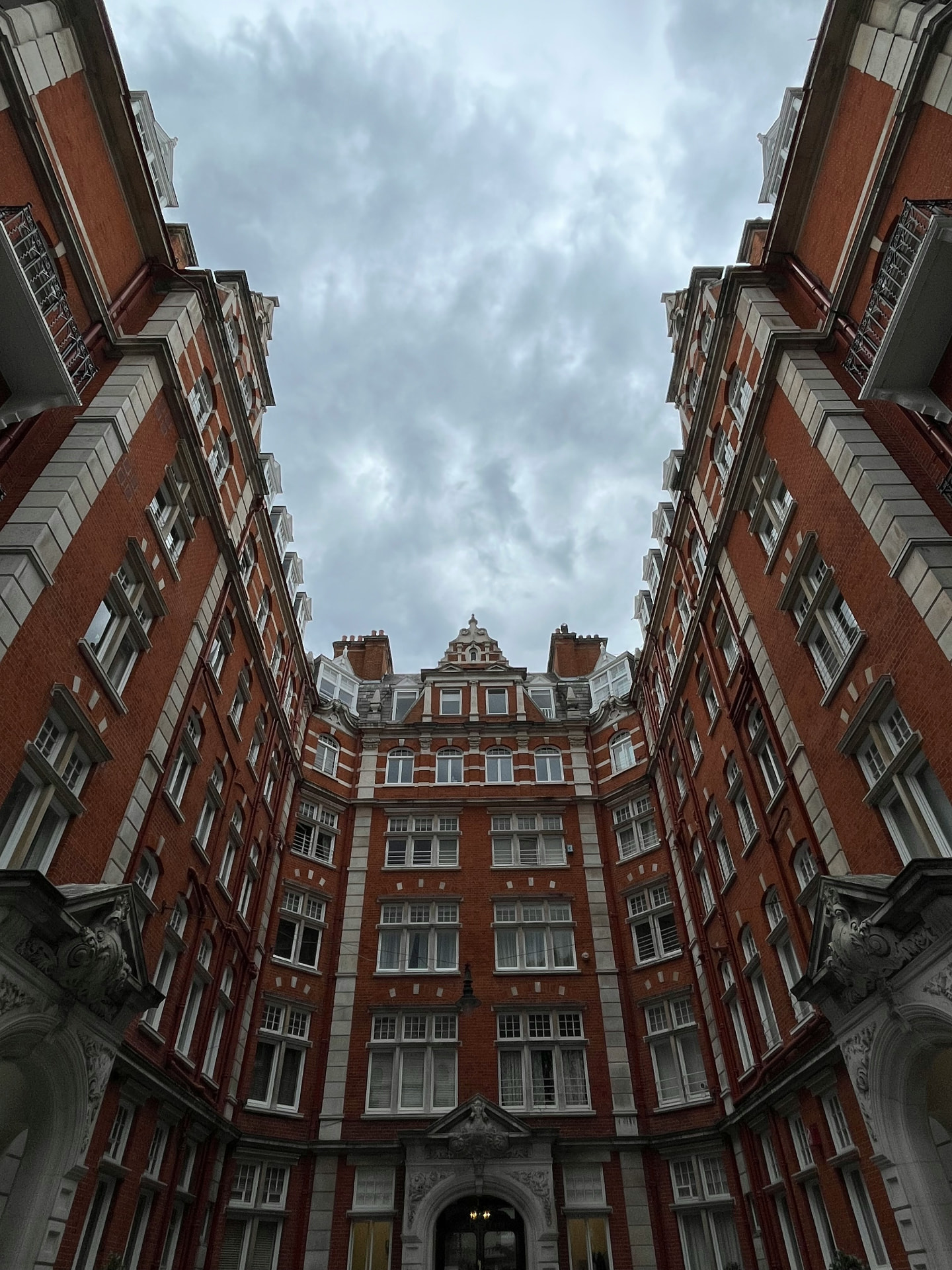
When considering is Belgravia a nice place to live, few London neighbourhoods command quite the same reverence as this distinguished enclave in SW1. Nestled between Knightsbridge, Chelsea and Westminster, Belgravia represents the pinnacle of London living, with its cream-stuccoed Georgian townhouses, garden squares and unmistakable air of quiet refinement. Our team regularly works with discerning clients seeking homes in this rarefied pocket of the capital, and we've witnessed first-hand why it continues to attract those who value architectural heritage, central location and an unparalleled quality of life. But does Belgravia's reputation match the reality? In this detailed guide, we examine everything from property prices to safety, dining to community, helping you determine whether this most exclusive of postcodes deserves a place on your shortlist.
The Architectural and Historical Character
Belgravia's visual identity is immediately recognisable. Developed by the Grosvenor family in the 1820s and 1830s, the area showcases some of Thomas Cubitt's finest work, with pristine white stucco façades, classical proportions and landscaped garden squares that have barely changed in two centuries. Eaton Square, Belgrave Square and Chester Square form the aristocratic heart of the neighbourhood, their private communal gardens accessible only to keyholders and offering rare green sanctuary in central London.
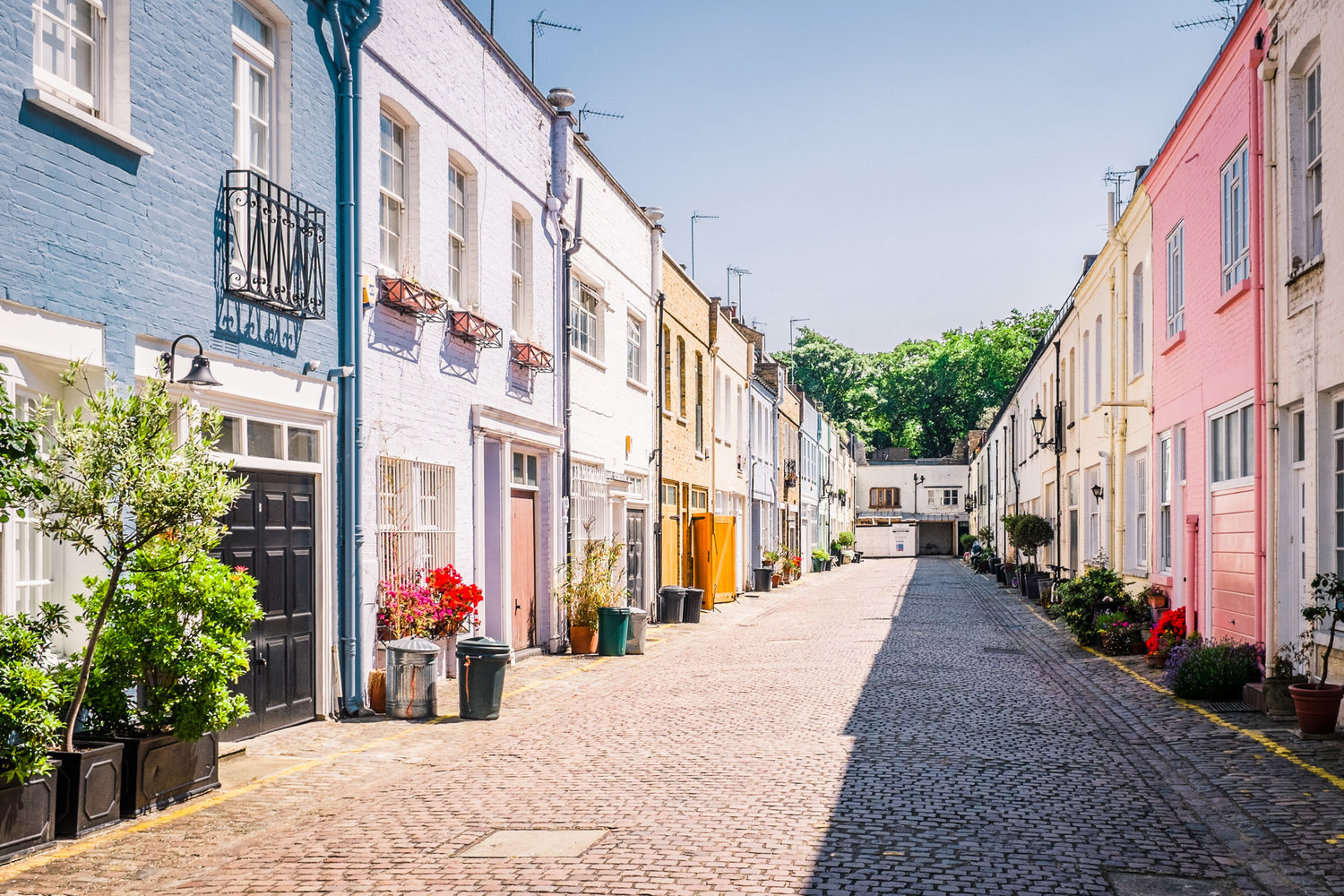
The architectural consistency creates an almost theatrical sense of elegance. Unlike areas that have seen piecemeal development, Belgravia London retains its original masterplan integrity. Grand terraced houses line quiet, tree-shaded streets, many still serving as single-family residences—a rarity in contemporary London. Mews properties, once stables and carriage houses, have been sensitively converted into sought-after homes that command premium prices whilst retaining their cobbled-street charm.
This commitment to preservation extends beyond aesthetics. The Grosvenor Estate maintains strict controls over shopfronts, signage and building alterations, ensuring that modern commerce integrates sympathetically with historical fabric. The result is a neighbourhood where contemporary luxury sits comfortably alongside Georgian grandeur, from Michelin-starred establishments to boutique hotels in Belgravia that occupy meticulously restored period buildings.
For those who appreciate architectural purity and historical continuity, Belgravia offers something increasingly scarce: an entire district that functions as a living museum of Regency London, yet remains vibrantly residential rather than fossilised.
Property Market and Investment Perspective
According to HM Land Registry data, Belgravia's property market reflects its elite status. In the most recent reporting period, the median sale price reached £1,800,000 across 28 transactions. The market shows considerable variation by property type: flats achieved a median of £1,049,280 (ranging from £330,000 to £4,850,000), whilst terraced houses commanded £2,812,500 (from £1,250,000 to £11,000,000). This data underscores Belgravia's position as one of London's most significant residential investment markets.
For those exploring property for sale Belgravia or considering Belgravia property for sale, understanding the rental landscape proves equally important. ONS figures indicate that studio apartments rent from £2,750 to £4,300 monthly, one-bedroom properties from £3,625 to £5,675, and two-bedroom homes from £4,950 to £7,725. At the upper end, five-bedroom-plus residences command £11,550 to £18,025 per month, reflecting the scarcity of larger family homes in such a central location.
We observe that Belgravia attracts a particular buyer profile: international families seeking pied-à-terre properties, established professionals valuing the Westminster postcode, and investors who appreciate the area's enduring appeal. Properties on South Eaton Place Belgravia and along similarly prestigious addresses rarely remain on the market long, often transacting privately before wider marketing occurs.
The investment case rests not merely on current values but on Belgravia's historical resilience. Whilst London's property landscape shifts, this neighbourhood has maintained its cachet across economic cycles, supported by limited housing stock, stringent planning controls and proximity to Mayfair, Knightsbridge and the West End. For our clients considering houses to sale or exploring houses to rent, Belgravia represents a blue-chip holding in London's residential portfolio.
Safety, Community and Daily Living
A common question we encounter centres on whether Belgravia safe as a residential location. The neighbourhood benefits from exceptionally low crime rates compared to London averages, supported by active Residents' Associations, private security patrols and the natural surveillance that comes from well-maintained streets and occupied properties. The quiet, predominantly residential character means limited through-traffic and a strong sense of territorial community.
Belgravia reviews from residents consistently highlight the village-like atmosphere despite the SW1 postcode. Elizabeth Street and Motcomb Street provide daily essentials—artisan bakeries, independent butchers, wine merchants and pharmacies—without the commercial intensity of nearby districts. The Pantechnicon, a Scandinavian-inspired members' club and retail space, exemplifies the area's contemporary cultural direction whilst respecting its architectural context.
For families, the proximity to excellent schools (both independent and state), Hyde Park's 350 acres and safe, walkable streets creates an appealing proposition. The neighbourhood attracts a settled, often international, community of long-term residents rather than transient populations. Local churches, the Grosvenor Chapel and various community initiatives foster connections amongst neighbours.
Transport links prove exceptional: Victoria station (mainline, Underground and soon Elizabeth Line) sits moments away, whilst Sloane Square and Hyde Park Corner stations provide additional tube access. For those seeking property to rent or houses to rent near me within genuine walking distance of Westminster, the City or the West End, few locations compete with Belgravia's connectivity.
Talk to Seymont
What's your home worth?
A considered view on price, timing and how to bring your London home to market — a personal reply within 24 hours.
Your property
Step 1 of 2Dining, Culture and Lifestyle Amenities
When residents and visitors search for best restaurants Belgravia, they encounter an impressive concentration of culinary excellence. The Goring, Britain's only family-owned five-star hotel, houses a Michelin-starred dining room. Nearby, Celeste at The Lanesborough offers opulent French cuisine, whilst more contemporary establishments like The Alfred Tennyson and The Thomas Cubitt (named after Belgravia's architect) provide relaxed gastropub alternatives with exceptional wine lists.
The best restaurants in Belgravia London span global cuisines: Amaya delivers innovative Indian tapas, Olivomare specialises in Sardinian seafood, and Zafferano maintains its reputation for refined Italian cooking. For those researching best restaurants in Belgravia or best restaurants Belgravia London, the neighbourhood punches well above its weight relative to its compact size, with new openings carefully curated to maintain quality over quantity.
Cultural amenities extend beyond dining. Ebury Street hosts independent bookshops and galleries, whilst proximity to the Royal Court Theatre, Saatchi Gallery and the exhibitions at the Royal Hospital Chelsea ensures access to London's artistic lifeblood. The twice-yearly Belgravia in Bloom transforms the area into a horticultural showcase, and the Grosvenor Estate's public art programme brings rotating installations to garden squares.
For daily recreation, residents access Hyde Park, Green Park and the quiet squares that define the area's character. Personal trainers conduct sessions in private gardens, while the nearby Royal Hospital grounds offer running routes away from traffic. This combination—world-class dining, cultural access and green space—within a supremely central yet residential setting distinguishes Belgravia from alternatives that offer only one or two of these elements.
Pros and Cons of Living in Belgravia
When evaluating the pros and cons of living in Belgravia, we encourage clients to consider their priorities carefully. The advantages prove substantial: unmatched central London location, architectural distinction, exceptional safety, prestigious address, outstanding transport links, and a curated selection of amenities that prioritise quality over commercial saturation. The neighbourhood's governance ensures long-term protection of character and property values.
Furthermore, Belgravia offers something increasingly rare in Zone 1: genuine residential tranquillity. Evening streets fall quiet, garden squares remain pristine, and the ratio of homes to commercial premises creates a living environment rather than merely an investment vehicle. For families, professionals and retirees alike, this balance between accessibility and serenity holds enormous appeal.
The challenges deserve equal consideration. Property prices place Belgravia beyond most budgets—even smaller flats command significant premiums over comparable properties elsewhere in London. Those seeking vibrant nightlife, diverse shopping or the energetic buzz of areas like Shoreditch or Notting Hill may find Belgravia too sedate. The neighbourhood's formality and architectural controls, whilst preserving character, limit flexibility for those wanting contemporary design or unconventional property uses.
Additionally, parking proves challenging, and the premium attached to the postcode extends to everyday services from dry cleaning to tradespeople. Our team often advises that Belgravia suits those who value understated elegance and central convenience over cutting-edge trends or bohemian character. It remains fundamentally a neighbourhood for those who appreciate—and can afford—the very finest that traditional London living offers.
Making Your Decision
So, is Belgravia a nice place to live? For those whose priorities align with what the neighbourhood offers, the answer proves unequivocally positive. This is London at its most polished and protected, a district where architectural heritage, safety, location and lifestyle coalesce into something genuinely exceptional. We've guided numerous clients through purchases here, and satisfaction rates remain exceptionally high amongst those who understand precisely what they're acquiring.
The area particularly suits international buyers seeking a secure, prestigious London base; established professionals who value the Westminster postcode and quiet evenings; families prioritising safety, schools and green space without sacrificing centrality; and discerning retirees wanting culture, dining and walkability without urban chaos. Whether exploring homes to rent near me or considering a long-term property purchase, Belgravia delivers consistency and quality that few alternatives match.
We recommend visiting at different times—weekday mornings when Elizabeth Street bustles with local life, weekend afternoons when families populate the squares, and early evenings when the area's residential character becomes most apparent. Walk from Victoria through Eaton Square to Sloane Street, noting how the atmosphere differs from neighbouring Knightsbridge and Chelsea. This experiential research proves invaluable.
Our <a href="/estate-agents/belgravia">Belgravia estate agents</a> team possesses deep knowledge of the area's distinct micro-markets, from the grandeur of Belgrave Square to the intimate charm of converted mews properties. We maintain comprehensive information on <a href="/property-for-sale/belgravia">property for sale in Belgravia</a> and can provide detailed analysis through our <a href="/house-prices/belgravia">Belgravia house prices</a> resource. For landlords, our <a href="/let-your-property/belgravia">Belgravia letting services</a> ensure properties achieve optimal returns whilst maintaining the standards this discerning market demands. Whatever your requirements, we're positioned to provide the insight and access that transforms interest into the right property decision.
Talk to Seymont
What's your home worth?
A considered view on price, timing and how to bring your London home to market — a personal reply within 24 hours.
Your property
Step 1 of 2About the author
Nina CastellanoInvestment Property Advisor
Nina advises landlords and investors on rental yields, tenant demand and portfolio structure across Greater London, after running lettings and management at Bellhouse Property Partners. She has overseen single units and multi-property portfolios, and works through compliance, void periods and running costs before a purchase is agreed. Her articles deal with the numbers behind a buy-to-let rather than the headline gross yield.
Lettings and portfolio management · 9 years in London rentals
- Buy-to-let
- Rental yields
- Portfolio strategy
- Landlord compliance
Frequently asked
- Is Belgravia expensive to live in?
- Yes, Belgravia ranks amongst London's most expensive residential areas. Recent HM Land Registry data shows a median property price of £1,800,000, with terraced houses reaching £2,812,500. Monthly rents start from £2,750 for studios and reach £18,025+ for larger family homes. The premium reflects the area's central location, architectural heritage, safety record and prestige address.
- What is Belgravia famous for?
- Belgravia is renowned for its elegant Georgian architecture, particularly the cream-stuccoed terraces and garden squares developed by Thomas Cubitt in the 1820s-1830s. The area is famous for housing embassies, aristocratic residences and some of London's most expensive properties. Its pristine streets, private garden squares and proximity to Buckingham Palace contribute to its international reputation as one of the world's most exclusive residential districts.
- Is Belgravia a safe area?
- Belgravia maintains exceptionally low crime rates compared to London averages. The predominantly residential character, active Residents' Associations, private security presence and well-maintained streets create a secure environment. The area benefits from natural surveillance due to occupied properties and limited through-traffic, making it one of central London's safest neighbourhoods for both residents and visitors.
- What is there to do in Belgravia?
- Belgravia offers excellent dining, with numerous Michelin-starred restaurants and gastropubs along Elizabeth Street and Motcomb Street. The area provides access to designer boutiques, independent shops and cultural venues. Residents enjoy proximity to Hyde Park, private garden squares, the Saatchi Gallery and Royal Court Theatre. The neighbourhood hosts Belgravia in Bloom twice yearly and maintains a curated selection of art galleries, wine bars and members' clubs.
- How do I get around Belgravia?
- Belgravia benefits from exceptional transport connectivity. Victoria station (five minutes' walk) provides mainline services, Underground (Victoria, District and Circle lines) and forthcoming Elizabeth Line access. Sloane Square and Hyde Park Corner stations offer additional tube connections. The area's central location means Knightsbridge, Westminster, Chelsea and Mayfair are all within walking distance. Bus routes serve surrounding areas, whilst the neighbourhood's safe, attractive streets make walking and cycling practical for daily journeys.