Journal
Is Barnes a Nice Place to Live?
Written by Amara Bennett · Property Market Analyst
Published 31 October 2025 · Updated 1 July 2026 · 6 min read
The short answer
When prospective buyers ask us, 'is Barnes a nice place to live?', our answer is consistently enthusiastic. This leafy south-west London enclave has long been one of the capital's most desirable postcodes, combining village charm with excellent transport links and some of the finest green spaces in the city.
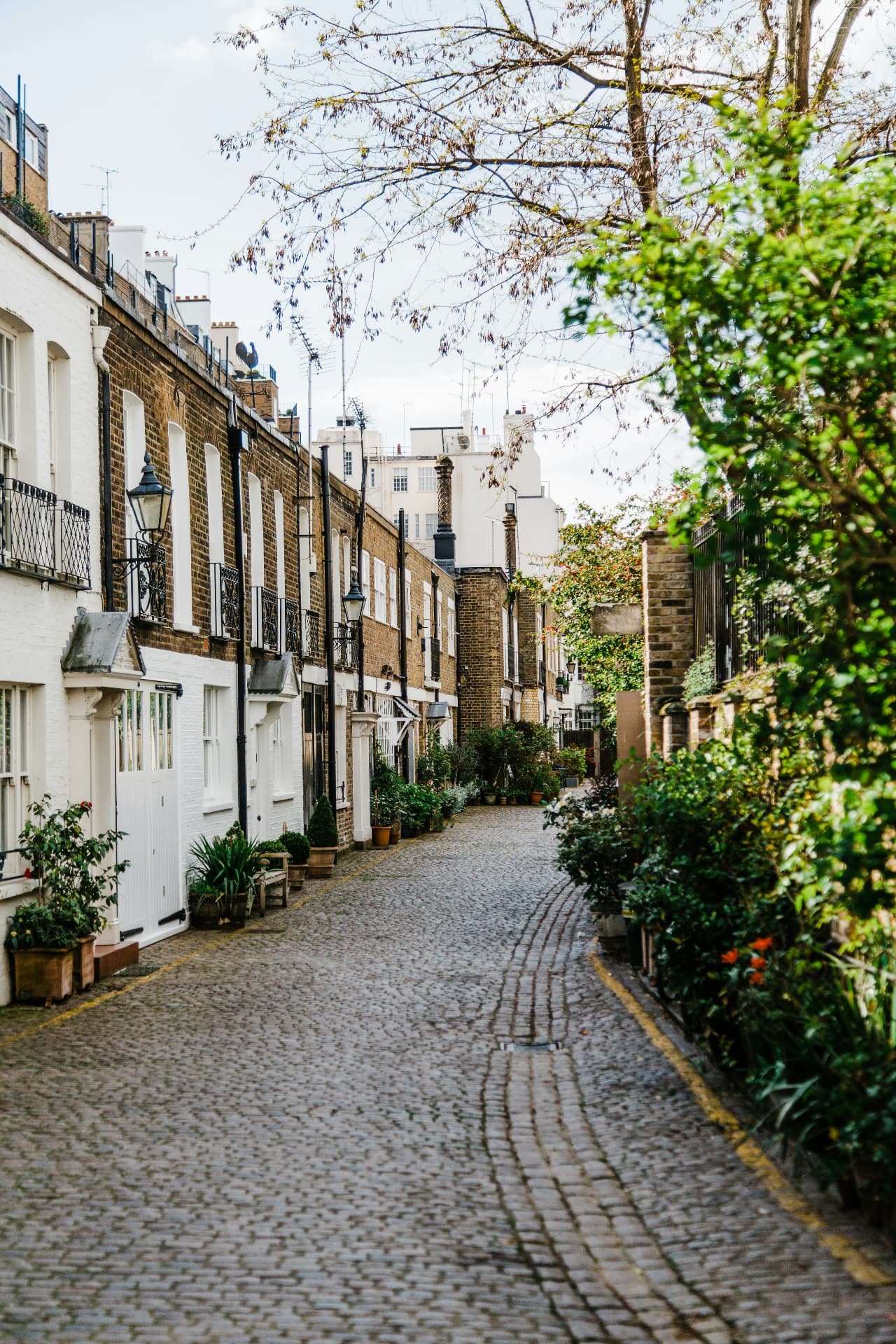
When prospective buyers ask us, 'is Barnes a nice place to live?', our answer is consistently enthusiastic. This leafy south-west London enclave has long been one of the capital's most desirable postcodes, combining village charm with excellent transport links and some of the finest green spaces in the city. Barnes offers a rare combination: the community feel of a self-contained village with the convenience of being just nine miles from central London. From its independent high street to the sweeping expanse of Barnes Common and the Thames Path, this SW13 neighbourhood has cultivated a loyal following among families, professionals and retirees alike.
The Village Character and Community Spirit
Barnes has preserved its village identity more successfully than perhaps any other area within Greater London. The main thoroughfare, Church Road, feels distinctly separate from the urban sprawl—lined with independent boutiques, delicatessens, wine merchants and family-run restaurants rather than chain retailers. This deliberate resistance to homogenisation has created a strong sense of place that residents fiercely protect.
The community spirit extends beyond the high street. Local events such as the Barnes Fair and farmers' markets draw residents together, while the abundance of sports clubs—from rugby and tennis to rowing on the Thames—foster lasting connections. Barnes reviews from residents consistently highlight this neighbourhood cohesion as one of the area's defining features, with many citing the friendly atmosphere as their reason for staying long-term.
The duck pond at the heart of Barnes village green serves as an informal meeting point, where generations of locals have gathered. This focal point, surrounded by historic buildings and traditional pubs, encapsulates the area's ability to maintain its heritage whilst accommodating modern London life. We've observed that properties overlooking the pond command particular premiums, reflecting the desirability of these quintessentially English vistas.
Green Spaces and Riverside Living
Barnes Common, managed by the Conservators, provides 120 acres of woodland, ponds and open grassland—a genuine wilderness within London's boundaries. The Common connects seamlessly with Putney Lower Common, creating an extensive natural corridor that supports remarkable biodiversity and offers residents endless walking routes, riding paths and recreational space.
The Thames Path runs along Barnes's northern boundary, offering uninterrupted riverside walks with views across to Hammersmith and towards the wetlands centre. The towpath is perpetually busy with runners, cyclists and dog walkers, providing one of London's finest outdoor amenities. The London Wetland Centre, created from former reservoir sites, brings 105 acres of wetland habitats to Barnes's doorstep, attracting birdwatchers and families year-round.
These green credentials significantly influence the local property market. According to HM Land Registry data, the median property price in Barnes stands at £955,000, with semi-detached houses commanding a median of £2,650,000—figures that reflect the premium buyers place on access to substantial green space whilst remaining well-connected to central London. Our team at [Seymont London](/estate-agents/barnes) regularly fields enquiries from buyers specifically seeking proximity to Barnes Common or riverside access.
Barnes Safety and Living Environment
When considering whether Barnes is safe, the statistics and resident experience align favourably. The area consistently records crime rates well below the London average, contributing to its appeal among families. The residential streets are characteristically quiet, with neighbourhood watch schemes and an engaged community maintaining vigilance without creating an atmosphere of anxiety.
The village layout naturally promotes safety—the area is essentially bounded by the Thames to the north and commons to the south and west, creating defined entry points and a contained geography. This configuration, combined with well-lit streets and active pavements throughout the day and evening, fosters the secure environment that residents value. Parents regularly comment on their comfort allowing children to walk to local schools independently, a rarity in many London neighbourhoods.
The quality of the built environment further enhances the living experience. Barnes encompasses a pleasing architectural mix: Victorian and Edwardian terraces, substantial interwar houses, and carefully integrated modern developments. Design standards remain high, with local planning guidance preserving the area's character whilst permitting sympathetic renovation and extension projects.
Talk to Seymont
What's your home worth?
A considered view on price, timing and how to bring your London home to market — a personal reply within 24 hours.
Your property
Step 1 of 2Property Market and Investment Considerations
Understanding the pros and cons of living in Barnes requires examining the property landscape thoroughly. Recent HM Land Registry data reveals 58 sales with terraced properties (the most common transaction type with 26 sales) achieving a median price of £1,005,000. Flats offer a more accessible entry point at a median of £650,000, whilst detached houses command premiums reaching £3,270,000 at the median.
The rental market reflects similar premiums, with ONS data showing studio apartments ranging from £1,500 to £2,325 monthly, two-bedroom properties from £2,700 to £4,200, and family homes with four bedrooms commanding £4,800 to £7,475. These figures position Barnes firmly within London's premium brackets, though many residents argue the quality of life justifies the premium.
From an investment perspective, Barnes demonstrates consistent long-term value retention. The area's supply constraints—limited by its geography and stringent planning protections—support price stability even during broader market corrections. We've observed that [properties for sale in Barnes](/property-for-sale/barnes) typically attract multiple interested parties, with well-presented family homes often selling within weeks. The strong demand from both owner-occupiers and tenants provides flexibility for investors, whilst the area's enduring appeal offers confidence in capital preservation.
Transport Links and Practical Connectivity
Barnes benefits from dual stations: Barnes and Barnes Bridge, both serving South Western Railway routes into Waterloo. Journey times of approximately 25 minutes to central London make commuting viable, though the limited direct connectivity represents one consideration in the pros and cons of living in Barnes. The stations do not provide Underground access, and services can experience disruption, particularly during engineering works.
Road connections prove excellent, with the A306 providing direct routes to the A3 and M3, facilitating access to both Heathrow and Gatwick airports. The proximity to Hammersmith—just across Barnes Bridge—brings the District, Piccadilly and Hammersmith & City lines within easy reach for those willing to make a short connecting journey. Many residents adopt hybrid transport strategies, combining rail with cycling or driving to nearby tube stations.
Local bus services connect Barnes to surrounding areas including Richmond, Putney and Hammersmith, whilst the Thames path provides attractive cycling routes. The area's walkability extends to daily necessities—most residents find themselves within comfortable walking distance of schools, shops and recreational facilities, reducing dependence on transport for local journeys. Our team finds that many buyers prioritise this village-scale convenience, accepting the trade-off of Barnes not sitting on the Underground network.
Schools, Amenities and Daily Life
Educational provision ranks among Barnes's strongest assets. The area hosts several outstanding state primary schools, including Barnes Primary and The Vineyard, which consistently achieve excellent Ofsted ratings and strong academic results. This educational infrastructure drives significant demand from families and underpins long-term property values. Secondary options include access to Putney-based schools and Richmond's offerings, whilst several independent schools operate within or near Barnes.
The high street delivers genuine village convenience with a Waitrose, various convenience stores, pharmacies, dental practices and medical facilities all within walking distance. The independent retail offering—from bookshops and gift boutiques to specialist food retailers—provides character often absent in more corporate high streets. Dining options span traditional pubs like The Sun Inn to contemporary restaurants and cafés that maintain quality standards befitting the local demographic.
Recreational facilities extend beyond the green spaces to include tennis clubs, a rugby club, rowing clubs utilising the Thames, and various fitness studios. The Olympic Cinema, a community-owned venue, provides local entertainment, whilst proximity to Richmond and central London ensures access to broader cultural offerings. For those considering [letting property in Barnes](/let-your-property/barnes), these comprehensive amenities support strong rental demand from tenants seeking a complete lifestyle offering rather than merely accommodation.
Talk to Seymont
What's your home worth?
A considered view on price, timing and how to bring your London home to market — a personal reply within 24 hours.
Your property
Step 1 of 2About the author
Amara BennettProperty Market Analyst
Amara spent seven years as a market analyst at Kestrel Lane Research, a small London property consultancy, before joining our editorial desk. She reads sold-price and rental data street by street to explain how individual London postcode districts actually behave, and reviews every price figure we publish. Her focus is separating headline national averages from what a specific address is worth today.
MSc Real Estate Economics · Seven years in property market research
- Valuations
- Local market data
- Sold prices
- Pricing strategy
Frequently asked
- What is the average house price in Barnes?
- According to HM Land Registry data, the median property price in Barnes is £955,000. Terraced houses achieve a median of £1,005,000, flats £650,000, semi-detached houses £2,650,000, and detached properties £3,270,000. Prices vary considerably depending on proximity to the common, riverside location, and property condition.
- Is Barnes well connected to central London?
- Barnes has two railway stations—Barnes and Barnes Bridge—offering South Western Railway services to London Waterloo in approximately 25 minutes. Whilst Barnes does not have Underground access, Hammersmith stations (District, Piccadilly and Hammersmith & City lines) are easily reached across Barnes Bridge. Road connections via the A306 to the A3 and M3 are excellent.
- What are the downsides of living in Barnes?
- The main considerations include premium property prices and rental costs compared to many London areas, limited direct Underground access, occasional rail service disruptions, and fewer chain retailers or late-night amenities than more urban neighbourhoods. The village character, whilst appealing to many, may feel quiet for those seeking a more vibrant nightlife scene.
- Is Barnes a safe area to live?
- Barnes consistently records crime rates well below the London average and is widely regarded as a very safe area. The residential streets are quiet, the community is engaged, and the bounded geography—with the Thames to the north and commons to the south and west—creates a secure environment. Many families feel comfortable with children walking independently to local schools.
- What is Barnes village known for?
- Barnes is known for its preserved village character within London, featuring an independent high street, the iconic duck pond, extensive green spaces including Barnes Common and the London Wetland Centre, Thames-side location, strong community spirit, excellent schools, and appealing blend of architectural styles. It attracts residents seeking a village lifestyle with convenient London access.