Journal
How to Sell Your House in London: The Complete 2026 Guide
Written by Nina Castellano · Investment Property Advisor
Published 9 January 2026 · Updated 24 January 2026 · 6 min read
The short answer
Selling a house in London typically takes between 16 and 24 weeks from initial listing to completion, with estate agent fees ranging from 1.5% to 2.5% plus VAT—higher than the UK average of approximately 1.42% including VAT reported by Rightmove and TheAdvisory in 2026. Whether you're a first-time seller or have moved before, understanding the process, costs and potential pitfalls can save you tens of thousands of pounds and months of stress.
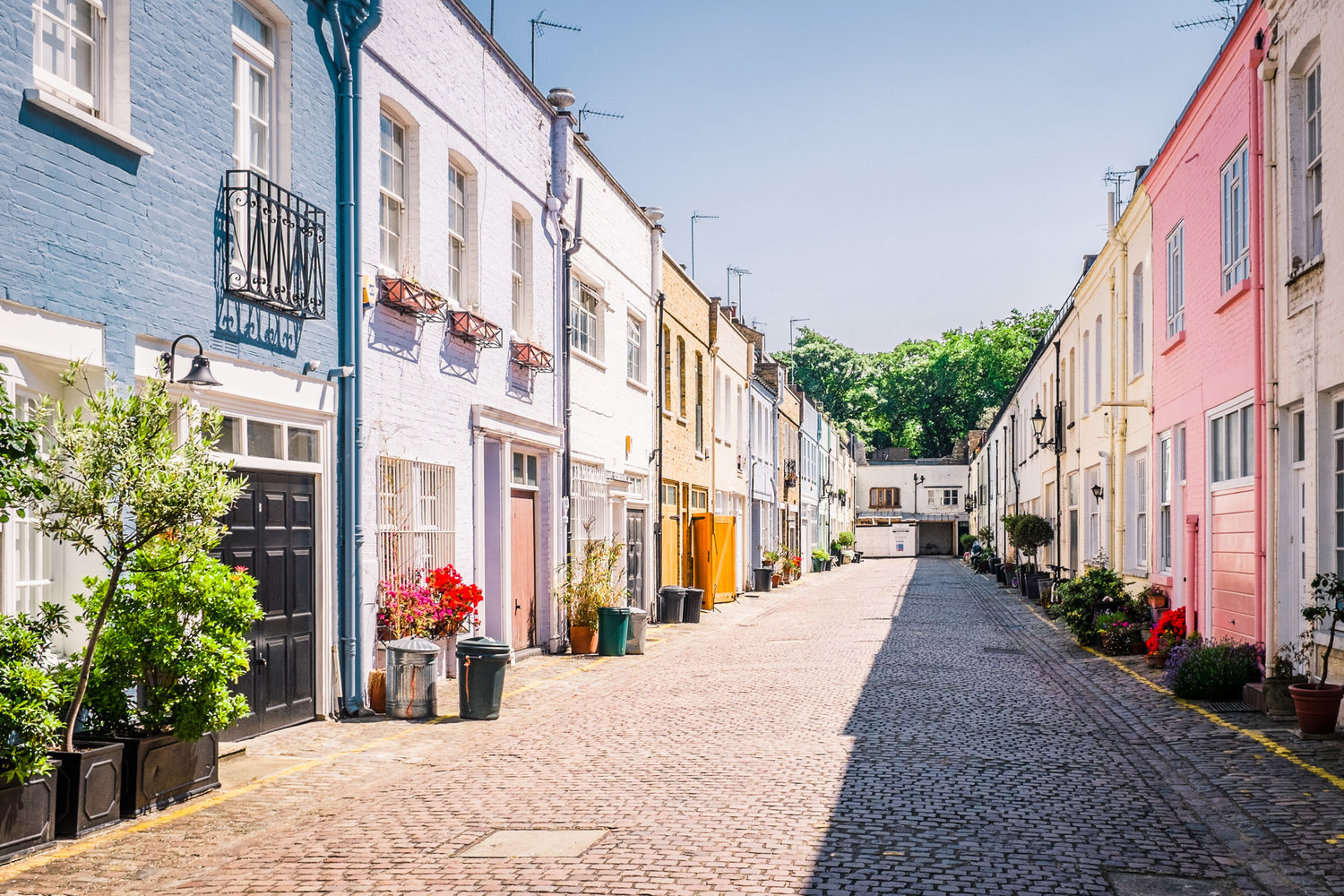
Selling a house in London typically takes between 16 and 24 weeks from initial listing to completion, with estate agent fees ranging from 1.5% to 2.5% plus VAT—higher than the UK average of approximately 1.42% including VAT reported by Rightmove and TheAdvisory in 2026. Whether you're a first-time seller or have moved before, understanding the process, costs and potential pitfalls can save you tens of thousands of pounds and months of stress. This guide walks you through every stage of how to sell your house in London, with sourced figures, objective comparisons and honest warnings about the traps that catch out even experienced vendors.
Step 1: Preparing Your Property for Sale
Before you instruct an agent or photographer, invest time in presentation. Research by the HomeOwners Alliance suggests that well-presented homes sell faster and achieve prices 5–10% higher than comparable properties in poor condition. Start with a thorough declutter: remove personal items, excess furniture and anything that makes rooms feel smaller. Deep-clean carpets, repaint scuffed walls in neutral tones and fix minor repairs—leaking taps, cracked tiles and broken door handles all signal neglect to buyers.
Consider whether larger improvements offer a return on investment. A new kitchen or bathroom can add value, but you rarely recoup the full cost at sale; focus instead on cost-effective updates like new cabinet handles, fresh grouting or improved lighting. Kerb appeal matters enormously in London's competitive market: tidy the front garden, repaint the door and ensure bins and clutter are out of sight on viewing days. Finally, gather your paperwork early—EPC (valid for ten years), proof of any planning permissions, building regulation certificates, lease details if leasehold and service charge statements—so your solicitor can begin work the moment you accept an offer.
Step 2: Choosing an Estate Agent and Understanding Fees
London estate agent fees in 2026 typically fall between 1.5% and 2.5% plus VAT, though some high-street chains charge upwards of 3% while online-only models may quote as low as 0.75% with fixed fees for additional services. According to Which?, the headline percentage rarely tells the whole story: check whether VAT is included, what marketing package is standard (professional photography, floorplans, portal listings, accompanied viewings) and whether there are withdrawal fees if you change your mind or switch agents mid-campaign.
When interviewing agents, ask for recent comparable sales in your postcode—not just asking prices but actual sold prices, which you can verify via HM Land Registry data or tools such as our sold prices search. Request a realistic valuation range backed by evidence, not an inflated figure designed to win your instruction. Some founder-led agencies such as Seymont London work on a model that combines local expertise with transparent fee structures and hands-on service, while others operate franchise models with variable quality between branches. Always instruct on a sole or joint sole agency basis if possible: multi-agency agreements typically add 0.5–1% to your fee and can confuse buyers who see the same property listed by competing agents.

Step 3: Marketing, Viewings and Offers
Once your property is live on Rightmove, Zoopla and OnTheMarket, the first two weeks are critical: the majority of serious buyer enquiries arrive in this window, so ensure photography is professional, the description is accurate and your agent is proactive in booking viewings. Accompanied viewings—where the agent conducts the tour—are standard in London and allow vendors to be absent, reducing pressure on both sides. Keep the property clean, well-lit and neutrally staged for every viewing; even if you receive no feedback, buyers often return for second looks without telling the agent.
When offers arrive, resist the temptation to accept the highest figure immediately. Ask your agent to qualify each buyer: are they cash purchasers, approved for a mortgage in principle, first-time buyers or part of a chain? A lower offer from a chain-free buyer with financing already arranged often completes faster and more reliably than a top offer from someone yet to secure a mortgage or sell their own home. According to data from the HomeOwners Alliance, around 30% of agreed sales in England and Wales fall through before completion—chain issues, survey problems and mortgage declines are the main culprits—so choosing the right buyer matters as much as the price.
Talk to Seymont
What's your home worth?
A considered view on price, timing and how to bring your London home to market — a personal reply within 24 hours.
Your property
Step 1 of 2Step 4: Conveyancing, Surveys and the Legal Process
Once you accept an offer, instruct a conveyancing solicitor immediately. London conveyancing fees in 2026 range from £850 to £2,000 plus disbursements (searches, Land Registry fees, bank transfers), with leasehold transactions at the higher end due to additional lease and management company enquiries. Your solicitor will draft the contract, respond to the buyer's enquiries and liaise with their solicitor and mortgage lender; expect this stage to take 8–12 weeks on average, though complex chains or leasehold issues can extend timelines significantly.
Meanwhile, the buyer will arrange a mortgage valuation and often a fuller RICS HomeBuyer Report or Building Survey. Be prepared for renegotiation if the survey uncovers defects: damp, subsidence, roof issues or non-compliant building work can all trigger price reductions or requests for remedial work. If the buyer's mortgage lender down-values the property—deciding it is worth less than the agreed price—they may struggle to proceed without a larger deposit or may ask you to reduce. Stay in regular contact with your solicitor and agent, chase missing documents promptly and be realistic about which issues you will fix, discount or refuse to budge on.

Step 5: Exchange, Completion and Moving Day
Exchange of contracts is the point at which the sale becomes legally binding: both parties sign identical contracts, the buyer pays a deposit (typically 5–10% of the purchase price) and a completion date is fixed, usually 1–2 weeks later. You cannot pull out after exchange without forfeiting your deposit and facing potential legal action, so only exchange when you are certain your onward purchase or rental is secure.
On completion day, the buyer's solicitor transfers the balance of funds to your solicitor, who pays off any outstanding mortgage and transfers the net proceeds to your bank account—usually within a few hours. You must vacate the property and hand over keys by the agreed time, normally early afternoon. Leave the property in the condition agreed in the contract (broom-clean is standard) and take final meter readings for gas, electricity and water. If anything goes wrong on the day—delayed funds, last-minute disputes over fixtures—your solicitor and agent will coordinate a solution, but such problems are rare if all parties have prepared properly.
Common Pitfalls and How to Avoid Them
The biggest mistake sellers make is overpricing at launch. An inflated asking price deters serious buyers, prolongs time on market and often results in multiple reductions that signal desperation. Use your agent's comparable evidence and be prepared to price competitively from day one; you can always reject low offers, but you cannot undo the damage of three months with no viewings.
Another trap is failing to disclose problems. If you know about Japanese knotweed, past flooding, noisy neighbours, planning disputes or structural repairs, you must inform your solicitor and, through them, the buyer. Concealing defects can result in post-completion claims for misrepresentation, costing far more than an honest discount at the outset. Finally, beware of buyers who drag their feet: if surveys and mortgage offers are taking longer than expected, or if the buyer repeatedly asks for extensions without good reason, consider setting deadlines or exploring backup offers. The average London sale takes 16–24 weeks, but poorly managed chains can stretch beyond six months, during which time market conditions, interest rates and your own circumstances may shift.

Next Steps: Getting Your Sale Started
Selling a house in London requires careful planning, realistic pricing and the right professional support. Start by gathering your documents, decluttering your home and researching recent sold prices in your area using resources like our sold prices tool. Interview at least three agents, compare their fees and marketing plans, and choose one whose valuation and approach you trust—not simply the one who quotes the highest price.
Once you have an offer, instruct an experienced conveyancing solicitor, stay in close contact throughout the process and be prepared to negotiate on survey findings or minor repairs. If you price correctly, present well and choose a qualified buyer, you should exchange within three months and complete shortly after. Thinking about selling or letting in London? Book a free, no-obligation valuation with our team at seymont.co.uk/valuation and we will provide a transparent assessment based on the latest market data and comparable sales in your neighbourhood.
Talk to Seymont
What's your home worth?
A considered view on price, timing and how to bring your London home to market — a personal reply within 24 hours.
Your property
Step 1 of 2About the author
Nina CastellanoInvestment Property Advisor
Nina advises landlords and investors on rental yields, tenant demand and portfolio structure across Greater London, after running lettings and management at Bellhouse Property Partners. She has overseen single units and multi-property portfolios, and works through compliance, void periods and running costs before a purchase is agreed. Her articles deal with the numbers behind a buy-to-let rather than the headline gross yield.
Lettings and portfolio management · 9 years in London rentals
- Buy-to-let
- Rental yields
- Portfolio strategy
- Landlord compliance
Frequently asked
- How much does it cost to sell a house in London in 2026?
- Estate agent fees in London typically range from 1.5% to 2.5% plus VAT. On a £500,000 sale, that is £7,500 to £12,500 plus VAT. Add conveyancing (£850–£2,000 plus disbursements), EPC (£60–£120 if expired) and removal costs (£400–£1,500). Total costs usually fall between 2% and 4% of the sale price, depending on the agent and your circumstances.
- How long does it take to sell a house in London?
- The average London house sale takes 16 to 24 weeks from listing to completion, according to HM Land Registry data. This includes roughly 4–8 weeks to find a buyer and agree terms, then 8–12 weeks for conveyancing, surveys and mortgage approval. Chain-free sales can complete in as little as 8 weeks, while complex chains or leasehold properties may take six months or longer.
- Do I need an EPC to sell my house in London?
- Yes. An Energy Performance Certificate (EPC) is legally required before you market a property for sale in England and Wales. EPCs are valid for ten years and cost £60–£120 for a typical London home. Your estate agent can usually arrange this, or you can book directly with an accredited assessor via the government's EPC register.
- Can I sell my house without an estate agent?
- Yes, you can sell privately and save on agent fees, but you will need to handle marketing, viewings, negotiations and buyer vetting yourself. You still require a solicitor for conveyancing. Private sales work best for chain-free vendors with a known buyer; otherwise, agents provide access to property portals, professional photography and negotiation expertise that often justify their fees through faster sales and higher prices.
- What happens if my buyer pulls out before exchange?
- Before exchange of contracts, either party can withdraw without legal penalty, though you will lose time and incur abortive costs (surveys, legal fees). Around 30% of agreed sales fall through in England and Wales, often due to survey issues, mortgage problems or chain collapses. To reduce risk, choose well-qualified buyers, keep the process moving quickly and consider accepting a slightly lower offer from a chain-free purchaser with financing in place.