Journal
Hampstead vs St John's Wood: Where Should You Live?
Written by Julian Reyes · Licensed Real Estate Agent
Published 23 June 2026 · Updated 12 July 2026 · 7 min read
The short answer
When weighing up Hampstead vs St John's Wood, you're choosing between two of north-west London's most distinguished addresses. Both postcodes promise village charm, verdant spaces and exceptional schools, yet each possesses a distinct character that appeals to different buyers.
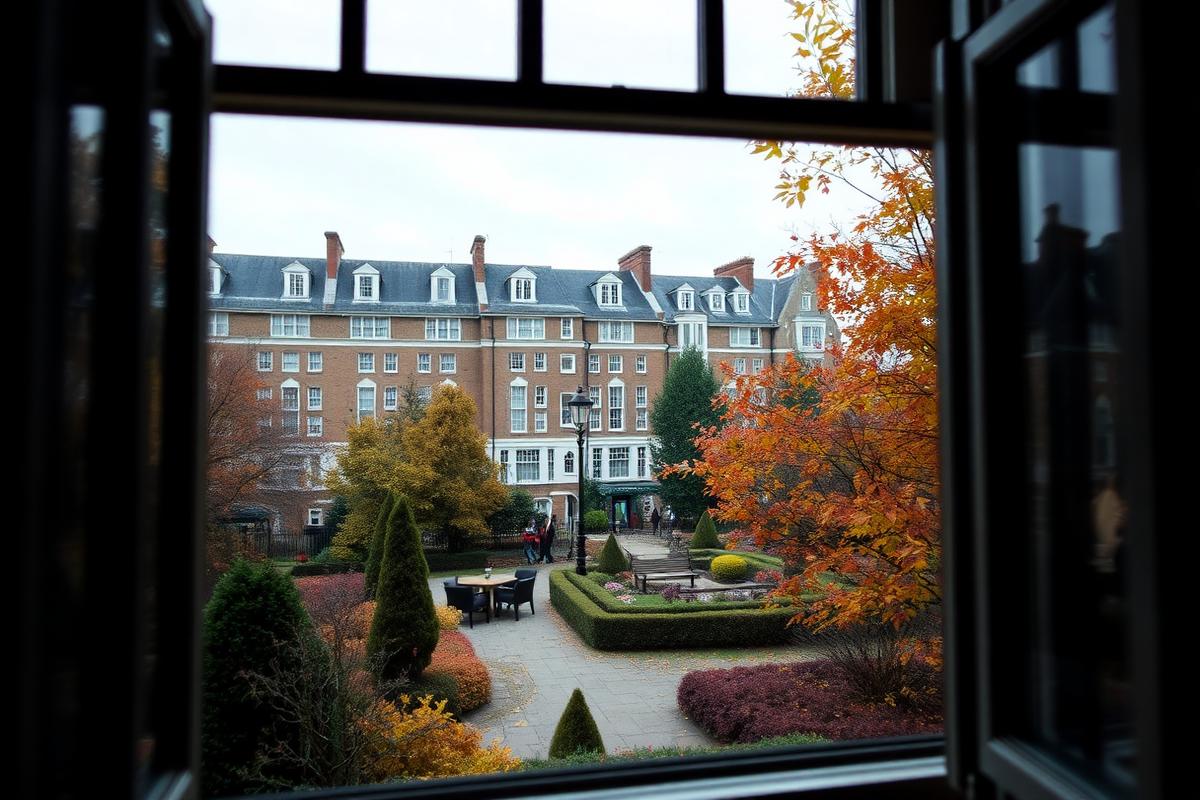
When weighing up Hampstead vs St John's Wood, you're choosing between two of north-west London's most distinguished addresses. Both postcodes promise village charm, verdant spaces and exceptional schools, yet each possesses a distinct character that appeals to different buyers. We've spent years guiding clients through this decision at our <a href="/estate-agents/hampstead">Hampstead estate agency</a>, and the choice ultimately hinges on whether you prioritise intellectual bohemia and wild heathland or cricket-ground elegance and Regency grandeur. Hampstead's artistic heritage and dramatic topography contrast sharply with St John's Wood's stucco villas and manicured avenues, while their property markets reflect these differences in architecture, plot sizes and community rhythms.
The Character and Heritage of Each Neighbourhood
Hampstead village retains an almost defiant independence from central London, perched on its hilltop with narrow lanes that twist past centuries-old pubs, independent bookshops and the kind of cafés where playwrights still scribble in notebooks. The intellectual and artistic legacy—from Keats to Freud, Constable to Agatha Christie—suffuses the streets, and the 790-acre Heath remains London's greatest expanse of ancient woodland and meadow. Flask Walk, Church Row and the winding passages around Hampstead Village preserve a Georgian and Victorian architectural tapestry that feels profoundly unplanned and organic.
St John's Wood, by contrast, was purpose-built as London's first garden suburb in the 1820s, and its grid of tree-lined avenues radiating from Lord's Cricket Ground exudes a studied elegance. The white stucco villas, many still standing in generous plots behind high walls, were designed for prosperous Victorian merchants seeking semi-rural seclusion with swift access to the City. Today the neighbourhood maintains that discreet, polished tranquillity—less theatrical than Hampstead, perhaps, but equally refined.
Both areas boast outstanding transport links, though Hampstead's Northern line stations (Hampstead and Belsize Park) involve steeper walks than St John's Wood's level stroll to its Jubilee line stop. The American School in St John's Wood draws international families, while Hampstead's catchment includes some of Camden's most competitive state primaries alongside its famous independent schools.
When considering Hampstead or St John's Wood, the cultural tempo differs markedly: Hampstead leans towards literary festivals, art-house cinema at the Everyman and rambling societies, whereas St John's Wood gravitates to Lord's, Abbey Road Studios pilgrims and the more formal garden-party circuit.
Property Types and Market Dynamics
According to HM Land Registry data, Hampstead recorded 812 sales with a median price of £970,000, though this headline figure masks extraordinary variety. Flats—which comprised 613 transactions—achieved a median of £850,000, ranging from £188,000 for a leasehold conversion to £5,490,000 for a penthouse with Heath views. Terraced houses commanded a median of £2,131,250, while semi-detached properties reached £4,083,057 and detached homes £4,400,000, with the upper quartile stretching to £16,500,000.
Hampstead's housing stock spans ex-local-authority conversions in South Hampstead, Victorian terraces climbing the hill, and architect-designed modernist statements tucked into the canopy near the Heath. The topography creates dramatic variance: a flat on Haverstock Hill trades at a different premium to one on Downshire Hill overlooking the ponds. Those comparing Hampstead and St John's Wood will notice that Hampstead offers more flats and conversions, reflecting its denser village core and steeper gradients that limit sprawling plots.
St John's Wood, conversely, retains more intact period villas on substantial freeholds, and its flatter terrain permitted the Edwardian mansion-block developments around St John's Wood High Street. The freehold vs leasehold question becomes particularly pertinent here: Hampstead's conversions often come with share-of-freehold arrangements or short leases requiring extension, whereas St John's Wood's purpose-built mansion blocks typically feature longer leases under established freeholders.
For investors and landlords exploring <a href="/let-your-property/hampstead">letting in Hampstead</a>, ONS data indicates monthly rents from £1,525–£2,375 for studios, £2,000–£3,125 for one-bedroom flats, £2,725–£4,275 for two bedrooms, £3,650–£5,700 for three bedrooms, £4,875–£7,600 for four bedrooms, and £6,375–£9,975 for five-bedroom houses. These figures reflect Hampstead's enduring appeal to professionals, academics and creatives willing to pay a premium for the Heath and village atmosphere.
Green Spaces, Schools and Family Life
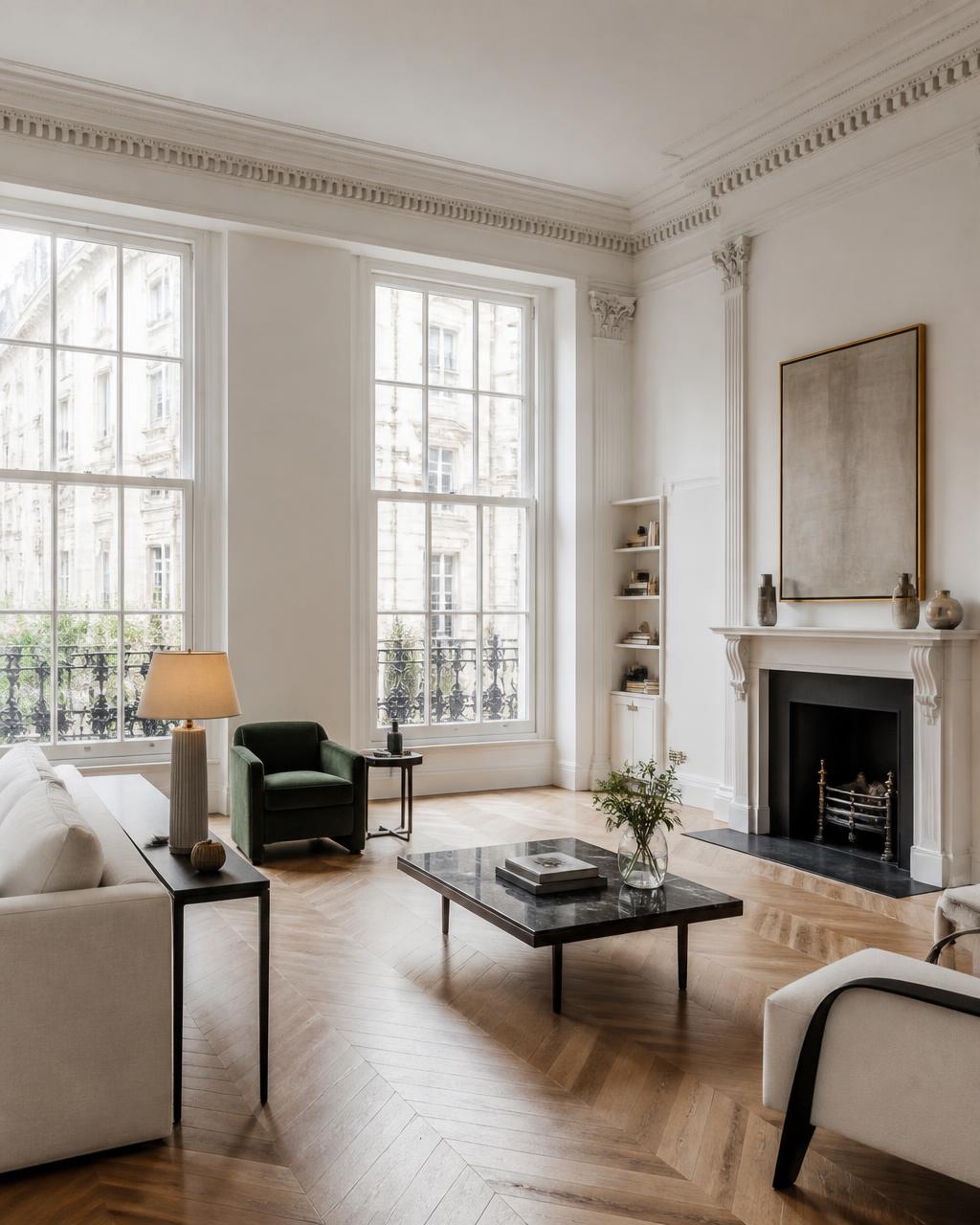
No comparison of Hampstead and St John's Wood would be complete without examining their green credentials. Hampstead Heath remains the neighbourhood's defining asset: 790 acres of woodland, meadow and swimming ponds where you can lose yourself in landscapes that feel genuinely wild, all within thirty minutes of King's Cross. Parliament Hill's kite-fliers, the pergola gardens, Kenwood House and its Rembrandt collection, the bathing ponds—these aren't mere amenities but woven into the daily rhythm of Hampstead family life.
St John's Wood counters with Regent's Park on its doorstep—more formal, certainly, with its rose gardens, boating lake and open-air theatre, but equally beloved. Primrose Hill (technically bordering both postcodes) offers that famous panorama, and Lord's Cricket Ground provides an unexpected wedge of green and a unique social anchor. The contrast is between untamed heathland and curated parkland, and families choose accordingly.
School catchments heavily influence family buyers comparing these neighbourhoods. Hampstead lies within reach of state primaries including Hampstead Parochial, St Mary's Hampstead and Christ Church, all outstanding-rated and fiercely competitive. The independent sector includes University College School, Channing, South Hampstead High and Hampstead Hill Pre-Prep. St John's Wood families similarly benefit from excellent state options (Barrow Hill, Robinsfield) and the American School for internationally mobile households.
Community infrastructure also distinguishes the two: Hampstead village supports independent butchers, cheesemongers, Daunt Books' original branch and historic pubs like the Holly Bush and Spaniards Inn. St John's Wood High Street offers a more compact retail parade with Panzer's delicatessen as its anchor, while residents tend to drift towards Marylebone or St John's Wood's boutique gym culture rather than Hampstead's rambling clubs and literary societies.
Talk to Seymont
What's your home worth?
A considered view on price, timing and how to bring your London home to market — a personal reply within 24 hours.
Your property
Step 1 of 2Transport, Commuting and Connectivity
Both neighbourhoods deliver excellent Zone 2 connectivity, though via different arteries. Hampstead station on the Northern line (Edgware branch) is famously London's deepest, with lifts descending 58.5 metres—a minor inconvenience offset by direct trains to the City (Bank, Moorgate) and West End (Leicester Square, Tottenham Court Road) in under twenty minutes. Belsize Park and Swiss Cottage stations bookend the area, and multiple bus routes traverse Hampstead High Street and Heath Street.
St John's Wood station on the Jubilee line offers step-free access and similarly swift journeys to Bond Street, Canary Wharf and Westminster. The flatter terrain makes cycling more practical, and the neighbourhood sits closer to the A41/Finchley Road artery for drivers heading north or towards the M1. We've observed that clients bound for the City often favour Hampstead's Northern line directness, while those with Canary Wharf or West End offices lean towards St John's Wood's Jubilee line convenience.
Hampstead's hillside location and narrow medieval lanes create parking challenges and occasional access difficulties for larger vehicles—period properties on steep inclines sometimes lack off-street parking entirely. St John's Wood's planned grid and wider carriageways typically accommodate residents' parking more gracefully, and many villas retain original mews or garages. For those renting a house in either neighbourhood, parking provisions should feature prominently in viewings.
Proximity to Heathrow, Gatwick and St Pancras International matters to internationally connected households: both postcodes offer similar journey times, though St John's Wood edges slightly closer to Paddington (for the Heathrow Express) while Hampstead enjoys nearer access to King's Cross St Pancras and its Eurostar services.
Making Your Choice: Lifestyle and Investment
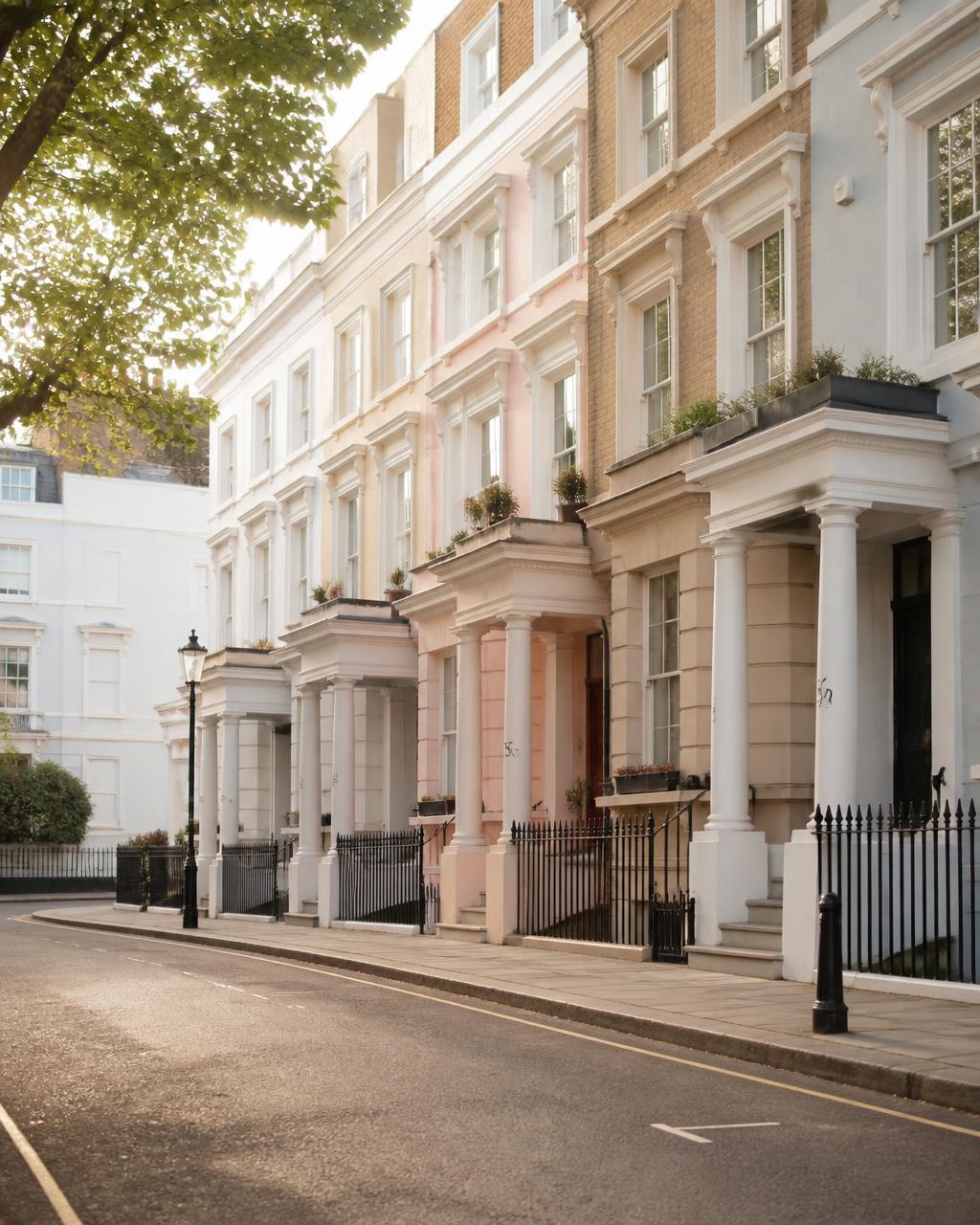
When our team guides buyers choosing between Hampstead or St John's Wood, we find the decision crystallises around lifestyle priorities rather than pure financial metrics. Hampstead attracts those who value intellectual heritage, artistic community and that visceral connection to ancient landscape—buyers who'll sacrifice a few hundred square feet for a cobbled lane and heathland on the doorstep. The demographic skews towards academics, writers, psychotherapists (Freud's legacy endures in the concentration of consulting rooms), and families prioritising independent schools and weekend Heath walks.
St John's Wood appeals to a slightly more international, corporate and sports-oriented cohort: finance professionals, American and Middle Eastern families (drawn by the American School and Arabic-speaking services), and those who prefer gracious period architecture on level plots with intact gardens. The atmosphere feels more composed, less bohemian, with a social calendar revolving around Lord's test matches, personal trainers in Regent's Park, and discreet private members' clubs rather than pub poetry readings.
From an investment perspective, both postcodes demonstrate resilience across market cycles, underpinned by constrained supply, excellent schools and enduring international demand. Hampstead's village core <a href="/property-for-sale/hampstead">properties</a> hold particular scarcity value—the Heath's protected status and conservation areas ensure no material increase in housing stock. St John's Wood similarly benefits from low turnover among freeholders reluctant to leave established garden plots.
Those exploring <a href="/property-for-sale/st-johns-wood">St John's Wood properties</a> through our <a href="/estate-agents/st-johns-wood">St John's Wood agency</a> often prioritise newer developments and lateral living, whereas Hampstead buyers more readily embrace quirky conversions and vertical townhouses. Understanding whether you value Hampstead's romantic topography and creative legacy or St John's Wood's cricket-and-parkland elegance will guide you to the neighbourhood where you'll genuinely flourish, not merely reside.
Talk to Seymont
What's your home worth?
A considered view on price, timing and how to bring your London home to market — a personal reply within 24 hours.
Your property
Step 1 of 2About the author
Julian ReyesLicensed Real Estate Agent
Julian has spent eleven years handling residential sales across west and central London, previously with the independent agencies Harlowe & Vance and Marchmont Row. He runs listings end to end, from pricing and presentation through to negotiating offers and holding chains together to completion. His writing focuses on the practical mechanics of buying and selling a home in a market where timing and preparation decide the outcome.
Licensed estate agent · 11 years in London residential sales
- Residential sales
- First-time buyers
- Offer negotiation
- Chain management
Frequently asked
- What is the typical property price in Hampstead?
- According to HM Land Registry data, Hampstead's median sale price is £970,000, though this varies enormously by property type. Flats achieved a median of £850,000 (ranging from £188,000 to £5,490,000), terraced houses £2,131,250, semi-detached homes £4,083,057, and detached properties £4,400,000. The upper end of the market extends beyond £16 million for exceptional Heath-adjacent estates.
- How much does it cost to rent in Hampstead?
- ONS data shows Hampstead rental ranges from £1,525–£2,375 monthly for studios, £2,000–£3,125 for one-bedroom flats, £2,725–£4,275 for two bedrooms, £3,650–£5,700 for three bedrooms, £4,875–£7,600 for four bedrooms, and £6,375–£9,975 for five-bedroom houses. Premium properties with Heath views or private gardens command the upper quartiles.
- Is Hampstead a good area for families?
- Hampstead excels for families prioritising green space, outstanding schools and cultural amenities. The Heath offers 790 acres of woodland and ponds for outdoor play, while catchment schools include highly competitive state primaries and renowned independents like University College School and South Hampstead High. The village atmosphere fosters a strong community, though property prices reflect this desirability.
- Which Tube line serves Hampstead?
- Hampstead is served by the Northern line (Edgware branch) at Hampstead station—London's deepest Underground station at 58.5 metres below ground. Neighbouring stations include Belsize Park to the south and Golders Green to the north. Journey times to central London are typically 15–20 minutes, with direct services to Bank, Leicester Square and King's Cross St Pancras.
- What are the best pubs in Hampstead?
- Hampstead's historic pubs include the Holly Bush (a Grade II-listed 1807 tavern with open fires and intimate snugs), the Spaniards Inn (dating to 1585, frequented by Keats and Dickens, bordering the Heath), the Flask on Flask Walk (rebuilt 1874, retaining Victorian character), and the Freemasons Arms near Downshire Hill. Each offers distinct atmospheres, from cosy winter retreats to summer gardens overlooking the village.