Journal
Hampstead Property Market Report: Expert Analysis and Price Trends
Written by Nina Castellano · Investment Property Advisor
Published 22 February 2026 · Updated 11 July 2026 · 6 min read
The short answer
The Hampstead property market continues to occupy a unique position within London's housing landscape, combining village charm with metropolitan connectivity. Our team at Seymont London has analysed the latest transaction data to provide a comprehensive overview of this prestigious NW3 neighbourhood.
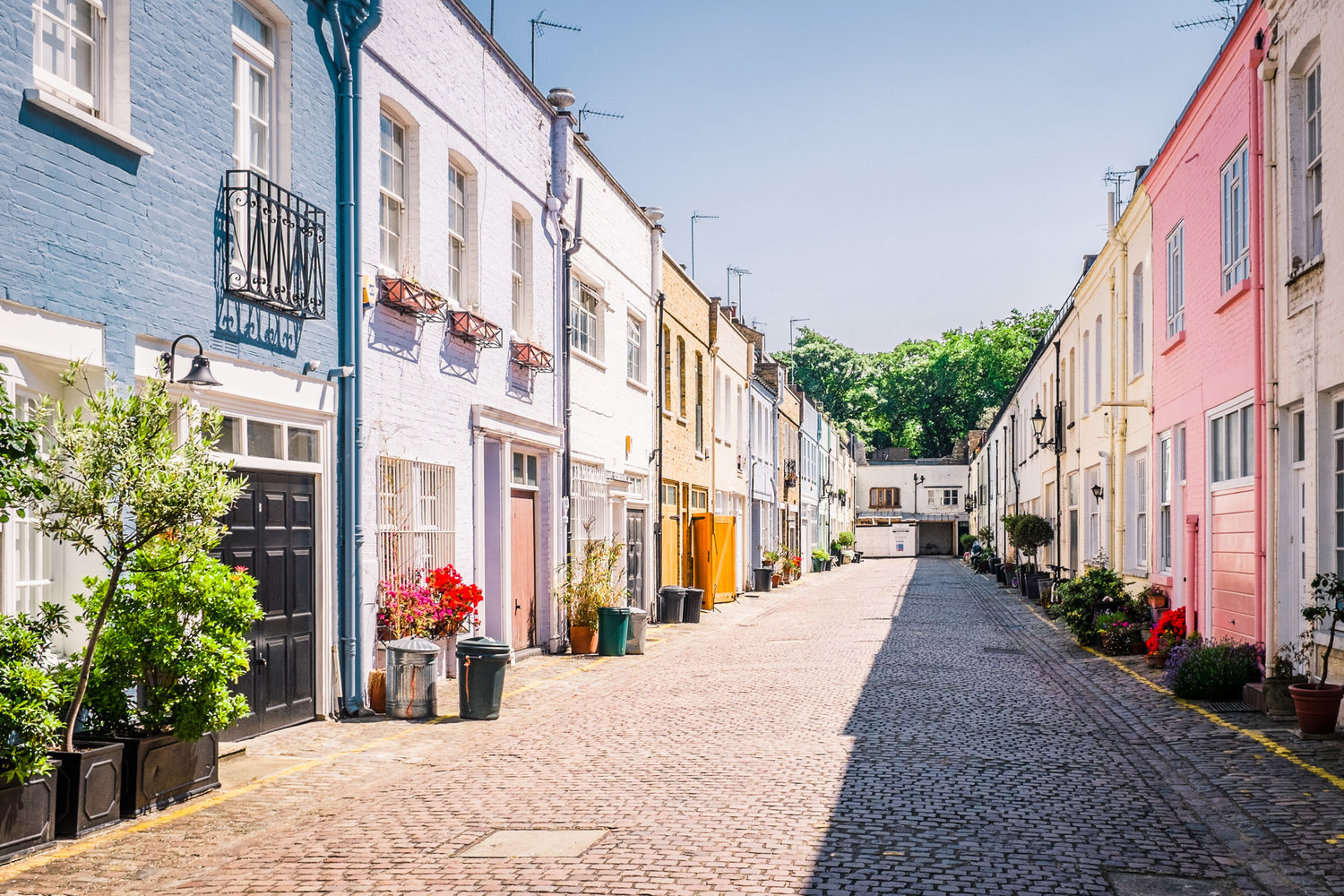
The Hampstead property market continues to occupy a unique position within London's housing landscape, combining village charm with metropolitan connectivity. Our team at Seymont London has analysed the latest transaction data to provide a comprehensive overview of this prestigious NW3 neighbourhood. With a median property price of £846,750 based on 168 sales recorded in HM Land Registry data, Hampstead demonstrates the enduring appeal of North London's most celebrated residential enclave. This report examines current price trends, market dynamics, and what buyers and sellers can expect in this distinctive corner of the capital.
Understanding the Hampstead Housing Market Landscape
Hampstead's residential character is defined by its remarkable diversity of property types, from elegant mansion flats to substantial detached homes set within leafy streets that climb towards the Heath. The area's architectural heritage spans Georgian townhouses, Victorian villas, and carefully conceived modern developments that respect the neighbourhood's aesthetic.
Flats dominate transaction volumes, accounting for 129 of the 168 recorded sales, with a median price of £750,000 according to HM Land Registry data. This reflects Hampstead's appeal to a broad spectrum of buyers, from young professionals seeking a foothold in this desirable postcode to downsizers drawn to the area's exceptional amenities and transport links. The flat category ranges from £198,000 at the entry level to £2,850,000 for prime lateral apartments.
Terraced properties command a median of £1,800,000, with transactions spanning from £750,000 to £6,350,000 across 19 recorded sales. These homes, often featuring the period details and generous proportions that characterise Hampstead's historic housing stock, attract families seeking the balance of space, location, and community that defines the area.
At the upper reaches of the market, semi-detached and detached properties reflect Hampstead's status among London's most prestigious addresses. Semi-detached homes recorded a median price of £4,800,000 across 11 sales, whilst the five detached property transactions showed a median of £4,200,000, with the top sale reaching £12,925,000. These substantial residences, many enjoying proximity to Hampstead Heath, represent the pinnacle of North London family living.
Hampstead Price Trends and Market Performance
Examining price movements across the Hampstead housing market reveals patterns that distinguish this area from broader London trends. The median price of £846,750 positions Hampstead firmly within the premium segment, reflecting factors beyond simple square footage—heritage, location, and the intangible quality of life associated with the neighbourhood.
Our team observes that Hampstead maintains price resilience even during periods of wider market adjustment, supported by constrained supply and consistent demand from both domestic and international buyers. The area's conservation status and the physical boundary of Hampstead Heath naturally limit new development, creating scarcity that underpins value.
Within the flat market, properties in purpose-built mansion blocks along Fitzjohns Avenue and surrounding roads demonstrate particular stability, appealing to buyers who value Hampstead's character alongside practical considerations such as service charges and management structures. Conversion flats within period houses offer different attributes, often featuring higher ceilings and original architectural details, though buyers must navigate the complexities of share of freehold arrangements and varying building conditions.
The terraced and larger property segments show price variations that correlate closely with specific micro-locations—proximity to the Heath, the quality of local schools, and the peaceful enclaves of Hampstead Village all command premiums. Properties requiring modernisation may trade at discounts to refurbished equivalents, though even these benefit from the underlying land value and potential that Hampstead addresses carry.

Rental Market Dynamics in Hampstead
The rental sector provides valuable context for understanding the broader Hampstead property market, with ONS data revealing the premium commanded across all property sizes. Studio apartments range from £1,325 to £2,075 per calendar month, whilst one-bedroom properties span £1,750 to £2,725, reflecting variations in building quality, specifications, and exact location.
Two-bedroom flats, perhaps the most sought-after rental category, achieve monthly rents between £2,375 and £3,725. These properties attract a diverse tenant base including young professionals, couples, and small families drawn to Hampstead's schools, green spaces, and village amenities. Three-bedroom homes command £3,175 to £4,950 monthly, whilst four-bedroom properties range from £4,225 to £6,600.
At the upper end, five-bedroom and larger family homes achieve rents between £5,550 and £8,675 per calendar month. These substantial properties typically house families seeking Hampstead's exceptional educational infrastructure, from outstanding state primaries to renowned independent schools, alongside the lifestyle benefits of Heath access and the area's cultural offerings.
For landlords considering whether Hampstead represents sound investment territory, rental yields must be weighed against capital appreciation potential and the area's enduring appeal. Our team notes that Hampstead tends to attract longer-term tenants who value stability and community, reducing void periods and turnover costs that can erode returns elsewhere.
Talk to Seymont
What's your home worth?
A considered view on price, timing and how to bring your London home to market — a personal reply within 24 hours.
Your property
Step 1 of 2Is Hampstead a Good Investment? Market Outlook and Considerations
Evaluating Hampstead as a property investment requires looking beyond simple yield calculations to consider the qualitative factors that have sustained values across market cycles. The area's position has been established over centuries rather than decades, rooted in geography, heritage, and a community character that proves difficult to replicate.
Hampstead Village itself, with its independent shops, cafés, and cultural venues, creates an environment that residents actively protect and enhance. This civic engagement translates into consistent demand from buyers who prioritise quality of life alongside financial considerations. The combination of Zone 2 and Zone 3 transport links via Hampstead, Belsize Park, and nearby stations provides connectivity without compromising the area's residential tranquillity.
From an investment perspective, Hampstead typically demonstrates lower volatility than emerging areas, offering capital preservation characteristics that appeal to risk-conscious buyers. Properties here tend to hold value during market corrections whilst participating in upward movements, creating an asymmetric risk profile that sophisticated investors recognise.
The area's enduring popularity with international buyers adds another dimension, particularly for prime properties and well-specified apartments. Economic uncertainty can affect this segment, though Hampstead's fundamental attributes—green space, heritage, schools, and culture—transcend short-term market sentiment. Our experience suggests that investors with medium to long-term horizons find Hampstead rewards patience, particularly when acquisition timing and property selection align with market opportunities.
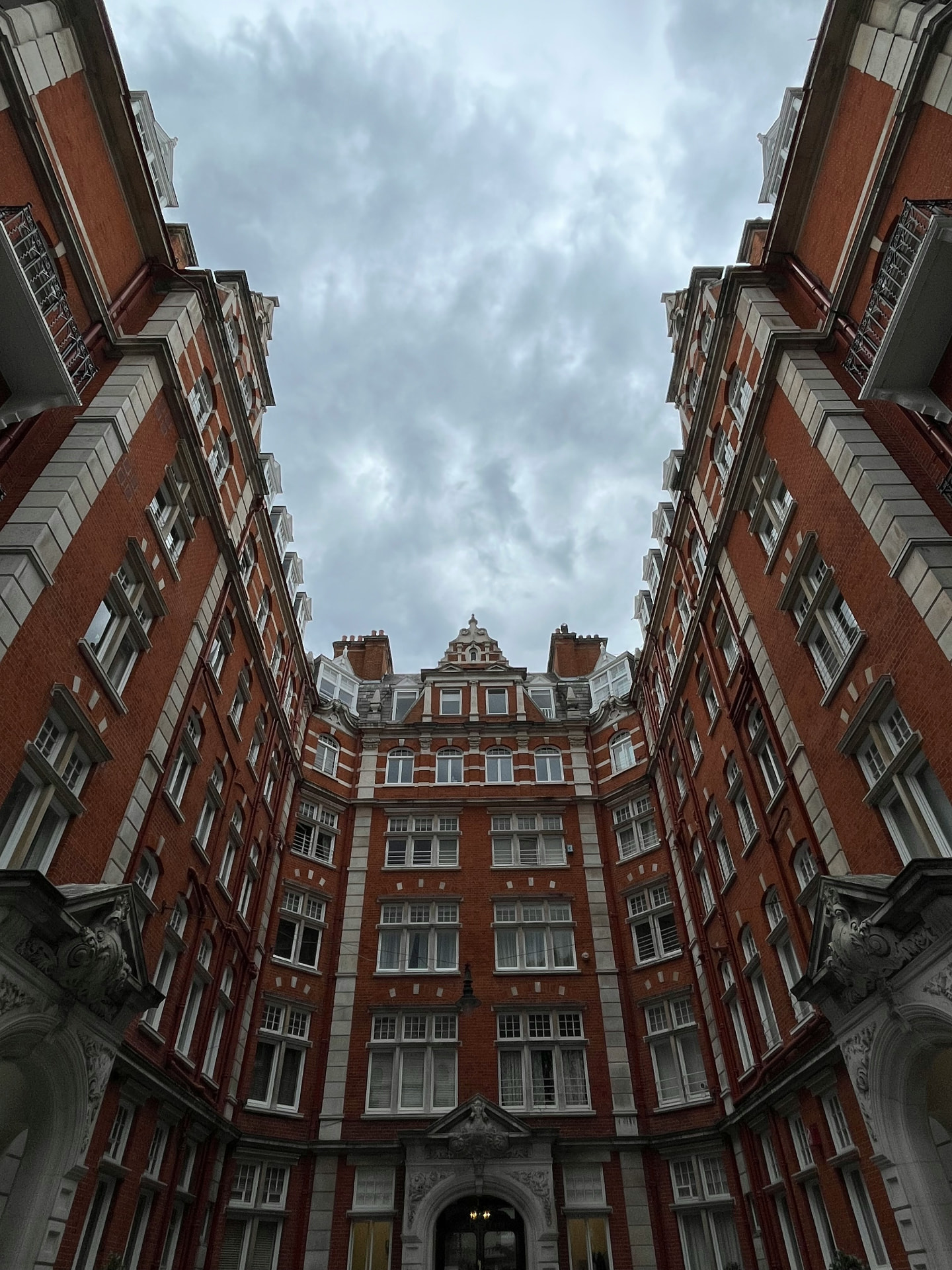
Location Insights: Hampstead Village, South Hampstead, and Beyond
Understanding Hampstead's internal geography helps buyers navigate the distinct characteristics within the broader NW3 postcode. Hampstead Village represents the historic core, where Flask Walk, Church Row, and the streets radiating from the High Street create an almost provincial atmosphere within London. Properties here command premium pricing, reflecting scarcity and the particular appeal of village proximity.
South Hampstead, whilst sharing the NW3 postcode, offers different attributes—often more accessible price points for flats, excellent transport links via South Hampstead and Swiss Cottage stations, and a slightly more urban character whilst maintaining proximity to Primrose Hill and Regent's Park. This area attracts buyers seeking Hampstead credentials with different spatial priorities.
West Hampstead, though distinct from Hampstead proper, appears frequently in property searches and offers alternatives for buyers priced out of NW3's core areas. The three stations (Thameslink, Jubilee line, and Overground) provide exceptional connectivity, whilst the independent businesses along West End Lane create their own village atmosphere.
For those exploring [property for sale in Hampstead](/property-for-sale/hampstead), understanding these micro-markets proves essential. Our team at Seymont London helps buyers navigate the nuances, matching requirements to specific streets and property types that align with both practical needs and investment objectives. Whether you're drawn to the Heath-side grandeur of detached homes or the practicality of well-managed mansion flats, Hampstead's variety accommodates diverse preferences within its premium framework.
Working with Hampstead Property Specialists
Successfully navigating the Hampstead property market requires local expertise and understanding of the factors that drive value in this distinctive area. Our team at Seymont London combines comprehensive market knowledge with access to properties across all segments, from first-time buyer flats to substantial family homes.
We recognise that transactions in Hampstead often involve considerations beyond standard property fundamentals—conservation area implications, share of freehold complexities, lease extensions, and the nuances of local planning policies all require specialist knowledge. Our approach prioritises transparent guidance, ensuring clients understand both opportunities and constraints before committing to purchases or sales.
For sellers, achieving optimal outcomes in the Hampstead market depends on accurate pricing, strategic marketing, and presentation that highlights property strengths whilst acknowledging the sophisticated buyer base. Our experience across [Hampstead estate agency](/estate-agents/hampstead) work informs pricing recommendations grounded in recent comparables and current market dynamics rather than aspirational thinking.
Landlords considering the rental market benefit from our understanding of tenant expectations in this area, where quality of finish, maintenance standards, and responsive management directly influence achievable rents and tenant retention. Our [letting services in Hampstead](/let-your-property/hampstead) support landlords in maximising returns whilst maintaining properties to standards that protect long-term value. Understanding [house prices across Hampstead](/house-prices/hampstead) through granular local data helps both buyers and sellers make informed decisions aligned with their particular circumstances and objectives.

Talk to Seymont
What's your home worth?
A considered view on price, timing and how to bring your London home to market — a personal reply within 24 hours.
Your property
Step 1 of 2About the author
Nina CastellanoInvestment Property Advisor
Nina advises landlords and investors on rental yields, tenant demand and portfolio structure across Greater London, after running lettings and management at Bellhouse Property Partners. She has overseen single units and multi-property portfolios, and works through compliance, void periods and running costs before a purchase is agreed. Her articles deal with the numbers behind a buy-to-let rather than the headline gross yield.
Lettings and portfolio management · 9 years in London rentals
- Buy-to-let
- Rental yields
- Portfolio strategy
- Landlord compliance
Frequently asked
- What is the average property price in Hampstead?
- According to HM Land Registry data, the median property price in Hampstead is £846,750 based on 168 recorded sales. However, prices vary significantly by property type: flats have a median of £750,000, terraced houses £1,800,000, semi-detached properties £4,800,000, and detached homes £4,200,000. The wide price range reflects Hampstead's diversity, from conversion flats to substantial family houses near the Heath.
- Is Hampstead a good area to invest in property?
- Hampstead is considered a sound investment for those prioritising capital preservation and long-term appreciation over high rental yields. The area demonstrates price resilience due to constrained supply, the physical boundary of Hampstead Heath limiting development, and consistent demand from domestic and international buyers. Its established character, exceptional schools, green spaces, and cultural amenities create enduring appeal that has sustained values across multiple market cycles.
- What are typical rental prices in Hampstead?
- ONS data shows Hampstead rental prices range from £1,325-£2,075 monthly for studios, £1,750-£2,725 for one-bedroom properties, £2,375-£3,725 for two bedrooms, £3,175-£4,950 for three bedrooms, £4,225-£6,600 for four bedrooms, and £5,550-£8,675 for five-bedroom and larger homes. The variation reflects differences in property quality, specific location, and building specifications across the area.
- What types of properties are most common in Hampstead?
- Flats represent the most common property type in Hampstead, accounting for 129 of 168 recorded sales in recent HM Land Registry data. These include purpose-built mansion blocks and conversion flats within period houses. Terraced properties are the next most common (19 sales), followed by semi-detached homes (11 sales) and detached properties (5 sales). This mix reflects Hampstead's evolution from a historic village to a diverse London neighbourhood.
- How does Hampstead Village differ from South Hampstead for property buyers?
- Hampstead Village represents the historic core with Flask Walk, Church Row, and streets near the High Street offering a village atmosphere and premium pricing due to scarcity and location. South Hampstead, whilst sharing the NW3 postcode, typically offers more accessible flat prices, excellent transport via South Hampstead and Swiss Cottage stations, and a slightly more urban character whilst maintaining proximity to green spaces. Both areas attract different buyers based on budget, transport priorities, and lifestyle preferences.