Journal
Hampstead House Prices in 2026
Written by Thomas Lindqvist · Mortgage & Financing Specialist
Published 20 January 2026 · Updated 21 April 2026 · 5 min read
The short answer
Hampstead remains one of London's most distinguished addresses, where literary heritage meets leafy sophistication. Understanding Hampstead house prices in 2026 requires examining the nuances of this unique village enclave, where Georgian townhouses overlook the Heath and contemporary flats nestle within Conservation Areas.
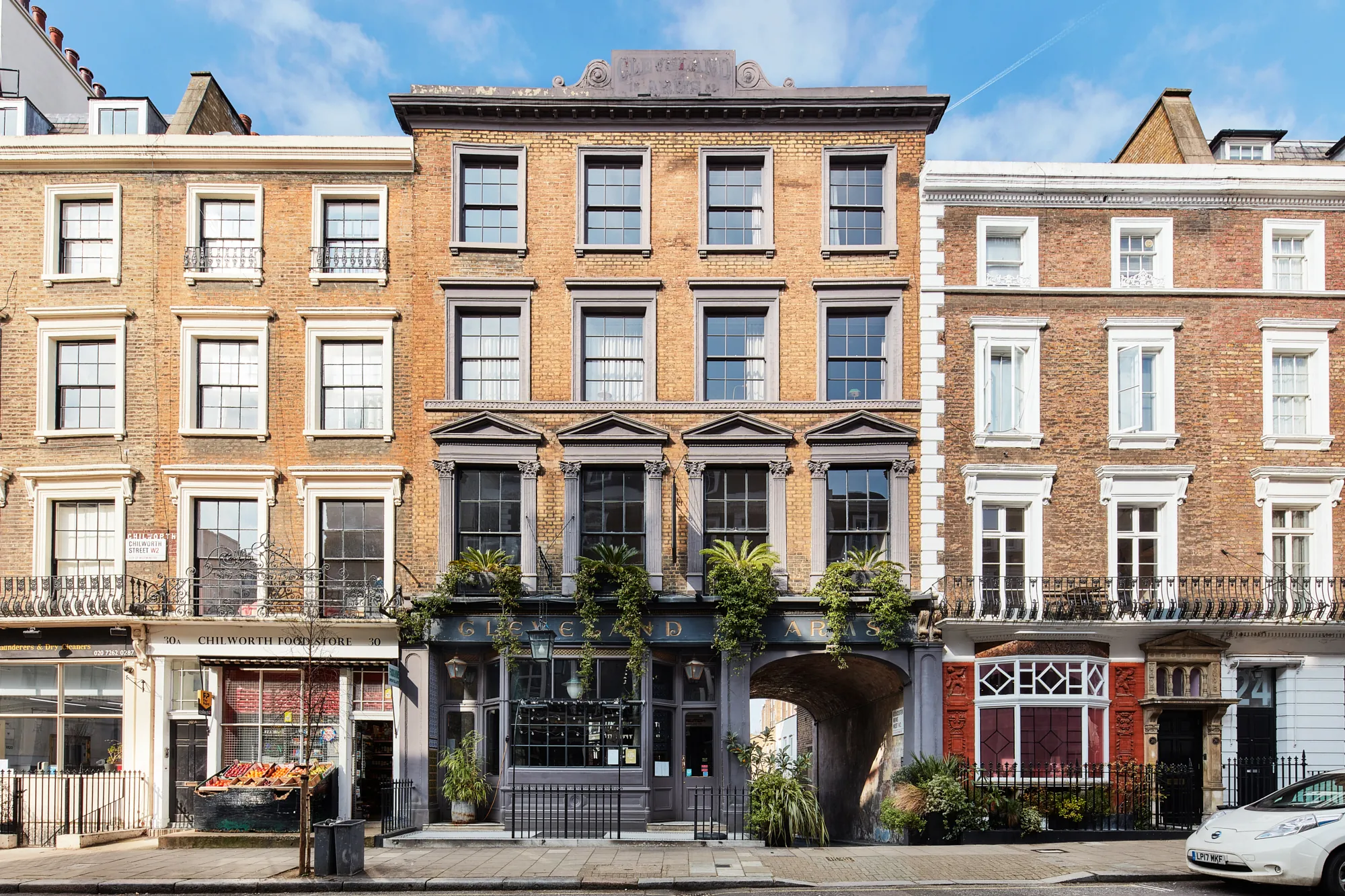
Hampstead remains one of London's most distinguished addresses, where literary heritage meets leafy sophistication. Understanding Hampstead house prices in 2026 requires examining the nuances of this unique village enclave, where Georgian townhouses overlook the Heath and contemporary flats nestle within Conservation Areas. Our team has analysed the latest HM Land Registry data to provide a comprehensive picture of the local property market, revealing a median sale price of £846,750 across 168 transactions. This figure, however, tells only part of the story in an area where property values vary dramatically between charming mansion flats and sprawling family homes.
Market Overview: Average House Price Hampstead by Property Type
The average house price Hampstead varies considerably depending on property type, reflecting the area's architectural diversity. According to HM Land Registry Price Paid Data, flats dominate the market, accounting for 129 of the 168 sales recorded, with a median price of £750,000. These apartments range from £198,000 at the entry level to exceptional penthouses reaching £2,850,000, typically found in prestigious mansion blocks along Fitzjohn's Avenue and the streets radiating from Hampstead Village.
Terraced houses command a median of £1,800,000, with 19 sales ranging from £750,000 to £6,350,000. The terraced stock in Hampstead often comprises elegant Victorian and Edwardian properties, many with south-facing gardens backing onto the Heath or quiet residential streets. Semi-detached homes, fewer in number with just 11 sales, achieve a substantial median of £4,800,000, whilst detached properties—the rarest commodity with only five transactions—reached a median of £4,200,000, extending to £12,925,000 for prime family estates.
Our experience at Seymont London confirms that Hampstead property prices reflect not merely square footage but also proximity to the Heath, architectural pedigree, and the intangible appeal of village life within Zone 2. Buyers seeking [property for sale in Hampstead](/property-for-sale/hampstead) consistently prioritise character features, outdoor space, and access to the area's renowned independent schools and cultural institutions.
Location Dynamics: Hampstead Village to South Hampstead
Geography plays a defining role in Hampstead sold prices, with distinct micro-markets emerging across the postcode. Hampstead Village itself—centred on Heath Street and the High Street—commands premium valuations for its period properties, artisan cafés, and immediate Heath access. The village atmosphere, complete with independent boutiques and the historic Everyman Cinema, attracts buyers willing to pay a substantial premium for authenticity and community.
South Hampstead, served by the Overground and closer to Swiss Cottage, presents a marginally more accessible entry point whilst retaining excellent transport links and period charm. The Victorian conversions and purpose-built blocks here appeal to professionals and families seeking Hampstead's cachet with greater value. West Hampstead, though administratively distinct, often features in buyer searches for the broader area, offering comparative value with strong transport connectivity via the Jubilee, Overground, and Thameslink services.
The streets bordering Hampstead Heath—such as those in the Flask Walk and Well Walk conservation areas—consistently achieve the highest prices per square foot. Our team observes that properties with even partial Heath views or direct access command significant premiums, particularly among international buyers and established Londoners seeking a permanent countryside-in-the-city lifestyle. Those exploring [house prices in Hampstead](/house-prices/hampstead) should recognise these geographical nuances as fundamental to valuation.
Rental Market: Investment Potential in Hampstead London
For landlords considering whether to [let your property in Hampstead](/let-your-property/hampstead), the rental market demonstrates robust demand across all property sizes. ONS data reveals studio apartments command monthly rents between £1,325 and £2,075, whilst one-bedroom flats achieve £1,750 to £2,725. Two-bedroom properties—the most sought-after category for young professionals and small families—range from £2,375 to £3,725 per calendar month.
Larger family homes see three-bedroom properties renting for £3,175 to £4,950, four-bedroom homes for £4,225 to £6,600, and five-bedroom-plus residences commanding £5,550 to £8,675 monthly. These figures reflect Hampstead's appeal to international corporate tenants, academics affiliated with nearby institutions, and families prioritising school catchment areas. The rental yield varies considerably by property type, with flats typically offering stronger returns relative to purchase price than houses, where capital appreciation forms the primary investment rationale.
We observe consistent tenant demand throughout the year, with peak activity coinciding with the academic calendar and corporate relocation cycles. The combination of excellent schools, cultural amenities, green space, and central London connectivity ensures Hampstead maintains its position as a perennially desirable rental location, with void periods typically minimal for well-presented properties at appropriate price points.
Talk to Seymont
What's your home worth?
A considered view on price, timing and how to bring your London home to market — a personal reply within 24 hours.
Your property
Step 1 of 2Buyer Profiles and Market Drivers
Understanding who purchases in Hampstead illuminates why prices remain resilient despite broader economic headwinds. Our team works with an international clientele drawn to the area's literary associations—Keats House, the homes of countless authors and intellectuals—and its unique village identity. Domestic downsizers from larger London properties frequently choose Hampstead for its cultural richness and community cohesion, often moving from family houses into elegant flats whilst remaining in familiar surroundings.
Families prioritise the area's educational offering, including state primaries within sought-after catchments and proximity to independent schools. The combination of the Heath's 790 acres, Parliament Hill's panoramic views, and Hampstead Ponds creates an unparalleled outdoor amenity that fundamentally shapes buyer decisions. These families typically seek terraced or semi-detached houses with gardens, driving competition in the £1.5 million to £5 million bracket.
Professionals working in the City, Canary Wharf, or West End value the Northern Line's direct connectivity alongside the neighbourhood's evening and weekend character. The [estate agents in Hampstead](/estate-agents/hampstead) market observe that Hampstead's pubs—from the historic Holly Bush to the Wells Tavern—and its independent restaurant scene contribute meaningfully to lifestyle appeal, differentiating it from more corporate central London postcodes. This multifaceted demand base provides market stability even during periods of economic uncertainty.
Future Outlook and Investment Considerations
Looking ahead through 2026 and beyond, several factors will influence Hampstead property prices. The area's conservation status and planning restrictions limit new development, maintaining supply constraints that historically support values. The ongoing appeal of green space—particularly following post-pandemic lifestyle recalibrations—positions Hampstead advantageously within the London market. Properties offering private outdoor space or Heath proximity seem particularly well-positioned for sustained demand.
Interest rate movements and mortgage availability will naturally affect transaction volumes and price growth rates, though Hampstead's substantial cash-buyer presence provides some insulation from lending market fluctuations. The prime central London market's international dimension means currency movements and geopolitical factors also influence buyer behaviour, particularly at higher price points above £3 million where overseas purchasers feature prominently.
Our perspective emphasises Hampstead's fundamental strengths: irreplaceable location, architectural heritage, cultural richness, and community character. These attributes have sustained values through multiple economic cycles. For buyers and investors, success in this market requires understanding the premium attached to specific streets, the value of period features versus modernisation, and the importance of outside space. Whether acquiring a first flat or a multi-million-pound family home, recognising Hampstead's unique position within the London property landscape remains essential to informed decision-making in 2026.
Talk to Seymont
What's your home worth?
A considered view on price, timing and how to bring your London home to market — a personal reply within 24 hours.
Your property
Step 1 of 2About the author
Thomas LindqvistMortgage & Financing Specialist
Thomas advised buyers for a decade at Ashgrove Financial, an independent brokerage, on borrowing capacity, product selection and the full cost of a purchase, including stamp duty, legal fees and lender charges. He follows rate decisions and lender criteria changes and translates them into what a household can realistically afford. His guides cover affordability, remortgaging and the closing costs that buyers routinely underestimate.
CeMAP qualified · Whole-of-market mortgage advice background
- Mortgages
- Affordability
- Closing costs
- Remortgaging
Frequently asked
- What is the average house price in Hampstead in 2026?
- According to HM Land Registry data, the median house price in Hampstead is £846,750 based on 168 recorded sales. However, this figure varies significantly by property type: flats have a median of £750,000, terraced houses £1,800,000, semi-detached homes £4,800,000, and detached properties £4,200,000. The wide range reflects Hampstead's diverse housing stock, from conversion flats to substantial family estates.
- How do Hampstead property prices compare between the village centre and surrounding areas?
- Properties in Hampstead Village itself, particularly those near the High Street and with Heath access, command premium prices due to the unique village atmosphere, independent shops, and cultural amenities. South Hampstead offers marginally more accessible pricing whilst retaining period character and excellent transport links. Streets immediately bordering Hampstead Heath consistently achieve the highest prices per square foot, with even partial Heath views adding substantial value.
- What rental income can landlords expect from Hampstead properties?
- ONS data shows Hampstead rental ranges vary by property size: studios achieve £1,325–£2,075 monthly, one-bedroom flats £1,750–£2,725, two-bedroom properties £2,375–£3,725, three-bedroom homes £3,175–£4,950, four-bedroom houses £4,225–£6,600, and five-bedroom-plus properties £5,550–£8,675. Demand remains strong year-round, driven by international professionals, families seeking school catchments, and those prioritising the Heath's amenities.
- Why are Hampstead house prices higher than many other London areas?
- Hampstead's premium pricing reflects multiple factors: direct access to Hampstead Heath's 790 acres, a genuine village atmosphere within Zone 2, exceptional architectural heritage in Conservation Areas, proximity to outstanding schools, strong transport connectivity via the Northern Line, cultural institutions including Keats House, and limited new development due to planning protections. This combination of irreplaceable location, green space, and community character creates sustained demand that supports values.
- What types of properties sell best in Hampstead?
- Flats dominate transaction volumes, representing 129 of 168 sales, appealing to first-time buyers, professionals, and downsizers seeking entry to the area. Terraced houses with gardens attract families, whilst semi-detached and detached properties remain rare and highly sought-after. Properties with period features, outdoor space, Heath views or access, and proximity to Hampstead Village amenities consistently achieve premium prices and sell more quickly than generic stock.