Journal
Hampstead Area Guide
Written by Thomas Lindqvist · Mortgage & Financing Specialist
Published 14 April 2026 · Updated 24 June 2026 · 6 min read
The short answer
Few London neighbourhoods command quite the reverence of Hampstead. Perched on one of the capital's highest points, this historic village in North London has long been synonymous with intellectual life, artistic heritage and architectural distinction.
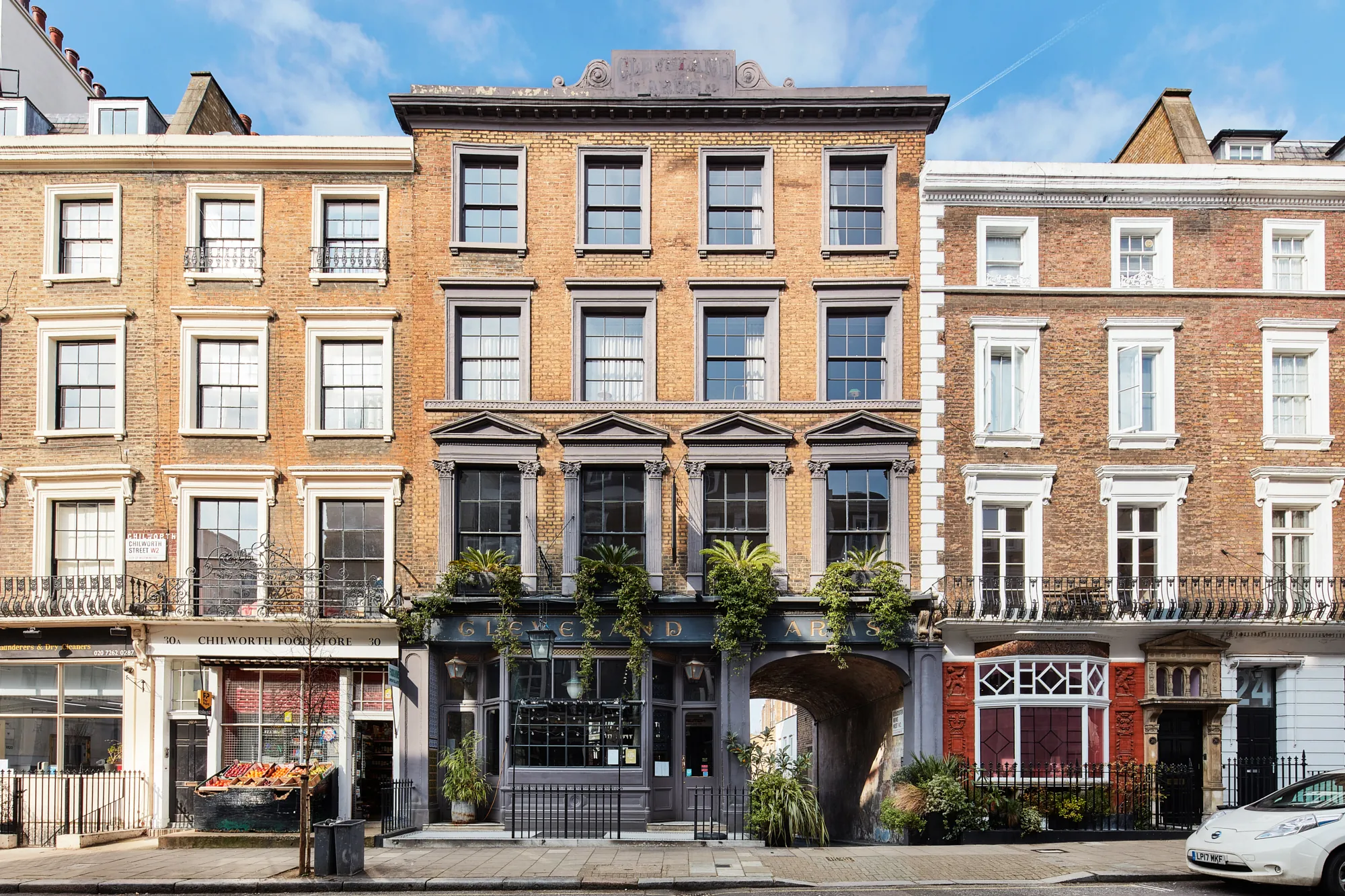
Few London neighbourhoods command quite the reverence of Hampstead. Perched on one of the capital's highest points, this historic village in North London has long been synonymous with intellectual life, artistic heritage and architectural distinction. Our Hampstead area guide explores what makes this leafy enclave one of the most sought-after addresses in the city, from its literary past to its contemporary property market. Whether you're drawn by the expansive Heath, the Georgian townhouses lining its winding streets, or the village atmosphere that persists despite its Zone 2 proximity, Hampstead offers a rare combination of natural beauty, cultural richness and urban convenience that continues to captivate buyers and renters alike.
The Character and History of Hampstead
Hampstead's identity is inseparable from its topography. Rising to 134 metres at its peak, the area developed as a spa destination in the 18th century before evolving into a haven for writers, artists and intellectuals. Keats, Constable, and later Freud all called Hampstead home, and that creative legacy persists in the area's independent bookshops, art galleries and thriving cultural scene.
The architectural fabric reflects centuries of prosperity. Flask Walk and Church Row showcase some of London's finest Georgian terraces, whilst the streets radiating from Hampstead Village are lined with elegant Victorian and Edwardian homes. Modern developments are rare and carefully scrutinised, with conservation area protections ensuring that Hampstead's historic character remains largely intact.
At the heart of the neighbourhood stands Hampstead Heath, 790 acres of ancient woodland, meadows and swimming ponds that create a genuine sense of countryside within London. The Heath functions as Hampstead's village green, drawing morning runners, weekend picnickers and Parliament Hill kite-fliers year-round. This proximity to open space fundamentally shapes the area's appeal and contributes significantly to [Hampstead property](/property-for-sale/hampstead) values.
The village centre itself retains a distinctly unbothered atmosphere. Independent cafés, delicatessens and boutiques outnumber chain stores, whilst traditional pubs like The Holly Bush and The Spaniards Inn have been serving locals for centuries. This village ambience, combined with excellent transport links, creates the rare sensation of being both immersed in nature and minutes from central London.
Hampstead Property Market Insights
The Hampstead property market reflects the area's enduring prestige. According to HM Land Registry data, the median sale price across 168 recorded transactions stood at £846,750, though this figure encompasses significant variation across property types. Flats, which constituted 129 of these sales, recorded a median price of £750,000, whilst terraced houses commanded a median of £1,800,000.
The upper echelons of the market demonstrate Hampstead's position amongst London's most exclusive postcodes. Semi-detached properties achieved a median price of £4,800,000, with individual sales reaching £11,001,000. Detached houses, though rare with just five recorded sales, showed a median of £4,200,000, with the highest transaction completing at £12,925,000. These figures from the Land Registry underscore the premium attached to family homes in this location.
For those exploring [house prices in Hampstead](/house-prices/hampstead), it's worth noting that pricing varies considerably between different pockets of the area. Streets closest to the Heath and within the historic village core typically command the highest premiums, whilst properties near the borders with Belsize Park, Gospel Oak or West Hampstead offer relatively more accessible entry points.
Rental demand in Hampstead remains consistently strong, supported by the area's schools, transport connections and lifestyle appeal. ONS data reveals that studio flats rent from approximately £1,325 to £2,075 per month, whilst one-bedroom properties range from £1,750 to £2,725. Family homes command substantial rents, with three-bedroom properties typically between £3,175 and £4,950 monthly, and four-bedroom houses from £4,225 to £6,600. Five-bedroom properties and larger sit at the premium end, ranging from £5,550 to £8,675 per month according to ONS figures.
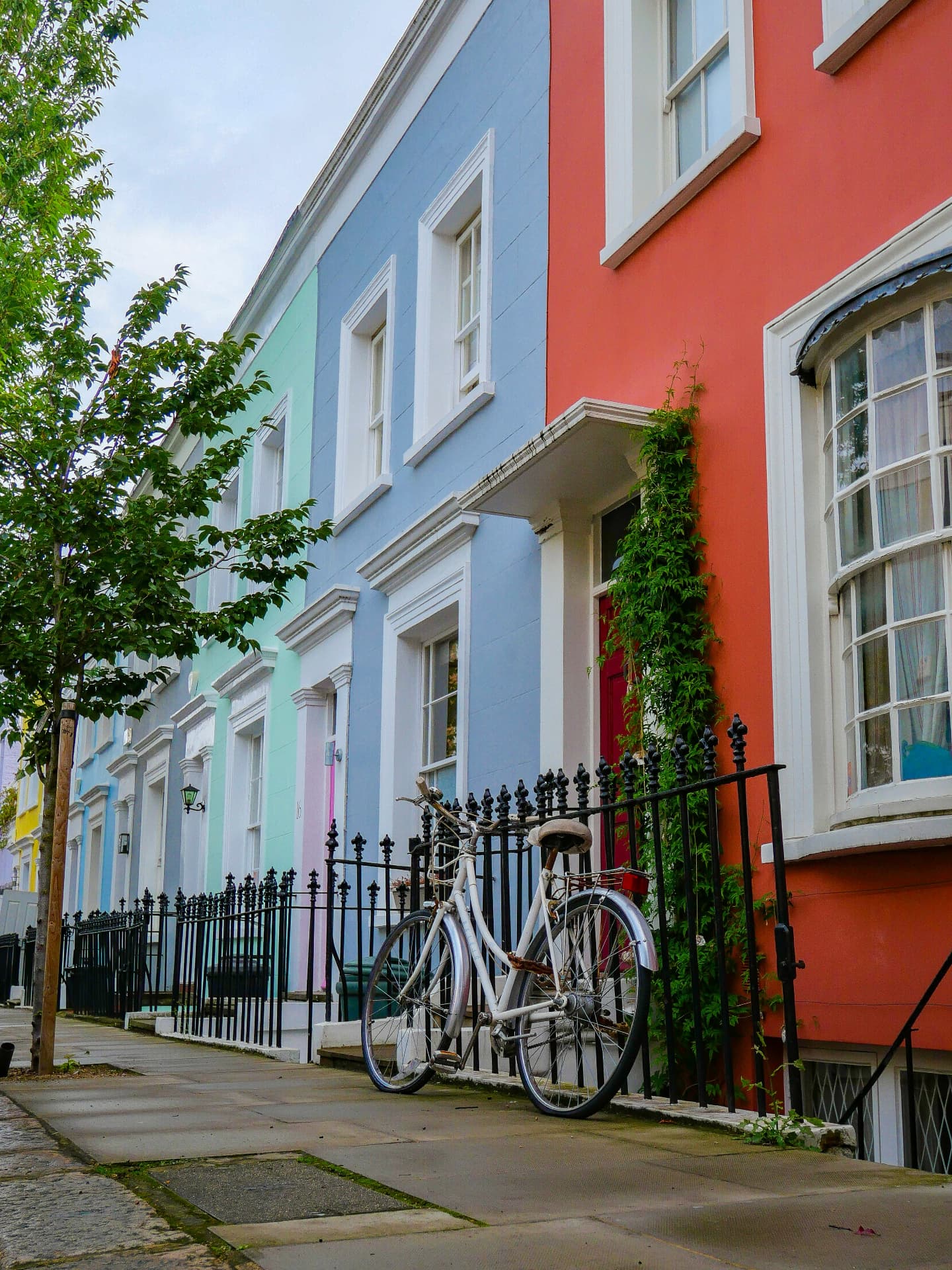
Living in Hampstead: Transport and Amenities
Despite its village atmosphere, Hampstead enjoys excellent connectivity. Hampstead Underground station on the Northern Line (Edgware branch) occupies the deepest position on the entire network at 58.5 metres below ground, whilst nearby stations at Belsize Park, Finchley Road and Hampstead Heath Overground expand transport options considerably. Central London destinations remain within 20-30 minutes, making professional commutes entirely practical.
The local amenities support a self-contained lifestyle. Hampstead High Street and Heath Street provide everyday shopping, from butchers and fishmongers to designer fashion and antiques. For more extensive retail therapy, the O2 Centre in nearby Finchley Road offers mainstream stores and a cinema, whilst Swiss Cottage and Camden are both within easy reach.
Education represents one of Hampstead's defining features. The catchment areas for sought-after state schools including Hampstead Parochial Primary, St Luke's and Hampstead School drive considerable family demand. Independent education is equally strong, with University College School, South Hampstead High School and numerous prep schools drawing families from across North London. This educational excellence significantly influences the [estate agent market in Hampstead](/estate-agents/hampstead).
Cultural life extends well beyond the residential streets. Hampstead Theatre on Eton Avenue has launched countless productions that transferred to the West End, whilst the Everyman cinema in the village offers boutique screenings. Kenwood House on the Heath's northern edge provides art collections and summer concerts, and the Freud Museum preserves the psychoanalyst's final home. Countless Hampstead streets have literary and artistic associations, contributing to the area's intellectual atmosphere.
Talk to Seymont
What's your home worth?
A considered view on price, timing and how to bring your London home to market — a personal reply within 24 hours.
Your property
Step 1 of 2Hampstead Village and Surrounding Pockets
When we discuss Hampstead in this guide, we're primarily referring to Hampstead Village itself – the historic core clustered around the High Street and the Heath. This is where Hampstead's character is most concentrated, with Flask Walk, Church Row and the network of lanes around the parish church forming the architectural and social heart.
Yet Hampstead as a postal district extends considerably further, encompassing distinct neighbourhoods with their own identities. South Hampstead, closer to Swiss Cottage, offers a slightly more urban character with excellent transport connections and a strong Jewish community presence. West Hampstead sits further down the hill towards Kilburn, providing comparatively more accessible property prices whilst retaining good schools and a thriving high street of its own.
The borders between Hampstead, Belsize Park and Primrose Hill blur in places, with estate agents' definitions sometimes flexible. Properties marketed as Hampstead may technically sit in adjacent postcodes, though proximity to the Heath and village amenities often justifies the association. For those seriously considering a purchase or rental, understanding these geographical nuances and their pricing implications proves valuable.
The Heath itself creates natural boundaries, with properties on streets immediately bordering the open space commanding particular premiums. Hampstead Garden Suburb to the north, though sharing the name, represents a separate community entirely – a planned garden city development from the early 20th century with its own distinct character and governance.
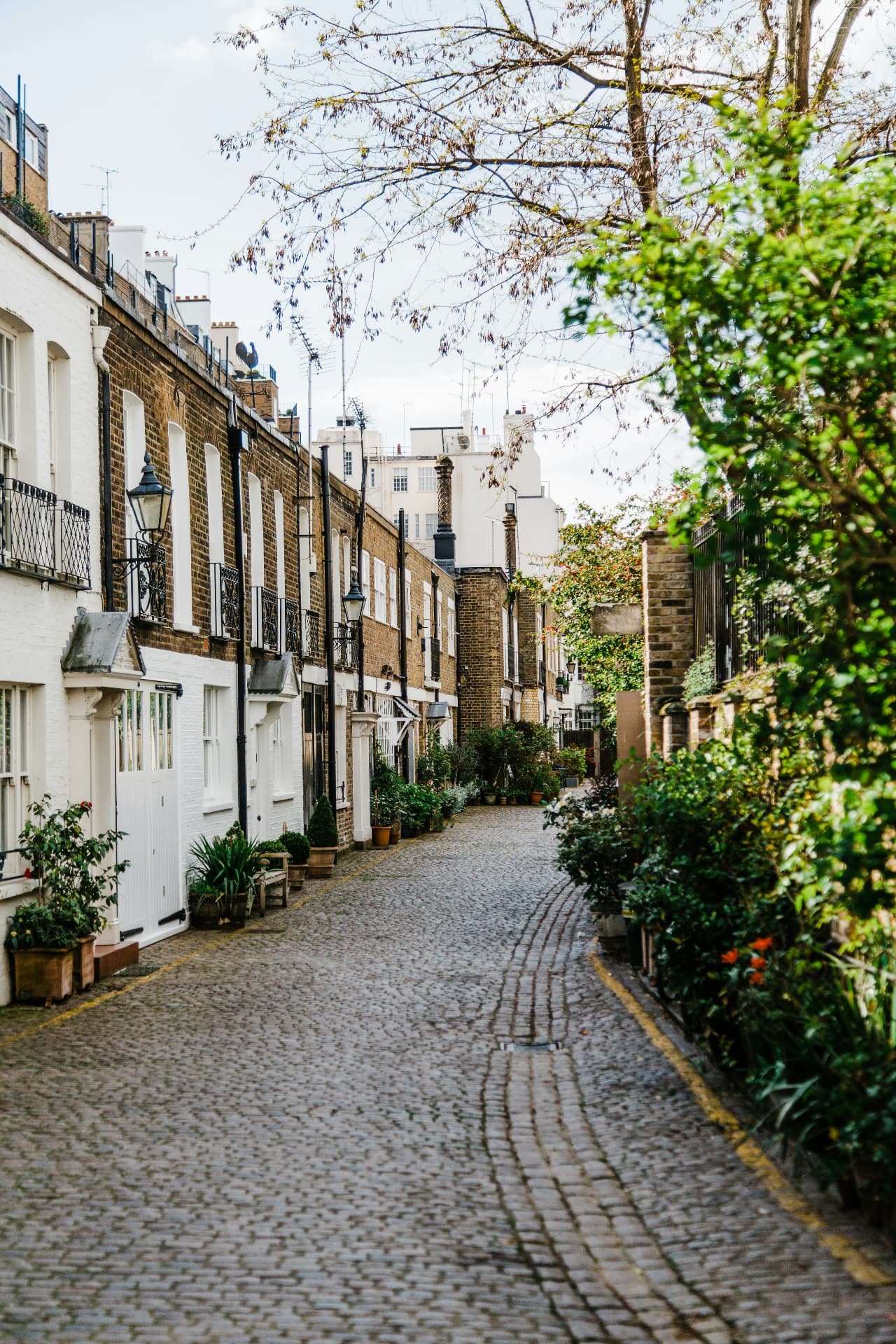
Pubs, Dining and Social Life
Traditional pubs remain central to Hampstead's social fabric. The Holly Bush on Holly Mount, reached via narrow stairs from Heath Street, occupies a building dating to 1807 and retains its historic interior largely intact. The Spaniards Inn on Spaniards Road, positioned between Hampstead and Highgate, claims associations with Dick Turpin and served as inspiration for Dickens. The Wells on Well Walk combines traditional pub credentials with accomplished food, whilst The Flask on Flask Walk provides a village local atmosphere.
Dining options span casual cafés to destination restaurants. Louis Patisserie, a Hungarian café on Heath Street, has served coffee and cakes since 1963 and remains a weekend institution. The modern dining scene includes establishments like The Gaucho on Heath Street for Argentine steak, whilst smaller bistros and trattorias populate the side streets. For those seeking variety, nearby Belsize Park, Swiss Cottage and Camden exponentially expand the options.
The social calendar revolves around the Heath through all seasons. Spring sees Parliament Hill crowded with kite fliers, summer brings wild swimmers to the ponds, autumn draws leaf-peepers, and winter rarely deters the dedicated dog walkers. This outdoor culture creates unexpected neighbourly connections in what might otherwise feel like an urban environment.
For investors and landlords, understanding this lifestyle appeal proves essential. Those looking to [let property in Hampstead](/let-your-property/hampstead) benefit from tenant demand driven not just by location and schools, but by the holistic quality of life the area provides. The village atmosphere, cultural offerings and natural environment create high retention rates and sustained rental demand across market cycles.
Talk to Seymont
What's your home worth?
A considered view on price, timing and how to bring your London home to market — a personal reply within 24 hours.
Your property
Step 1 of 2About the author
Thomas LindqvistMortgage & Financing Specialist
Thomas advised buyers for a decade at Ashgrove Financial, an independent brokerage, on borrowing capacity, product selection and the full cost of a purchase, including stamp duty, legal fees and lender charges. He follows rate decisions and lender criteria changes and translates them into what a household can realistically afford. His guides cover affordability, remortgaging and the closing costs that buyers routinely underestimate.
CeMAP qualified · Whole-of-market mortgage advice background
- Mortgages
- Affordability
- Closing costs
- Remortgaging
Frequently asked
- Is Hampstead considered a good area to live?
- Hampstead consistently ranks amongst London's most desirable residential areas, valued for its village atmosphere, proximity to Hampstead Heath, excellent schools, cultural heritage and architectural distinction. The combination of natural surroundings, intellectual history and strong transport connections creates a lifestyle that appeals particularly to families and professionals seeking a genuine community feel within Zone 2. Property prices reflect this sustained demand, with the area maintaining its prestige across generations.
- What is the difference between Hampstead, South Hampstead and West Hampstead?
- Hampstead Village refers to the historic core around the High Street and Heath, characterised by Georgian and Victorian architecture, winding streets and premium property prices. South Hampstead sits closer to Swiss Cottage with a slightly more urban character, excellent schools and strong community cohesion. West Hampstead lies further down the hill towards Kilburn, offering more accessible property prices, its own thriving high street and superb transport connections via Underground, Overground and Thameslink services. Each retains distinct character whilst sharing the broader Hampstead postcode area.
- How much does it cost to buy property in Hampstead?
- According to HM Land Registry data, the median property price in Hampstead stands at £846,750, though this varies significantly by property type. Flats recorded a median price of £750,000, terraced houses £1,800,000, whilst semi-detached and detached family homes commanded medians of £4,800,000 and £4,200,000 respectively. Individual sales have reached beyond £12 million for substantial detached houses. Properties closest to the Heath and within the historic village core typically attract the highest premiums.
- What are rental prices like in Hampstead?
- ONS data shows Hampstead rental prices reflecting the area's premium status. Studio flats typically rent from £1,325 to £2,075 monthly, one-bedroom properties from £1,750 to £2,725, and two-bedroom flats from £2,375 to £3,725. Family homes command higher rents: three-bedroom properties range from £3,175 to £4,950 per month, four-bedroom houses from £4,225 to £6,600, whilst five-bedroom properties and larger sit between £5,550 and £8,675 monthly. Sustained demand from families seeking school catchments and professionals drives consistent rental market strength.
- What are the best streets in Hampstead?
- Church Row is frequently cited as one of London's most beautiful streets, with its complete Georgian terrace leading to St John-at-Hampstead church. Flask Walk and Well Walk retain considerable historic charm and village atmosphere. Streets immediately bordering Hampstead Heath – including East Heath Road, Hampstead Grove and South End Road – command premiums for their open space access. The Vale of Health, a secluded enclave by the Heath, offers particular seclusion. Admiral's Walk, Fenton House area streets and the roads around Whitestone Pond all represent prime Hampstead addresses, though pricing and availability vary considerably.