Journal
Greenwich House Prices in 2026
Written by Amara Bennett · Property Market Analyst
Published 5 April 2026 · Updated 24 May 2026 · 5 min read
The short answer
Greenwich house prices continue to reflect the area's unique position as one of London's most historically significant riverside neighbourhoods. In early 2026, we're observing a market shaped by the enduring appeal of Maritime Greenwich, the transport connectivity of North Greenwich, and the evolving architectural landscape from Regency townhouses to modern riverside developments.
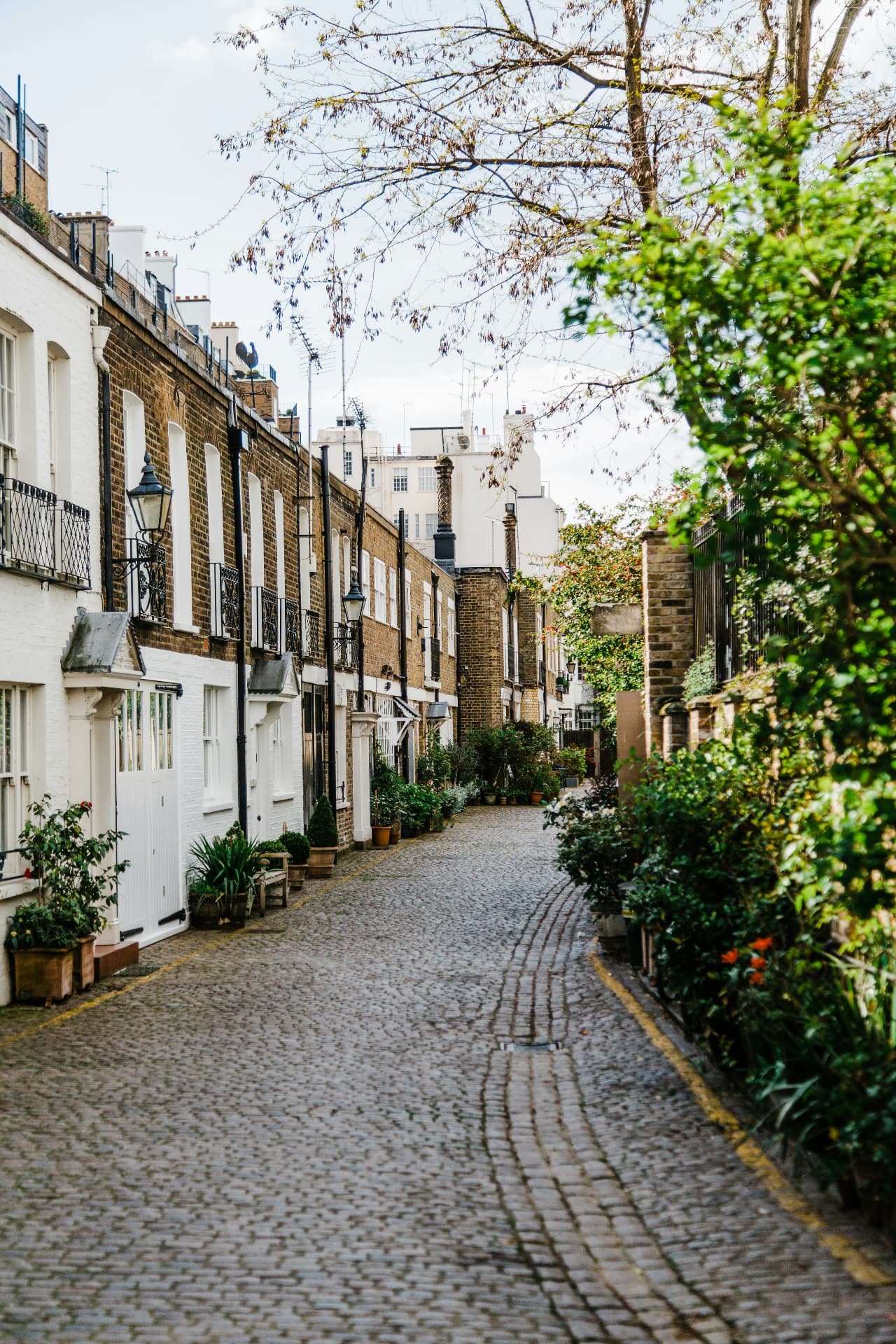
Greenwich house prices continue to reflect the area's unique position as one of London's most historically significant riverside neighbourhoods. In early 2026, we're observing a market shaped by the enduring appeal of Maritime Greenwich, the transport connectivity of North Greenwich, and the evolving architectural landscape from Regency townhouses to modern riverside developments. Our team has analysed the latest HM Land Registry data to provide a comprehensive picture of what buyers, sellers and investors can expect when navigating Greenwich property prices this year.
Current Average House Price Greenwich: Market Overview
According to HM Land Registry Price Paid Data, the median property price in Greenwich stands at £500,000 based on 187 recorded sales. This figure represents the diverse housing stock that characterises the area, from compact flats serving young professionals near North Greenwich station to substantial family homes in the leafier pockets approaching Blackheath.
The average house price Greenwich varies considerably depending on property type. Flats, which account for the majority of transactions at 116 sales, command a median price of £423,750. At the upper end of the market, detached properties achieve a median of £1,312,500, though these remain rare in an area predominantly defined by Victorian and Edwardian terraces and modern apartment developments.
Greenwich sold prices demonstrate the area's accessibility across different buyer segments. The range extends from a minimum of £119,000 for flats to a maximum of £2,310,000 for terraced houses, with the latter likely representing fully renovated period properties in prime locations near Greenwich Park or the riverside. This spectrum ensures Greenwich remains attractive to first-time buyers, growing families and downsizers alike.
We've observed that Greenwich property prices benefit from the area's UNESCO World Heritage status, which preserves the character of the Maritime Greenwich Conservation Area whilst permitting thoughtful contemporary development along the Thames. This balance between heritage and modernity continues to underpin value across the SE10 postcode.
Greenwich House Prices by Property Type
The Greenwich property market reveals distinct pricing tiers across different housing types. Terraced houses, with 58 recorded sales and a median price of £806,500, represent the traditional family housing stock that lines streets radiating from Greenwich town centre towards Maze Hill and Westcombe Park. These Victorian and Edwardian properties, many with period features and modest gardens, form the architectural backbone of residential Greenwich.
Semi-detached properties are comparatively scarce, with just three sales recorded at a median of £748,000. The limited supply of semi-detached homes reflects Greenwich's dense urban fabric, where terraced development has historically dominated. Detached properties are rarer still, with two sales at a median of £1,312,500, typically found on the periphery of the area where Greenwich borders more suburban Blackheath.
Flats dominate transaction volumes and cater to the substantial demand from buyers seeking riverside living, proximity to Canary Wharf, or investment opportunities near the University of Greenwich. The £423,750 median conceals significant variation: purpose-built apartment blocks near North Greenwich command different premiums than converted flats in heritage buildings along Greenwich High Road. We're also seeing 'other' property types recorded at a median of £564,760, which may include commercial conversions and mixed-use developments that increasingly characterise regeneration areas.
For those considering their options, our [Greenwich property for sale](/property-for-sale/greenwich) listings showcase the full spectrum of available housing types across the area.
Rental Market and Investment Potential
Greenwich's rental market presents compelling opportunities for landlords and offers relative affordability for tenants compared to central London. ONS data reveals studio apartments rent from £775 to £1,225 per calendar month, whilst one-bedroom properties range from £1,025 to £1,625—attractive figures for young professionals working in Canary Wharf or the City who value Greenwich's village atmosphere and cultural amenities.
Family-sized accommodation commands appropriately higher rents: two-bedroom properties range from £1,425 to £2,200, three-bedroom homes from £1,875 to £2,950, and four-bedroom properties from £2,525 to £3,925. The premium bracket—five-bedroom properties at £3,300 to £5,150—caters to executives and larger families seeking space without sacrificing connectivity to London's business districts.
The rental yield calculation remains favourable in Greenwich, particularly for flats purchased below the £423,750 median. We observe consistent demand from students at the University of Greenwich, Ravensbourne University and Trinity Laban Conservatoire, alongside professionals seeking alternatives to pricier Canary Wharf or Docklands rentals. North Greenwich's Jubilee line station delivers Bank in under 20 minutes, reinforcing the area's appeal to commuters.
Landlords considering the Greenwich market can explore our comprehensive [lettings service](/let-your-property/greenwich) to understand how we position properties for optimal returns whilst managing tenant relationships with the professionalism the area's discerning renters expect.
Talk to Seymont
What's your home worth?
A considered view on price, timing and how to bring your London home to market — a personal reply within 24 hours.
Your property
Step 1 of 2Location Premium: North Greenwich to Greenwich Town Centre
Greenwich encompasses distinct micro-markets, each commanding different price premiums. North Greenwich, dominated by the O2 arena and modern high-rise developments, attracts buyers prioritising transport links and contemporary amenities. The Jubilee line's connectivity and the Emirates Air Line cable car create a dynamic urban environment that appeals particularly to investors and younger owner-occupiers.
Greenwich town centre and the streets immediately surrounding the historic market, Greenwich High Road, and the Cutty Sark offer a markedly different proposition. Here, period conversions, Georgian townhouses, and carefully designed new-builds within the conservation area command premiums for their heritage setting. Proximity to independent shops, the twice-weekly market, and riverside walks along the Thames Path adds lifestyle value that transcends pure square footage calculations.
Westcombe Park and Maze Hill represent Greenwich's more residential quarters, where tree-lined streets of Victorian terraces offer family homes with gardens—an increasingly precious commodity in inner London. These areas benefit from excellent schools and Greenwich Park's 180 acres on their doorstep, factors that consistently influence family buyers' willingness to stretch budgets.
Our [Greenwich estate agents](/estate-agents/greenwich) possess granular knowledge of how street-by-street variations affect values, from the riverside premium commanded by properties with Thames views to the transport premium near North Greenwich station and the heritage premium within sight of the Old Royal Naval College.
Market Outlook and Buying Considerations
Greenwich's property market in 2026 operates within broader London dynamics whilst retaining area-specific characteristics. The completion of major infrastructure projects, including the Silvertown Tunnel expected later this decade, promises to enhance cross-river connectivity and potentially influence future property values. Meanwhile, ongoing regeneration around North Greenwich continues to reshape the area's residential offer.
For buyers considering Greenwich, understanding the property type distribution proves essential. With flats representing 62% of recent transactions, competition for terraced family homes remains intense, particularly for well-presented properties requiring minimal renovation. The scarcity of detached and semi-detached homes means these rarely remain on the market long when priced appropriately.
We recommend buyers examine Greenwich sold prices through our detailed [house price data](/house-prices/greenwich) to understand realistic valuations for their target property type and location. Victorian houses on sought-after streets may achieve prices above the terraced median, whilst flats in less distinguished modern blocks might trade below the £423,750 average.
The interplay between Greenwich's heritage appeal, its improving connectivity, and its relative affordability compared to adjacent areas like Blackheath and Canary Wharf suggests the fundamentals supporting property values remain robust. Whether seeking a riverside flat for Canary Wharf access, a family terrace near outstanding primary schools, or an investment property serving the area's student and professional tenant base, Greenwich offers options across the price spectrum anchored by that £500,000 median.
Talk to Seymont
What's your home worth?
A considered view on price, timing and how to bring your London home to market — a personal reply within 24 hours.
Your property
Step 1 of 2About the author
Amara BennettProperty Market Analyst
Amara spent seven years as a market analyst at Kestrel Lane Research, a small London property consultancy, before joining our editorial desk. She reads sold-price and rental data street by street to explain how individual London postcode districts actually behave, and reviews every price figure we publish. Her focus is separating headline national averages from what a specific address is worth today.
MSc Real Estate Economics · Seven years in property market research
- Valuations
- Local market data
- Sold prices
- Pricing strategy
Frequently asked
- What is the average house price in Greenwich in 2026?
- The median property price in Greenwich is £500,000 based on HM Land Registry data from 187 recorded sales. However, this varies significantly by property type: flats have a median of £423,750, terraced houses £806,500, semi-detached properties £748,000, and detached houses £1,312,500. Location within Greenwich also affects values considerably, with riverside and North Greenwich properties commanding different premiums than properties in the more residential Westcombe Park area.
- Is Greenwich more affordable than other London riverside areas?
- Greenwich generally offers better value than many comparable riverside locations in London. Whilst benefiting from Thames frontage, UNESCO World Heritage status, and excellent transport links via North Greenwich's Jubilee line, property prices remain more accessible than areas like Canary Wharf, Docklands or upstream locations in central London. The £500,000 median provides entry points across different property types, making Greenwich attractive to first-time buyers, families and investors seeking riverside living without premium-zone pricing.
- What are typical rental prices in Greenwich?
- According to ONS data, Greenwich rental prices range from £775-£1,225 per month for studios, £1,025-£1,625 for one-bedroom properties, £1,425-£2,200 for two-bedroom homes, and £1,875-£2,950 for three-bedroom properties. Larger family homes command £2,525-£3,925 for four bedrooms and £3,300-£5,150 for five or more bedrooms. These figures reflect Greenwich's appeal to professionals commuting to Canary Wharf and the City, as well as students attending local universities.
- Which property types are most common in Greenwich?
- Flats represent the majority of Greenwich property transactions, accounting for 116 of 187 recent sales (62%). Terraced houses are the next most common at 58 sales, reflecting Greenwich's Victorian and Edwardian heritage. Semi-detached and detached properties are rare, with just three and two sales respectively. This distribution means buyers seeking traditional houses face more competition, whilst the flat market offers greater choice across different price points and locations from North Greenwich's modern developments to period conversions in the town centre.
- How do North Greenwich property prices compare to central Greenwich?
- North Greenwich, centred around the O2 and Jubilee line station, predominantly features modern flats and apartments that appeal to buyers prioritising transport connectivity and contemporary living. Central Greenwich, particularly areas near Greenwich Park, the Old Royal Naval College and Greenwich High Road, commands premiums for heritage properties and conservation area locations. Period terraced houses in central Greenwich typically exceed the area's £806,500 median for terraces, whilst North Greenwich flats may trade near or below the £423,750 flat median depending on specification and building quality.