Journal
Greenwich Area Guide
Written by Nina Castellano · Investment Property Advisor
Published 6 February 2026 · Updated 27 February 2026 · 8 min read
The short answer
Few London neighbourhoods weave maritime heritage, UNESCO recognition and vibrant contemporary living quite like Greenwich. Our Greenwich area guide explores why this riverside enclave continues to captivate buyers and renters alike, from its sweeping Thames panoramas to its village-like High Road lined with independent shops and historic pubs.
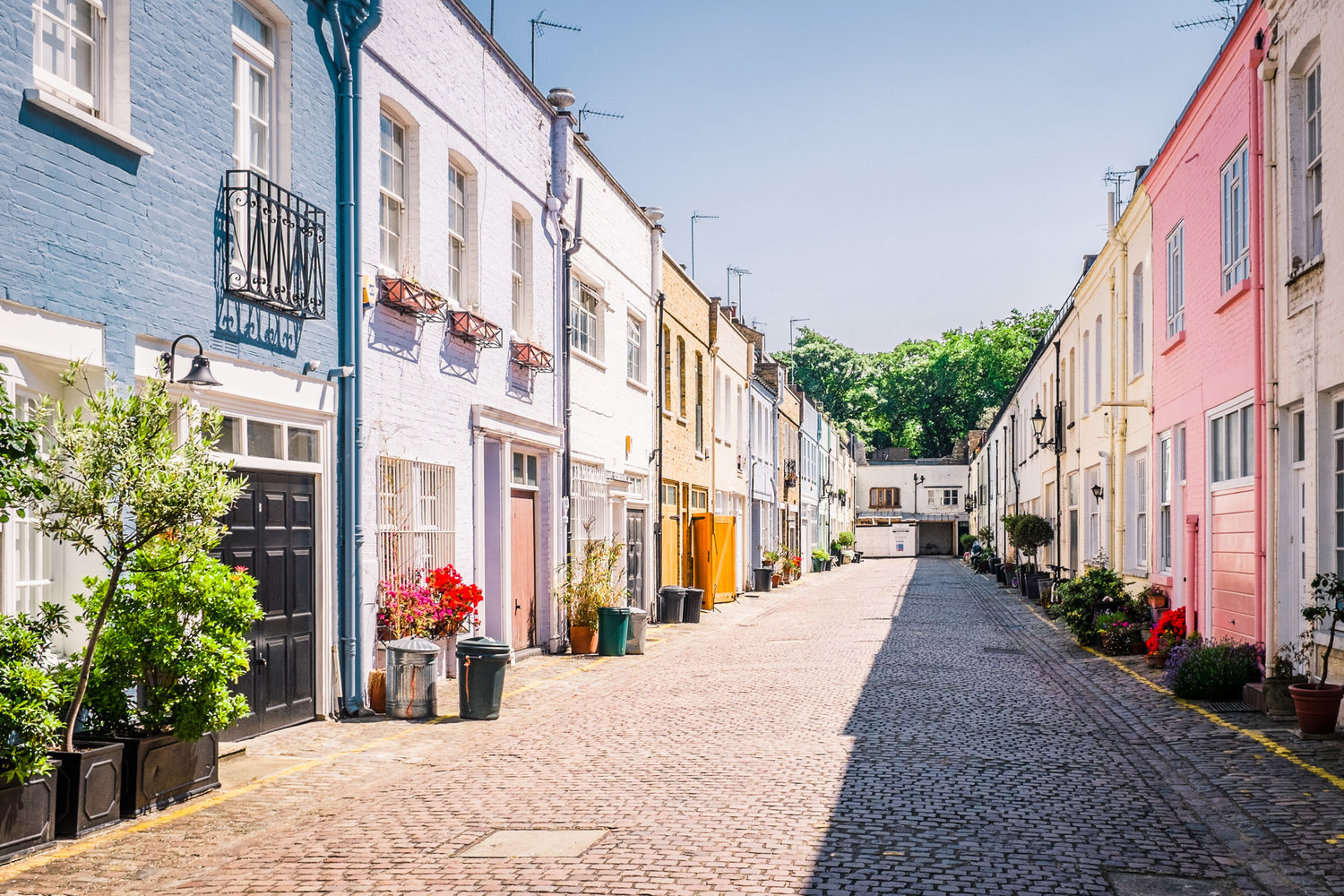
Few London neighbourhoods weave maritime heritage, UNESCO recognition and vibrant contemporary living quite like Greenwich. Our Greenwich area guide explores why this riverside enclave continues to captivate buyers and renters alike, from its sweeping Thames panoramas to its village-like High Road lined with independent shops and historic pubs. Whether you're drawn to the architectural grandeur of the Royal Naval College, the expanse of Greenwich Park or the modern regeneration of the peninsula, we examine what makes this corner of south-east London so distinctive. At Seymont London, our team has watched Greenwich evolve into one of the capital's most sought-after postcodes, balancing world-class culture with genuine community spirit.
The Character and Appeal of Greenwich
Greenwich commands the rare distinction of a World Heritage Site at its heart, where Baroque masterpieces by Wren and Hawksmoor frame the Thames in a tableau that has barely changed in three centuries. Yet this is no museum piece: the covered market bustles with artisan traders every weekend, the Picturehouse cinema draws crowds to its independent screenings, and Greenwich High Road hums with bistros, bookshops and delis that give the area its village atmosphere despite sitting mere minutes from Canary Wharf.
The topography itself defines much of Greenwich's character. Climb from the riverside through narrow Greenwich streets lined with Georgian townhouses and Victorian terraces, and you reach the plateau of Blackheath to the south or the commanding heights of Greenwich Park, where the Royal Observatory marks the Prime Meridian. These elevation changes create distinct micro-neighbourhoods, each with its own rhythm and appeal.
Cultural richness permeates daily life here. The National Maritime Museum, Royal Observatory, Cutty Sark and Painted Hall collectively draw millions of visitors annually, yet residents enjoy a quieter relationship with these treasures—evening concerts in the Chapel, morning runs through the deer park, or simply the backdrop of Inigo Jones's Queen's House on the school commute. This proximity to world-class heritage without the tourist saturation of central zones remains one of Greenwich's defining luxuries.
Transport connectivity has transformed Greenwich's appeal over the past decade. The Jubilee line at North Greenwich offers six-minute journeys to Canary Wharf and sub-twenty-minute connections to Westminster, whilst the DLR threads through Greenwich itself towards Bank. Southeastern rail services from Greenwich station reach London Bridge in under fifteen minutes, and the Thames Clipper river bus provides a scenic alternative for commuters. The forthcoming Elizabeth line interchange at Woolwich, within easy reach, will further cement Greenwich's position as a superbly connected riverside address.
Greenwich Property: Market Insights and Pricing
The Greenwich property market recorded 187 transactions in the most recent period, with a median sale price of £500,000 according to HM Land Registry data—a figure that masks considerable diversity across property types. Flats dominate the market with 116 sales at a median of £423,750, reflecting the substantial apartment stock in both period conversions and modern riverside developments. At the premium end, terraced houses commanded a median of £806,500 across 58 transactions, with individual sales reaching £2.31 million for the finest examples near the park or in Croom's Hill's most coveted stretches.
For those considering [Greenwich property for sale](/property-for-sale/greenwich), the range spans compact studio apartments in Victorian conversions from £119,000 through to detached family houses exceeding £1.5 million. Semi-detached homes, though rarer with just three recorded sales, achieved a median of £748,000. The 'other' category, encompassing commercial conversions and new-build schemes, shows the widest variance—from £2,000 for parking spaces or leasehold anomalies to exceptional transactions topping £26 million, likely representing substantial development sites or mixed-use assets.
Rental demand remains robust across all segments, supported by professionals working in Canary Wharf, the Greenwich Peninsula creative industries, and families attracted to the area's schools and green spaces. ONS data reveals studio apartments typically rent between £775 and £1,225 per month, whilst one-bedroom flats command £1,025 to £1,625. Two-bedroom properties range from £1,425 to £2,200 monthly, and three-bedroom homes—often terraced houses with gardens—achieve £1,875 to £2,950. Larger family homes with four bedrooms rent from £2,525 to £3,925, whilst five-bedroom properties start at £3,300 and reach £5,150 for the most substantial period houses.
Our team observes that Greenwich's property appeal spans first-time buyers securing modern flats near North Greenwich, established families investing in the Victorian and Edwardian stock closer to the park, and downsizers attracted to the riverside developments with concierge services and Thames views. The neighbourhood's mix of heritage architecture and contemporary builds, combined with its cultural assets and green spaces, creates a market with genuine depth across price points. For detailed analysis of recent transactions and current trends, explore our dedicated [Greenwich house prices](/house-prices/greenwich) resource.
Neighbourhoods Within Greenwich: From Riverside to Peninsula
Maritime Greenwich forms the historic core, where Greenwich Church Street and College Approach wind between the UNESCO landmarks and the Thames. Period properties here occupy prime positions, many with sash windows overlooking the park or river. The covered market arcade and surrounding independent retailers create a genuine village feel, whilst the proliferation of cafés and riverside pubs means the area maintains activity throughout the day and evening. Parking can prove challenging, but the trade-off is living within the architectural ensemble that defines Greenwich's global reputation.
West Greenwich and the Peninsula represent the area's contemporary face. North Greenwich station anchors a transformed landscape of modern apartment blocks, many with riverside aspects and resort-style amenities. The O2 arena provides year-round entertainment, whilst the peninsula's creative quarter—including the Design District's striking architecture—has attracted tech companies, studios and young professionals. This zone appeals particularly to those prioritising transport links, new-build specification and proximity to Canary Wharf, though it lacks the heritage charm of central Greenwich.
East Greenwich and Maze Hill climb the slope towards Blackheath, characterised by handsome Victorian terraces on tree-lined streets and a more residential, family-oriented atmosphere. The area around Greenwich Park's eastern edge offers the best of both worlds: substantial period houses with gardens, direct park access, and relative quiet whilst remaining within a fifteen-minute walk of Greenwich station. Our experience suggests families particularly value this pocket for its combination of space, greenery and catchment access to sought-after primary schools.
Croom's Hill deserves special mention as one of London's most distinguished streets, ascending from the National Maritime Museum towards Blackheath. Georgian and early Victorian houses of considerable grandeur line this route, many retaining original features and enjoying protected views across the park. Properties here command premium valuations but deliver period authenticity, generous proportions and an address that resonates with architectural connoisseurs. Similar character, if on a slightly smaller scale, can be found in the streets radiating from St Alfege Church and along Straightsmouth and Hyde Vale.
Talk to Seymont
What's your home worth?
A considered view on price, timing and how to bring your London home to market — a personal reply within 24 hours.
Your property
Step 1 of 2Living in Greenwich: Schools, Lifestyle and Amenities
Greenwich's educational provision spans outstanding state primaries and secondaries alongside independent options. Families consistently praise schools such as Our Lady of Grace Catholic Primary, Halstow Primary and the newly built Riverside School, whilst secondary options including St Ursula's Convent School and the John Roan School draw pupils from across south-east London. The proximity of Blackheath High School and Blackheath Prep adds independent alternatives within easy reach, contributing to the area's appeal for families prioritising education.
Greenwich Park's 180 acres form the area's green heart—London's oldest enclosed royal park and arguably its most spectacular, with panoramas encompassing the Thames, Docklands and the City skyline. Beyond the famous observatory and deer enclosures, the park offers tennis courts, a children's boating lake, woodland walks and the flower garden—a riot of colour from spring through autumn. Weekend mornings see the paths busy with runners and cyclists, whilst summer evenings draw picnickers to the hilltop viewpoint. This magnificent open space, combined with the Thames Path's traffic-free riverside route, means Greenwich residents enjoy outdoor recreation that rivals neighbourhoods twice the distance from central London.
The dining and drinking scene balances traditional pubs with contemporary additions. The Trafalgar Tavern and Cutty Sark Tavern trade on riverside heritage, whilst newer arrivals such as Craft London and the restaurants within the Old Royal Naval College's Painted Hall complex demonstrate Greenwich's culinary evolution. Greenwich Market's food traders offer everything from Venezuelan arepas to Scottish seafood, and the Sunday farmers' market brings organic producers to the Blackheath gates. Independent retailers along Greenwich High Road and in the covered market maintain the area's individual character against the homogenising tide of chain stores.
For those considering [letting property in Greenwich](/let-your-property/greenwich), the combination of Canary Wharf professionals, creative industry workers on the peninsula, and academic staff from the University of Greenwich ensures year-round tenant demand. The neighbourhood's transport links, cultural assets and village atmosphere create a compelling proposition for renters who might otherwise default to zones further west or north, whilst the range of property types from studio flats to substantial family houses means landlords can target various market segments effectively.
Why Choose Greenwich: The Seymont Perspective
We've observed Greenwich's trajectory over numerous market cycles, and the area's fundamental appeal has only strengthened. The combination of UNESCO heritage, expansive parkland, robust transport infrastructure and genuine community identity creates a proposition that few London neighbourhoods can match. Unlike areas where a single developer or regeneration scheme defines the character, Greenwich has evolved organically over centuries, layering maritime history with modern regeneration whilst retaining its essential village-scale intimacy along key Greenwich streets.
The property market here rewards careful selection. Period conversions in central Greenwich often provide better value per square foot than equivalent space in Blackheath proper, whilst the riverside new-builds deliver specifications and amenities—gyms, concierges, private terraces—that appeal to a different demographic entirely. Families seeking gardens and proximity to outstanding schools might focus on the Victorian stock climbing towards the park, accepting slightly longer walks to the station in exchange for green space and period charm. First-time buyers frequently find the modern flats near North Greenwich offer the optimal balance of affordability, specification and commute times for Canary Wharf-based careers.
Our [Greenwich estate agents](/estate-agents/greenwich) bring local expertise to every transaction, understanding not just current pricing but the micro-market variations between streets, the implications of conservation area constraints, and the relative merits of leasehold versus share-of-freehold structures common in Victorian conversions. Whether you're drawn to Greenwich for its culture, its riverside setting, its excellent schools or simply its distinct identity within the capital, we provide the insight and market knowledge to navigate this diverse and historically rich corner of London.
Greenwich continues to surprise even longstanding residents with hidden courtyards, secret gardens and architectural details that reward closer attention. It's a neighbourhood that repays exploration and deepening familiarity—the definition, we believe, of somewhere worth calling home.
Talk to Seymont
What's your home worth?
A considered view on price, timing and how to bring your London home to market — a personal reply within 24 hours.
Your property
Step 1 of 2About the author
Nina CastellanoInvestment Property Advisor
Nina advises landlords and investors on rental yields, tenant demand and portfolio structure across Greater London, after running lettings and management at Bellhouse Property Partners. She has overseen single units and multi-property portfolios, and works through compliance, void periods and running costs before a purchase is agreed. Her articles deal with the numbers behind a buy-to-let rather than the headline gross yield.
Lettings and portfolio management · 9 years in London rentals
- Buy-to-let
- Rental yields
- Portfolio strategy
- Landlord compliance
Frequently asked
- What is the average property price in Greenwich?
- According to HM Land Registry data, the median property price in Greenwich is £500,000. However, this varies significantly by property type: flats have a median price of £423,750, whilst terraced houses command £806,500. The market ranges from flats at £119,000 through to detached houses exceeding £1.5 million, reflecting Greenwich's diverse housing stock and the premium attached to period properties near the park or riverside locations.
- Is Greenwich a good area to live in London?
- Greenwich offers an exceptional combination of UNESCO World Heritage architecture, the expansive Greenwich Park, excellent transport links to Canary Wharf and central London, and a genuine village atmosphere with independent shops and restaurants. The area appeals particularly to families attracted by good schools and green spaces, professionals valuing the sub-twenty-minute commute to the City, and those seeking cultural richness with the National Maritime Museum, Royal Observatory and regular riverside events. The mix of period properties and modern riverside developments means Greenwich suits various lifestyles and budgets.
- How much does it cost to rent in Greenwich?
- Rental costs in Greenwich vary by property size, according to ONS data. Studio apartments typically range from £775 to £1,225 per month, one-bedroom flats from £1,025 to £1,625, and two-bedroom properties from £1,425 to £2,200 monthly. Three-bedroom homes command £1,875 to £2,950, four-bedroom properties £2,525 to £3,925, and five-bedroom houses from £3,300 to £5,150. Location significantly influences pricing, with riverside new-builds and period houses near Greenwich Park commanding premiums within these ranges.
- What is the difference between Greenwich and North Greenwich?
- Greenwich refers to the historic World Heritage Site area around the Royal Naval College, with Georgian and Victorian architecture, Greenwich Park, and the village-like High Road. North Greenwich describes the regenerated peninsula area centred on North Greenwich station, dominated by modern apartment developments, the O2 arena and the Design District's creative quarter. North Greenwich offers newer properties, Jubilee line access and proximity to Canary Wharf, whilst Greenwich proper provides period character, UNESCO landmarks and a more established residential community. Both fall within the broader Greenwich neighbourhood but offer distinctly different living experiences.
- How long does it take to commute from Greenwich to central London?
- Greenwich offers excellent transport connections with multiple options. The DLR from Greenwich or Cutty Sark stations reaches Bank in approximately 20 minutes. Southeastern trains from Greenwich station reach London Bridge in under 15 minutes, with onward connections across the capital. The Jubilee line from North Greenwich provides six-minute journeys to Canary Wharf and reaches Westminster in under 20 minutes. The Thames Clipper river bus offers a scenic alternative, typically taking 35-45 minutes to central piers. This variety of routes makes Greenwich highly accessible for commuters working across London's financial and commercial districts.