Journal
Freehold Pub for Sale: What London Buyers Need to Know
Written by Julian Reyes · Licensed Real Estate Agent
Published 26 October 2025 · Updated 12 November 2025 · 3 min read
The short answer
If you're searching for a freehold pub for sale in London, you're entering a specialist property market that blends commercial investment with community heritage. Our team works with buyers who want full ownership—no brewery tie, no ground rent—and the freedom to operate, convert or develop.
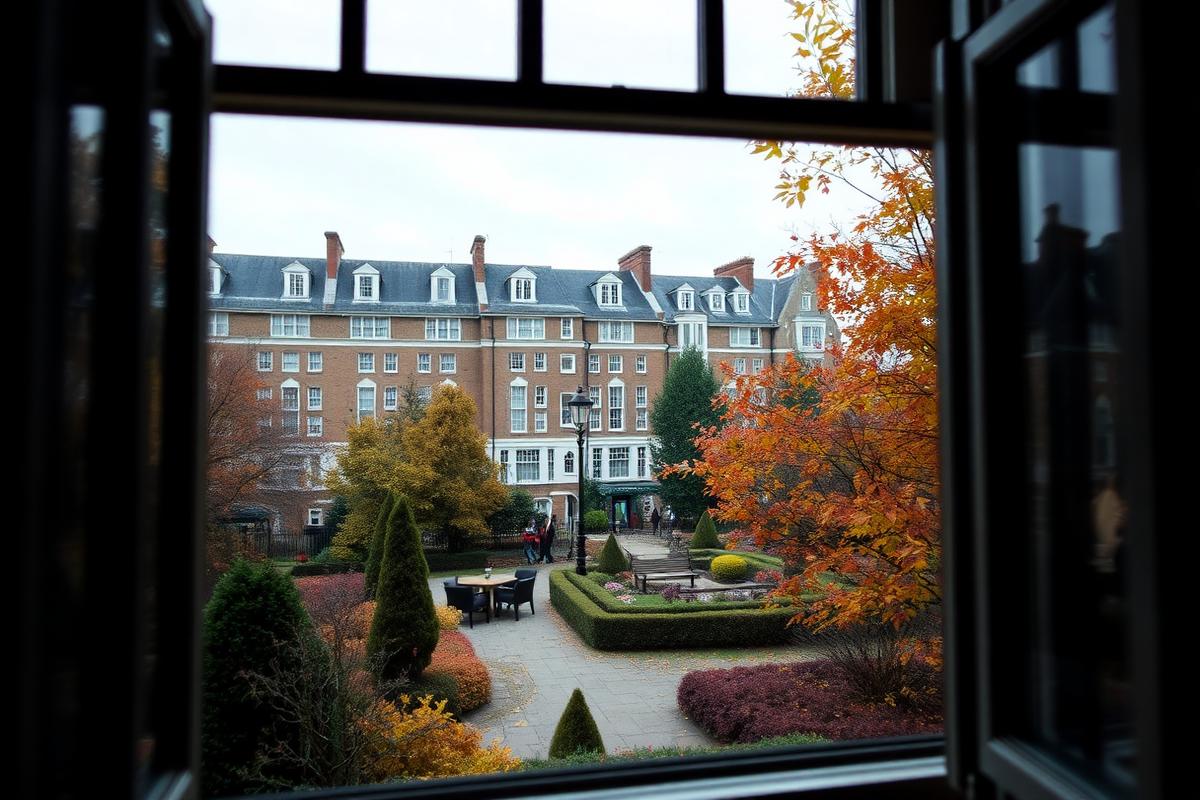
If you're searching for a freehold pub for sale in London, you're entering a specialist property market that blends commercial investment with community heritage. Our team works with buyers who want full ownership—no brewery tie, no ground rent—and the freedom to operate, convert or develop. In this guide, we'll walk you through valuations, due diligence, licensing and the boroughs where opportunities still exist at sensible prices.
Why Buy Freehold Rather Than Leasehold?
Freehold ownership means you control the entire asset: building, land and any future use. You're not bound by a pubco agreement or lease covenants, so you can negotiate your own supply deals, rebrand or apply for change of use if the business model no longer works.
According to HM Land Registry data, freehold commercial properties in London typically command a 15–25 per cent premium over comparable leaseholds, but the long-term equity gain and operational flexibility usually justify the outlay. Our conveyancing checks always include title restrictions and any historical covenants that might limit alterations or opening hours.
Valuation: What Drives the Price of a Freehold Pub for Sale?
Pub valuations hinge on three factors: trading performance (EBITDA multiples of 4–6× are common for tenanted or managed houses), property condition and location. A corner site near a Tube station in Islington will fetch far more per square foot than a backstreet local in Zone 4, even if both turn similar revenues.
We always recommend instructing a licensed valuer with hospitality experience and cross-referencing recent sales on our /sold-prices tool—it shows actual registration prices rather than asking figures. If the vendor can't provide three years of audited accounts and a current premises licence, walk away or price in the risk.
Licensing, Planning and Change of Use
Every pub needs a premises licence under the Licensing Act 2003, issued by the local council and tied to a designated premises supervisor with a personal licence. When you buy the freehold, the licence transfers on application—budget four to six weeks and around £500 in fees, according to GOV.UK guidance.
Many buyers acquire a freehold pub for sale with an eye to residential conversion, especially in areas where housing demand outstrips leisure spend. You'll need planning permission from the borough; policies vary, but most London councils now apply Article 4 directions or require evidence that the pub is no longer economically viable. Our team in /estate-agents/islington has guided several clients through prior-approval applications and can introduce planning consultants who specialise in pub-to-resi schemes.
Talk to Seymont
What's your home worth?
A considered view on price, timing and how to bring your London home to market — a personal reply within 24 hours.
Your property
Step 1 of 2Where to Find Opportunities in London
High streets in boroughs like Hackney, Lewisham and Haringey still offer freehold pubs under £1 million, often requiring refurbishment but with strong footfall and residential catchments. Prime spots in Westminster or Camden command £2–4 million but deliver higher yields if you secure the right operator or brand partnership.
Browse our /property-for-sale/islington portal for live listings, and set up alerts for commercial freeholds—stock moves quickly, and off-market deals are common. We also track auctions; Legal & General Auction and Allsop frequently feature distressed pub freeholds with guide prices 20–30 per cent below open-market value, though competition from developers can be fierce.
Financing and Running Costs
High-street lenders rarely offer residential-style mortgages for trading pubs; expect a commercial loan at 60–70 per cent loan-to-value, with rates currently between 6–8 per cent according to recent Bank of England data. If you plan immediate conversion, a bridging facility may be cheaper over twelve months than a long-term commercial product.
Budget for business rates (pubs no longer qualify for small-business relief above £12,000 rateable value), buildings insurance with public-liability cover, annual fire-safety and gas certificates, and any staff or inventory costs if you're running the business yourself. Freehold ownership eliminates rent and service charges, but capital expenditure—roofs, electrics, cellar cooling—falls entirely on you.
Talk to Seymont
What's your home worth?
A considered view on price, timing and how to bring your London home to market — a personal reply within 24 hours.
Your property
Step 1 of 2About the author
Julian ReyesLicensed Real Estate Agent
Julian has spent eleven years handling residential sales across west and central London, previously with the independent agencies Harlowe & Vance and Marchmont Row. He runs listings end to end, from pricing and presentation through to negotiating offers and holding chains together to completion. His writing focuses on the practical mechanics of buying and selling a home in a market where timing and preparation decide the outcome.
Licensed estate agent · 11 years in London residential sales
- Residential sales
- First-time buyers
- Offer negotiation
- Chain management
Frequently asked
- How long does it take to buy a freehold pub?
- Typically eight to twelve weeks from offer acceptance to completion, assuming clear title and no licensing complications. Commercial conveyancing takes longer than residential because solicitors must review trading accounts, leases if the pub is tenanted, environmental searches and any restrictive covenants on the title register.
- Can I convert a freehold pub into flats?
- Yes, subject to planning permission from your local council. Many London boroughs have Article 4 directions or local-plan policies protecting community assets, so you may need to demonstrate the pub is no longer viable or apply for prior approval under Class M permitted development if the building qualifies.
- What yield should I expect from a tenanted freehold pub?
- Net initial yields in London range from 4–7 per cent depending on location, lease length and tenant covenant strength. Prime high-street sites with national pub chains as tenants sit at the lower end; independent locals in secondary locations can yield 6–7 per cent but carry higher void risk.
- Do I need a personal licence to own a pub freehold?
- No. The freehold owner does not require a personal licence, but the premises licence must name a designated premises supervisor who holds one. If you plan to manage day-to-day operations yourself, you'll need to complete a one-day accredited course and apply to the council.
- Are there stamp duty surcharges on freehold pub purchases?
- Freehold pubs are classed as non-residential for stamp duty purposes, so you pay commercial rates: zero up to £150,000, then 2 per cent to £250,000 and 5 per cent above that threshold. The 3 per cent additional-homes surcharge does not apply unless you convert to residential before completion.