Journal
Ealing Area Guide
Written by Nina Castellano · Investment Property Advisor
Published 8 December 2025 · Updated 20 May 2026 · 7 min read
The short answer
Welcome to our comprehensive Ealing area guide, your essential resource for understanding one of west London's most desirable postcodes. Known affectionately as the 'Queen of the Suburbs', Ealing combines Victorian and Edwardian elegance with outstanding green spaces, exceptional transport connections and a village-like community atmosphere that continues to attract families, professionals and investors alike.

Welcome to our comprehensive Ealing area guide, your essential resource for understanding one of west London's most desirable postcodes. Known affectionately as the 'Queen of the Suburbs', Ealing combines Victorian and Edwardian elegance with outstanding green spaces, exceptional transport connections and a village-like community atmosphere that continues to attract families, professionals and investors alike. With a median property price of £620,000 according to HM Land Registry data, this thriving borough offers remarkable variety across its distinct neighbourhoods, from the bustling retail hub of Ealing Broadway to the tranquil tree-lined streets of Ealing Common and the characterful enclaves of South Ealing, West Ealing and North Ealing. Our team has prepared this guide to help you discover why Ealing property remains amongst the most sought-after in the capital.
The Ealing Neighbourhoods: From Ealing Broadway to Ealing Common
Ealing Broadway forms the commercial and cultural heart of the borough, where the Westfield-anchored shopping centre, independent boutiques and an impressive array of restaurants create a genuinely cosmopolitan atmosphere. The Broadway's position as a major transport interchange—serving both the Central and Elizabeth lines alongside National Rail services—makes it particularly attractive to City commuters, whilst the nearby Questors Theatre and Ealing Studios (the world's oldest continuously working film studio) add cultural cachet that few suburban centres can match.
Ealing Common offers an altogether different proposition, with its eponymous 47-acre green space providing the neighbourhood's focal point. The streets radiating from the Common—particularly those between the District line station and Ealing Broadway—feature some of Ealing's finest Victorian and Edwardian properties, with substantial family homes commanding premium prices. According to HM Land Registry data, semi-detached houses in the area achieve a median of £1,150,000, whilst detached properties reach £1,787,500, reflecting the enduring appeal of these generous family homes.
South Ealing presents a quieter, more residential character, popular with young families drawn to excellent primary schools and the gentler pace of life along its leafy streets. The Piccadilly line station provides direct access to Heathrow, making this neighbourhood particularly popular with international professionals. West Ealing, meanwhile, has emerged as Ealing's most dynamic neighbourhood, where regeneration initiatives and improved connectivity have catalysed a creative community, independent food scene and increasingly vibrant street culture. North Ealing rounds out the borough's offerings with its own distinct identity, characterised by wide tree-lined avenues, substantial detached houses and proximity to both Pitshanger Park and Hanger Hill Park.
What unites these distinct neighbourhoods is a shared commitment to community, with farmers' markets, local festivals and thriving high streets fostering genuine neighbourliness that transcends Ealing's position within the M25. This sense of place, combined with exceptional transport links and outstanding schools, explains why demand for Ealing property remains consistently strong across all market conditions.
Understanding Ealing Property Prices and Market Dynamics
The Ealing property market recorded 1,370 sales in the most recent data period, with a median price of £620,000 according to HM Land Registry figures—a testament to the area's position as an accessible yet aspirational west London location. However, these headline figures mask considerable variation across property types and specific Ealing streets, making local expertise essential for both purchasers and vendors.
Flats dominate transaction volumes, accounting for 711 sales with a median price of £450,000, making purpose-built and conversion apartments the natural entry point for first-time buyers and investors. The flat market spans everything from compact studio conversions near West Ealing station at the lower end, to substantial period conversions and modern developments around Ealing Broadway commanding prices up to £1,857,145. This diversity allows the market to accommodate everyone from recent graduates to downsizing professionals seeking lock-up-and-leave convenience.
Terraced houses, with 363 transactions and a median of £842,500, represent the traditional family choice, particularly the late-Victorian and Edwardian terraces that characterise streets south of Uxbridge Road and around Ealing Common. These properties typically offer three to four bedrooms, modest gardens and period features that respond well to sympathetic renovation—a combination that continues to attract design-conscious families. Semi-detached properties achieve a median of £1,150,000 across 162 sales, whilst the 80 detached house transactions reached a median of £1,787,500, with individual sales extending to £4,800,000 for substantial family homes in prime locations.
For investors and landlords, ONS rental data reveals strong tenant demand across all property sizes. Studios command £975-£1,525 monthly, one-bedroom flats £1,275-£2,000, two-bedroom properties £1,750-£2,750, and three-bedroom houses £2,350-£3,650. Larger family homes achieve £3,125-£4,875 for four bedrooms and £4,100-£6,400 for five-plus bedrooms, reflecting the premium that tenants place on space, schools and Ealing's quality of life. Our <a href="/house-prices/ealing">house prices</a> page provides regularly updated market analysis for those tracking value trends.
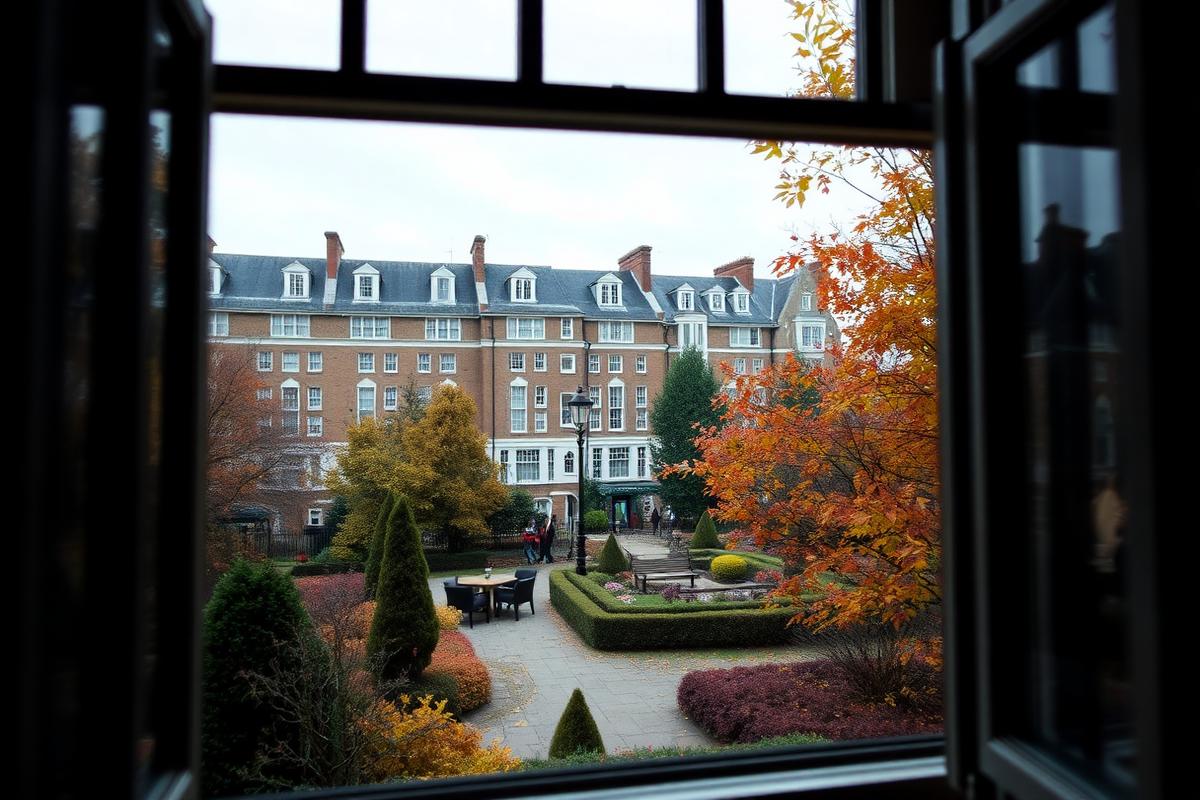
Transport Connections: Ealing's Unrivalled Accessibility
Ealing's transport infrastructure represents one of its most compelling advantages, offering connectivity that rivals inner London whilst maintaining a distinctly suburban character. Ealing Broadway station serves as the borough's principal interchange, where the Central and Elizabeth lines converge with Great Western Railway services, delivering Liverpool Street in 25 minutes, Bond Street in 15 minutes and Reading in 35 minutes—a combination that satisfies both eastbound City commuters and westbound travellers to Heathrow and the Thames Valley.
The arrival of the Elizabeth line has fundamentally enhanced Ealing's proposition, reducing journey times to Canary Wharf, the West End and Heathrow whilst increasing service frequency and capacity. This infrastructure investment has already influenced property values, particularly around Ealing Broadway and West Ealing (which also benefits from Elizabeth line services), where buyers recognise the long-term value of premium connectivity. South Ealing and Ealing Common stations on the District and Piccadilly lines provide alternative routes into central London, whilst North Ealing on the Piccadilly line offers direct Heathrow access—a significant advantage for international professionals.
Beyond rail, the A40/M40 corridor provides swift road access to Oxford, the Midlands and Heathrow, whilst multiple bus routes connect Ealing's neighbourhoods to each other and to surrounding areas including Acton, Chiswick and Hammersmith. For cyclists, Quietway routes and dedicated lanes make two-wheeled commuting increasingly viable, supported by Ealing Council's ongoing investment in cycling infrastructure. This transport abundance means residents can genuinely choose their preferred commuting mode based on destination and personal preference—a flexibility that enhances Ealing's appeal across diverse demographics.
Talk to Seymont
What's your home worth?
A considered view on price, timing and how to bring your London home to market — a personal reply within 24 hours.
Your property
Step 1 of 2Schools, Parks and Lifestyle: Why Families Choose Ealing
Ealing's educational provision ranks amongst the finest in London, with multiple Outstanding-rated primary and secondary schools driving family migration to the borough. The state sector includes highly sought-after primaries such as North Ealing, St John's and Drayton Green, whilst Ealing's grammar schools—including the historically prestigious Henrietta Barnett School (accessed via the Ealing border) and Ellen Wilkinson School for Girls—attract families throughout west London. The independent sector offers further choice, with St Benedict's, Notting Hill and Ealing High School and The Japanese School providing alternative educational pathways.
Green space defines Ealing's character in ways that few London boroughs can match. Beyond Ealing Common's 47 acres, residents enjoy Walpole Park (with its Pitzhanger Manor gallery), Lammas Park, Gunnersbury Park (shared with Hounslow) and the magnificent sweep of semi-rural landscape along the Brent River Park. These spaces facilitate everything from weekend football matches to summer picnics, providing the outdoor lifestyle that attracts families weary of inner London's intensity. The nearby Grand Union Canal towpath offers walking and cycling routes into deeper countryside, whilst Kew Gardens sits just across the borough boundary.
Ealing's cultural and social infrastructure complements its green credentials admirably. The High Street, Haven Green and Ealing Broadway Centre provide comprehensive retail, whilst independent quarters around West Ealing and South Ealing nurture speciality food shops, cafés and restaurants representing cuisines from Poland to Japan. The Pitshanger Gallery, Questors Theatre and year-round programme of festivals (including the renowned Ealing Jazz Festival and Ealing Summer Festivals) create genuine cultural engagement, whilst traditional pubs and modern wine bars satisfy diverse social preferences. For those seeking an active lifestyle, David Lloyd and numerous boutique fitness studios complement the borough's sports facilities and tennis clubs. Our <a href="/property-for-sale/ealing">property for sale</a> listings showcase homes across these diverse neighbourhoods.
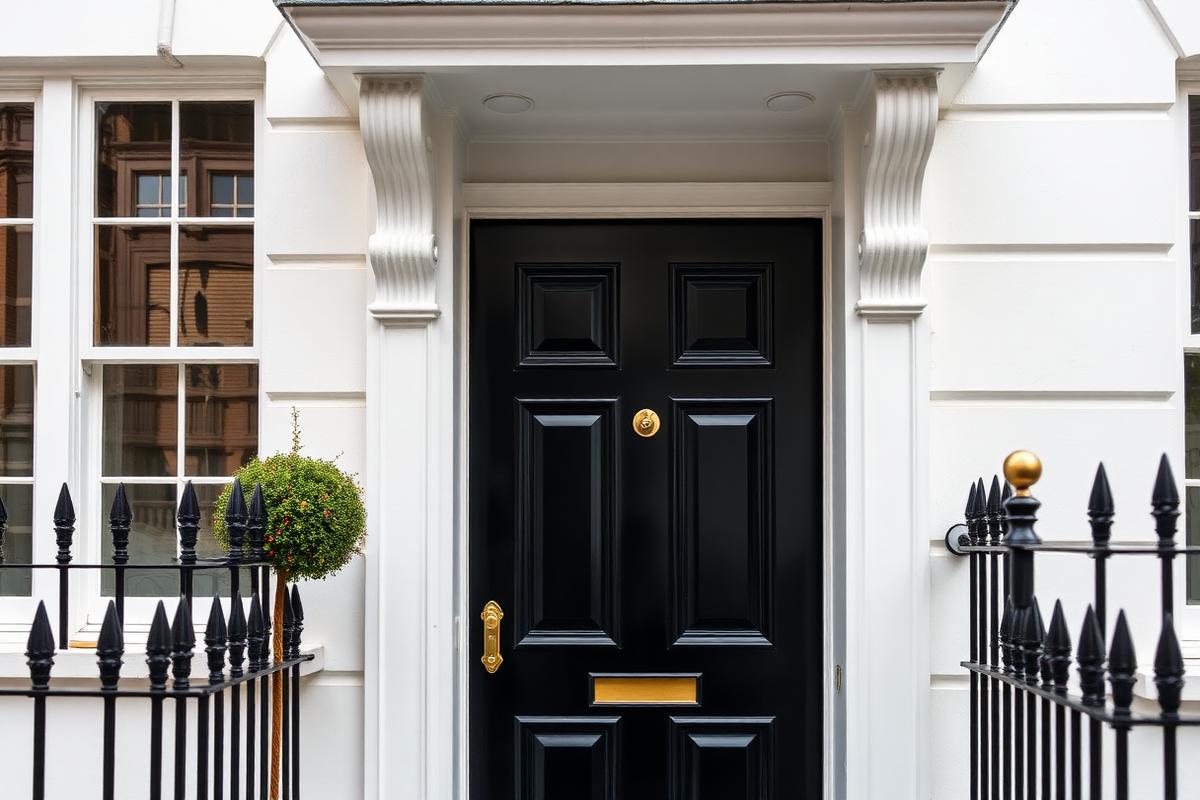
Buying, Selling and Renting in Ealing
Navigating the Ealing property market requires understanding the distinct characteristics and price points across the borough's varied neighbourhoods. Buyers seeking period character and established community atmosphere naturally gravitate toward streets around Ealing Common and the conservation areas south of Uxbridge Road, where Victorian and Edwardian family houses retain original features and generous proportions. Those prioritising convenience and modern amenities often prefer locations within walking distance of Ealing Broadway, where contemporary developments and converted mansion flats provide lock-up-and-leave living with immediate access to transport and retail.
The rental market across Ealing borough demonstrates consistent tenant demand, supported by the area's schools, transport and quality of life. Professional sharers and young couples dominate demand for one and two-bedroom flats, particularly around Ealing Broadway and South Ealing where Tube connectivity suits central London employment. Family rentals, typically three to five-bedroom houses, prove most sought-after around outstanding schools and near Ealing Common, where tenants accept premium rents in exchange for space, greenery and educational access. Landlords benefit from Ealing's enduring appeal, with void periods typically shorter than the London average and tenant quality reflecting the area's professional demographic.
For vendors, market preparation proves crucial in maximising value. Ealing buyers—whether families upsizing from flats or professionals relocating from other London boroughs—expect high presentation standards, with period properties benefiting from sympathetic renovation that respects original features whilst incorporating modern kitchens and bathrooms. Gardens, however modest, add disproportionate value given Ealing's family orientation, whilst off-street parking commands significant premiums throughout the borough. Our <a href="/estate-agents/ealing">estate agents</a> provide tailored guidance on positioning property effectively within Ealing's competitive market.
Investors continue to view Ealing positively, recognising that transport improvements, ongoing regeneration (particularly around West Ealing) and enduring educational reputation support long-term capital growth and rental demand. The combination of relatively accessible entry prices compared to neighbouring Chiswick and Acton, coupled with demonstrable infrastructure investment, positions Ealing favourably for those seeking London property exposure without central zone pricing. Those considering Ealing as a lettings investment can explore our <a href="/let-your-property/ealing">let your property</a> services for comprehensive landlord support.
Talk to Seymont
What's your home worth?
A considered view on price, timing and how to bring your London home to market — a personal reply within 24 hours.
Your property
Step 1 of 2About the author
Nina CastellanoInvestment Property Advisor
Nina advises landlords and investors on rental yields, tenant demand and portfolio structure across Greater London, after running lettings and management at Bellhouse Property Partners. She has overseen single units and multi-property portfolios, and works through compliance, void periods and running costs before a purchase is agreed. Her articles deal with the numbers behind a buy-to-let rather than the headline gross yield.
Lettings and portfolio management · 9 years in London rentals
- Buy-to-let
- Rental yields
- Portfolio strategy
- Landlord compliance
Frequently asked
- What is the average property price in Ealing?
- According to HM Land Registry data, the median property price in Ealing is £620,000, though this varies significantly by property type. Flats achieve a median of £450,000, terraced houses £842,500, semi-detached properties £1,150,000, and detached houses £1,787,500. Prices also vary considerably between neighbourhoods, with Ealing Common and areas south of Uxbridge Road typically commanding premiums over West Ealing and North Ealing.
- Which area of Ealing is best for families?
- Ealing Common and South Ealing prove particularly popular with families, offering outstanding primary schools, generous green spaces and quieter residential streets with substantial family houses. The areas around North Ealing also attract families seeking larger detached properties and excellent schools. However, family suitability ultimately depends on individual priorities regarding school catchments, commute requirements and budget, with different Ealing neighbourhoods appealing to different family profiles.
- How long does it take to commute from Ealing to central London?
- Ealing Broadway offers Central line services to Oxford Circus in approximately 20 minutes and Liverpool Street in 25 minutes. The Elizabeth line reaches Bond Street in 15 minutes and Canary Wharf in around 30 minutes. South Ealing and Ealing Common on the District and Piccadilly lines take slightly longer, typically 30-40 minutes to central zones depending on destination. These journey times make Ealing highly competitive for professionals working across the City, West End and Canary Wharf.
- What is the rental market like in Ealing?
- Ealing experiences strong rental demand across all property types. According to ONS data, studios rent for £975-£1,525 monthly, one-bedroom flats £1,275-£2,000, two-bedroom properties £1,750-£2,750, and three-bedroom houses £2,350-£3,650. Larger family homes command £3,125-£4,875 for four bedrooms and £4,100-£6,400 for five-plus bedrooms. Tenant demand remains consistent thanks to excellent schools, transport links and quality of life, with void periods typically below the London average.
- Is Ealing a good area to invest in property?
- Ealing offers compelling investment fundamentals including exceptional transport connectivity (particularly following the Elizabeth line opening), outstanding schools driving family demand, ongoing regeneration in West Ealing, and relatively accessible pricing compared to neighbouring Chiswick and Hammersmith. The combination of consistent rental demand, infrastructure investment and diverse property stock across different price points makes Ealing attractive for both capital growth and income-focused investors, though individual investment suitability depends on specific objectives and market timing.