Journal
The Best Areas to Live in Ealing
Written by Nina Castellano · Investment Property Advisor
Published 30 March 2026 · Updated 22 April 2026 · 7 min read
The short answer
Ealing has long been celebrated as the 'Queen of the Suburbs', and it's easy to understand why when you explore the borough's distinctive neighbourhoods. For those considering where to live in Ealing, the choice is wonderfully varied: from the bustling retail hub of Ealing Broadway to the leafy tranquillity of Ealing Common, each pocket of W5 and W13 offers its own character and appeal.
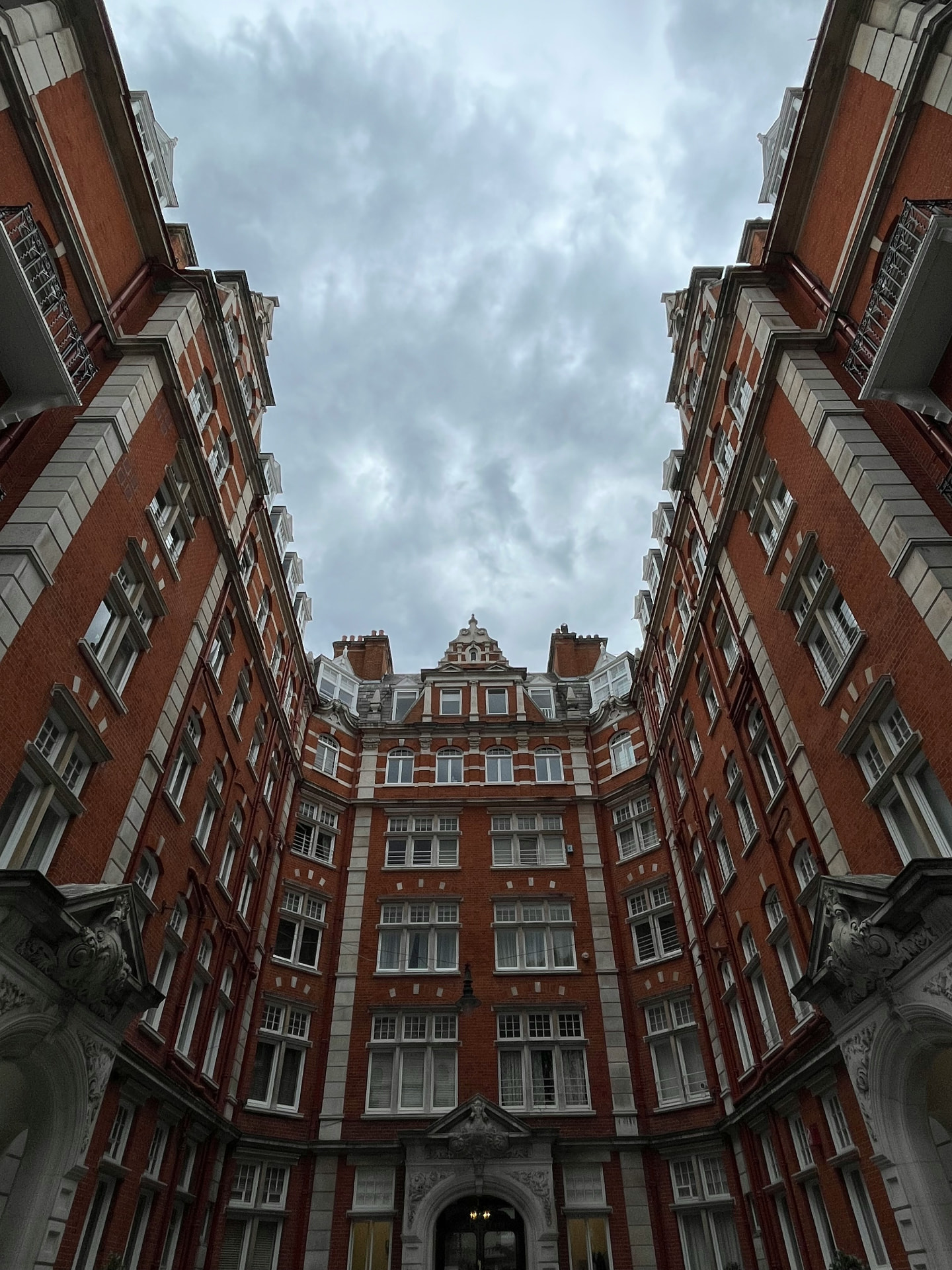
Ealing has long been celebrated as the 'Queen of the Suburbs', and it's easy to understand why when you explore the borough's distinctive neighbourhoods. For those considering where to live in Ealing, the choice is wonderfully varied: from the bustling retail hub of Ealing Broadway to the leafy tranquillity of Ealing Common, each pocket of W5 and W13 offers its own character and appeal. Our team has guided countless buyers and renters through Ealing's property market, and we've witnessed first-hand how the best areas to live in Ealing cater to remarkably different lifestyles. According to HM Land Registry data, Ealing recorded 1,370 property sales with a median price of £620,000, reflecting the borough's enduring popularity across all property types. Whether you're seeking a studio flat near the Underground or a detached family home backing onto Lammas Park, understanding Ealing's micro-markets is essential to making the right choice. In this guide, we'll explore the distinct neighbourhoods that make Ealing one of west London's most sought-after residential areas, examining what each offers in terms of amenities, transport links, architectural character and community spirit.
Ealing Broadway: The Vibrant Heart
Ealing Broadway stands as the borough's commercial and cultural epicentre, attracting buyers and renters who value convenience and connectivity above all else. The area's dual Underground and Elizabeth line stations deliver unparalleled access to central London, with Bond Street reachable in just 11 minutes—a commuting proposition that few west London suburbs can match.
The Broadway shopping centre, alongside Haven Green's independent cafés and the renovated Pitzhanger Manor & Gallery, creates a neighbourhood that balances chain retail with genuine cultural substance. Property-wise, the streets immediately surrounding the station feature predominantly purpose-built flats and conversions, with HM Land Registry figures showing flats in Ealing achieving a median price of £450,000. The area particularly suits young professionals and downsizers who prioritise walkability and amenities over garden space.
Residential streets such as those between Ealing Broadway and Walpole Park offer surprisingly peaceful pockets despite the proximity to the high street. The Victorian and Edwardian stock here has been well-maintained, and our team regularly sees strong competition for the rare period conversions that retain original features. For those weighing where to live in Ealing, Broadway represents the highest-energy option, with the corresponding premium on property prices reflecting that central position.
Rental demand here remains consistently robust. ONS data indicates studio flats command £975–£1,525 per month, whilst one-bedroom properties range from £1,275 to £2,000—figures that reflect the area's appeal to commuters and the proximity to the Crossrail Elizabeth line.
South Ealing: Period Charm and Village Character
South Ealing has cultivated a reputation as one of Ealing's most desirable residential quarters, prized for its handsome Victorian and Edwardian terraces, mature tree-lined avenues and genuine village atmosphere. The South Ealing Road corridor provides the neighbourhood's spine, hosting independent bakeries, wine merchants and neighbourhood restaurants that foster a stronger community feel than the chain-dominated Broadway.
Architecturally, South Ealing showcases some of the finest period housing stock in the borough. The streets radiating from South Ealing station—particularly those between South Ealing Road and Northfield Avenue—feature substantial semi-detached and terraced homes with generous proportions, original tiling and ornate brickwork. According to HM Land Registry data, terraced properties in Ealing achieved a median sale price of £842,500, whilst semi-detached homes reached £1,150,000, with South Ealing commanding a notable premium within these brackets.
Families are particularly drawn to this neighbourhood. The combination of excellent primary schools, Lammas Park's open spaces and quiet residential streets creates an environment where children genuinely play outside and neighbours know one another. South Ealing station on the Piccadilly line ensures the commute remains manageable, though journey times are slightly longer than from Broadway.
Our team consistently advises clients that South Ealing represents perhaps the best balance between period character, community atmosphere and transport connectivity. The rental market here reflects family demand, with three-bedroom properties commanding £2,350–£3,650 per month according to ONS figures, whilst larger four-bedroom homes can reach £3,125–£4,875 monthly.
West Ealing: The Up-and-Coming Quarter
West Ealing has undergone a remarkable transformation over the past decade, evolving from Ealing's overlooked sibling into a neighbourhood with genuine momentum and appeal. The area attracts buyers seeking better value whilst remaining within the Ealing postcode, alongside those drawn to the quarter's increasingly vibrant independent food scene and artistic community.
Property prices in West Ealing remain noticeably more accessible than in Broadway or South Ealing, making it particularly popular with first-time buyers and young families stretching their budgets. The Victorian terraces north of the Uxbridge Road offer solid family homes, whilst the streets closer to Hanwell borders provide opportunities to acquire properties with development potential. Our experience suggests that West Ealing continues to offer some of the best value when considering where to live in Ealing, though the gap is narrowing as the area gentrifies.
The arrival of Crossrail at West Ealing station has proven transformative, placing previously undervalued streets within easy reach of central London and Heathrow alike. The high street itself now boasts an eclectic mix of Polish delis, Sri Lankan restaurants and Korean grocers alongside emerging coffee shops and micropubs—a diversity that creates genuine character rather than the homogenised feel of some high streets.
Dean Gardens and Churchfield Recreation Ground provide green space, whilst the proximity to the Grand Union Canal offers walking and cycling routes into the countryside. For investors and owner-occupiers alike, West Ealing represents an area still offering growth potential, with two-bedroom flats ranging from £1,750 to £2,750 per month in the rental market according to ONS data.
Talk to Seymont
What's your home worth?
A considered view on price, timing and how to bring your London home to market — a personal reply within 24 hours.
Your property
Step 1 of 2Ealing Common: Parkside Premium Living
Ealing Common occupies a special position in the borough's residential hierarchy, defined almost entirely by its relationship to the magnificent 47-acre common from which it takes its name. This is Ealing at its most spacious and genteel, where substantial Edwardian and Victorian villas overlook open grassland and ancient oaks, creating an almost pastoral atmosphere within Zone 3.
The streets bordering the common—particularly those on the western and northern edges—feature some of the largest and most architecturally distinguished properties in the entire borough. Detached homes here command premium prices, with HM Land Registry data showing detached properties across Ealing achieving a median of £1,787,500, and the finest common-facing examples significantly exceeding this figure. Period conversions in these grand buildings offer an alternative route to common-side living, though competition for well-executed flats remains fierce.
Ealing Common station provides District and Piccadilly line services, whilst the neighbourhood sits equidistant between Ealing Broadway and Acton Town, offering flexibility for different commuting patterns. The common itself functions as an extension of residents' gardens, hosting everything from early-morning joggers to weekend cricket matches and summer evening picnics.
Our team finds that Ealing Common particularly appeals to established families seeking space and greenery without sacrificing urban convenience, as well as professionals who've graduated from smaller flats elsewhere in London. The Ealing best streets for those prioritising open space and architectural distinction invariably border the common, though this premium location is reflected in both purchase prices and rental values, with five-bedroom properties commanding £4,100–£6,400 monthly according to ONS figures.
North Ealing: Residential Serenity
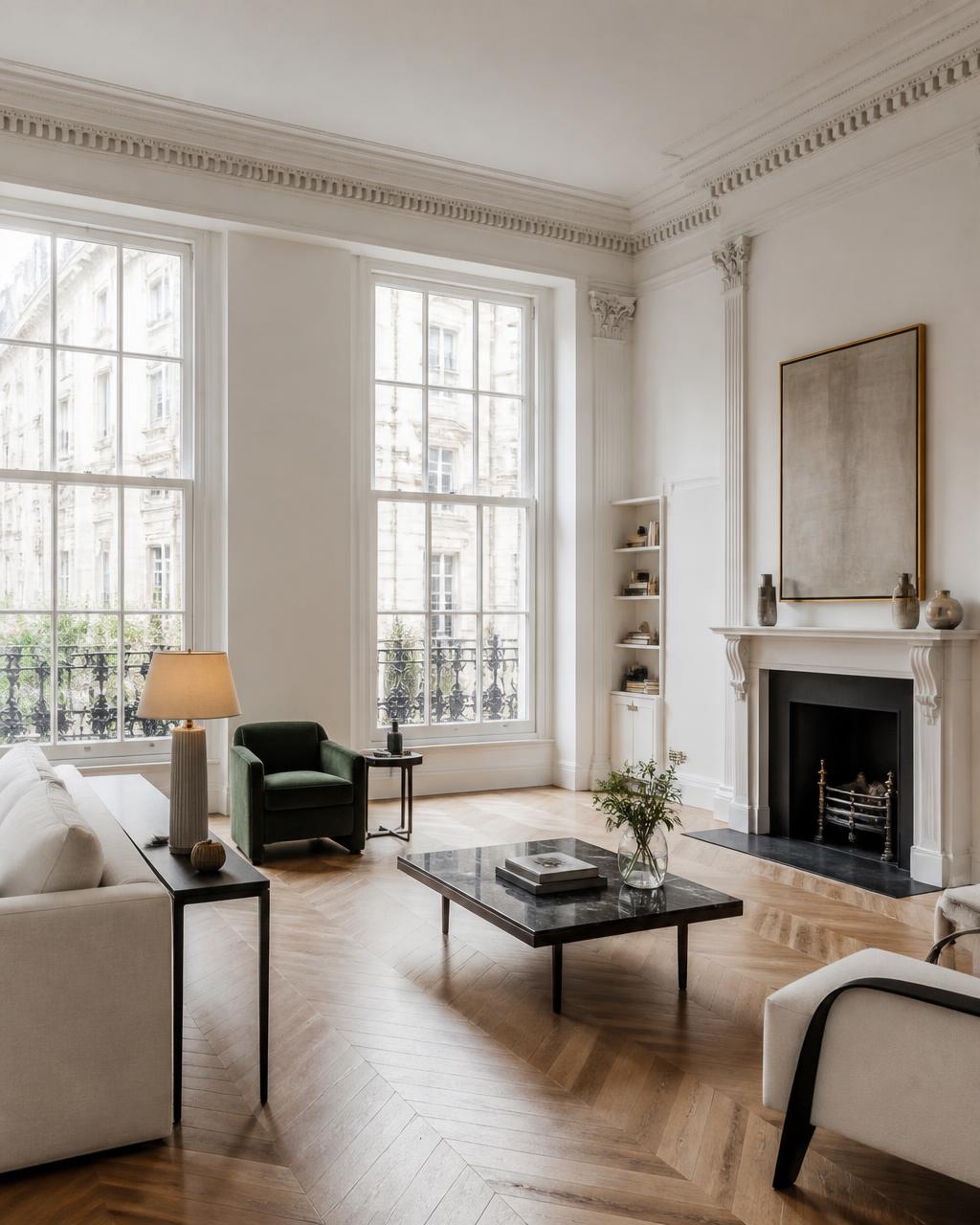
North Ealing offers something increasingly rare in contemporary London: genuine residential calm within easy reach of excellent transport links. This predominantly Edwardian neighbourhood, centred around North Ealing station and radiating outwards towards Hanger Hill and Pitshanger, attracts buyers seeking quieter streets without sacrificing connectivity or amenities.
The area's housing stock comprises predominantly well-maintained terraced and semi-detached family homes, many retaining original features including stained glass, parquet flooring and decorative fireplaces. The streets around Pitshanger Lane showcase particularly handsome examples, with front gardens and tree-lined pavements creating a spacious, unhurried atmosphere. Property prices here sit between West Ealing's more accessible levels and the premium commanded by Ealing Common, offering what our team often describes as excellent value within the Ealing neighbourhoods spectrum.
Pitshanger Lane itself functions as North Ealing's village high street, hosting independent retailers, neighbourhood restaurants and essential services alongside Pitzhanger Manor & Gallery—Sir John Soane's country villa, now a gallery and community asset. The lane's specialist food shops and cafés cultivate a local shopping culture that's increasingly rare in suburban London.
North Ealing station on the Piccadilly line ensures straightforward access to central London, Heathrow and beyond, whilst the area's position makes it convenient for both the A40 and North Circular. Families appreciate the combination of good schools, Lammas Park proximity and genuine residential peace, with three-bedroom rental properties in the £2,350–£3,650 monthly range according to ONS data attracting steady demand from those seeking exactly this balance.
Making Your Ealing Decision
Choosing among the best areas to live in Ealing ultimately depends on your specific priorities, life stage and budget. Our experience guiding clients through this decision has taught us that Ealing's greatest strength lies precisely in its variety: the borough genuinely offers something for everyone, from the urban energy of Broadway to the parkside serenity of the common.
Property values across Ealing reflect these distinct characters. HM Land Registry data shows the borough's median price of £620,000 masks considerable variation, with flats starting from £81,200 and detached properties reaching £4,800,000 in exceptional cases. Those entering the market might explore <a href="/property-for-sale/ealing">properties for sale in Ealing</a> to understand current availability and pricing across different neighbourhoods.
For those weighing rental options, the borough offers flexibility across all price points. Studio apartments provide entry to the area from £975 monthly, whilst substantial family homes can command over £6,000 for five-plus bedrooms according to ONS figures. Landlords considering the market might review our <a href="/let-your-property/ealing">letting services in Ealing</a> to understand the strong demand across different property types.
Understanding <a href="/house-prices/ealing">house prices in Ealing</a> and how they vary by neighbourhood, property type and proximity to amenities forms an essential foundation for any property decision in the borough. Our team at <a href="/estate-agents/ealing">Seymont's Ealing office</a> remains available to discuss these micro-markets in detail, ensuring your choice among Ealing's excellent neighbourhoods aligns perfectly with your requirements and aspirations.
Talk to Seymont
What's your home worth?
A considered view on price, timing and how to bring your London home to market — a personal reply within 24 hours.
Your property
Step 1 of 2About the author
Nina CastellanoInvestment Property Advisor
Nina advises landlords and investors on rental yields, tenant demand and portfolio structure across Greater London, after running lettings and management at Bellhouse Property Partners. She has overseen single units and multi-property portfolios, and works through compliance, void periods and running costs before a purchase is agreed. Her articles deal with the numbers behind a buy-to-let rather than the headline gross yield.
Lettings and portfolio management · 9 years in London rentals
- Buy-to-let
- Rental yields
- Portfolio strategy
- Landlord compliance
Frequently asked
- Which is the most expensive area in Ealing?
- Ealing Common and the streets immediately bordering the common typically command the highest property prices in the borough. Detached homes facing the common can significantly exceed the borough's median detached price of £1,787,500 according to HM Land Registry data. South Ealing's finest Victorian and Edwardian streets also command premium prices, particularly those with original features and generous gardens. The specific street and individual property characteristics matter enormously at the upper end of Ealing's market.
- Is West Ealing a good area to buy property?
- West Ealing has emerged as one of the best value propositions in the borough, particularly for first-time buyers and young families. The arrival of the Elizabeth line at West Ealing station has significantly improved connectivity, whilst the area's increasingly vibrant independent food scene and artistic community add genuine character. Property prices remain more accessible than in Ealing Broadway or South Ealing, though the gap is narrowing as the area continues to gentrify. Our team regularly advises clients that West Ealing offers strong potential for both owner-occupiers and investors seeking growth.
- How good are transport links in Ealing?
- Ealing offers exceptional transport connectivity by any London standard. Ealing Broadway serves both the Central and Elizabeth lines, with Bond Street reachable in 11 minutes. South Ealing and North Ealing stations provide Piccadilly line access to Heathrow and central London. West Ealing now benefits from Elizabeth line services. Ealing Common offers District and Piccadilly line connections. The borough also benefits from extensive bus networks and proximity to the A40 for driving. This transport diversity is a key reason many consider Ealing among west London's most accessible suburbs.
- What is the average property price in Ealing?
- According to HM Land Registry data, Ealing recorded a median property price of £620,000 across 1,370 sales. However, this figure varies considerably by property type: flats achieved a median of £450,000, terraced homes £842,500, semi-detached properties £1,150,000, and detached houses £1,787,500. These borough-wide figures mask significant variation between neighbourhoods, with Ealing Common and South Ealing commanding premiums whilst West Ealing offers more accessible entry points. Individual street, property condition and proximity to transport all influence values significantly.
- Is Ealing good for families?
- Ealing is widely regarded as one of London's premier family suburbs. The borough offers excellent state and independent schools, abundant green spaces including Ealing Common, Walpole Park and Lammas Park, and genuinely residential streets where community spirit thrives. South Ealing and North Ealing particularly attract families seeking period homes, good schools and village atmosphere. Rental properties reflect this family demand, with three-bedroom homes ranging from £2,350 to £3,650 monthly according to ONS data. The combination of space, schools, safety and transport connectivity explains why families consistently choose Ealing.