Journal
The Cost of Living in Ealing: A Comprehensive Guide
Written by Julian Reyes · Licensed Real Estate Agent
Published 13 July 2026 · Updated 4 August 2026 · 7 min read
The short answer
Understanding the cost of living in Ealing is essential for anyone considering a move to this vibrant west London borough. At Seymont London, we've analysed the latest local data to provide a transparent picture of what it really costs to live in one of the capital's most sought-after residential areas.
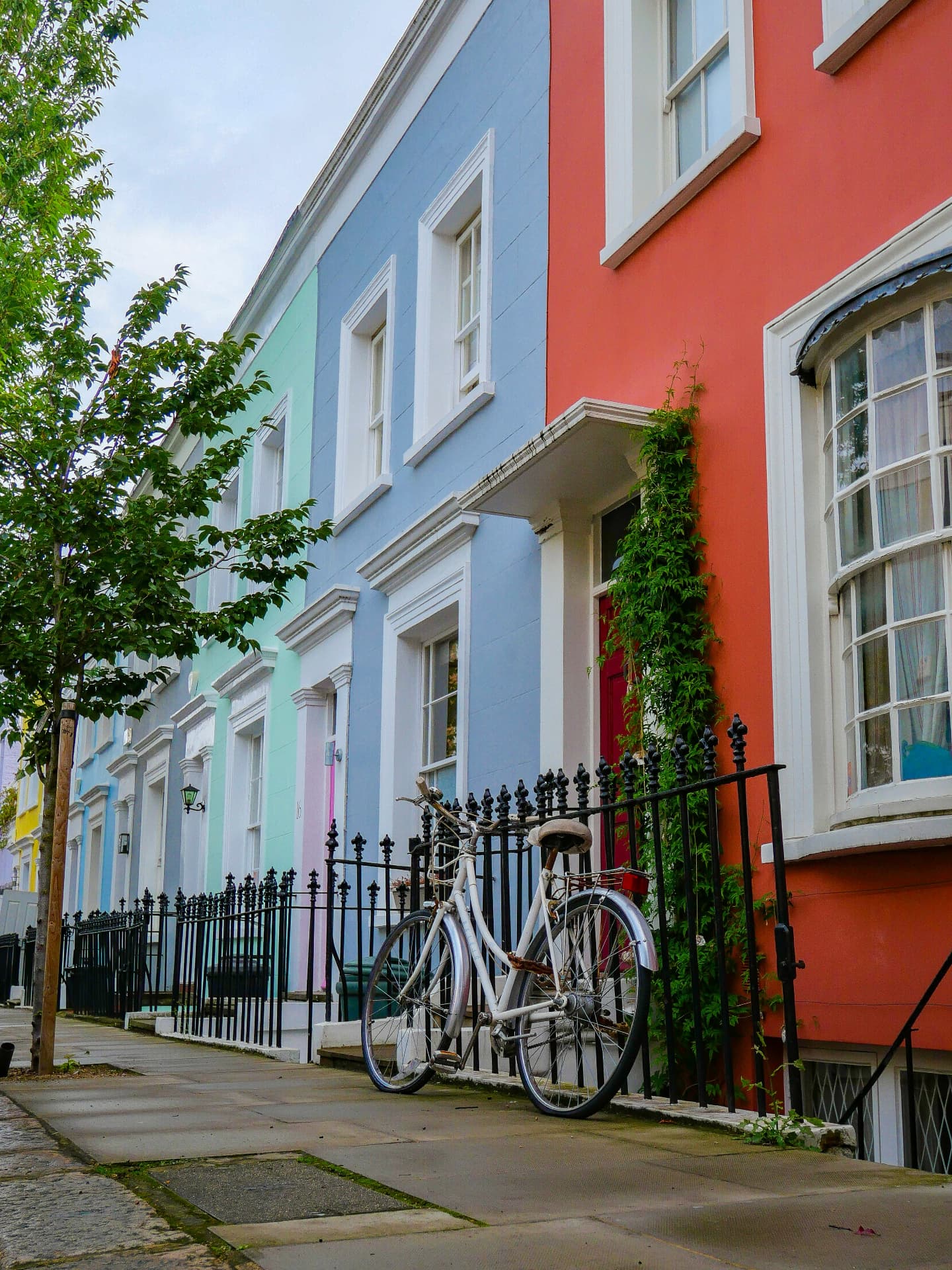
Understanding the cost of living in Ealing is essential for anyone considering a move to this vibrant west London borough. At Seymont London, we've analysed the latest local data to provide a transparent picture of what it really costs to live in one of the capital's most sought-after residential areas. From property prices and rental costs to council tax and everyday expenses, Ealing offers a compelling proposition for families, professionals, and investors alike. With excellent transport links via Ealing Broadway and distinctive neighbourhoods spanning from North Ealing to West Ealing, the borough combines suburban charm with metropolitan convenience—but at what price?
Property Purchase Costs in Ealing
According to HM Land Registry data, Ealing's median property price stands at £620,000 across 1,370 recorded sales, reflecting the borough's position as a premium yet accessible London location. The property landscape varies considerably depending on type and neighbourhood, offering options for different budgets and lifestyles.
Flats represent the most accessible entry point, with a median price of £450,000 based on 711 transactions. Prices for apartments range from £81,200 to £1,857,145, with the lower end typically comprising studio flats in areas like West Ealing and the upper end featuring luxurious penthouses near Ealing Broadway. Terraced homes, popular with growing families, command a median of £842,500 across 363 sales, whilst semi-detached properties reach £1,150,000 based on 162 transactions.
For those seeking substantial family homes, detached properties in Ealing carry a median price of £1,787,500, with 80 sales recorded between £695,000 and £4,800,000. The most prestigious addresses cluster around Ealing Common and North Ealing, where tree-lined streets and substantial Victorian and Edwardian properties attract discerning buyers. Our team at Seymont London has observed particularly strong demand for period properties with original features, which typically achieve premium prices compared to modern equivalents.
Those wondering how expensive is Ealing compared to neighbouring boroughs should note that whilst prices sit below prime central London, they exceed many outer London areas—a reflection of Ealing's exceptional transport connectivity, green spaces, and highly-rated schools. We regularly assist buyers in navigating this market through our <a href="/property-for-sale/ealing">Ealing property listings</a>, which showcase the full spectrum of available homes.
Rental Market and Monthly Housing Costs
The rental market in Ealing presents a more accessible alternative to purchasing, though costs reflect the area's desirability. ONS data reveals a structured rental landscape that caters to everyone from young professionals to established families seeking temporary accommodation.
Studio flats range from £975 to £1,525 per calendar month, with South Ealing and West Ealing typically offering better value than premium pockets around Ealing Broadway. One-bedroom properties command between £1,275 and £2,000 monthly, whilst two-bedroom flats and houses—the most sought-after category among small families and sharers—range from £1,750 to £2,750.
Three-bedroom properties, essential for growing families, cost between £2,350 and £3,650 per month, with the higher end usually reserved for recently refurbished terraced houses near Ealing Common or North Ealing's quieter residential streets. Four-bedroom homes range from £3,125 to £4,875, whilst five-bedroom and larger properties command £4,100 to £6,400 monthly—figures that position Ealing as competitive compared to similarly connected west London locations.
For landlords considering the rental market, our <a href="/let-your-property/ealing">Ealing lettings service</a> provides comprehensive management solutions. We've observed that well-presented properties in popular school catchment areas achieve rental figures at the upper end of these ranges, whilst those requiring modernisation or located further from transport hubs tend towards the lower brackets. The Ealing borough benefits from consistent tenant demand throughout the year, driven by the area's employment hubs, educational institutions, and cultural amenities.

Ealing Council Tax and Local Authority Charges
Ealing council tax represents a significant component of the overall cost of living, varying according to property valuation bands set in 1991. For the 2024/25 financial year, Band D properties—the benchmark—face an annual charge of approximately £1,889.53, though this figure includes both the borough and Greater London Authority precepts.
Band A properties, typically smaller flats, pay around £1,259.69 annually, whilst Band B homes face £1,469.63. Band C, covering many standard flats and smaller terraced houses, attracts £1,679.58. Moving up the scale, Band E properties pay £2,309.41, Band F homes face £2,729.32, Band G commands £3,149.22, and the highest Band H properties attract £3,779.06 per year.
These Ealing council tax rates sit broadly in line with other outer London boroughs, though they represent a material monthly cost that prospective residents must factor into budgeting. The council provides various discounts and exemptions, including 25% reductions for single-occupancy households and support schemes for those on lower incomes. Our team always advises clients to verify the specific band of any property they're considering, as this can occasionally surprise buyers, particularly with period conversions where banding may not align with current market values.
Beyond council tax, residents benefit from the services these charges fund: Ealing boasts excellent parks maintenance, strong library provision, comprehensive waste collection including food waste recycling, and well-maintained public spaces that contribute materially to the area's quality of life.
Talk to Seymont
What's your home worth?
A considered view on price, timing and how to bring your London home to market — a personal reply within 24 hours.
Your property
Step 1 of 2Ealing Service Charges and Additional Property Costs
For flat owners and leaseholders, Ealing service charges constitute an additional expense that varies considerably depending on the development, age of the building, and amenities provided. Modern purpose-built blocks with concierge services, gyms, and landscaped communal areas around Ealing Broadway typically charge £2,000 to £5,000 annually, whilst converted Victorian and Edwardian mansion blocks generally levy £1,200 to £2,500.
These charges cover buildings insurance, maintenance of communal areas, repairs to the building's structure and exterior, groundskeeping, lighting in shared spaces, and in many cases, a sinking fund for major future works. Properties near Ealing Common and North Ealing with period features often require specialist maintenance, which can push service charges towards the upper end of the spectrum. We always recommend that prospective buyers request at least three years of service charge accounts and enquire about any planned major works before completing a purchase.
Ground rent, where applicable, adds a further cost, though this is typically modest—often between £150 and £500 annually for most Ealing properties. However, buyers should remain vigilant about escalating ground rent clauses, which our team scrutinises carefully during the acquisition process. Those purchasing houses rather than flats avoid service charges entirely but must budget for direct maintenance costs, buildings insurance (£400 to £1,200 annually for a typical terraced house), and any works to the property's exterior and structure.
For comprehensive guidance on total ownership costs, our <a href="/estate-agents/ealing">Ealing estate agents</a> provide detailed breakdowns during property viewings, ensuring clients understand the full financial commitment before proceeding with an offer.
Transport, Utilities and Day-to-Day Living Expenses
Transport costs in Ealing benefit enormously from the area's exceptional connectivity. Ealing Broadway station provides Central and Elizabeth line services, with Zone 3 annual travel cards costing approximately £1,816 for access across Zones 1-3—essential for most London workers. The Elizabeth line has transformed commuting times, placing the West End within 15 minutes and Canary Wharf within 30 minutes, reducing the need for expensive taxi journeys or car ownership.
For those working locally or using buses, monthly expenditure drops considerably, with many residents managing on pay-as-you-go Oyster cards costing £100 to £150 monthly. South Ealing, West Ealing, and North Ealing stations provide additional Piccadilly and District line access, whilst the extensive bus network connects to areas beyond the Underground's reach. Car owners face London's parking challenges, with residents' permits in Ealing costing approximately £135 annually for the first vehicle, though many households find car ownership unnecessary given the transport options.
Utility costs for a typical two-bedroom Ealing flat average £150 to £200 monthly for combined gas, electricity, and water, though this fluctuates seasonally and has faced upward pressure from recent energy price increases. Council tax, as detailed earlier, adds roughly £140 to £315 monthly depending on band. Broadband and mobile phone contracts contribute another £30 to £60 monthly, whilst contents insurance typically costs £15 to £30.
Ealing's retail landscape spans from budget supermarkets in West Ealing to premium grocery stores near Ealing Common, allowing residents to calibrate food spending according to budget. A weekly shop for two adults typically ranges from £60 to £120 depending on preferences, whilst the area's diverse restaurant scene offers everything from affordable independent cafés to upscale dining experiences. The borough's parks, libraries, and community facilities provide numerous free or low-cost leisure options, helping to moderate overall living expenses.
Is Ealing Good Value? Comparing Costs to Benefits
When evaluating how expensive is Ealing, the equation extends beyond raw costs to encompass the substantial lifestyle and practical benefits the borough delivers. Ealing's property prices sit approximately 15-20% below equivalent areas in inner west London such as Chiswick or Hammersmith, yet the area offers comparable or superior transport links following the Elizabeth line's arrival.
The borough's educational provision represents exceptional value, with numerous outstanding-rated state schools that attract families who might otherwise face private school fees of £15,000 to £25,000 per child annually. Ealing's green spaces—including Walpole Park, Ealing Common, and numerous smaller gardens—provide amenities that would command premium prices in more central locations. The area's cultural offering, from the Questors Theatre to independent cinemas and the seasonal festivals, delivers metropolitan sophistication at suburban costs.
Our team at Seymont London consistently observes that Ealing appeals to buyers and renters seeking maximum value from their London property budget. The ability to secure a family-sized terraced house or spacious flat for prices that would only purchase a modest apartment in Zones 1-2 represents compelling value, particularly when factoring in the quality of local schools, safety, and community cohesion.
For investors, Ealing's rental yields typically range from 3.5% to 4.5%, slightly below inner London but supported by strong tenant demand and lower void periods. The area's continued development, including the transformation around Ealing Broadway and ongoing improvements to West Ealing, suggests future value appreciation. Those interested in exploring investment opportunities can review current options through our <a href="/house-prices/ealing">Ealing house prices</a> analysis, which provides market trends and historical performance data.
Ultimately, the cost of living in Ealing reflects a mature, established London suburb offering genuine quality of life rather than mere proximity to central London—a proposition that continues to attract discerning residents who understand true value.
Talk to Seymont
What's your home worth?
A considered view on price, timing and how to bring your London home to market — a personal reply within 24 hours.
Your property
Step 1 of 2About the author
Julian ReyesLicensed Real Estate Agent
Julian has spent eleven years handling residential sales across west and central London, previously with the independent agencies Harlowe & Vance and Marchmont Row. He runs listings end to end, from pricing and presentation through to negotiating offers and holding chains together to completion. His writing focuses on the practical mechanics of buying and selling a home in a market where timing and preparation decide the outcome.
Licensed estate agent · 11 years in London residential sales
- Residential sales
- First-time buyers
- Offer negotiation
- Chain management
Frequently asked
- What is the average cost of living in Ealing for a single person?
- A single person in Ealing can expect monthly costs of approximately £2,200-£2,800 excluding rent. This includes council tax (£105-£210 depending on band and assuming no single-person discount initially), utilities (£80-£120), transport (£100-£180), food (£200-£300), and discretionary spending. Adding rental costs for a one-bedroom flat (£1,275-£2,000), total monthly expenditure typically ranges from £3,475 to £4,800. These figures can be reduced through careful budgeting, particularly on transport and dining, as Ealing offers excellent value supermarkets and free community amenities.
- How does Ealing council tax compare to other London boroughs?
- Ealing council tax for a Band D property stands at approximately £1,889.53 for 2024/25, positioning it in the mid-range for London boroughs. This is notably lower than inner London areas such as Westminster (£850, though with lower property values in lower bands) but higher than some outer boroughs. The rate includes both the Ealing Council precept and the Greater London Authority charge. Residents receive comprehensive services including excellent parks maintenance, regular refuse collection, strong library provision, and well-maintained streets, which many consider good value relative to the charges levied.
- Is it cheaper to rent or buy in Ealing?
- The rent-versus-buy equation in Ealing currently favours purchasing for those with deposit funds and stable income, though this depends on individual circumstances. With median property prices at £620,000 (HM Land Registry) and typical rental yields of 3.5-4.5%, a mortgaged buyer with a 15-20% deposit often achieves similar or lower monthly costs than renting equivalent properties, whilst building equity. However, renters avoid maintenance costs, service charges, and the risks of property value fluctuations. Those planning to stay fewer than five years may find renting more cost-effective when factoring in transaction costs, whilst long-term residents typically benefit financially from ownership.
- What are typical service charges for flats in Ealing?
- Ealing service charges vary considerably based on property type and amenities. Purpose-built modern developments around Ealing Broadway with lifts, concierge, gyms, and landscaped grounds typically charge £2,000-£5,000 annually. Converted period mansion blocks in areas like North Ealing or Ealing Common generally levy £1,200-£2,500 per year. Smaller Victorian conversions without extensive communal facilities may charge £800-£1,500. These figures cover buildings insurance, communal area maintenance, repairs, and often a sinking fund for major works. Always request at least three years of accounts and enquire about planned expenditure before purchasing any leasehold property.
- Which area of Ealing offers the best value for money?
- West Ealing and South Ealing currently offer the strongest value proposition within the borough, with property prices typically 10-20% below equivalent homes near Ealing Broadway or Ealing Common. Both areas provide excellent transport links—South Ealing via the Piccadilly line and West Ealing through both the Elizabeth line and National Rail services. These neighbourhoods feature diverse independent retailers, good primary schools, and improving local amenities. Whilst historically perceived as less prestigious than North Ealing, both areas are experiencing regeneration and attracting young families and first-time buyers who prioritise value and connectivity over postcode prestige.