Journal
Dulwich vs Greenwich: Where Should You Live?
Written by Amara Bennett · Property Market Analyst
Published 12 November 2025 · Updated 29 December 2025 · 7 min read
The short answer
When weighing up Dulwich vs Greenwich, two of south London's most distinguished neighbourhoods, prospective residents face an enviable choice between leafy suburban elegance and riverside historic charm. Both areas command premium property prices and attract discerning buyers, yet each offers a distinctly different lifestyle proposition.
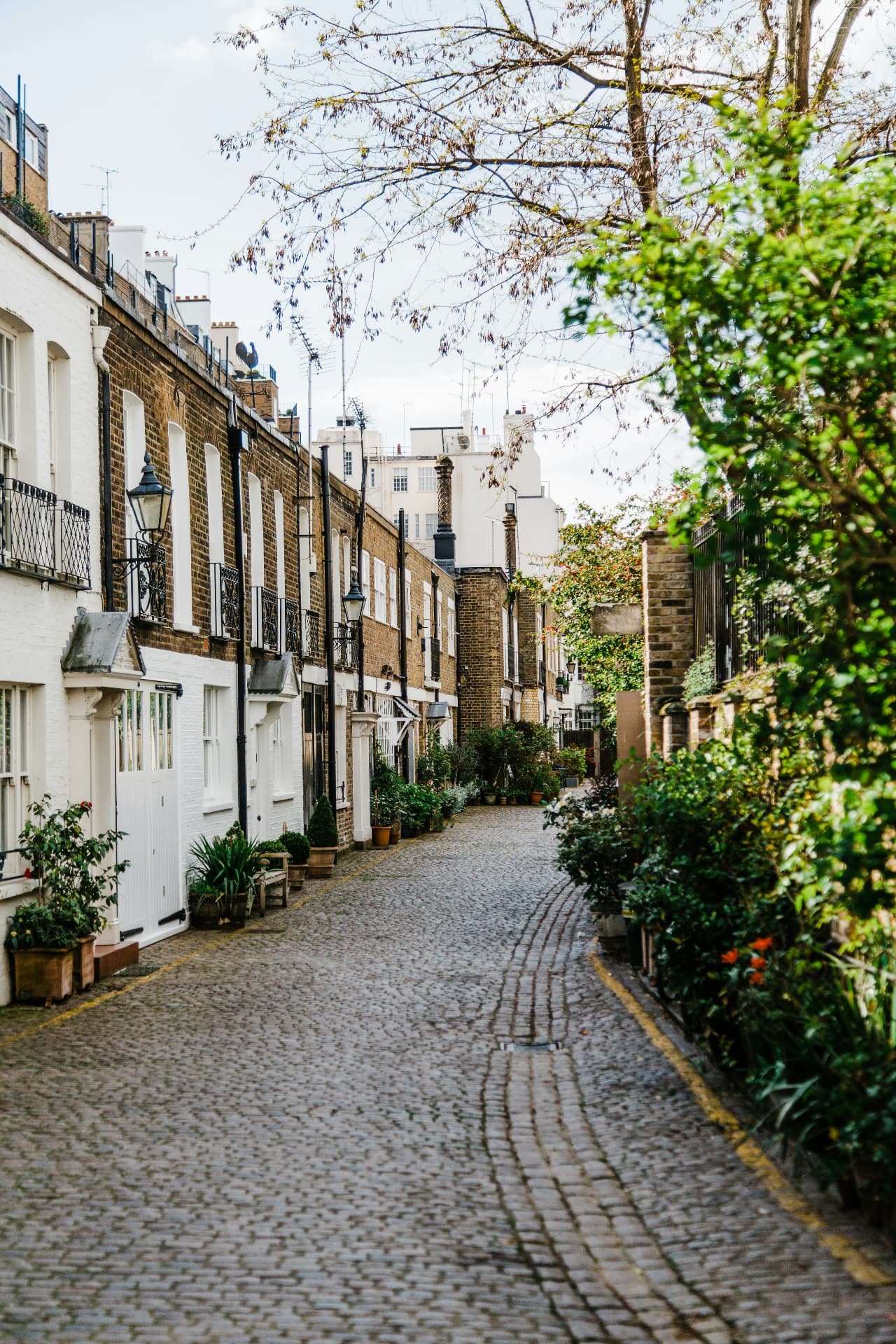
When weighing up Dulwich vs Greenwich, two of south London's most distinguished neighbourhoods, prospective residents face an enviable choice between leafy suburban elegance and riverside historic charm. Both areas command premium property prices and attract discerning buyers, yet each offers a distinctly different lifestyle proposition. Our team has spent years observing the nuances of these markets, and we've found that understanding what sets them apart is essential to making the right choice for your circumstances. Whether you're drawn to the artistic heritage of Dulwich Village, the vibrant restaurant scene of East Dulwich, or Greenwich's maritime legacy, this comprehensive comparison will help you navigate the key differences.
Property Prices and Market Dynamics
According to HM Land Registry data, Dulwich recorded 799 property transactions with a median sale price of £700,000, reflecting the area's premium positioning within the south London market. Flats constitute the largest segment with 402 sales at a median of £480,000, whilst terraced properties commanded £940,000. Semi-detached homes reached £1,367,500 and detached properties achieved £1,675,000, with the most prestigious addresses exceeding £4 million.
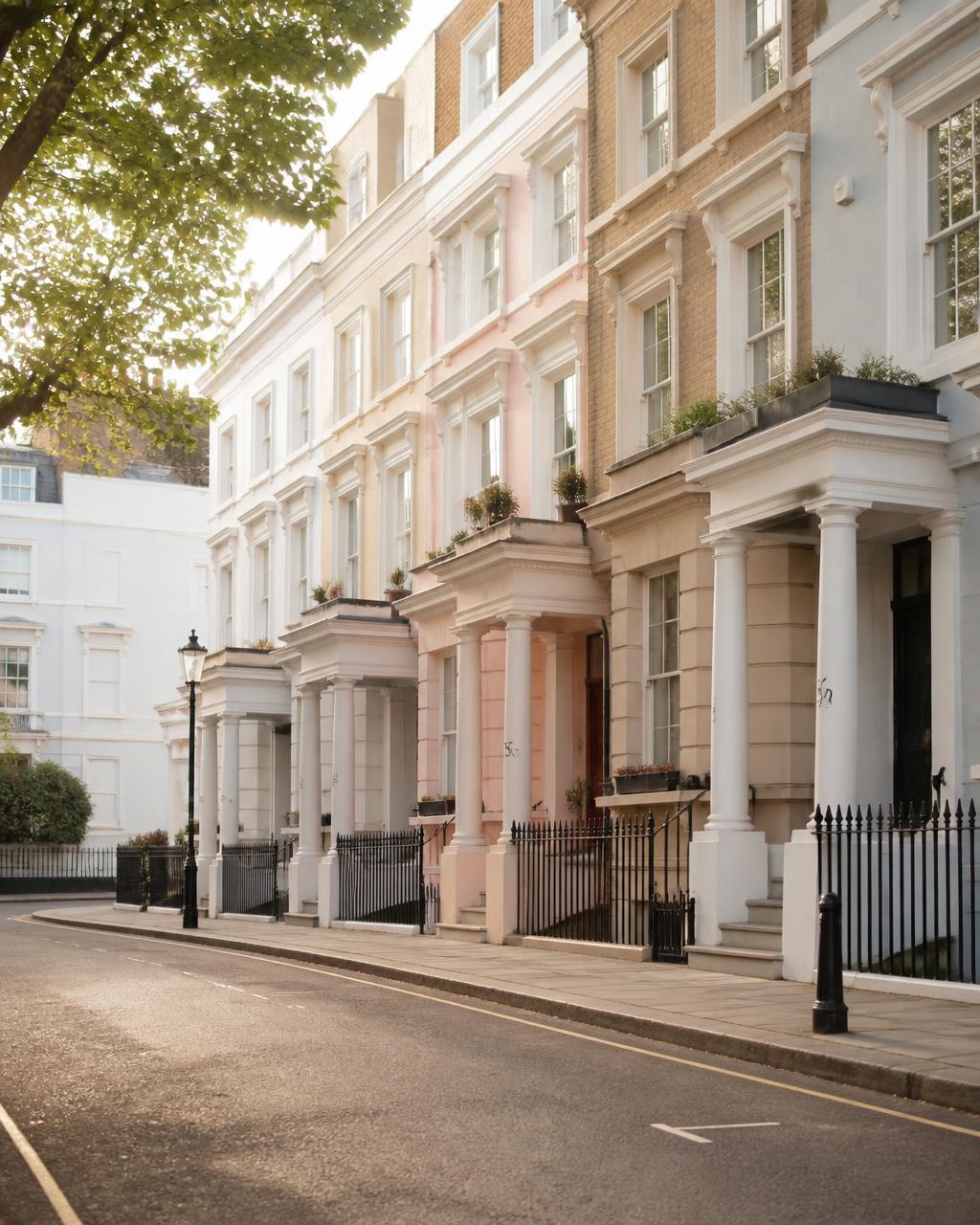
When you compare Dulwich Greenwich property markets, Greenwich typically presents a more accessible entry point for first-time buyers, with greater availability of riverside apartments and conversion flats. Dulwich's market reflects its Village conservation area constraints and preponderance of period family homes on generous plots. The West Dulwich and East Dulwich submarkets offer distinct price profiles, with the former edging higher due to proximity to the prestigious schools cluster.
For those exploring [property for sale in Dulwich](/property-for-sale/dulwich), the rental market provides useful context. ONS data shows studio flats renting from £1,100 to £1,725 monthly, one-bedroom properties from £1,450 to £2,275, and two-bedroom homes between £1,975 and £3,100. Three-bedroom family houses command £2,650 to £4,125, whilst four-bedroom properties range from £3,525 to £5,500. Five-bedroom homes, often substantial Victorian or Edwardian family houses, rent for £4,625 to £7,225 per month.
Understanding whether properties are freehold vs leasehold becomes particularly relevant in Dulwich, where characterful Victorian conversions often come with share of freehold arrangements. The leasehold vs freehold question affects long-term value, particularly for flats where lease length and ground rent terms require careful scrutiny before purchase.
Neighbourhood Character and Village Life
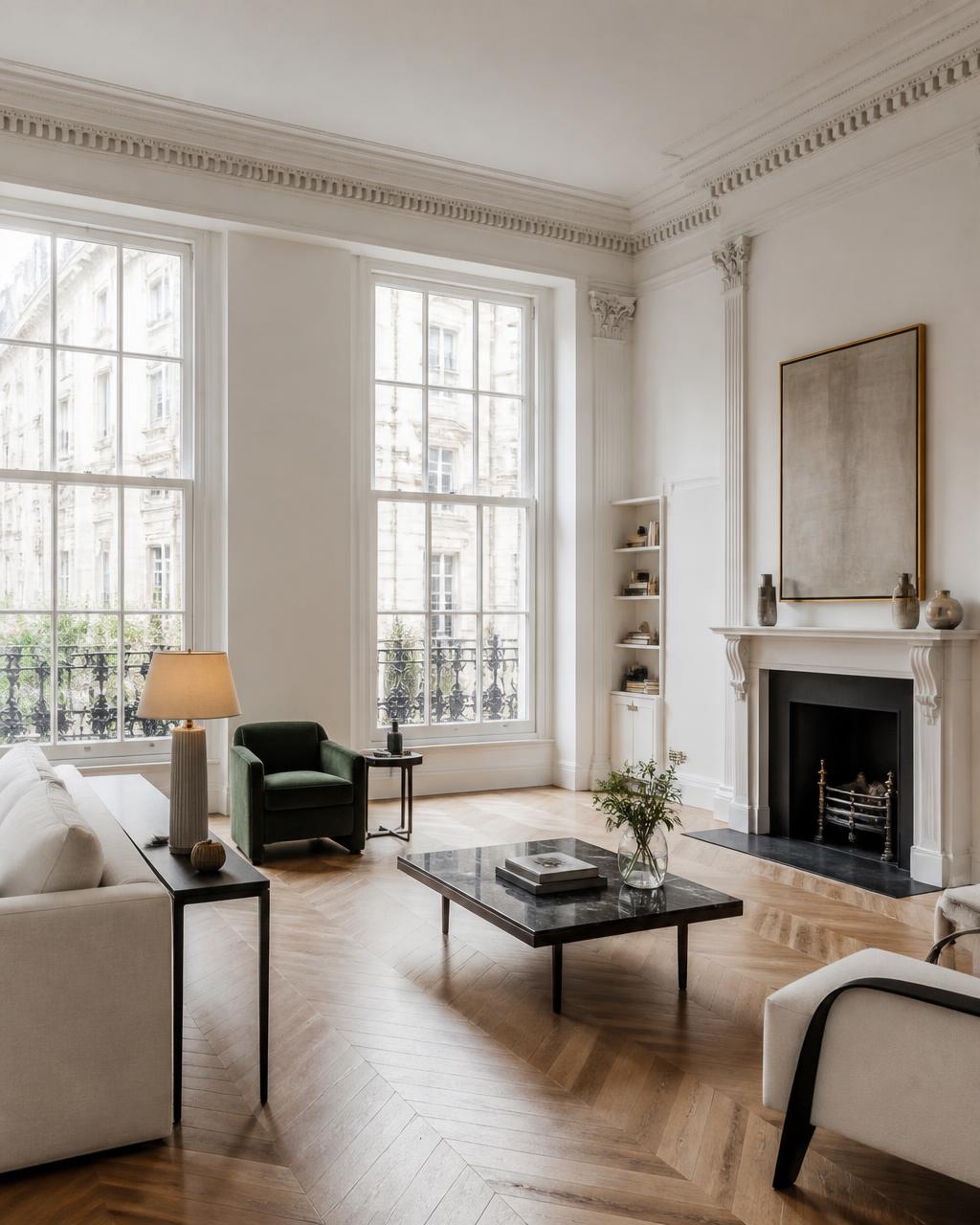
Dulwich London comprises several distinct neighbourhoods, each with its own personality. Dulwich Village remains the crown jewel, with its clustering of Georgian and Victorian villas around the Dulwich Picture Gallery and the verdant expanse of Dulwich Park. The conservation area restrictions preserve the area's timeless elegance, though they also limit development opportunities and maintain the premium price point.
East Dulwich has evolved into south London's answer to Clapham, with Lordship Lane forming a bustling high street packed with independent boutiques, artisan coffee shops, and acclaimed restaurants. The demographic skews younger here, with professional families attracted by the village atmosphere combined with excellent transport links and a thriving social scene. Properties for sale East Dulwich often move quickly, particularly well-presented terraced houses within the catchment of outstanding primary schools.
West Dulwich presents a quieter, more residential proposition, bordered by the green spaces of Dulwich Common and convenient for Dulwich College's playing fields. The housing stock includes handsome Edwardian terraces and substantial detached family homes on tree-lined streets. Our team frequently works with clients seeking [estate agents in Dulwich](/estate-agents/dulwich) who understand these micro-market distinctions.
Greenwich, by contrast, centres on its UNESCO World Heritage maritime quarter, with the riverside location, Greenwich Market, and parkland creating a more tourist-facing environment. Whilst undeniably beautiful and steeped in naval history, the atmosphere differs markedly from Dulwich's residential tranquillity.
Transport Connections and Commuting
The transport comparison reveals significant differences when you're deciding between Dulwich or Greenwich. East Dulwich station provides direct Thameslink services to London Bridge (approximately 12 minutes), Blackfriars, and destinations across north London. West Dulwich offers similar connections, whilst North Dulwich station serves the southern reaches of the area. The absence of Underground stations in Dulwich proper initially concerns some buyers, though the frequent Thameslink services prove remarkably efficient for City commutes.
Greenwich benefits from DLR connections to Canary Wharf and Bank, plus Southeastern rail services into Cannon Street, Charing Cross and London Bridge. The Thames Clipper river bus service adds a scenic commuting alternative, particularly appealing to those working in Docklands or the Square Mile. For buyers prioritising the fastest possible commute to Canary Wharf or the financial district, Greenwich holds the advantage.
Beyond the daily commute, both areas offer excellent road connections. Dulwich provides straightforward access to the South Circular, whilst Greenwich benefits from proximity to the Blackwall Tunnel for north London and the M25 for wider connectivity. Parking proves generally easier in Dulwich, with many period properties offering off-street provision and fewer controlled parking zones than Greenwich's more congested streets.
Talk to Seymont
What's your home worth?
A considered view on price, timing and how to bring your London home to market — a personal reply within 24 hours.
Your property
Step 1 of 2Schools, Green Spaces and Family Appeal
Education represents a decisive factor for many families comparing the best of Dulwich and Greenwich. Dulwich hosts an extraordinary concentration of educational excellence, from the independent sector flagships of Dulwich College, James Allen's Girls' School, and Alleyn's School to outstanding state primaries including Goodrich, Heber, and Dulwich Village Infants. The catchment areas for these sought-after state schools significantly influence Dulwich property prices, with roads within the catchment commanding substantial premiums.
Greenwich offers its own educational strengths, including John Roan School and several good primary schools, though the concentration of outstanding institutions doesn't quite match Dulwich's offering. For families prioritising school choice above all else, Dulwich's ecosystem of educational excellence often proves decisive.
Green space defines both areas, though in different ways. Dulwich Park's 30 hectares encompass lakes, formal gardens, and recreational facilities, whilst Dulwich Common and Belair Park extend the verdant landscape. The area maintains a genuine garden suburb character, with mature trees lining residential streets and generous rear gardens the norm for family houses. Greenwich Park offers grander, more formal parkland with spectacular river views and the Royal Observatory, though the immediate residential streets often feature smaller gardens.
Our experience helping families find [Dulwich properties for sale](/house-prices/dulwich) confirms that the combination of outstanding schools, abundant green space, and village atmosphere creates powerful appeal for those seeking the best possible environment for raising children whilst remaining accessible to central London careers.
Culture, Dining and Community
The cultural offering distinguishes these neighbourhoods in illuminating ways. Dulwich Picture Gallery, Britain's first purpose-built public art gallery, anchors a sophisticated cultural scene complemented by regular festivals, farmers' markets, and community events centred on Dulwich Park. The area cultivates a literary, artistic sensibility reflected in the independent bookshops, galleries, and classical music events that punctuate the social calendar.
East Dulwich's Lordship Lane has evolved into one of south London's premier dining destinations, with established favourites and innovative newcomers creating a restaurant scene that rivals anywhere outside central London. From neighbourhood bistros to acclaimed fine dining, the culinary landscape caters to discerning palates. The weekly farmers' market and artisan food shops reinforce the area's foodie credentials.
Greenwich Market and the surrounding streets offer their own retail and dining appeal, though the tourist trade creates a different atmosphere. The historic pubs, the Old Royal Naval College concerts, and the Greenwich Comedy Festival contribute cultural vitality, yet the experience feels less intimately residential than Dulwich's community-focused offerings.
For those considering whether to [let your property in Dulwich](/let-your-property/dulwich), the area's enduring appeal to professional families and the limited new development pipeline support sustained rental demand. The combination of schools, transport, and neighbourhood character creates a tenant profile of stable, long-term occupiers who value the specific qualities that make Dulwich distinctive.
Making Your Choice: Dulwich or Greenwich?
Ultimately, choosing between these two distinguished south London addresses depends on your priorities and lifestyle preferences. Dulwich suits those seeking a genuine village atmosphere within London, prioritising outstanding schools, abundant green space, and a strong residential community. The area attracts buyers willing to pay a premium for period family houses with gardens, excellent state and independent schools, and the tranquillity of tree-lined streets far removed from central London's intensity.
Greenwich appeals to those drawn to riverside living, maritime history, and the visual drama of the UNESCO heritage quarter. The transport connections favour Canary Wharf commuters, whilst the DLR and river bus options add variety to the daily routine. Property often proves more accessible at entry level, with conversion flats and new-build apartments more readily available than in conservation-conscious Dulwich.
Our team recognises that both areas represent sound long-term investments, with established appeal and constrained supply supporting values. The decision often crystallises around family circumstances: those with school-age children frequently gravitate towards Dulwich's educational ecosystem, whilst couples or those with older children may prioritise Greenwich's riverside character and transport flexibility.
For professional guidance tailored to your specific requirements, our [estate agents](/estate-agents/greenwich) covering both Dulwich and Greenwich can provide current market intelligence and access to properties before they reach the major portals. Whether you're drawn to the leafy elegance of Dulwich Village, the buzz of East Dulwich, or the maritime heritage of Greenwich, understanding these neighbourhoods' distinct characters ensures you make the choice that serves your long-term happiness and investment goals.
Talk to Seymont
What's your home worth?
A considered view on price, timing and how to bring your London home to market — a personal reply within 24 hours.
Your property
Step 1 of 2About the author
Amara BennettProperty Market Analyst
Amara spent seven years as a market analyst at Kestrel Lane Research, a small London property consultancy, before joining our editorial desk. She reads sold-price and rental data street by street to explain how individual London postcode districts actually behave, and reviews every price figure we publish. Her focus is separating headline national averages from what a specific address is worth today.
MSc Real Estate Economics · Seven years in property market research
- Valuations
- Local market data
- Sold prices
- Pricing strategy
Frequently asked
- Is Dulwich more expensive than Greenwich?
- Yes, Dulwich typically commands higher property prices than Greenwich. HM Land Registry data shows Dulwich's median sale price at £700,000, with family houses in Dulwich Village and roads within outstanding school catchments reaching well above £1 million. Greenwich offers more accessible entry points, particularly for flats and conversion properties, though premium riverside addresses command comparable prices to Dulwich's mid-market.
- Which area is better for families with children?
- Dulwich generally holds the advantage for families prioritising schools, with an exceptional concentration of outstanding state primaries and renowned independent schools including Dulwich College and James Allen's Girls' School. The area's abundant green space, residential tranquillity, and village atmosphere create an environment specifically suited to raising children. Greenwich offers good schools and parkland but cannot match Dulwich's educational ecosystem.
- What are the main differences between East Dulwich and Dulwich Village?
- East Dulwich centres on Lordship Lane's bustling high street, with restaurants, bars, and independent shops creating a vibrant, younger demographic. Properties include Victorian terraces and conversion flats at more accessible price points. Dulwich Village maintains a conservation area character with Georgian and Edwardian villas, stricter planning controls, and a quieter, more exclusive atmosphere. Dulwich Village properties typically command significant premiums over East Dulwich equivalents.
- How long does it take to commute from Dulwich to central London?
- East Dulwich station provides Thameslink services to London Bridge in approximately 12 minutes, continuing to Blackfriars, Farringdon, and destinations across north London. West Dulwich and North Dulwich offer similar journey times. Whilst Dulwich lacks Underground stations, the frequent Thameslink services prove efficient for City and West End commutes, typically achieving door-to-door times of 30-40 minutes to most central London locations.
- Should I buy a leasehold or freehold property in Dulwich?
- Freehold properties, particularly houses, generally represent the strongest long-term investment in Dulwich. Many Victorian conversions offer share of freehold arrangements, which provide better value protection than standard leaseholds. When considering leasehold flats, examine remaining lease length (aim for 90+ years), ground rent terms, and service charge history. Properties with short leases require lease extension costs that significantly impact overall value, making freehold or share of freehold options preferable where budget permits.