Journal
Dulwich Property Market Report
Written by Julian Reyes · Licensed Real Estate Agent
Published 10 May 2026 · Updated 16 June 2026 · 6 min read
The short answer
The Dulwich property market continues to attract discerning buyers seeking the perfect balance of leafy suburban charm and excellent London connectivity. Our team at Seymont London has analysed the latest transaction data to provide you with a comprehensive overview of current pricing, rental yields and investment prospects across this distinguished south London enclave.
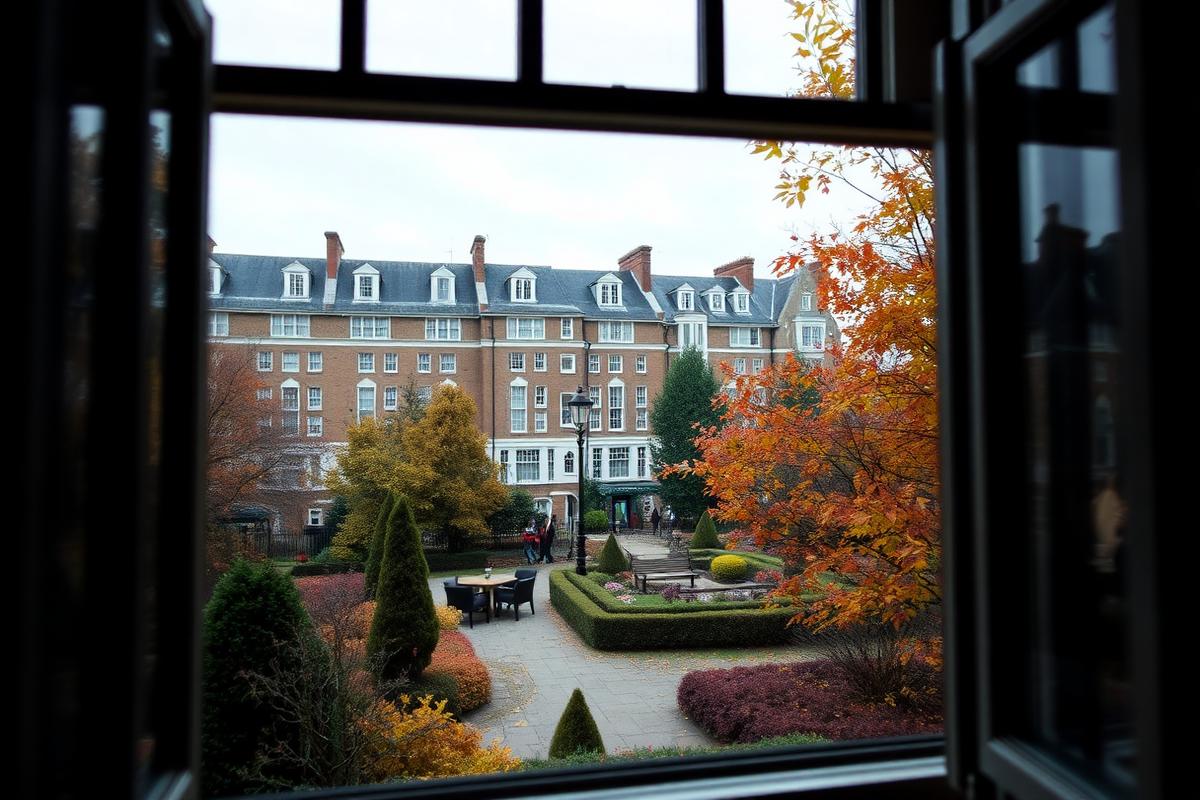
The Dulwich property market continues to attract discerning buyers seeking the perfect balance of leafy suburban charm and excellent London connectivity. Our team at Seymont London has analysed the latest transaction data to provide you with a comprehensive overview of current pricing, rental yields and investment prospects across this distinguished south London enclave. With 171 recorded sales and a median property price of £612,500 according to HM Land Registry data, the Dulwich housing market demonstrates resilience and enduring appeal amongst families, professionals and investors alike.
Understanding the Dulwich Housing Market Landscape
Dulwich encompasses three distinct neighbourhoods—East Dulwich, West Dulwich and Dulwich Village—each offering its own character whilst sharing the area's renowned educational institutions, green spaces and village atmosphere. The composition of recent sales reveals a market dominated by flats, which accounted for 96 of the 171 transactions recorded by HM Land Registry, with a median price of £477,500.
Terraced properties represented the second-largest segment with 50 sales and a median price of £876,875, reflecting strong demand for family homes with outdoor space. The price range for terraced houses—from £400,000 to £2,825,000—illustrates the diversity of stock available, from more compact Victorian conversions to substantial period houses on tree-lined streets.
Semi-detached homes commanded a median of £1,377,500 across 14 sales, whilst the three detached properties sold achieved a median of £1,675,000. These figures underscore Dulwich's position as one of south London's most desirable residential postcodes, where substantial family homes attract significant premiums for their space, period features and proximity to outstanding schools.
Our team regularly encounters buyers drawn to Dulwich specifically for its architectural heritage, with many Victorian and Edwardian properties retaining original features that appeal to those seeking character alongside modern convenience. The village atmosphere, particularly around Dulwich Village itself, creates a community feel rarely found so close to central London.
Dulwich Price Trends and Market Dynamics
The current median price of £612,500 across all property types positions Dulwich firmly in the premium segment of the London market. What's particularly noteworthy is the breadth of the market: entry-level flats begin around £133,600, whilst the upper end extends beyond £3 million for exceptional family homes, demonstrating Dulwich's ability to accommodate buyers at various price points.
Flat buyers dominate transaction volumes, and the £477,500 median reflects strong competition for well-presented apartments, particularly those within converted period buildings or purpose-built developments with parking. We've observed that properties within walking distance of East Dulwich's vibrant Lordship Lane or close to West Dulwich station typically achieve premium pricing due to their connectivity and local amenities.
The terraced house segment shows considerable value variation, with the £400,000 minimum likely representing smaller Victorian terraces requiring renovation, whilst properties approaching £3 million occupy premier positions, often featuring substantial gardens, off-street parking and proximity to Dulwich College or Alleyn's School. This price spread creates opportunities for buyers with different budgets and renovation appetites.
For those considering <a href="/property-for-sale/dulwich">property for sale in Dulwich</a>, it's worth noting that the 'other' category—which includes new builds, conversions and mixed-use properties—showed a median of £386,250 across eight sales. This segment often presents interesting opportunities for buyers seeking something distinctive or investors looking for development potential.
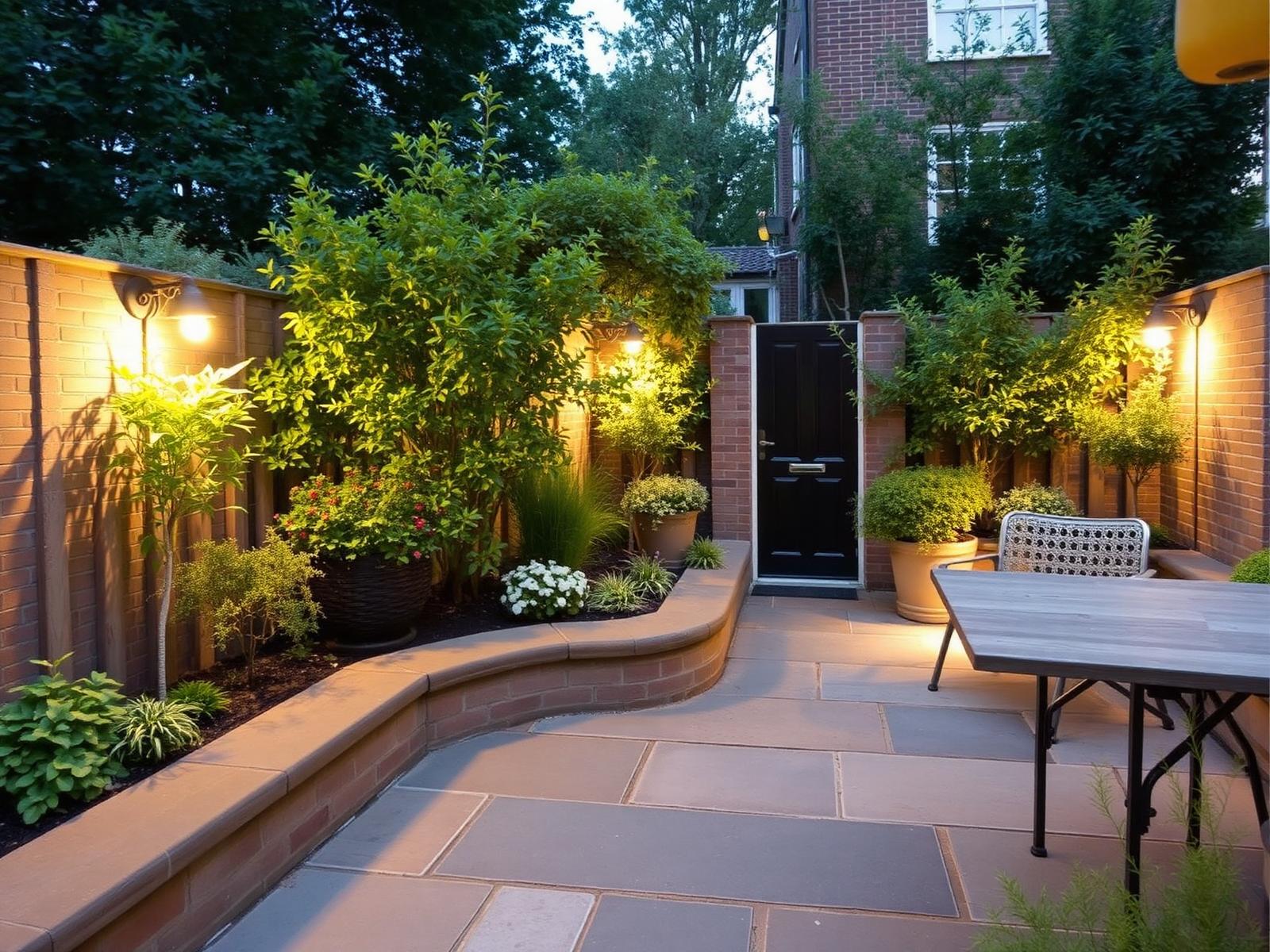
Is Dulwich a Good Investment? Rental Yields and Tenant Demand
When evaluating whether Dulwich represents a sound investment, rental demand and achievable yields form a critical part of the equation. According to ONS data, rental values across Dulwich demonstrate healthy returns relative to purchase prices, particularly in the flat and smaller house segments.
Studio apartments command monthly rents between £975 and £1,500, whilst one-bedroom properties range from £1,275 to £1,975. For landlords who have acquired flats at or near the £477,500 median, these rental figures can generate yields of approximately 3-4% gross, which compares favourably with many prime London locations when factoring in capital appreciation potential.
Two-bedroom properties, typically the most liquid rental segment, achieve £1,725 to £2,700 monthly, with three-bedroom homes reaching £2,300 to £3,600. Family houses with four bedrooms command £3,075 to £4,800, whilst larger five-bedroom properties can achieve £4,050 to £6,300 per month. This upper segment particularly appeals to relocating professionals and international families drawn to Dulwich's schools and green spaces.
Our experience managing <a href="/let-your-property/dulwich">rental properties in Dulwich</a> confirms consistent tenant demand driven by the area's educational reputation. Families actively seek rental accommodation near Dulwich College, Alleyn's School and the numerous outstanding state primaries, creating year-round demand that insulates landlords from seasonal vacancy pressures.
The investment case for Dulwich extends beyond immediate yields. The area's enduring appeal, constrained supply of family homes, and ongoing improvements to transport links—including potential Overground enhancements—suggest solid prospects for capital growth. Areas like East Dulwich have seen particularly strong gentrification, with independent restaurants, boutiques and delis enhancing the lifestyle offering.
Talk to Seymont
What's your home worth?
A considered view on price, timing and how to bring your London home to market — a personal reply within 24 hours.
Your property
Step 1 of 2Neighbourhood Nuances: East Dulwich, West Dulwich and Dulwich Village
Understanding the distinctions between Dulwich's neighbourhoods proves essential for buyers and investors seeking the right fit. East Dulwich has emerged as the area's commercial and social hub, with Lordship Lane offering an exceptional array of independent shops, restaurants and bars. Properties here tend toward Victorian and Edwardian terraces and converted flats, attracting young professionals and families who value walkability and vibrant street life.
West Dulwich presents a quieter, more residential character, with excellent rail connectivity via West Dulwich station providing direct services to London Bridge and Victoria. The housing stock includes attractive Edwardian streets alongside well-regarded mansion blocks, often at slightly lower price points than equivalent properties in East Dulwich or the Village, making it particularly interesting for value-conscious buyers.
Dulwich Village itself represents the area's historic heart, characterised by the Dulwich Estate's Georgian and Victorian architecture, Dulwich Park, Dulwich Picture Gallery and the prestigious independent schools. Properties here command premium pricing, reflecting the exclusivity, architectural significance and unparalleled access to green space. The Village maintains a genuinely rural atmosphere despite lying just five miles from central London.
For those exploring <a href="/house-prices/dulwich">house prices in Dulwich</a>, these neighbourhood variations significantly impact value. A three-bedroom terrace in East Dulwich might achieve £900,000, whilst a comparable property in Dulwich Village could command £1.2 million or more, purely based on location prestige and school catchment considerations.
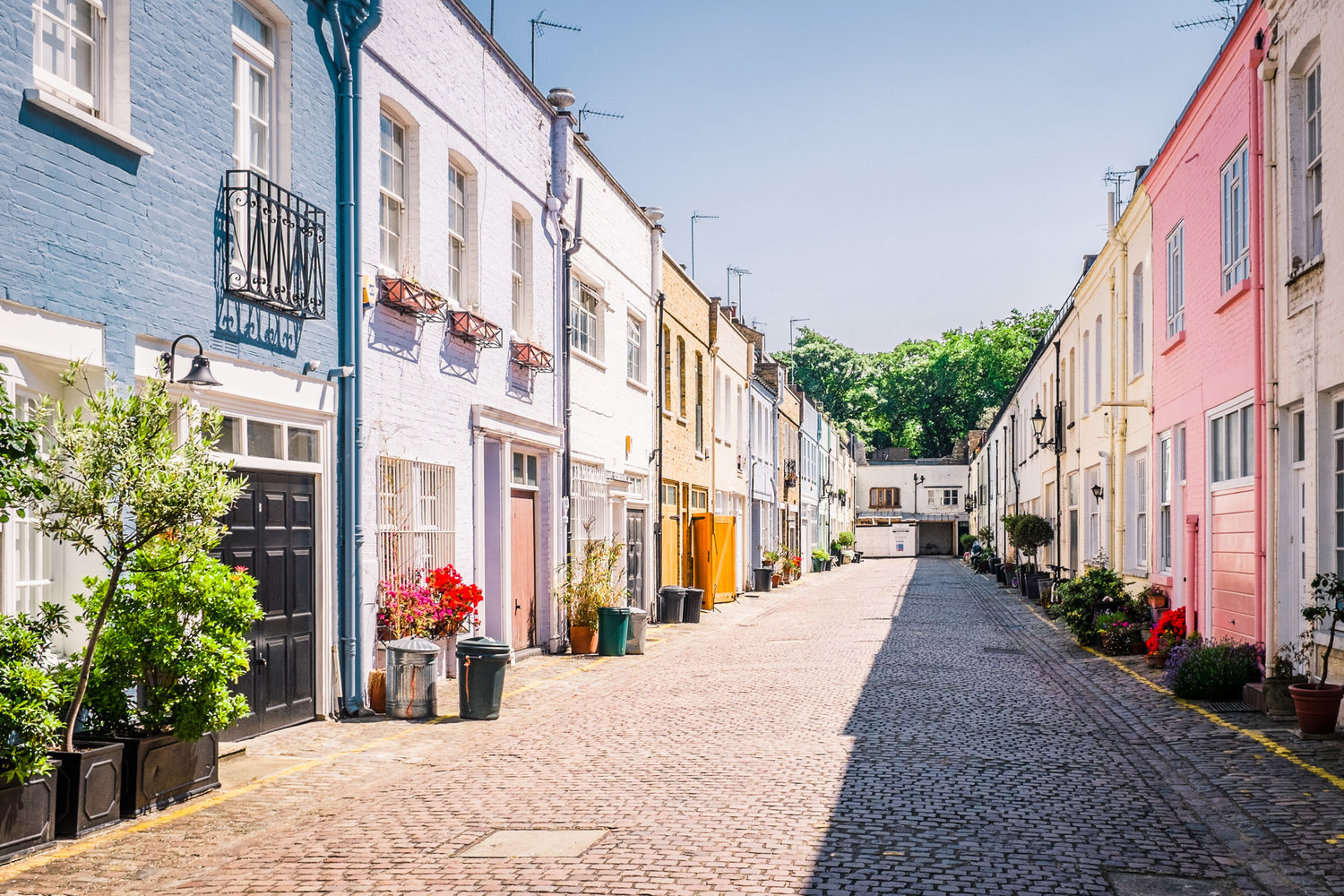
Working with Estate Agents in Dulwich
Successfully navigating the Dulwich property market requires local expertise and an understanding of the area's unique characteristics. The presence of multiple sub-markets, diverse property types and strong competition for prime stock means that buyers and sellers benefit significantly from experienced professional guidance.
Our team at Seymont London brings comprehensive knowledge of Dulwich's streets, conservation areas and planning considerations. We understand which roads offer the best value, where upcoming developments might impact amenity, and how school catchment boundaries influence pricing—knowledge that proves invaluable whether you're buying your first flat or selling a substantial family home.
The Dulwich market moves quickly for well-presented properties in desirable locations. We've observed that homes near outstanding primary schools, with off-street parking and private gardens, often attract multiple offers when correctly priced. Conversely, properties requiring significant renovation or located on busier roads may require more strategic pricing and marketing approaches.
For vendors, presentation proves critical in maximising value. Dulwich buyers typically have high expectations regarding property condition and finish, making professional staging, photography and comprehensive marketing essential. Our approach combines digital excellence with traditional relationship-based selling, ensuring your property reaches qualified buyers through multiple channels.
Whether you're seeking advice on <a href="/estate-agents/dulwich">estate agents in Dulwich</a> or looking to understand your property's potential, we recommend beginning with a thorough market appraisal that considers recent comparable sales, current market conditions and your specific property's unique attributes. This foundation enables informed decision-making and realistic expectations throughout the transaction process.
Talk to Seymont
What's your home worth?
A considered view on price, timing and how to bring your London home to market — a personal reply within 24 hours.
Your property
Step 1 of 2About the author
Julian ReyesLicensed Real Estate Agent
Julian has spent eleven years handling residential sales across west and central London, previously with the independent agencies Harlowe & Vance and Marchmont Row. He runs listings end to end, from pricing and presentation through to negotiating offers and holding chains together to completion. His writing focuses on the practical mechanics of buying and selling a home in a market where timing and preparation decide the outcome.
Licensed estate agent · 11 years in London residential sales
- Residential sales
- First-time buyers
- Offer negotiation
- Chain management
Frequently asked
- What is the average property price in Dulwich?
- According to HM Land Registry data, the median property price across Dulwich is £612,500. However, this varies significantly by property type: flats have a median of £477,500, terraced houses £876,875, semi-detached properties £1,377,500, and detached homes £1,675,000. Prices also differ between East Dulwich, West Dulwich and Dulwich Village, with the Village typically commanding the highest premiums.
- Is Dulwich a good area to invest in property?
- Dulwich represents a strong investment proposition due to consistent rental demand driven by outstanding schools, enduring appeal to families and professionals, and limited housing supply. Rental yields for flats typically range from 3-4% gross, with studio to one-bedroom properties achieving £975-£1,975 monthly according to ONS data. The area's heritage, green spaces and ongoing gentrification—particularly in East Dulwich—support long-term capital appreciation prospects.
- Which is better: East Dulwich, West Dulwich or Dulwich Village?
- Each neighbourhood offers distinct advantages. East Dulwich provides vibrant street life along Lordship Lane with independent shops and restaurants, appealing to younger buyers and those valuing walkable amenities. West Dulwich offers excellent rail connectivity and slightly lower price points, attracting value-conscious families. Dulwich Village delivers exclusivity, architectural prestige and proximity to top independent schools, commanding premium prices. The best choice depends on your lifestyle priorities, budget and whether connectivity or village atmosphere matters most.
- What rental income can I expect from a Dulwich property?
- Rental income varies by property size and location. ONS data shows studios achieve £975-£1,500 monthly, one-bedroom flats £1,275-£1,975, two-bedroom properties £1,725-£2,700, three-bedroom homes £2,300-£3,600, four-bedroom houses £3,075-£4,800, and five-bedroom properties £4,050-£6,300. Properties near outstanding schools, with parking and gardens, typically achieve the higher end of these ranges. Family houses benefit from year-round demand from relocating professionals and international families.
- How many properties are sold in Dulwich annually?
- Recent HM Land Registry data shows 171 recorded sales across Dulwich, with flats representing the largest segment at 96 transactions (median £477,500), followed by 50 terraced houses (median £876,875), 14 semi-detached properties (median £1,377,500), and 3 detached homes (median £1,675,000). Transaction volumes fluctuate based on market conditions, but Dulwich maintains consistent activity due to its enduring appeal and the presence of multiple buyer segments from first-time purchasers to families seeking substantial homes near top schools.