Journal
Dulwich House Prices in 2026
Written by Amara Bennett · Property Market Analyst
Published 24 March 2026 · Updated 8 April 2026 · 6 min read
The short answer
Dulwich house prices continue to reflect the area's enduring appeal as one of South London's most distinguished residential enclaves. Our team at Seymont London has analysed the latest HM Land Registry data to provide a comprehensive overview of what buyers and sellers can expect across this sought-after postcode in 2026.
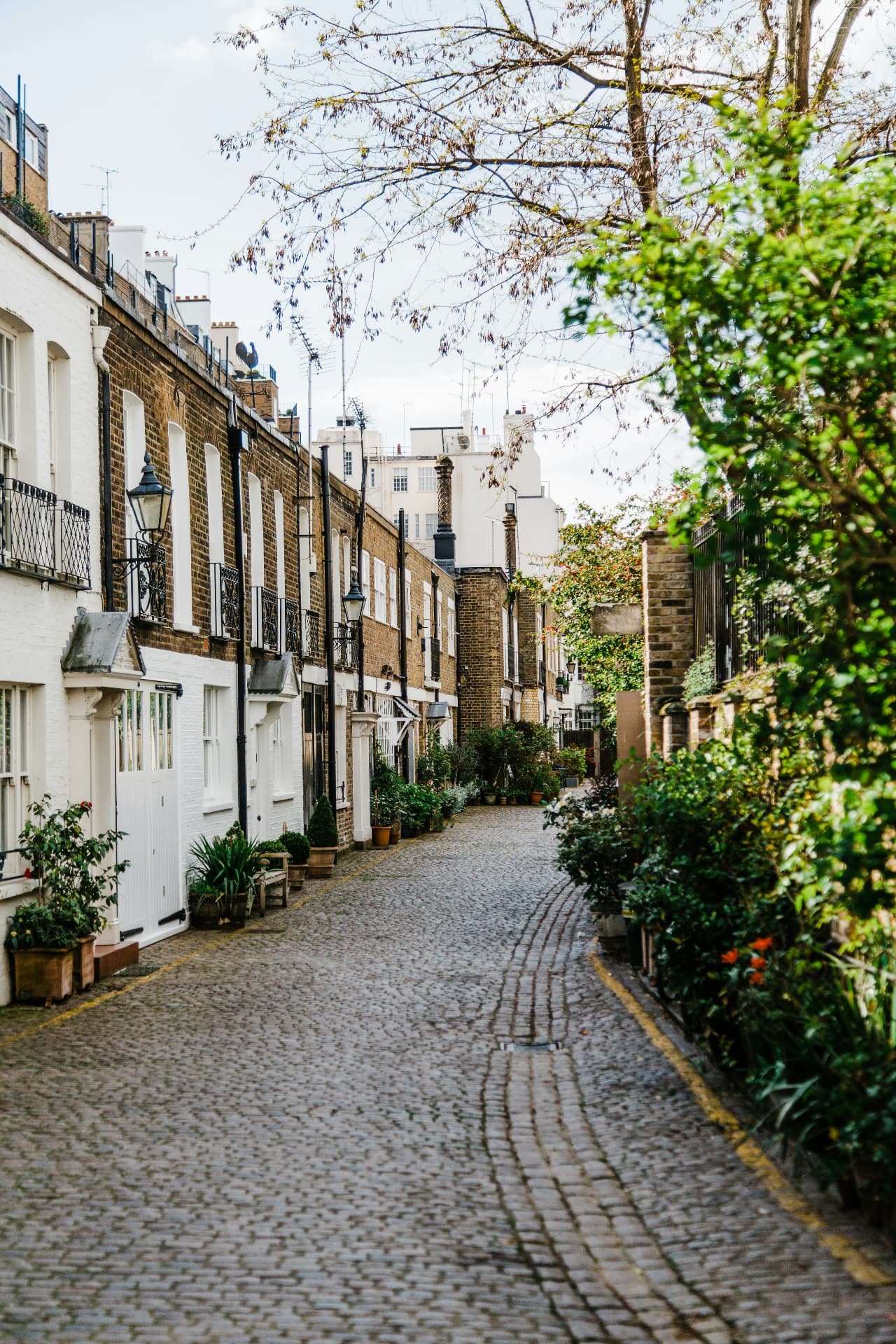
Dulwich house prices continue to reflect the area's enduring appeal as one of South London's most distinguished residential enclaves. Our team at Seymont London has analysed the latest HM Land Registry data to provide a comprehensive overview of what buyers and sellers can expect across this sought-after postcode in 2026. With its celebrated schools, abundant green spaces and architectural heritage, Dulwich remains a market where discerning purchasers compete for quality homes, while sellers benefit from sustained demand across all property types.
The Average House Price Dulwich: Current Market Overview
According to HM Land Registry Price Paid Data, the median property price in Dulwich stands at £612,500 based on 171 recorded sales. This figure represents the midpoint of a diverse market that encompasses everything from modern apartments to substantial Victorian and Edwardian family homes. The Dulwich property prices landscape demonstrates considerable variation by property type, reflecting the architectural diversity that characterises this part of South London.
Flats dominate transaction volumes, accounting for 96 sales with a median price of £477,500. At the upper end of the market, terraced properties achieved a median of £876,875 across 50 transactions, while semi-detached homes commanded £1,377,500 based on 14 sales. The three detached properties that changed hands recorded a median of £1,675,000, underlining the premium attached to freestanding family homes in this leafy locale.
These Dulwich sold prices reveal a market with entry points for first-time buyers and young professionals, whilst simultaneously offering substantial family homes for established purchasers. The range within each property type is equally telling: flats transacted between £133,600 and £1,000,000, demonstrating that location, condition and specification remain critical price determinants even within a single category.
Our experience at [Seymont London's Dulwich estate agents](/estate-agents/dulwich) confirms that buyers are prepared to pay premiums for homes near Dulwich Park, proximity to outstanding schools, and properties that retain original period features whilst offering modern amenities.
East Dulwich, West Dulwich and Dulwich Village: Neighbourhood Distinctions
The three principal neighbourhoods within the broader Dulwich area each possess distinct characteristics that influence property values and buyer preferences. East Dulwich has evolved into South London's most vibrant village-like community, with Lordship Lane's independent shops, cafés and restaurants creating a cosmopolitan atmosphere that appeals particularly to young families and professionals. The area's Victorian and Edwardian terraces, many beautifully renovated, form the backbone of the property market here.
Dulwich Village retains a more rarefied, estate-like character, with many properties situated on roads owned by the Dulwich Estate. The architecture here tends towards larger, detached and semi-detached Victorian houses, often set in generous plots with mature gardens. The Village's positioning adjacent to Dulwich College and surrounding playing fields creates an almost rural ambience that commands premium pricing. Conservation area restrictions help preserve the neighbourhood's distinctive character.
West Dulwich offers a quieter residential feel, with excellent transport connections via West Dulwich station providing direct services to London Bridge and Victoria. The housing stock here includes a higher proportion of Edwardian family homes and purpose-built mansion blocks, often representing better value per square foot than equivalent properties in East Dulwich or the Village. For those seeking [property for sale in Dulwich](/property-for-sale/dulwich) with strong connectivity and slightly more accessible price points, West Dulwich merits serious consideration.
Each neighbourhood attracts its own buyer demographic, yet all benefit from Dulwich's exceptional schools, green spaces and community amenities. We observe that purchasers often begin their search with one area in mind before discovering that another Dulwich neighbourhood better suits their requirements and budget.
Property Types and Price Bands Across Dulwich
The diversity of Dulwich's housing stock means that property for sale East Dulwich and across the wider area caters to buyers at multiple price points. Flats and apartments, which constitute the most active segment by transaction volume, range from £133,600 for smaller or ex-local-authority properties through to £1,000,000 for lateral apartments in converted Victorian villas or prestigious mansion blocks. Purpose-built developments from the 1930s and more contemporary conversions both feature prominently.
Terraced houses represent the quintessential Dulwich family home for many buyers. With 50 sales recording a median of £876,875 and a range extending from £400,000 to £2,825,000, this category encompasses everything from two-bedroom Victorian cottages to substantial four and five-bedroom properties with rear extensions and landscaped gardens. The significant price spread reflects variations in size, condition, exact location and outdoor space—all critical factors in family buyers' decision-making.
Semi-detached properties, commanding a median of £1,377,500 across 14 transactions, typically offer more generous proportions and private driveways. These homes frequently appeal to growing families seeking additional space without the premium attached to fully detached houses. The relative scarcity of detached properties—just three sales recorded—underscores their rarity and desirability, with a median price of £1,675,000 reflecting the substantial investment required to secure a freestanding home in this postcode.
For those exploring [Dulwich properties for sale](/house-prices/dulwich), understanding these price bands by property type provides essential context for realistic budget setting and search parameters. Our team finds that buyers benefit from viewing across categories, as a larger flat may offer better value than a smaller terraced house, depending on individual priorities.
Talk to Seymont
What's your home worth?
A considered view on price, timing and how to bring your London home to market — a personal reply within 24 hours.
Your property
Step 1 of 2Rental Market and Investment Considerations
ONS data reveals a robust rental market across Dulwich, with demand consistently outstripping supply for quality properties. Studio apartments command monthly rents between £975 and £1,500, whilst one-bedroom properties range from £1,275 to £1,975. The two-bedroom segment, particularly popular with young professionals and small families, achieves £1,725 to £2,700 per month depending on specification and location.
Family-sized rentals demonstrate the premium attached to Dulwich's school catchment areas. Three-bedroom properties rent for £2,300 to £3,600 monthly, whilst four-bedroom homes range from £3,075 to £4,800. At the upper end, five-bedroom and larger properties command £4,050 to £6,300 per month, typically attracting relocating executives and international families seeking access to Dulwich's educational establishments.
For property investors, these rental yields must be weighed against purchase prices and ongoing costs. The area's enduring popularity with families prioritising education and quality of life provides reassurance around long-term capital appreciation, though rental returns vary significantly by property type and specific location. We observe that well-maintained Victorian conversions and properties within walking distance of East Dulwich's amenities or Dulwich Village's schools tend to let most quickly and command top-tier rents.
Landlords considering [letting your property in Dulwich](/let-your-property/dulwich) should note that tenant expectations are high, with competition among rental stock meaning that properties in excellent decorative order with modern kitchens and bathrooms secure the best returns. The area's demographic skews towards professional tenants seeking longer-term stability, which can benefit landlords through reduced void periods.
Market Trends and 2026 Outlook for Dulwich London
The Dulwich London property market in 2026 reflects broader economic conditions whilst retaining its characteristic resilience. Interest rate movements and mortgage availability continue to influence buyer behaviour, yet the area's fundamental attractions—outstanding state and independent schools, Dulwich Park and the Dulwich Picture Gallery, excellent transport links and village amenities—sustain consistent demand across property types.
We've observed particular strength in the family house segment, where competition remains intense for well-presented Victorian and Edwardian properties with gardens and proximity to sought-after schools. Buyers in this category typically possess substantial equity from previous sales or high household incomes, making them less sensitive to marginal mortgage rate fluctuations. The scarcity of quality family homes coming to market means that well-priced properties frequently attract multiple offers.
The flat and apartment market demonstrates greater price sensitivity, with first-time buyers and those reliant on higher loan-to-value mortgages more affected by lending conditions. However, Dulwich's popularity with young professionals working in Central London, combined with relatively limited new-build supply, provides underlying support. Properties offering outside space, parking or particularly attractive period features consistently outperform standard specifications.
Looking ahead through 2026, we anticipate that Dulwich house prices will continue to reflect the area's supply-demand dynamics. The conservation area status across much of the district limits development opportunities, whilst population growth and London's ongoing appeal as a global city maintain buyer interest. Properties that combine period charm with contemporary specification, outdoor space and proximity to schools and transport are likely to appreciate most strongly, whilst the rental market should remain robust given the area's enduring popularity with families and professionals alike.
Talk to Seymont
What's your home worth?
A considered view on price, timing and how to bring your London home to market — a personal reply within 24 hours.
Your property
Step 1 of 2About the author
Amara BennettProperty Market Analyst
Amara spent seven years as a market analyst at Kestrel Lane Research, a small London property consultancy, before joining our editorial desk. She reads sold-price and rental data street by street to explain how individual London postcode districts actually behave, and reviews every price figure we publish. Her focus is separating headline national averages from what a specific address is worth today.
MSc Real Estate Economics · Seven years in property market research
- Valuations
- Local market data
- Sold prices
- Pricing strategy
Frequently asked
- What is the average house price in Dulwich in 2026?
- According to HM Land Registry data, the median property price in Dulwich is £612,500 based on 171 recorded sales. However, this varies significantly by property type: flats have a median of £477,500, terraced houses £876,875, semi-detached properties £1,377,500, and detached homes £1,675,000. The average house price Dulwich ultimately depends on the specific property type and location within the area.
- Which is more expensive: East Dulwich, West Dulwich or Dulwich Village?
- Dulwich Village typically commands the highest prices due to its estate character, larger properties, proximity to Dulwich College, and conservation area status. East Dulwich, with its vibrant Lordship Lane amenities and renovated Victorian terraces, also commands premium pricing. West Dulwich generally offers more accessible price points whilst maintaining excellent transport connections and quality housing stock, making it attractive to buyers seeking value within the broader Dulwich area.
- What rental prices can landlords expect in Dulwich?
- According to ONS data, Dulwich rental prices range from £975-£1,500 per month for studios, £1,275-£1,975 for one-bedroom properties, and £1,725-£2,700 for two-bedroom homes. Family properties command higher rents: three-bedroom homes achieve £2,300-£3,600 monthly, four-bedroom properties £3,075-£4,800, and five-bedroom homes £4,050-£6,300. Exact rental values depend on property condition, specification and proximity to schools and transport.
- Why are Dulwich property prices higher than surrounding areas?
- Dulwich property prices reflect several premium factors: exceptional state and independent schools including Dulwich College and JAGS, abundant green spaces such as Dulwich Park, architectural heritage with numerous Victorian and Edwardian properties, village amenities particularly on Lordship Lane, excellent transport connections to Central London, and conservation area protections that limit development and preserve character. The combination of family-friendly amenities and limited housing supply sustains strong demand.
- What types of properties sell best in Dulwich?
- Based on HM Land Registry data, flats are the most frequently transacted property type with 96 sales, followed by terraced houses with 50 sales. However, 'selling best' depends on perspective: flats offer the most accessible entry points and transaction volume, whilst family terraced and semi-detached houses in good condition near schools attract intense competition and often achieve asking price or above. Properties combining period features with modern specification, gardens, and proximity to schools and transport consistently perform strongest across all segments.