Journal
Dulwich Area Guide
Written by Nina Castellano · Investment Property Advisor
Published 17 January 2026 · Updated 5 February 2026 · 7 min read
The short answer
Dulwich remains one of south London's most distinguished residential quarters, where verdant commons meet Georgian elegance and Victorian terraces line tree-canopied streets. Our Dulwich area guide draws on our team's extensive experience across East Dulwich, West Dulwich and Dulwich Village to help you understand what makes this SE21 and SE22 enclave so sought-after.
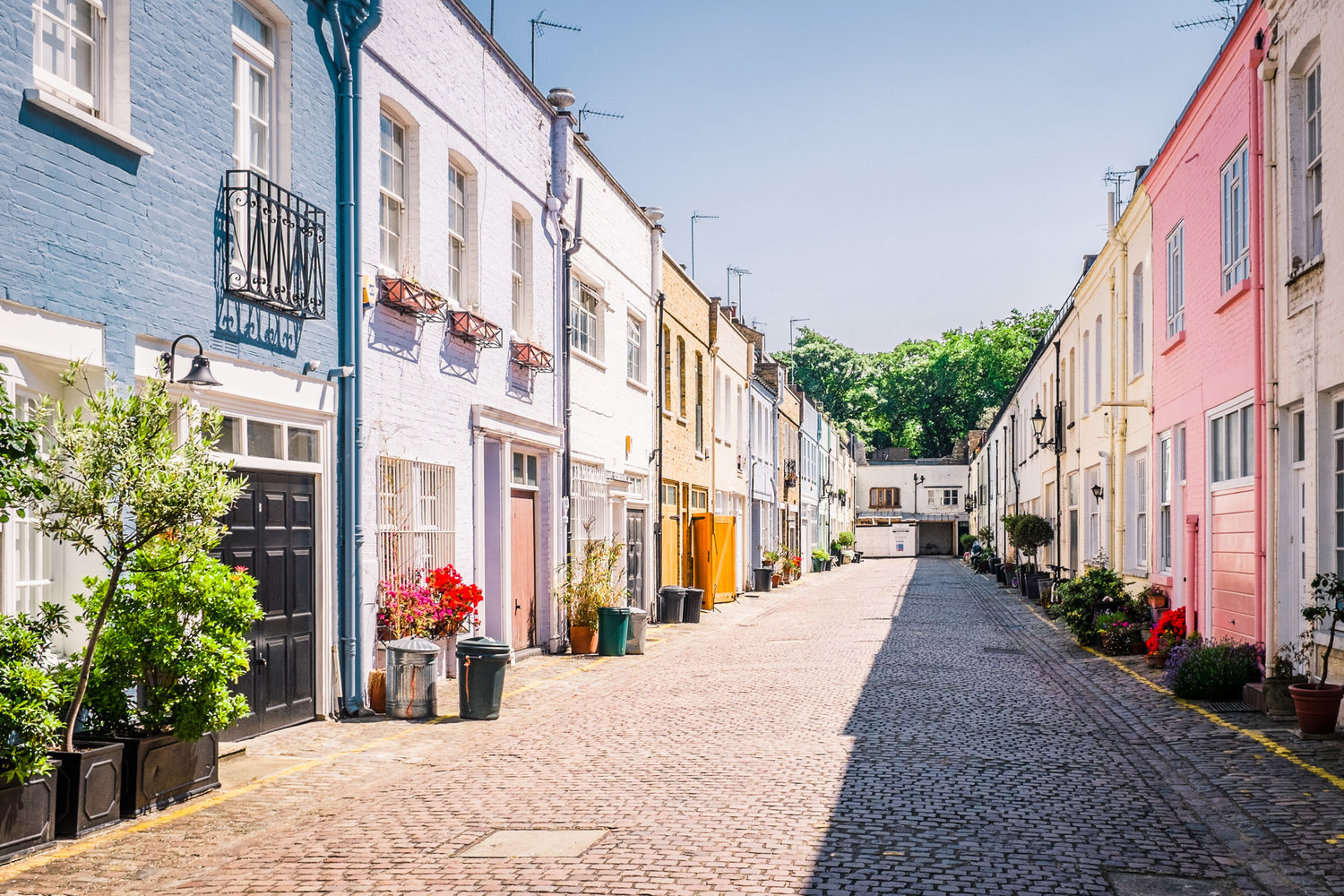
Dulwich remains one of south London's most distinguished residential quarters, where verdant commons meet Georgian elegance and Victorian terraces line tree-canopied streets. Our Dulwich area guide draws on our team's extensive experience across East Dulwich, West Dulwich and Dulwich Village to help you understand what makes this SE21 and SE22 enclave so sought-after. Whether you're considering Dulwich property for investment, family life or simply exploring this corner of London, we've compiled the local insight that matters.
Understanding Dulwich London: Village, East and West
Dulwich divides naturally into three distinct neighbourhoods, each with its own character yet sharing the area's signature blend of greenery and heritage. Dulwich Village sits at the heart, centred on the historic Dulwich College estate with its toll gate, picture gallery and preserved architectural restrictions that maintain the village atmosphere. The Old College building and almshouses date from the early seventeenth century, whilst the streets radiating from the crossroads retain an almost rural tranquillity rare within Zone 2.
East Dulwich has evolved into the area's commercial and social hub, particularly along Lordship Lane where independent boutiques, delicatessens and restaurants create a village high street scaled for modern metropolitan life. The Victorian and Edwardian terraces between Lordship Lane and East Dulwich Grove appeal strongly to young families and professionals who value both the parks (Dulwich Park, Peckham Rye) and the transport links. According to HM Land Registry data, flats in the area recorded a median sale price of £477,500, reflecting the neighbourhood's accessibility and amenity.
West Dulwich occupies the quieter western flank, characterised by substantial family homes on generous plots, particularly around Croxted Road and the streets approaching Belair Park. The West Dulwich railway station provides direct services into London Bridge and Victoria, whilst the neighbourhood retains a more residential, low-key atmosphere than its eastern counterpart. Semi-detached properties here commanded a median of £1,377,500 according to recent Land Registry records, testament to the substantial family housing stock.
Dulwich Property: Market Overview and Pricing
The Dulwich property market recorded 171 sales with a median price of £612,500 according to HM Land Registry data, though this figure masks considerable variation by property type and location. Flats, which represented 96 of these transactions, ranged from £133,600 to £1,000,000, offering entry points for first-time buyers alongside premium conversions in the area's finest Victorian buildings. Purpose-built mansion blocks near Dulwich Village and converted houses along the more residential Dulwich streets both feature prominently in this segment.
Terraced houses, historically the backbone of East Dulwich's housing stock, showed a median of £876,875 across 50 sales, with prices extending from £400,000 to £2,825,000. The variation reflects both property size—from compact two-bedroom Victorian cottages to extended four-bedroom family homes—and location, with premium streets near Dulwich Park or within the Village conservation area commanding significant premiums. Semi-detached properties demonstrated the strongest price point at a median of £1,377,500, appealing to families seeking more space and established gardens.
For those considering renting rather than purchasing, ONS rental data provides useful benchmarks. Studio apartments range from £975 to £1,500 monthly, one-bedroom properties from £1,275 to £1,975, whilst two-bedroom homes typically command £1,725 to £2,700. Family housing reflects Dulwich's premium positioning: three-bedroom properties rent for £2,300 to £3,600, four-bedroom homes for £3,075 to £4,800, and five-bedroom properties from £4,050 to £6,300 per calendar month.
We've observed sustained interest in Dulwich property to buy across all segments, driven by the area's schools, green spaces and village atmosphere combined with connectivity to central London. Our team at [Seymont Dulwich](/estate-agents/dulwich) works with buyers at every price point, from first-time purchasers seeking flats to families pursuing their forever home. For current opportunities, browse our [Dulwich property listings](/property-for-sale/dulwich).
Schools, Culture and the Dulwich Estate
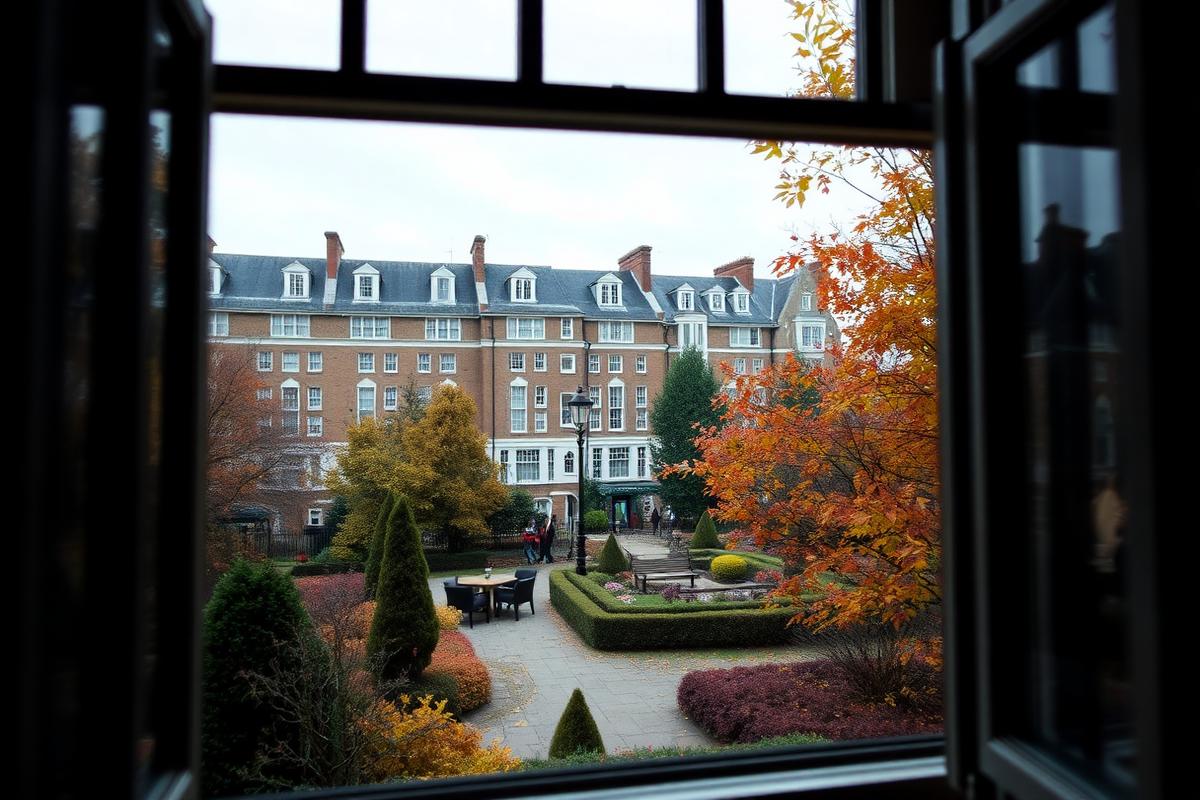
Education forms a cornerstone of Dulwich's appeal, with several outstanding state primaries including Dulwich Village CE Infants, Dulwich Hamlet Junior School and Goodrich Primary attracting families to specific catchment streets. The independent sector offers Dulwich College, Alleyn's School and James Allen's Girls' School (JAGS), three of London's most respected fee-paying institutions whose grounds and playing fields contribute significantly to the area's open character. Charter School in East Dulwich provides a well-regarded state secondary option, whilst Dulwich College itself occasionally releases residential properties from its historic estate.
Cultural amenities distinguish Dulwich from many comparable suburbs. Dulwich Picture Gallery, designed by Sir John Soane and opened in 1817, holds England's first purpose-built public art gallery and maintains an exceptional collection of Old Masters alongside contemporary exhibitions. The Dulwich Festival each May brings open-air theatre, music and arts events to Dulwich Park, whilst the area's literary heritage—former residents include P.G. Wodehouse, C.S. Forster and Raymond Chandler—adds historical depth.
The Dulwich Estate, established through Edward Alleyn's seventeenth-century bequest, continues to shape the area's development through its ownership of substantial landholdings and architectural controls within Dulwich Village. These restrictions, whilst occasionally frustrating for homeowners seeking alterations, preserve the distinctive character and generous spacing that make the Village so attractive. The estate's almshouses, chapel and surviving toll gate remain functioning elements of modern Dulwich life.
Talk to Seymont
What's your home worth?
A considered view on price, timing and how to bring your London home to market — a personal reply within 24 hours.
Your property
Step 1 of 2Green Spaces and Recreation
Few London neighbourhoods rival Dulwich's provision of green space. Dulwich Park's 72 acres offer boating lake, American garden, sports facilities and tree-lined paths linking Dulwich Village to East Dulwich, serving as both thoroughfare and recreation ground. The park's perimeter provides popular jogging and cycling routes, whilst the central areas host summer concerts and seasonal events. Dog walkers, families and runners populate the space from dawn onwards, creating a genuinely communal atmosphere.
Dulwich & Sydenham Hill Wood, owned by the London Wildlife Trust, protects ancient woodland stretching across 15 acres with nature trails and seasonal flora. Belair Park in West Dulwich combines formal gardens, ornamental lake and open grassland around the historic Belair House, now operating as a wedding and events venue. The linear network of green corridors extending from Dulwich Common through to Peckham Rye creates surprisingly rural walking routes entirely within Zone 2, accessible without vehicular transport.
Recreational facilities extend beyond the parks themselves. Dulwich Hamlet Football Club, one of non-league football's best-supported teams, draws crowds to Champion Hill stadium, whilst tennis courts, bowling greens and cricket grounds scatter across the area. The surrounding commons provide kite-flying space, informal games areas and a demonstrable connection to landscape that influences property decisions. Buyers consistently cite the green aspect as primary motivation, and we've found that properties overlooking parks or backing onto green corridors achieve premiums reflecting this scarce urban amenity.
Transport, Connectivity and Village Life
Dulwich's transport network balances metropolitan accessibility with the area's village character. East Dulwich station provides Thameslink services to London Bridge (nine minutes), Blackfriars and St Pancras International, positioning the area competitively for City and West End commuters. West Dulwich station offers services to Victoria and London Bridge via separate routes, whilst North Dulwich station serves the Village itself. Bus routes along Lordship Lane, Croxted Road and through Dulwich Village connect to Brixton, Peckham, Elephant & Castle and beyond.
The absence of Underground stations—the Northern Line extension to Morden bypassed Dulwich—has arguably preserved the area's character by limiting density and development pressure. Journey times to central London typically range from 20 to 35 minutes depending on destination and starting point, acceptable for most buyers prioritising space, schools and environment over minimal commute. Cycling routes through the parks make bike commuting viable for those working within reasonable radius.
Dulwich Village retains an authentic high street scaled to genuine village proportions: butcher, grocer, pharmacy, bookshop and cafés serving the immediate community rather than destination dining. East Dulwich's Lordship Lane presents a contrasting metropolitan village environment where weekend brunch queues, evening wine bars and specialist shops create animated street life. The weekly Dulwich Farmers Market supplies local produce, whilst the Grove Tavern, Palmerston and other gastropubs anchor neighbourhood social life. This combination of village-scale amenity with metropolitan sophistication distinguishes Dulwich's everyday experience, a quality consistently highlighted by residents and reflected in sustained property demand across our [Dulwich portfolio](/house-prices/dulwich).
Investing in Dulwich: Rental Market and Long-term Prospects
The Dulwich rental market demonstrates consistent demand across property types, supported by the area's schools, transport links and established residential appeal. ONS data showing studios from £975 and one-bedroom flats from £1,275 monthly suggests accessible entry points for single professionals and couples, whilst family housing from £2,300 for three bedrooms upwards attracts tenants prioritising education and environment over absolute proximity to central London. Rental yields vary by property type and precise location, but the area's stability and tenant quality make it attractive for long-term investors.
When renting a house in Dulwich, tenants typically seek parking, garden space and proximity to specific school catchments, factors that influence both rental achievement and void periods. Properties within walking distance of stations or along the more convenient bus routes let more readily than those in quieter corners, though the latter may attract longer tenancies from families settling into the community. Our lettings team has observed that well-presented homes with modern kitchens and bathrooms achieve target rents quickly, whilst unrenovated period properties may require adjusted expectations despite location premiums.
Long-term property prospects rest on factors unlikely to diminish: fixed green space protected by historic designations, established schools maintaining their reputations, and the fundamental appeal of village character within Zone 2. Dulwich's evolution has been gradual rather than transformative, and future development will remain constrained by conservation areas and the Dulwich Estate's architectural controls. For buyers and investors seeking stability rather than regeneration-led growth, these characteristics provide confidence. To explore current opportunities or discuss selling in this market, our team offers local expertise refined across numerous Dulwich transactions—visit our [Dulwich letting services](/let-your-property/dulwich) to learn more about rental returns and tenant demand.
Talk to Seymont
What's your home worth?
A considered view on price, timing and how to bring your London home to market — a personal reply within 24 hours.
Your property
Step 1 of 2About the author
Nina CastellanoInvestment Property Advisor
Nina advises landlords and investors on rental yields, tenant demand and portfolio structure across Greater London, after running lettings and management at Bellhouse Property Partners. She has overseen single units and multi-property portfolios, and works through compliance, void periods and running costs before a purchase is agreed. Her articles deal with the numbers behind a buy-to-let rather than the headline gross yield.
Lettings and portfolio management · 9 years in London rentals
- Buy-to-let
- Rental yields
- Portfolio strategy
- Landlord compliance
Frequently asked
- What is the difference between East Dulwich, West Dulwich and Dulwich Village?
- Dulwich Village forms the historic heart around Dulwich College with its toll gate, picture gallery and preserved village character under conservation restrictions. East Dulwich centres on Lordship Lane and offers a livelier, more urban village atmosphere with shops, restaurants and Victorian terraced housing. West Dulwich occupies the quieter western side with larger family homes, more spacious plots and a predominantly residential feel around West Dulwich station and Belair Park.
- How much does property cost in Dulwich?
- According to HM Land Registry data, the median sale price across Dulwich stood at £612,500, though this varies significantly by property type. Flats recorded a median of £477,500, terraced houses £876,875, and semi-detached properties £1,377,500. The small number of detached sales showed a median of £1,675,000. Rental prices from ONS data range from £975 monthly for studios to £4,050-£6,300 for five-bedroom family homes.
- Is Dulwich a good area for families?
- Dulwich consistently ranks among London's most family-friendly neighbourhoods, combining outstanding state and independent schools with exceptional green space including Dulwich Park, ancient woodlands and commons. The village atmosphere, low crime rates, community amenities and range of family housing from Victorian terraces to substantial detached homes make it particularly suitable for families prioritising education and environment alongside reasonable commuting access to central London.
- Which Dulwich area is best for transport links?
- East Dulwich offers the strongest transport connectivity with East Dulwich station providing Thameslink services to London Bridge in approximately nine minutes, plus frequent bus routes along Lordship Lane to Brixton, Elephant & Castle and beyond. West Dulwich and North Dulwich stations also provide direct services to Victoria and London Bridge respectively, but East Dulwich's combination of rail and bus options makes it most convenient for commuters.
- What amenities and shops are available in Dulwich?
- Lordship Lane in East Dulwich functions as the area's main commercial street with independent shops, delicatessens, bookshops, restaurants and cafés alongside supermarkets and everyday services. Dulwich Village maintains a smaller, traditional high street with butcher, grocer, pharmacy and local amenities. The area also features Dulwich Picture Gallery, several gastropubs including the Palmerston and Grove Tavern, a weekly farmers market, and numerous parks and recreational facilities including Dulwich Park's boating lake and sports courts.