Journal
Do I Need an Estate Agent? Pros, Cons and Alternatives in 2026
Written by Nina Castellano · Investment Property Advisor
Published 26 March 2026 · Updated 4 April 2026 · 8 min read
The short answer
**Do I need an estate agent?** For most sellers, yes—traditional agents handle marketing, viewings, negotiations and legal coordination, achieving sale prices that typically offset their fees. However, motivated sellers with time, local knowledge and strong digital skills can successfully sell without an agent, saving an average of 1.42% inc VAT (roughly £7,100 on a £500,000 property, according to Rightmove and TheAdvisory 2026 data).

**Do I need an estate agent?** For most sellers, yes—traditional agents handle marketing, viewings, negotiations and legal coordination, achieving sale prices that typically offset their fees. However, motivated sellers with time, local knowledge and strong digital skills can successfully sell without an agent, saving an average of 1.42% inc VAT (roughly £7,100 on a £500,000 property, according to Rightmove and TheAdvisory 2026 data). The decision hinges on your property type, timeline, risk tolerance and whether the agent's market expertise will genuinely add value beyond their commission. This guide examines the practical realities of both routes: what traditional agents cost and deliver in 2026, how for sale by owner (FSBO) works in the UK, and the hybrid models emerging between the two extremes. We'll reference current fees, timelines and common traps, so you can make an informed choice based on your circumstances rather than marketing promises.
What a traditional estate agent does (and costs)
A full-service estate agent typically handles property valuation, professional photography and floor plans, listing on Rightmove and OnTheMarket, accompanied viewings, offer negotiation, liaison with solicitors and buyers' agents, and progress-chasing through to completion. In return, UK agents charge an average fee of **1.42% including VAT** as of 2026, though London fees commonly range from **1.5% to 2.5% plus VAT** depending on the agency's brand, service level and your property's value, according to TheAdvisory and HomeOwners Alliance research.
On a £750,000 London home, a 2% + VAT fee totals £18,000—a significant sum, but one that most sellers accept in exchange for professional marketing reach, negotiation expertise and time saved. The average London sale takes roughly **16 to 24 weeks** from listing to completion (HM Land Registry data), and agents argue their network and pricing acumen recoup their fee by securing higher offers and preventing deals from collapsing. The risk is overpaying for lacklustre service: not all agents justify their commission, and fee alone is a poor proxy for competence.
Some founder-led agencies such as Seymont London work on transparent, relationship-driven models that emphasise personal accountability over call-centre workflows, while others operate on volume and junior staff. When comparing agents, ask for evidence of recent [sold prices](/sold-prices) in your street, their average time-on-market, and exactly who will conduct viewings and negotiate on your behalf. A cheaper fee from a disengaged agent often costs more in lost sale price or deal failure than a higher commission from a motivated, expert one.
Selling without an agent: the private house sale reality
A **private house sale UK** (often called for sale by owner, or FSBO) means you retain full control and save the commission, but you also assume every responsibility: pricing research, photography, advertising, legal pack preparation, conducting viewings, vetting buyers' finances, negotiating, and coordinating solicitors and surveyors. Which? estimates that fewer than 5% of UK homes sell privately, reflecting both the effort required and buyers' instinctive caution around non-agent listings.
The financial saving is real—on a £500,000 sale at 1.42%, you retain roughly £7,100—but the hidden costs include your time (viewings, calls, paperwork), paid advertising on property portals (Rightmove charges private sellers around £99–£199 per month per listing as of 2026), professional photography (£150–£400), Energy Performance Certificate (circa £60–£120), and potentially a solicitor's enhanced conveyancing fee if they must handle buyer liaison normally managed by agents. More crucially, **pricing errors are expensive**: overpricing by even 5% can leave your property stale on the market for months, while underpricing forfeits tens of thousands in a competitive market.
Successful private sales tend to share common traits: the seller has strong local market knowledge, the property is inherently desirable (good condition, popular area), the seller is comfortable with negotiation and admin, and there is no chain or time pressure. If you lack any of these—or if your property needs strategic positioning to overcome a flaw (busy road, leasehold complexity, subsidence history)—an agent's expertise often proves worth the fee. For a detailed breakdown of current market values in your area, explore our [valuation](/valuation) tool or browse comparable [sold prices](/sold-prices) nearby.

Hybrid and online-only models: the middle ground
Between full-service agents and pure FSBO lies a growing category of **online estate agents** and pay-upfront, fixed-fee services. Companies such as Purplebricks, Strike and Yopa charge flat fees (typically £800–£1,500 including VAT) for portal listings, photography and limited support, leaving viewings and negotiation largely to the seller. These models suit confident sellers who want portal exposure without percentage commissions, but buyer perception can be mixed: some see online-only listings as lower-quality or distressed, while others appreciate the transparency.
The trade-off is service depth. Online agents rarely accompany viewings or provide the persistent progress-chasing that prevents chains from collapsing, and many charge extra for premium portal placement or extended contracts. HomeOwners Alliance research suggests online-agent properties can take **20–30% longer to sell** than traditional-agent listings, and final sale prices average slightly lower, though causality is hard to isolate (self-selection bias means online sellers may have tighter budgets or less desirable properties to start with).
A pragmatic approach is to assess your property's complexity and your own availability. If you work full-time, lack negotiation confidence, or your property has legal quirks (short lease, shared access, listed status), the safety net of a committed, expert agent is usually worth the percentage fee. If your home is a textbook three-bed semi in a hot postcode and you can field calls and weekend viewings, a hybrid or online model may suffice—but read the contract carefully for hidden renewal fees and cancellation clauses.
Talk to Seymont
What's your home worth?
A considered view on price, timing and how to bring your London home to market — a personal reply within 24 hours.
Your property
Step 1 of 2Common traps and how to avoid them
**Overvaluing to win your instruction.** Estate agents compete for listings, and some inflate valuations to secure your signature, then pressure you to reduce the price weeks later when interest is thin. Cross-check any valuation against HM Land Registry [sold prices](/sold-prices) for near-identical homes, and be wary of an estimate more than 5% above the market consensus. A prolonged, over-priced listing damages your negotiating position and can cost more than a modest initial reduction.
**Sole-agency lock-ins without performance clauses.** Many contracts tie you to one agent for 12–16 weeks with penalty fees for early termination, even if they deliver no viewings. Before signing, negotiate a performance review at six or eight weeks, confirm in writing who will handle viewings (the valuer, or a junior?), and clarify exactly which portals and marketing channels are included. Multi-agency (listing with several agents simultaneously) avoids lock-in but typically incurs higher fees and can signal desperation to buyers.
**Underestimating conveyancing and buyer-vetting complexity.** Private sellers often discover too late that a 'cash buyer' is actually an investor with complex offshore funding, or that the buyer's mortgage offer is conditional on works the surveyor flagged. Agents filter time-wasters, verify proof of funds and liaise with solicitors to keep transactions on track; without this, you risk investing months in a buyer who cannot complete. If selling privately, instruct a proactive solicitor early and insist on sight of the buyer's mortgage agreement-in-principle or bank statements before taking the property off the market.
**Neglecting presentation and photography.** Whether agent-led or private, first impressions are formed in the first three seconds of a Rightmove thumbnail. Professional photography, decluttering and minor staging (fresh paint, depersonalised décor) consistently correlate with faster sales and higher offers, according to both Rightmove and HomeOwners Alliance surveys. Skimping on a £200 photographer to save money on a £500,000 sale is a false economy that can cost thousands in price reductions.
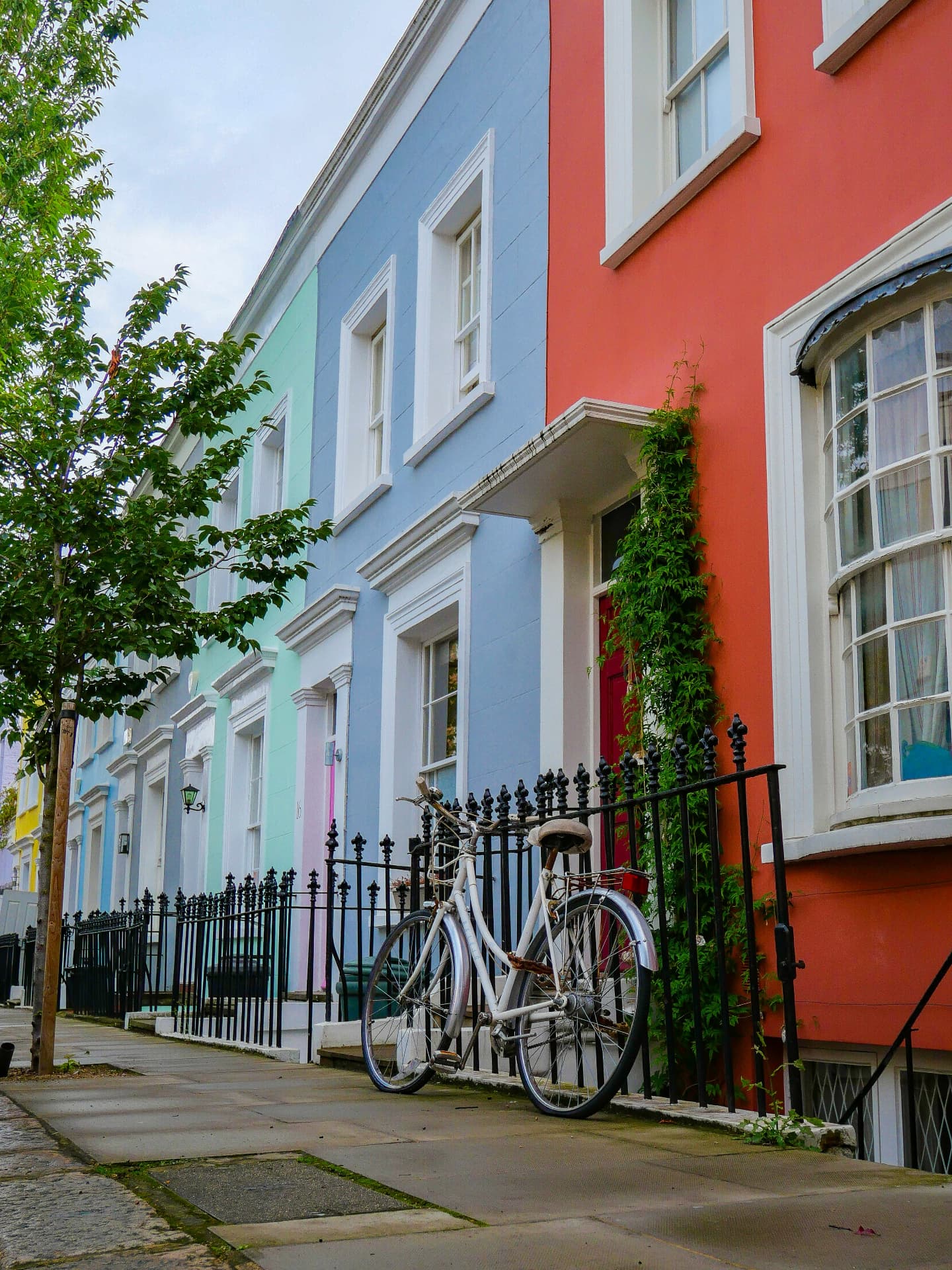
Decision framework: when you need an agent, and when you don't
**You probably need a traditional agent if:** your property is unusual (ex-local-authority, new-build leasehold, conservation area); you are in a chain and need proactive coordination; you lack time for viewings and negotiation; the local market is slow or oversupplied; or you are unfamiliar with comparable sales and pricing nuance. In these scenarios, a good agent's fee is insurance against deal failure, underpricing and legal mishaps that can easily eclipse the commission.
**You might succeed without an agent if:** your property is highly marketable (well-maintained, popular postcode, freehold, chain-free); you have researched recent comparables thoroughly; you are confident fielding enquiries, negotiating and managing solicitors; and you can commit evenings and weekends to viewings over several months. Even then, consider the opportunity cost—if your time is worth £50–£100 per hour professionally, the 40–60 hours a private sale typically demands may cost as much as a modest agent fee.
**Hybrid models suit you if:** you want portal exposure and administrative support but are happy to conduct viewings yourself, your property is straightforward, and you are comfortable with lighter agent involvement in exchange for a lower fixed fee. Always compare the total cost (upfront fee + potential add-ons) against a percentage-based quote, and factor in the likely time-on-market difference. For a tailored assessment of what your property might achieve and which route makes financial sense, our team offers a free, no-obligation [valuation](/valuation) with transparent advice on fees, timelines and market positioning.
Ultimately, **do I need an estate agent?** is less a binary yes-or-no than a cost-benefit calculation unique to your property, skills and timeline. The best answer emerges from honest self-assessment, rigorous comparable research and a clear-eyed view of what an agent's expertise is—and isn't—worth in your specific context.
Next steps
If you are leaning towards a traditional agent, interview at least three, compare their marketing plans and recent [sold prices](/sold-prices) evidence, and negotiate fees—many agents will flex on commission or offer tiered rates for higher sale prices. If you are considering a private sale, budget time and money for professional photography, portal fees, an EPC and solicitor pre-contract pack preparation, and rehearse your answers to buyer questions about tenure, service charges and why you are selling.
Whichever route you choose, clarity on pricing is non-negotiable. Use HM Land Registry data, local [sold prices](/sold-prices) and, if available, a professional valuation to anchor your asking price in evidence, not aspiration. Overpricing wastes weeks; underpricing costs thousands. The difference between a successful sale and a stressful, protracted one often comes down to the first number you publish.
Thinking about selling or letting in London? Book a free, no-obligation valuation with our team at [seymont.co.uk/valuation](/valuation). We will provide an honest market appraisal, transparent fee options and practical advice on positioning your property—whether you instruct us or not.
Talk to Seymont
What's your home worth?
A considered view on price, timing and how to bring your London home to market — a personal reply within 24 hours.
Your property
Step 1 of 2About the author
Nina CastellanoInvestment Property Advisor
Nina advises landlords and investors on rental yields, tenant demand and portfolio structure across Greater London, after running lettings and management at Bellhouse Property Partners. She has overseen single units and multi-property portfolios, and works through compliance, void periods and running costs before a purchase is agreed. Her articles deal with the numbers behind a buy-to-let rather than the headline gross yield.
Lettings and portfolio management · 9 years in London rentals
- Buy-to-let
- Rental yields
- Portfolio strategy
- Landlord compliance
Frequently asked
- What is the average estate agent fee in the UK in 2026?
- The UK average estate agent fee in 2026 is approximately **1.42% including VAT**, according to Rightmove and TheAdvisory data. In London, fees typically range from **1.5% to 2.5% plus VAT**, depending on the agency and property value. On a £500,000 sale, expect to pay between £9,000 and £15,000 in commission.
- Can I legally sell my house without an estate agent in the UK?
- Yes. There is no legal requirement to use an estate agent in the UK. You can conduct a **private house sale** (for sale by owner) by marketing the property yourself, handling viewings and negotiating directly with buyers. You will still need a solicitor or licensed conveyancer to manage the legal transfer of title.
- How much money will I save selling my house privately?
- You will save the estate agent's commission—typically **1.42% to 2.5% including VAT**—but must budget for Rightmove/OnTheMarket listing fees (around £99–£199 per month), professional photography (£150–£400), EPC (£60–£120) and potentially higher solicitor fees. On a £500,000 property, net savings range from **£5,000 to £7,000**, assuming no significant price reduction due to limited marketing reach.
- How long does it take to sell a house in London in 2026?
- The average London residential sale takes roughly **16 to 24 weeks** from listing to completion, according to HM Land Registry data. Time-to-offer varies by location, price and condition; time-from-offer-to-completion depends on chain length, mortgage processing and survey issues. Private sales and online-agent listings often take 20–30% longer than traditional-agent transactions.
- What are the risks of selling without an estate agent?
- Key risks include **pricing errors** (over- or undervaluing by thousands), **time-wasters and unvetted buyers** (no proof-of-funds checks), **weak negotiation** (leaving money on the table), **deal collapse** (lack of progress-chasing between solicitors, surveyors and lenders), and **legal missteps** (incomplete disclosure leading to post-sale disputes). Successful private sellers invest significant time in research, admin and buyer qualification.