Journal
The Cost of Living in St John's Wood
Written by Julian Reyes · Licensed Real Estate Agent
Published 30 October 2025 · Updated 5 August 2026 · 5 min read
The short answer
St John's Wood remains one of London's most distinguished residential areas, renowned for its tree-lined avenues, elegant Victorian villas and proximity to Lord's Cricket Ground. Understanding the cost of living in St John's Wood is essential for anyone considering making this exclusive NW8 neighbourhood their home.
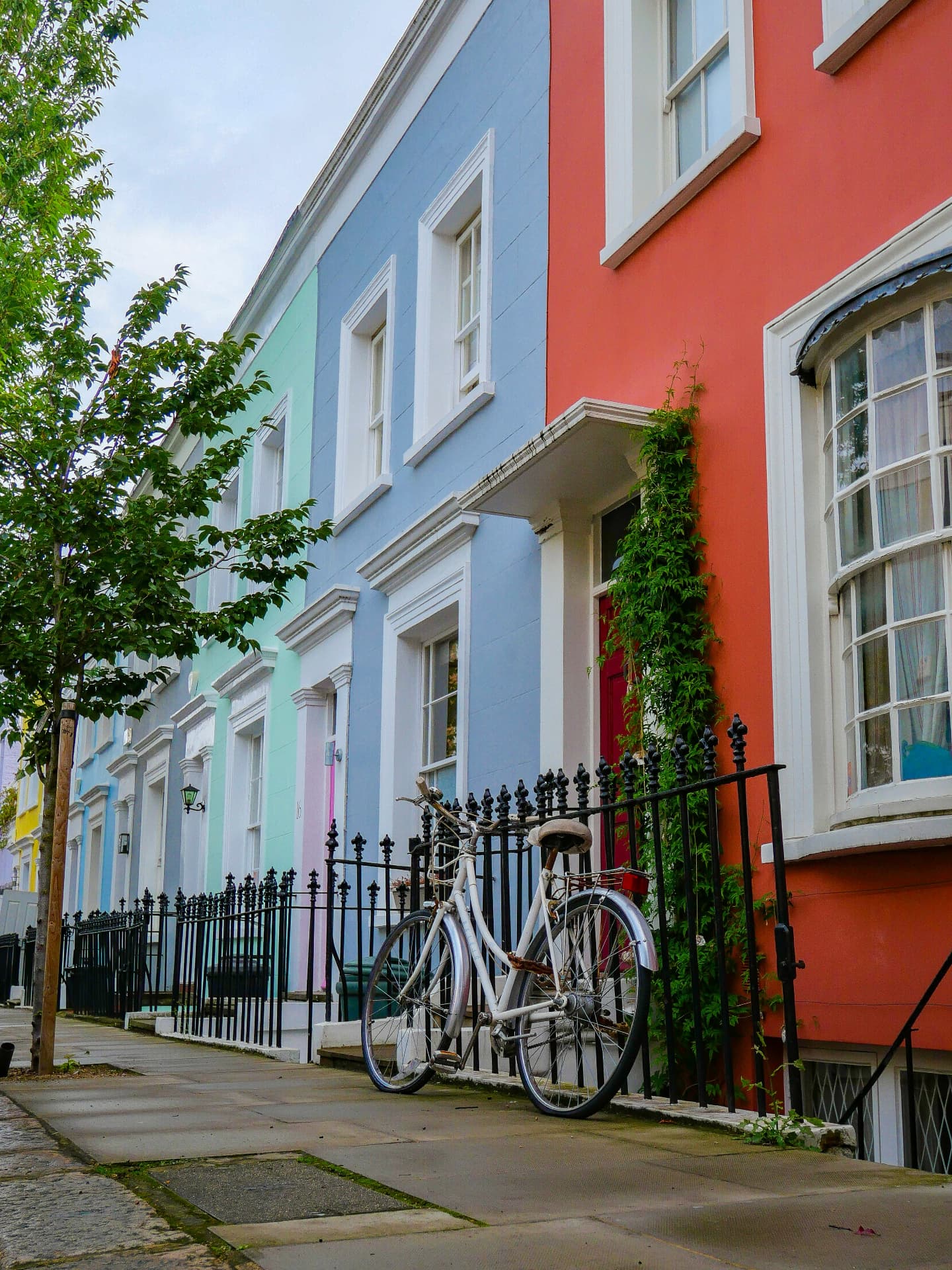
St John's Wood remains one of London's most distinguished residential areas, renowned for its tree-lined avenues, elegant Victorian villas and proximity to Lord's Cricket Ground. Understanding the cost of living in St John's Wood is essential for anyone considering making this exclusive NW8 neighbourhood their home. From property acquisition to day-to-day expenses, we've analysed the financial landscape to provide a comprehensive picture of what it truly costs to live in this coveted corner of North West London.
Property Purchase Prices: What You'll Pay in St John's Wood
The property market in St John's Wood reflects the area's enduring prestige and architectural heritage. According to HM Land Registry data, the median property price stands at £700,000, though this figure masks considerable variation depending on property type and specific location within the neighbourhood.
Flats dominate the market, accounting for 82 of the 104 recorded sales, with a median price of £488,250. This makes apartment living the most accessible entry point for those seeking an St John's Wood address. At the upper end, terraced houses command a median of £2,675,000, whilst detached properties reach an impressive £12,675,000 median—testament to the grandeur of the area's finest homes. Semi-detached properties sit at £10,725,000, reflecting the scarcity and desirability of these substantial family residences.
For those exploring flats for sale in St Johns Wood, the range extends from £91,000 for smaller investments to £2,600,000 for lateral apartments in prestigious mansion blocks. Our team at Seymont London regularly advises clients that properties for sale in St Johns Wood offer exceptional long-term value, particularly given the neighbourhood's enduring appeal and limited housing stock. The question of how expensive is St John's Wood is best answered by recognising that whilst prices are undeniably premium, they reflect genuine scarcity, superior location and architectural quality that few London postcodes can match.
Rental Costs Across Property Sizes
For those preferring to rent rather than purchase, St John's Wood offers a range of options across different property sizes, though all command rates befitting the neighbourhood's status. ONS rental data provides a clear picture of monthly costs across the spectrum.
Studio flats range from £1,075 to £1,650 per month, offering a relatively affordable gateway to the postcode for young professionals or those seeking a pied-à-terre. One-bedroom properties span £1,400 to £2,200, whilst two-bedroom flats—often the most sought-after configuration for couples and small families—range from £1,925 to £3,000 monthly. Three-bedroom properties command £2,550 to £4,000, providing the space many growing families require.
Larger homes command correspondingly higher rents: four-bedroom properties range from £3,400 to £5,325, whilst five-bedroom and larger residences can reach £4,475 to £6,975 per month. These figures place St John's Wood firmly among London's premium rental markets, though many tenants find the combination of location, garden squares, excellent schools and village-like atmosphere justifies the investment. Our lettings team notes that rental demand remains consistently strong, with well-presented properties rarely remaining available for long.
St John's Wood Council Tax and Local Authority Charges
St John's Wood falls within the City of Westminster, and residents pay council tax to Westminster City Council—one of London's most efficiently run local authorities. The St John's Wood council tax rates for 2024/25 span from £719.24 annually for Band A properties to £2,157.73 for Band H, though most homes in the area fall into higher bands given property values.
Given that the median property price exceeds £700,000, many St John's Wood residences sit in Bands F, G or H. A Band F property incurs £1,798.11 annually, Band G costs £1,977.92, and Band H—applicable to homes valued above £320,000 in 1991 values—reaches £2,157.73. These rates are notably competitive compared to many other London boroughs, representing one of the financial advantages of Westminster residency.
Westminster City Council provides comprehensive services including refuse collection, street cleaning, libraries, and licensing. The authority's financial management has historically delivered efficient services at relatively modest council tax levels, something our team highlights to clients weighing the overall cost of living in the area.
Talk to Seymont
What's your home worth?
A considered view on price, timing and how to bring your London home to market — a personal reply within 24 hours.
Your property
Step 1 of 2St John's Wood Service Charges and Building Costs
For flat owners, which constitute the majority of properties in St John's Wood, St John's Wood service charges represent a significant ongoing cost beyond the purchase price. These charges vary dramatically depending on the building's age, amenities, management quality and whether major works programmes are underway.
Typical service charges for mansion blocks in the area range from £2,500 to £8,000 annually for standard flats, though larger apartments in buildings with porters, lifts, communal gardens and period features can command £10,000 to £15,000 or more. Modern developments with gyms, concierge services and underground parking may exceed these figures. These charges cover building insurance, maintenance, communal area upkeep, staff costs where applicable, and contributions to reserve funds for major works.
Prospective buyers should scrutinise service charge accounts carefully and enquire about planned major works. Buildings approaching significant refurbishment—roof replacement, façade restoration, or plant upgrades—may levy substantial additional charges. Our estate agents in St Johns Wood always recommend that clients obtain at least three years of accounts and minutes from residents' associations before committing to purchase, ensuring full transparency about ongoing costs.

Daily Living Expenses and Lifestyle Costs
Beyond housing costs, St John's Wood's daily living expenses reflect its position as an affluent, central London neighbourhood. The high street offers boutique shopping, premium supermarkets and independent retailers where prices typically exceed chain store averages. A weekly grocery shop for a family might cost 15-20% more than in outer London areas, though residents appreciate the quality, convenience and village atmosphere.
Dining out in St John's Wood encompasses everything from neighbourhood cafés (£8-15 for lunch) to fine dining establishments where dinner for two easily reaches £100-150 including wine. The area's gastropubs and restaurants cater to discerning residents who expect quality and are willing to pay accordingly. Private schools—a significant consideration for many families—charge £15,000 to £25,000 per child annually, though the neighbourhood also benefits from excellent state school options.
Transport costs benefit from exceptional connectivity: St John's Wood station on the Jubilee Line provides swift access to central London, Canary Wharf and beyond. An annual Zones 1-2 Travelcard costs £2,784, though many residents walk, cycle or use the area's reliable bus services. Private parking permits through Westminster Council cost approximately £180 annually for the first vehicle. When evaluating house prices in St Johns Wood, factoring these lifestyle costs provides a complete picture of the area's financial requirements.
Is St John's Wood Worth the Investment?
The question of whether St John's Wood justifies its premium costs ultimately depends on individual priorities and financial circumstances. The neighbourhood offers tangible advantages that explain its enduring appeal: architectural distinction, garden squares, a genuine community feel despite central London proximity, excellent schools, cultural amenities including Lord's Cricket Ground and Abbey Road Studios, and outstanding transport links.
Property values have demonstrated resilience through market cycles, supported by limited housing stock, stringent planning controls and consistent demand from both domestic and international buyers. For families, the combination of space, greenery and educational options creates an environment rarely found so close to central London. Professionals value the swift commute, sophisticated amenities and prestige address.
Our team regularly advises clients that whilst St John's Wood undeniably commands premium prices across all cost categories—from property for sale in St Johns Wood to weekly groceries—the quality of life, capital preservation and sheer desirability of the postcode represent genuine value for those who can afford the entry point. The neighbourhood's unique character, established over two centuries, cannot easily be replicated, and this scarcity continues to underpin its position among London's most sought-after residential addresses.
Talk to Seymont
What's your home worth?
A considered view on price, timing and how to bring your London home to market — a personal reply within 24 hours.
Your property
Step 1 of 2About the author
Julian ReyesLicensed Real Estate Agent
Julian has spent eleven years handling residential sales across west and central London, previously with the independent agencies Harlowe & Vance and Marchmont Row. He runs listings end to end, from pricing and presentation through to negotiating offers and holding chains together to completion. His writing focuses on the practical mechanics of buying and selling a home in a market where timing and preparation decide the outcome.
Licensed estate agent · 11 years in London residential sales
- Residential sales
- First-time buyers
- Offer negotiation
- Chain management
Frequently asked
- What is the average property price in St John's Wood?
- According to HM Land Registry data, the median property price in St John's Wood is £700,000. However, this varies significantly by property type: flats have a median of £488,250, terraced houses £2,675,000, and detached properties reach £12,675,000. The wide range reflects the diverse housing stock from apartments to grand family homes.
- How much does it cost to rent a flat in St John's Wood?
- Rental costs in St John's Wood vary by property size. ONS data shows studio flats range from £1,075-£1,650 monthly, one-bedroom properties £1,400-£2,200, two-bedroom flats £1,925-£3,000, and three-bedroom homes £2,550-£4,000. Larger family homes with four or five bedrooms command £3,400-£6,975 per month depending on specification and exact location.
- What council tax band is St John's Wood in?
- St John's Wood properties fall across various council tax bands administered by Westminster City Council. Given property values in the area, most homes sit in higher bands (F, G or H). Band F costs £1,798.11 annually, Band G £1,977.92, and Band H £2,157.73 for 2024/25. Westminster's rates are notably competitive compared to many other London boroughs.
- Are service charges expensive in St John's Wood?
- Service charges for flats in St John's Wood vary considerably but typically range from £2,500-£8,000 annually for standard apartments, with larger flats in buildings featuring porters, lifts and extensive communal facilities reaching £10,000-£15,000 or more. These charges cover building insurance, maintenance, staff costs and reserve funds. Prospective buyers should always review several years of accounts before purchasing.
- Is St John's Wood more expensive than other parts of London?
- Yes, St John's Wood ranks among London's most expensive postcodes. Property prices, rents and daily living costs all exceed London averages, reflecting the area's prime location, architectural heritage, excellent schools, and limited housing supply. However, many residents consider the premium justified by the exceptional quality of life, village atmosphere, green spaces and transport connectivity that few central London neighbourhoods can match.