Journal
The Cost of Living in Hampstead
Written by Amara Bennett · Property Market Analyst
Published 28 March 2026 · Updated 3 July 2026 · 6 min read
The short answer
Understanding the cost of living in Hampstead requires more than glancing at property prices. This distinguished corner of North London commands premium rates across every aspect of daily life, from housing and council tax to groceries and entertainment.
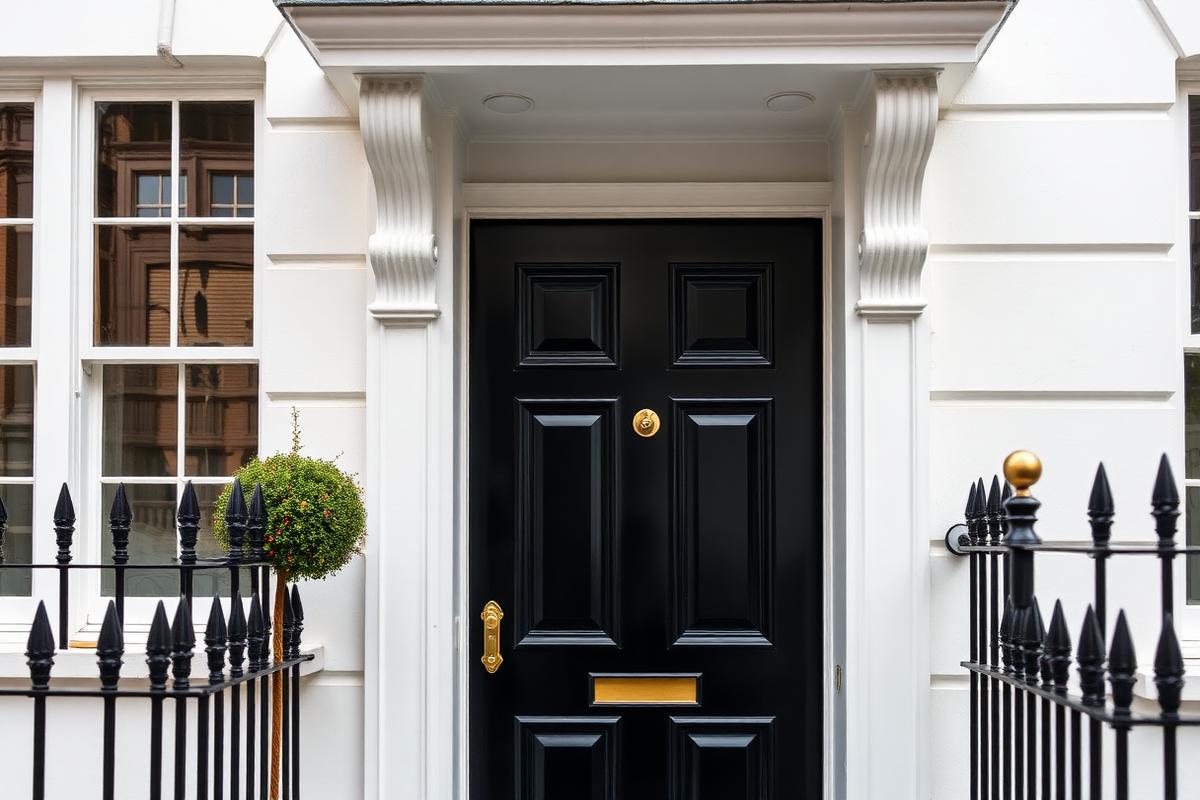
Understanding the cost of living in Hampstead requires more than glancing at property prices. This distinguished corner of North London commands premium rates across every aspect of daily life, from housing and council tax to groceries and entertainment. Our team has assembled a comprehensive guide to help you budget realistically for life in one of the capital's most coveted postcodes, drawing on the latest HM Land Registry data and local market intelligence from years of serving Hampstead residents.
Property Costs: Sales and Rental Prices
According to HM Land Registry Price Paid Data, the median property price in Hampstead stands at £846,750, based on 168 recorded sales. This headline figure masks considerable variation by property type: flats, which account for the majority of transactions (129 sales), command a median price of £750,000, whilst terraced houses typically fetch £1,800,000.
The upper echelons of the Hampstead market demonstrate the area's exceptional appeal to high-net-worth buyers. Semi-detached properties recorded a median price of £4,800,000 across 11 sales, with individual transactions reaching £11,001,000. Detached houses, though rare with only five sales, achieved a median of £4,200,000, with the most expensive exceeding £12.9 million.
For those considering rental accommodation, ONS data reveals monthly costs ranging from £1,325–£2,075 for a studio to £5,550–£8,675 for properties with five or more bedrooms. A two-bedroom flat typically costs between £2,375 and £3,725 per month, whilst three-bedroom properties range from £3,175 to £4,950. These figures place Hampstead firmly among London's most expensive rental markets, reflecting the area's combination of village charm, green spaces, and excellent transport links.
Whether you're exploring [property for sale in Hampstead](/property-for-sale/hampstead) or considering the rental market, budgeting accurately for your monthly housing costs forms the foundation of understanding how expensive is Hampstead compared to other London neighbourhoods.
Hampstead Council Tax and Local Authority Charges
Hampstead falls within the London Borough of Camden, where Hampstead council tax rates for 2024/25 range from £942.29 for Band A properties to £2,826.87 for Band H (excluding the Greater London Authority precept). Most period properties and larger flats in Hampstead village sit in Bands E through H, meaning annual bills between £1,884.58 and £2,826.87 before adding the GLA charge of approximately £434.94.
Compared to outer London boroughs, Camden's rates sit in the mid-to-upper range, though residents benefit from the council's comprehensive services, including excellent waste collection, street cleaning across the Heath's perimeter, and well-maintained public spaces. The premium location brings corresponding service expectations that Camden generally meets.
For those purchasing leasehold flats—the predominant property type in central Hampstead—understanding the full cost picture requires examining service charges alongside council tax. We regularly encounter service charges ranging from £3,000 to £8,000 annually for standard purpose-built blocks, with luxury developments and mansion blocks commanding £10,000 to £25,000 or more. These charges typically cover building insurance, communal area maintenance, porter services, gardens, and lift maintenance.

Hampstead Service Charges: What to Expect
When evaluating the cost of living in Hampstead, service charges deserve particular scrutiny. Period conversions in Hampstead village frequently operate under more informal management arrangements, where charges might remain modest (£2,000–£4,000 annually) but reserve funds may prove inadequate for major works. Conversely, modern developments with concierge services, gyms, and underground parking can easily exceed £15,000 per annum for larger apartments.
Our team always advises prospective buyers to request at least three years of service charge accounts alongside the Section 20 consultation history. Properties with aging lifts, older boilers, or deferred exterior maintenance often face substantial one-off levies. We've observed single assessments exceeding £50,000 per flat for major refurbishments in larger mansion blocks, though developers typically spread costs across multiple years.
Ground rent, whilst often nominal (£100–£500 annually) for older leases, has become contentious in newer developments. Fortunately, most established Hampstead properties feature traditional lease structures with fixed or modest ground rents. Lease length matters significantly: flats with sub-80-year leases require costly extensions, and mortgage lenders impose stricter criteria as terms shorten.
Beyond service charges, leaseholders should budget for buildings insurance (usually included in service charges), contents insurance (£200–£600 annually for comprehensive cover), and potential major works contributions. When viewing [properties in Hampstead](/estate-agents/hampstead), we ensure clients understand these ongoing liabilities alongside the purchase price.
Talk to Seymont
What's your home worth?
A considered view on price, timing and how to bring your London home to market — a personal reply within 24 hours.
Your property
Step 1 of 2Daily Living Costs: Shopping, Dining and Transport
Hampstead village's independent retailers and cafés contribute significantly to its character—and to monthly expenditure. Weekly grocery shopping at the local Waitrose or independent butchers and delis typically costs 15–25% more than supermarket equivalents in outer London. A basic coffee in Hampstead village averages £3.50–£4.50, whilst restaurant mains at the area's well-regarded establishments start around £18–£28.
The thriving pub culture, with historic establishments clustered around Hampstead village and [pubs in Hampstead](https://seymont.co.uk) offering everything from casual lunches to refined dining, means socialising locally proves convenient but costly. A couple dining out weekly with occasional drinks can easily spend £400–£600 monthly, before considering the area's wine bars and gastropubs.
Transport costs depend largely on commuting patterns. Hampstead tube station (Northern Line) provides excellent connectivity to the City and West End, with Zone 2 annual travel cards costing approximately £1,472 (2024/25 rates). Many residents maintain vehicles despite excellent public transport, with parking permits in controlled zones costing £187.25 for the first vehicle, rising to £299.60 for a second car. Petrol stations in the immediate area charge premium prices, typically 3–7p per litre above the London average.
Residents walking the Heath or using local tennis courts enjoy free recreation, though many Hampstead households budget £150–£300 monthly for gym memberships, personal training, or boutique fitness studios concentrated around Hampstead High Street and Rosslyn Hill.
Education and Family Costs
Hampstead's appeal to families stems partly from excellent state provision, with several outstanding primary schools and Hampstead School serving secondary pupils. However, competition for places remains fierce, and many families choose independent education. Day school fees in North London range from approximately £18,000 to £28,000 per annum for senior schools, with additional costs for uniforms, trips, and extracurricular activities easily adding £3,000–£5,000 per child annually.
Childcare costs before school age prove equally substantial. Full-time nursery places in Hampstead typically cost £1,800–£2,400 monthly, with after-school clubs, holiday camps, and nannies representing significant line items for dual-income families. Even with government-funded hours for three- and four-year-olds, wraparound care and premium provision mean most families with young children budget £1,500–£3,000 monthly for childcare.
The combination of education costs and housing expenses makes Hampstead particularly demanding for young families, though the area's safety, green spaces, and community atmosphere justify the premium for many households. Those exploring [house prices in Hampstead](/house-prices/hampstead) with school-age children should model education costs alongside mortgage or rental commitments to ensure sustainable budgets.
Is Hampstead Worth the Premium?
Assessing whether Hampstead justifies its elevated costs depends entirely on individual priorities and financial capacity. The area offers unparalleled access to Hampstead Heath's 791 acres, genuine village atmosphere within Zone 2, architectural distinction spanning Georgian townhouses to contemporary developments, and a cultural heritage few London neighbourhoods match.
Property values have demonstrated resilience through multiple market cycles, with Hampstead's scarcity value—constrained by the Heath and conservation areas—supporting long-term appreciation. For buyers treating property as wealth preservation rather than pure investment, Hampstead's stability proves attractive. Those considering letting their property benefit from strong tenant demand; our [lettings service](/let-your-property/hampstead) consistently achieves swift lets at premium rents reflecting the area's enduring appeal.
The intangible benefits resist easy quantification: walking to local restaurants and pubs, Sunday mornings on the Heath, the genuine community spirit in Hampstead village, and the cachet of a NW3 address all contribute to quality of life in ways that transcend financial analysis. For those who can comfortably afford Hampstead's costs without stretching, the area rewards residents with one of London's most distinctive living experiences.
Ultimately, Hampstead suits households where housing costs represent a manageable proportion of income—generally 30–35% or less—leaving adequate margin for the area's elevated daily expenses. Those meeting this threshold typically find the premium worthwhile; those stretching financially may discover the ongoing costs diminish rather than enhance their London experience.
Talk to Seymont
What's your home worth?
A considered view on price, timing and how to bring your London home to market — a personal reply within 24 hours.
Your property
Step 1 of 2About the author
Amara BennettProperty Market Analyst
Amara spent seven years as a market analyst at Kestrel Lane Research, a small London property consultancy, before joining our editorial desk. She reads sold-price and rental data street by street to explain how individual London postcode districts actually behave, and reviews every price figure we publish. Her focus is separating headline national averages from what a specific address is worth today.
MSc Real Estate Economics · Seven years in property market research
- Valuations
- Local market data
- Sold prices
- Pricing strategy
Frequently asked
- What is the average house price in Hampstead?
- According to HM Land Registry data, the median property price in Hampstead is £846,750. However, this varies significantly by property type: flats have a median price of £750,000, terraced houses £1,800,000, semi-detached properties £4,800,000, and detached houses £4,200,000. The market spans from sub-£200,000 small flats to properties exceeding £12 million.
- How much is council tax in Hampstead?
- Hampstead falls within Camden Council's jurisdiction, where council tax for 2024/25 ranges from £942.29 (Band A) to £2,826.87 (Band H), plus the Greater London Authority precept of approximately £434.94. Most Hampstead properties sit in higher bands (E-H), meaning typical annual bills of £2,000–£3,300 including the GLA charge.
- What are typical service charges for flats in Hampstead?
- Service charges vary considerably depending on the building and amenities provided. Standard purpose-built blocks typically charge £3,000–£8,000 annually, whilst luxury developments with concierge, gyms, and extensive communal facilities can exceed £15,000–£25,000 per year. Always review at least three years of accounts and check for planned major works before purchasing.
- How much does it cost to rent in Hampstead?
- Based on ONS data, rental costs in Hampstead range from £1,325–£2,075 monthly for a studio to £5,550–£8,675 for five-bedroom properties. Two-bedroom flats typically cost £2,375–£3,725 per month, whilst three-bedroom properties range from £3,175–£4,950. These figures place Hampstead among London's most expensive rental markets.
- Is Hampstead more expensive than other areas of London?
- Yes, Hampstead consistently ranks among London's most expensive neighbourhoods, comparable to areas like Kensington, Chelsea, and Notting Hill. Property prices sit well above both the Camden and London-wide averages, whilst daily living costs—from groceries to dining—typically run 15–30% higher than outer London equivalents. The premium reflects Hampstead's unique combination of village character, proximity to the Heath, architectural heritage, and Zone 2 location.