Journal
The Cost of Living in Barnes
Written by Nina Castellano · Investment Property Advisor
Published 25 January 2026 · Updated 16 May 2026 · 6 min read
The short answer
Barnes has long been regarded as one of London's most desirable villages, where riverside charm meets exceptional schools and village-green living. Understanding the cost of living in Barnes is essential for anyone considering a move to this SW13 enclave, whether you're looking to buy, rent, or simply curious about what life here entails.
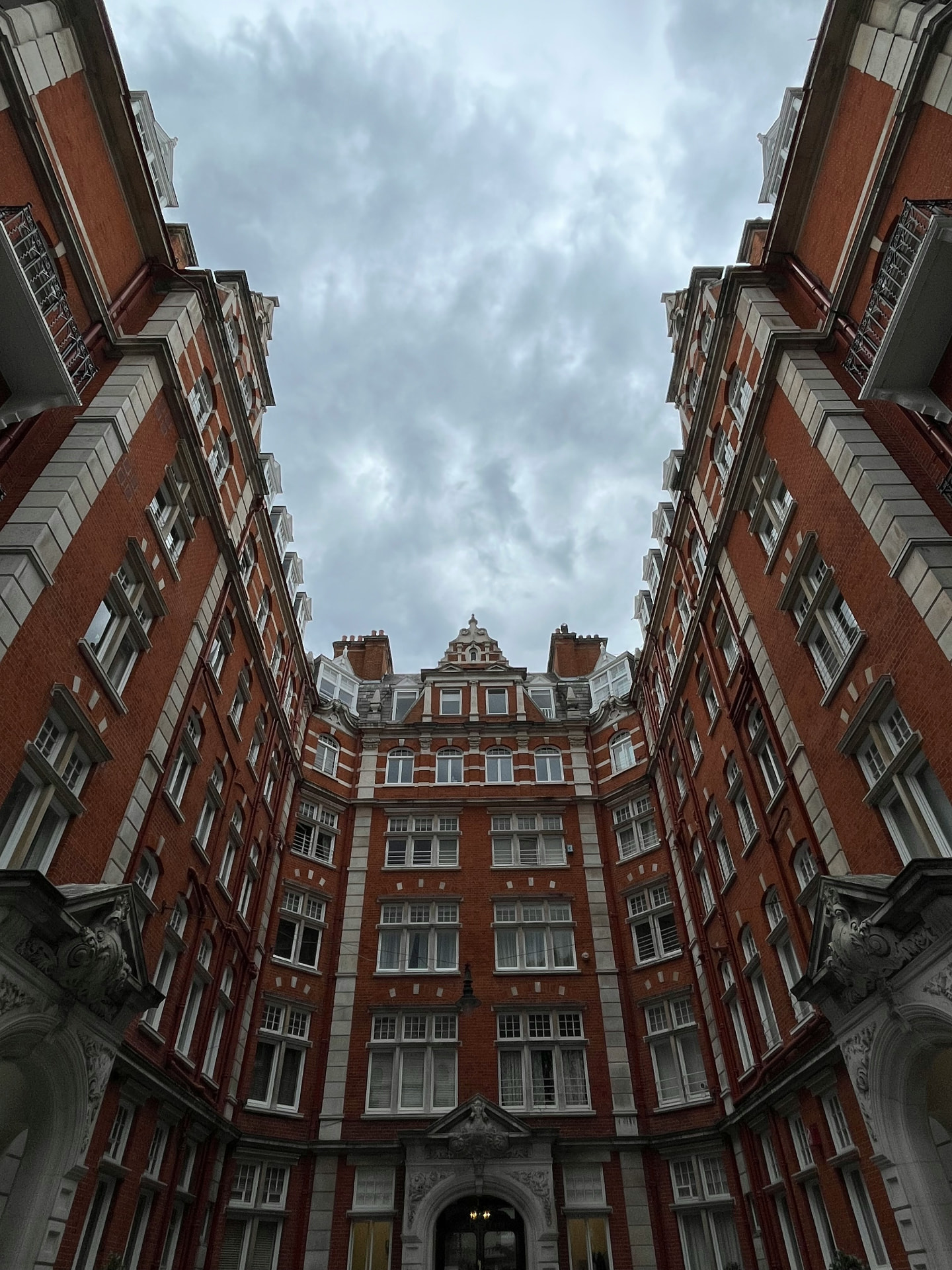
Barnes has long been regarded as one of London's most desirable villages, where riverside charm meets exceptional schools and village-green living. Understanding the cost of living in Barnes is essential for anyone considering a move to this SW13 enclave, whether you're looking to buy, rent, or simply curious about what life here entails. From property prices and Barnes council tax to the daily expenses that shape life in this sought-after corner of southwest London, we've compiled a comprehensive guide to help you understand the financial realities of calling Barnes home.
Property Purchase Prices in Barnes
According to HM Land Registry data, the median property price in Barnes stands at £955,000, reflecting the area's status as one of London's premium residential locations. This figure, however, masks considerable variation depending on property type and location within the village.
Flats represent the most accessible entry point to the Barnes property market, with a median price of £650,000 based on recent sales data. These range from compact conversions starting around £329,400 to spacious lateral apartments commanding upwards of £1,200,000. Terraced houses, the quintessential Barnes home, achieve a median of £1,005,000, with Victorian and Edwardian terraces near Barnes Pond and the railway station proving particularly sought-after. Sales in this category have ranged from £564,550 to £1,950,000, depending on condition, garden size, and proximity to the village centre.
For those seeking more substantial family homes, semi-detached properties command a median price of £2,650,000, whilst detached houses represent the pinnacle of the Barnes market at a median of £3,270,000. The village's tree-lined roads between Barnes Common and the Thames have witnessed sales reaching £5,950,000 for detached family residences with generous gardens. Our team at [Seymont's Barnes office](/estate-agents/barnes) has observed consistent demand across all property types, with particular competition for family homes within the catchment areas of Barnes' outstanding primary schools.
Those exploring [property for sale in Barnes](/property-for-sale/barnes) should be prepared for a competitive market where well-presented homes often attract multiple offers, particularly during the spring and autumn buying seasons when families look to secure places before the academic year.
Rental Market and Monthly Costs
The rental market in Barnes reflects the area's desirability, with costs varying significantly according to property size and specification. ONS data reveals that studios typically rent for between £1,500 and £2,325 per calendar month, offering a more affordable route into the Barnes lifestyle for young professionals or those working from home who value the village atmosphere.
One-bedroom flats command monthly rents ranging from £1,975 to £3,075, whilst two-bedroom properties—the most sought-after rental category in Barnes—achieve between £2,700 and £4,200 per month. These properties are particularly popular with couples and young families who wish to establish themselves in the area before purchasing, or professionals who value Barnes' excellent transport links into central London and the West End.
Family-sized rental properties represent a significant monthly commitment. Three-bedroom houses typically range from £3,600 to £5,600 per month, four-bedroom properties from £4,800 to £7,475, and five-bedroom houses from £6,275 to £9,825. The upper end of these ranges typically features period houses with gardens, modern kitchens, and proximity to Barnes Village or the riverside. Landlords considering whether to [let their property in Barnes](/let-your-property/barnes) should note that well-maintained homes with outdoor space and parking consistently achieve premium rents with minimal void periods.
When budgeting for rental accommodation in Barnes, prospective tenants should factor in additional costs beyond the monthly rent, including a deposit equivalent to five weeks' rent, potential agency fees for tenant referencing, and the cost of utilities and council tax, which we explore in detail below.
Barnes Council Tax and Service Charges
Barnes falls within the London Borough of Richmond upon Thames, which sets annual Barnes council tax rates across eight property bands. For the 2024/25 financial year, Band D properties—the benchmark band—pay £2,098.26 annually, which sits below the London average and represents reasonable value given the borough's excellent services, schools, and green spaces.
Most Barnes properties fall within Bands E, F, G, and H, reflecting the area's predominantly higher-value housing stock. Band E properties pay £2,565.34 annually, Band F properties £2,968.59, Band G properties £3,371.85, and Band H properties £4,046.22. Even at the higher bands, many residents consider Barnes council tax rates competitive when weighed against the quality of local amenities, refuse collection services, and the borough's commitment to maintaining Barnes' village character and green spaces.
Service charges represent an additional consideration for flat owners and leaseholders, though these vary enormously depending on the development and facilities provided. Purpose-built blocks with porters, lifts, communal gardens, and underground parking typically levy annual service charges ranging from £2,500 to £6,000, whilst mansion blocks with more extensive facilities can exceed £8,000 annually. Period conversions without extensive communal facilities generally incur more modest charges of £1,200 to £2,500 per annum.
When evaluating how expensive is Barnes compared to other prime southwest London villages, it's worth noting that whilst purchase prices and rents sit at premium levels, the combination of council tax rates, access to outstanding state schools (reducing private education costs), and the village's walkability (potentially eliminating second-car expenses) can make the overall cost of living more competitive than initial property prices suggest.
Talk to Seymont
What's your home worth?
A considered view on price, timing and how to bring your London home to market — a personal reply within 24 hours.
Your property
Step 1 of 2Day-to-Day Living Expenses in Barnes
Beyond housing costs, Barnes offers a distinctive retail and dining landscape that shapes daily expenditure. The village centre along Church Road and Barnes High Street features independent butchers, fishmongers, delis, and farm shops where quality comes at a premium compared to supermarket alternatives. A weekly shop for a family of four from Barnes' specialist food retailers typically costs 20-30% more than equivalent items from larger supermarkets, though many residents value the quality, provenance, and village-supporting ethos these businesses represent.
Dining and socialising in Barnes reflects the area's affluent demographic. Coffee shops charge £3.50-£4.50 for artisan coffees, whilst the village's well-regarded restaurants and gastropubs see main courses ranging from £18 to £35. The riverside pubs, including the iconic Bull's Head jazz venue, offer more casual dining at slightly lower price points. For families, children's activities—from tennis coaching at Barnes Sports Club to drama classes and music tuition—typically cost £15-£35 per session, contributing to monthly extracurricular budgets that can easily reach £300-£500 for active households.
Transport costs vary considerably depending on commuting patterns. Barnes Station provides direct services to Waterloo in approximately 20 minutes, with annual season tickets costing around £2,000. Many residents cycle into central London, utilising the Thames Path, which eliminates daily transport costs whilst providing exercise. Parking permits for residents cost £140 for the first vehicle and £210 for a second, which represents excellent value compared to many inner London boroughs. Those requiring vehicles should factor in Barnes' relatively narrow Victorian streets, where off-street parking adds significant value to properties.
Healthcare, schools, and childcare represent further considerations. Whilst Barnes benefits from several outstanding state primary schools (eliminating private school fees for many families), nursery provision costs £60-£85 per day for full-time care. The village is well-served by NHS GP practices, though many residents opt for private healthcare, with family policies typically costing £150-£300 monthly depending on coverage levels.
Is Barnes Worth the Investment?
When assessing how expensive is Barnes in the context of London's premium residential areas, the village consistently demonstrates its value proposition through a combination of factors that transcend simple price comparisons. The area's village character, extensive green spaces including Barnes Common and the Wetland Centre, riverside location, and outstanding transport links create a lifestyle that many residents consider priceless.
From an investment perspective, Barnes has demonstrated remarkable resilience across property cycles. Our team has observed that well-maintained period properties in prime village locations have consistently appreciated over medium to long-term holding periods, with the area's fundamental attractions—riverside setting, village atmosphere, excellent schools, and convenient commuting—remaining constant drivers of demand. The limited housing stock, conservation area protections, and high proportion of family homes mean that quality properties rarely remain on the market for extended periods.
For detailed analysis of property value trends in the area, our comprehensive guide to [Barnes house prices](/house-prices/barnes) provides granular data on price movements across different property types and village micro-locations, helping prospective buyers and investors make informed decisions.
Ultimately, the cost of living in Barnes reflects a conscious choice to prioritise quality of life, community atmosphere, and family-friendly amenities within a London postcode. Whilst the financial commitment is substantial, the village's enduring popularity suggests that for many households, the Barnes lifestyle justifies the premium, offering a rare combination of urban convenience and village tranquillity that few London locations can match.
Talk to Seymont
What's your home worth?
A considered view on price, timing and how to bring your London home to market — a personal reply within 24 hours.
Your property
Step 1 of 2About the author
Nina CastellanoInvestment Property Advisor
Nina advises landlords and investors on rental yields, tenant demand and portfolio structure across Greater London, after running lettings and management at Bellhouse Property Partners. She has overseen single units and multi-property portfolios, and works through compliance, void periods and running costs before a purchase is agreed. Her articles deal with the numbers behind a buy-to-let rather than the headline gross yield.
Lettings and portfolio management · 9 years in London rentals
- Buy-to-let
- Rental yields
- Portfolio strategy
- Landlord compliance
Frequently asked
- What is the average council tax in Barnes?
- Barnes council tax is set by the London Borough of Richmond upon Thames. For 2024/25, Band D properties pay £2,098.26 annually, with most Barnes properties falling into higher bands: Band E costs £2,565.34, Band F £2,968.59, Band G £3,371.85, and Band H £4,046.22 per year. These rates are competitive compared to many London boroughs, particularly given Richmond's excellent services and schools.
- How much does it cost to rent a family home in Barnes?
- According to ONS data, rental costs for family homes in Barnes vary by size. Three-bedroom properties typically rent for £3,600 to £5,600 per month, four-bedroom homes range from £4,800 to £7,475 monthly, and five-bedroom houses command £6,275 to £9,825 per month. Properties at the higher end typically feature period character, gardens, and prime village locations.
- What is the median house price in Barnes?
- HM Land Registry data shows the median property price in Barnes is £955,000. However, this varies significantly by property type: flats have a median of £650,000, terraced houses £1,005,000, semi-detached properties £2,650,000, and detached houses £3,270,000. Individual sales range from approximately £329,400 for flats to £5,950,000 for substantial detached family homes.
- Are service charges expensive for flats in Barnes?
- Barnes service charges vary considerably depending on the development and facilities provided. Purpose-built blocks with lifts, porters, and communal gardens typically levy £2,500 to £6,000 annually, whilst developments with extensive facilities can exceed £8,000 per year. Period conversions without significant communal amenities generally incur more modest charges of £1,200 to £2,500 annually.
- Is Barnes more expensive than other southwest London villages?
- Barnes sits among the most expensive southwest London villages, with property prices broadly comparable to areas like Richmond, Chiswick, and Putney. However, the combination of riverside location, Barnes Common, outstanding state schools, village atmosphere, and excellent transport links into central London means many residents consider the premium worthwhile. Council tax rates in Richmond borough are also competitive compared to neighbouring areas, which can offset higher property costs over time.