Journal
Chelsea Property Market Report: Trends, Prices and Investment Insights
Written by Nina Castellano · Investment Property Advisor
Published 9 January 2026 · Updated 21 June 2026 · 7 min read
The short answer
The Chelsea property market remains one of London's most prestigious and resilient, characterising the enduring appeal of this historic riverside borough. Our team has analysed the latest data from HM Land Registry to provide a comprehensive overview of current pricing, transaction volumes and emerging trends across SW3 and SW10.
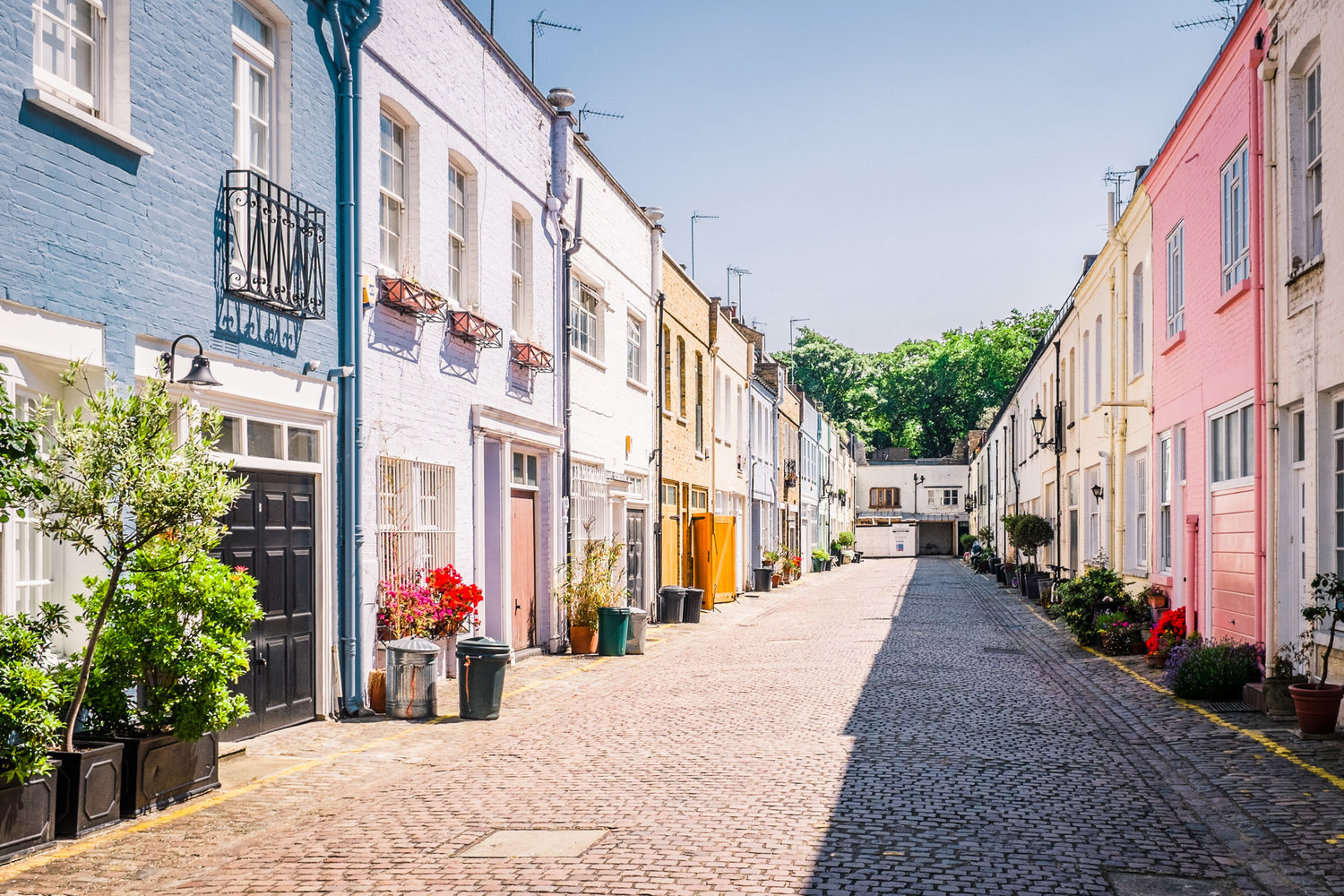
The Chelsea property market remains one of London's most prestigious and resilient, characterising the enduring appeal of this historic riverside borough. Our team has analysed the latest data from HM Land Registry to provide a comprehensive overview of current pricing, transaction volumes and emerging trends across SW3 and SW10. With a median property price of £940,000 based on 162 recent sales, Chelsea continues to attract discerning buyers seeking the blend of cultural heritage, architectural distinction and riverside living that defines this corner of the Royal Borough of Kensington and Chelsea. Whether you're considering a lateral apartment overlooking the Thames or a Georgian townhouse near Sloane Square, understanding the nuances of the local market is essential.
Current Chelsea Housing Market Overview
The Chelsea housing market has recorded 162 property transactions in the most recent data period, with flats representing the dominant segment at 122 sales. According to HM Land Registry Price Paid Data, the median transaction value stands at £940,000, though this figure masks considerable variation across property types and micro-locations within the area.
Flats command a median price of £750,000, with individual sales ranging from £22,750 to £5,170,000, reflecting everything from compact studios to expansive lateral apartments in mansion blocks along the Embankment and around Cadogan Square. Terraced houses, the architectural hallmark of Chelsea's most coveted streets, achieve a median of £3,050,000, with transactions spanning £1,225,000 to an exceptional £23,000,000 for the finest examples.
Semi-detached properties represent the rarest commodity in Chelsea, with just four recorded sales at a median of £16,475,000. These substantial family homes, typically found on the wider streets between King's Road and the river, exemplify the premium commanded by Chelsea's most exclusive residential pockets. The 'other' category, encompassing commercial conversions and mixed-use properties, recorded nine transactions with a median of £1,200,000.
Our experience across Chelsea confirms that location specificity matters enormously. Properties within walking distance of Sloane Square, those overlooking communal garden squares, and homes with river aspects consistently outperform the median figures. The area's enduring cachet stems from its unique position as both a historic London village and a contemporary cultural destination.
Chelsea Price Trends by Property Type
Examining the Chelsea price trend data reveals distinct patterns across the property hierarchy. The apartment market demonstrates remarkable breadth, serving everyone from young professionals entering the Chelsea postcodes to international buyers seeking prestigious London addresses. Our team observes that purpose-built mansion blocks—particularly those constructed during the Edwardian era around Sloane Avenue and Draycott Avenue—maintain consistent appeal.
The terraced house segment represents Chelsea's blue-chip residential offering. Streets radiating from the King's Road, the historic thoroughfare connecting Sloane Square to World's End, host much of this stock. The £1,000,000+ price differential between flats and terraced properties reflects not merely additional square footage but the scarcity value of lateral living space, private outdoor areas and, crucially, freehold tenure in an area where most apartments are leasehold.
Conversion properties warrant particular attention in Chelsea. Many Victorian and Edwardian buildings have been reimagined as contemporary residences, occasionally appearing in the 'other' category when sales complete during or immediately after conversion. These properties often blend period features with modern specification, appealing to buyers seeking character without compromising on amenity.
Seasonal variation affects the Chelsea market less dramatically than outer London boroughs, though our team notices traditional quieter periods around August and December. The presence of international buyers, many with limited school-term constraints, contributes to year-round activity levels that smaller markets cannot sustain.
Rental Market Analysis: What Tenants Pay in Chelsea
ONS rental data provides insight into Chelsea's lettings market, where tenant demand remains robust across all property sizes. Studio apartments command monthly rents between £1,475 and £2,300, attracting young professionals and those seeking a prestigious SW3 or SW10 address as a foothold in prime central London.
One-bedroom properties range from £1,950 to £3,050 per calendar month, with premium examples in portered mansion blocks or modern developments like Chelsea Barracks achieving the upper end. Two-bedroom apartments, the most liquid segment of the lettings market, span £2,650 to £4,150 monthly. These properties particularly appeal to professional couples and small families prioritising location over space.
Family-sized accommodation commands corresponding premiums: three-bedroom properties rent for £3,550 to £5,525, four-bedroom homes for £4,725 to £7,375, and five-bedroom-plus properties from £6,200 to £9,675 monthly. The upper rental brackets typically feature houses rather than flats, often with private gardens—a rarity in central London that justifies significant premium over apartment equivalents.
We observe that rental yields in Chelsea are characteristically modest compared to less central locations, with many landlords accepting lower percentage returns in exchange for capital security and tenant quality. The area's reputation attracts reliable, often corporate-backed tenants, reducing void periods and management complications. For investors considering the question "is Chelsea a good investment," rental income should be viewed as supplementary to long-term capital appreciation potential rather than as a primary yield-focused strategy.
Talk to Seymont
What's your home worth?
A considered view on price, timing and how to bring your London home to market — a personal reply within 24 hours.
Your property
Step 1 of 2Is Chelsea a Good Investment? Market Fundamentals
Evaluating whether Chelsea represents sound investment requires examining factors beyond pure price movements. The area's fundamentals remain exceptional: Zone 1 location, multiple transport links via Sloane Square and South Kensington stations, world-class cultural institutions including the Saatchi Gallery and Royal Court Theatre, and the retail and dining ecosystem along King's Road and Pavilion Road.
Chelsea's resilience through economic cycles stems partly from supply constraints. The Royal Hospital Chelsea grounds, the Thames foreshore, and conservation area protections limit development potential, ensuring scarcity of new stock. When prime central London softens, Chelsea typically demonstrates defensive characteristics; when markets rally, established demand ensures participation in upward movements.
The demographic profile supports investment fundamentals. Chelsea attracts an international buyer base alongside established British wealth, creating demand diversity that insulates against single-market downturns. The presence of premier educational institutions, private medical facilities and professional services within the immediate area addresses lifestyle requirements for target purchasers.
Our team recognises that investment suitability varies by individual circumstance and timeframe. For those seeking ten-year-plus capital growth in a location with enduring prestige, Chelsea merits serious consideration. Shorter-term investors or yield-focused strategies may find better alignment elsewhere in London. The key advantage Chelsea offers is proven, multi-generational appeal—a characteristic that cannot be manufactured and which sustains value through market variations.
Neighbourhood Highlights: What Makes Chelsea Distinctive
Beyond the data, Chelsea's market strength derives from its distinctive character. The area successfully bridges heritage and contemporary living—Georgian and Victorian architecture houses modern interiors, while cutting-edge restaurants in Chelsea sit comfortably alongside traditional establishments. This duality appeals to buyers seeking both the gravitas of an established London address and the vibrancy of an evolving cultural quarter.
The Royal Hospital Chelsea, Sir Christopher Wren's masterpiece and home to the Chelsea Pensioners, anchors the eastern reaches of the area, while the annual Chelsea Flower Show transforms the hospital grounds each May into the world's premier horticultural event. Such traditions contribute to Chelsea's identity as a place where London's institutional memory remains tangible.
Chelsea Barracks, the substantial redevelopment transforming the former military site into a residential quarter, represents the area's most significant recent evolution. This Qatari Diar project introduces contemporary architecture and amenities whilst respecting Chelsea's established character, demonstrating how even this historically protected area continues to develop thoughtfully.
The Chelsea Arts Club on Old Church Street and the concentration of galleries and creative businesses maintain the bohemian heritage that once attracted writers, artists and intellectuals. Today's Chelsea balances this artistic legacy with its reputation as a residential address for business leaders, established professionals and international families seeking London's finest postcodes. Our experience suggests buyers are drawn precisely to this complexity—the sense of living somewhere with genuine identity rather than in a merely affluent but characterless district.
Working with Chelsea Estate Agents: Our Local Expertise
Navigating the Chelsea property market benefits significantly from specialist local knowledge. Street-by-street variation in pricing, the importance of specific building pedigrees, and awareness of upcoming developments all influence purchasing and selling strategies. Our team's focus on Chelsea enables us to advise on the nuances that generic platforms and area-generalist agencies may overlook.
For sellers, understanding how to position a Chelsea property requires insight into current buyer priorities. International purchasers may prioritise different features than domestic buyers; families focus on school catchments and garden access; downsizers seek exceptional lateral space and lift access. Effective marketing strategy addresses these varied requirements whilst highlighting the specific attributes that differentiate individual properties in this competitive market.
Buyers benefit from guidance on Chelsea's micro-markets. The streets between King's Road and the river offer different characteristics than those north of the King's Road approaching Knightsbridge. Properties near Sloane Square command premiums for transport connectivity, whilst World's End attracts those seeking marginally better value without sacrificing the SW3 postcode. Our role involves matching client requirements to the specific Chelsea sub-markets where their priorities align with available stock and budget.
Whether you're exploring [property for sale in Chelsea](/property-for-sale/chelsea), investigating [house prices across the area](/house-prices/chelsea), or considering whether to [let your Chelsea property](/let-your-property/chelsea), working with [estate agents who specialise in Chelsea](/estate-agents/chelsea) provides access to off-market opportunities, realistic pricing guidance and transaction management expertise that protects your interests throughout the process.

Talk to Seymont
What's your home worth?
A considered view on price, timing and how to bring your London home to market — a personal reply within 24 hours.
Your property
Step 1 of 2About the author
Nina CastellanoInvestment Property Advisor
Nina advises landlords and investors on rental yields, tenant demand and portfolio structure across Greater London, after running lettings and management at Bellhouse Property Partners. She has overseen single units and multi-property portfolios, and works through compliance, void periods and running costs before a purchase is agreed. Her articles deal with the numbers behind a buy-to-let rather than the headline gross yield.
Lettings and portfolio management · 9 years in London rentals
- Buy-to-let
- Rental yields
- Portfolio strategy
- Landlord compliance
Frequently asked
- What is the average property price in Chelsea?
- Based on HM Land Registry data, the median property price in Chelsea is £940,000 across all property types. However, this figure varies significantly by property type: flats have a median of £750,000, terraced houses £3,050,000, and semi-detached properties £16,475,000. The wide range reflects Chelsea's diverse housing stock, from compact apartments to substantial townhouses and riverside mansions.
- How much does it cost to rent in Chelsea?
- According to ONS data, rental costs in Chelsea vary by property size. Studio apartments range from £1,475 to £2,300 per month, one-bedroom properties from £1,950 to £3,050, two-bedroom from £2,650 to £4,150, three-bedroom from £3,550 to £5,525, four-bedroom from £4,725 to £7,375, and five-bedroom-plus properties from £6,200 to £9,675 monthly. Premium developments and period houses with gardens command the upper end of these ranges.
- Is Chelsea a good area to invest in property?
- Chelsea offers strong investment fundamentals for long-term capital growth. The area benefits from severe supply constraints due to conservation protections and the Thames boundary, Zone 1 location, exceptional transport links, world-class amenities, and consistent demand from both domestic and international buyers. While rental yields are modest compared to outer London, Chelsea's established prestige and multi-generational appeal provide defensive characteristics during market downturns and participation in upward cycles.
- What types of properties are most common in Chelsea?
- Flats represent the most common property type in Chelsea, accounting for 122 of 162 recent transactions according to HM Land Registry data. These range from period conversions in Victorian mansion blocks to modern apartments in developments like Chelsea Barracks. Terraced houses are the next most common at 27 sales, typically Georgian and Victorian townhouses along Chelsea's prestigious streets. Semi-detached properties are rare, with only four recorded sales, making them among Chelsea's most exclusive residential offerings.
- Which are the best streets to live on in Chelsea?
- The most prestigious Chelsea streets include those around Sloane Square for transport connectivity, roads between King's Road and the Thames for riverside proximity, and addresses surrounding private garden squares such as Cadogan Square and Carlyle Square. Streets near the Royal Hospital Chelsea offer historic character, whilst areas around Pavilion Road and the redeveloped Chelsea Barracks provide contemporary amenities. The 'best' street ultimately depends on individual priorities—whether that's schools, transport, river views, retail access or architectural style.