Journal
Chelsea Area Guide
Written by Thomas Lindqvist · Mortgage & Financing Specialist
Published 12 October 2025 · Updated 22 December 2025 · 6 min read
The short answer
Chelsea stands as one of London's most distinguished addresses, where Georgian terraces meet modern luxury along the Thames. Our Chelsea area guide explores this prestigious SW3 and SW10 enclave, renowned for its royal connections, cultural heritage and exceptional property portfolio.
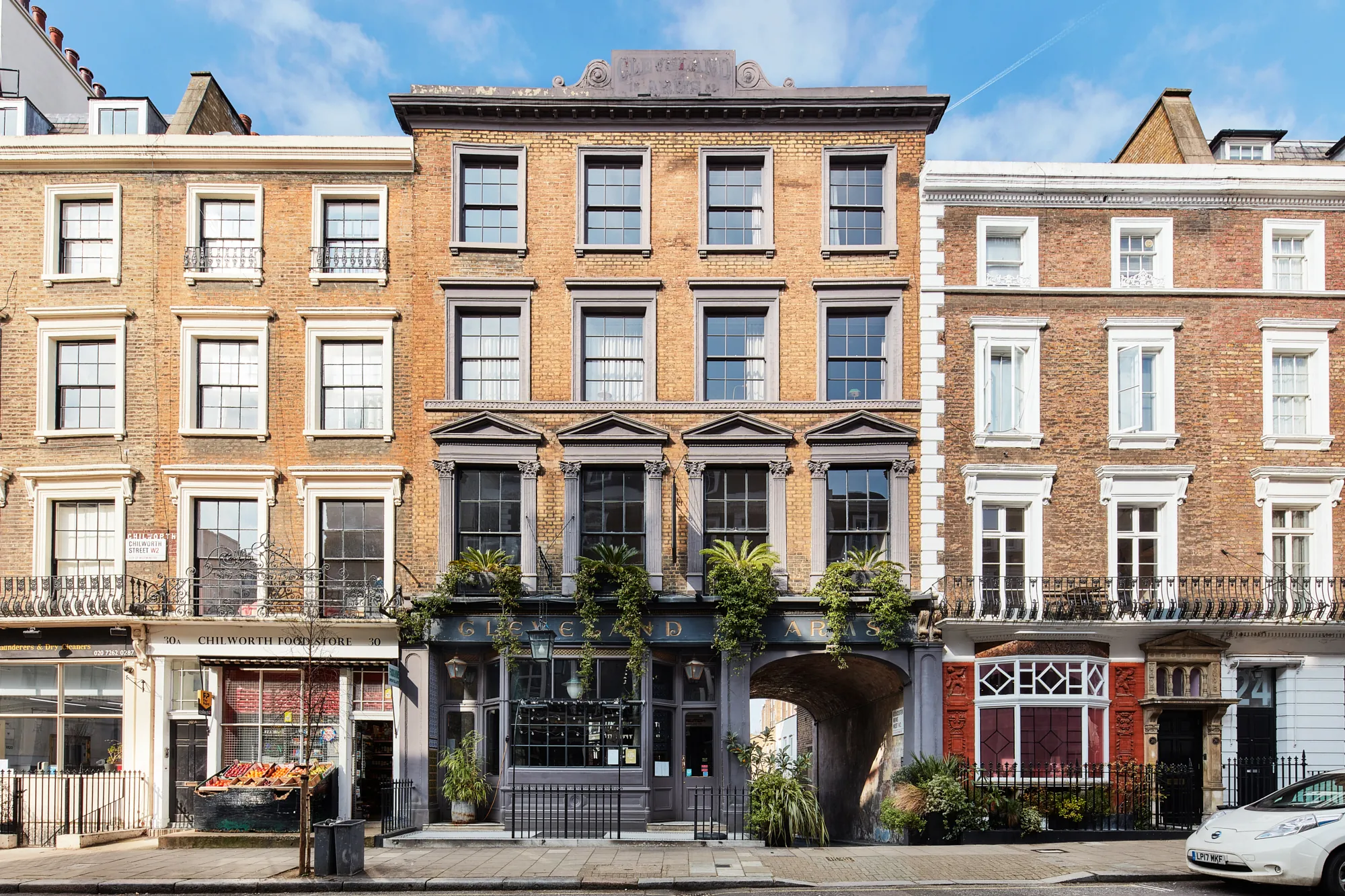
Chelsea stands as one of London's most distinguished addresses, where Georgian terraces meet modern luxury along the Thames. Our Chelsea area guide explores this prestigious SW3 and SW10 enclave, renowned for its royal connections, cultural heritage and exceptional property portfolio. From the verdant expanse of the Royal Hospital Chelsea grounds to the fashionable boutiques of the King's Road, this neighbourhood has captivated discerning residents for centuries. We've assembled insights into what makes Chelsea such an enduring choice for those seeking the finest London living.
Living in Chelsea: Character and Appeal
Chelsea's character is defined by an elegant fusion of history and contemporary sophistication. The area encompasses everything from the riverside tranquillity of Cheyne Walk, where Turner once painted Thames sunsets, to the vibrant energy of Sloane Square. The Royal Hospital Chelsea, Christopher Wren's masterpiece completed in 1692, remains the neighbourhood's architectural centrepiece and home to the iconic Chelsea Pensioners in their scarlet coats.
The transformation of Chelsea Barracks into a new residential quarter by Qatari Diar has introduced exceptional contemporary residences whilst respecting the area's heritage. This development exemplifies how Chelsea UK continues to evolve, balancing conservation with carefully considered modernisation. The neighbourhood's garden squares—many accessible only to residents—provide peaceful green retreats that enhance the area's residential appeal.
Chelsea's cultural credentials extend beyond architecture. The Chelsea Arts Club has nurtured creative talent since 1891, whilst the Saatchi Gallery on the Duke of York's Square brings contemporary art to King's Road. This artistic legacy permeates the area, from independent galleries on Pimlico Road to the annual Chelsea Fringe garden festival.
The demographic profile skews towards professionals, international families and established residents who value Chelsea's combination of central location and village-like atmosphere. Many occupants have chosen Chelsea specifically for its walkability, security and access to London's finest independent schools.
Chelsea Property: Market Insights and Pricing
According to HM Land Registry Price Paid Data, Chelsea recorded 162 property transactions with a median price of £940,000 in the most recent period. This figure encompasses a diverse property portfolio, from converted flats to multi-million-pound townhouses that rank among London's most valuable residential assets.
Flats dominated the market with 122 sales at a median of £750,000, ranging from £22,750 to £5,170,000—the lower end typically representing share transfers or unique circumstances, whilst upper-tier transactions reflect prime lateral apartments with river aspects or garden square access. Terraced houses, quintessentially Chelsea with their stucco facades and period features, achieved a median of £3,050,000 across 27 sales, with the premium segment reaching £23,000,000 for the finest examples on Chelsea's most coveted streets.
Semi-detached properties, rare in this densely developed area, commanded a median of £16,475,000 across just four transactions, reflecting the exclusivity of detached or semi-detached houses in Chelsea. The 'other' category, encompassing commercial conversions and mixed-use properties, recorded a median of £1,200,000 across nine sales.
For those exploring [Chelsea property for sale](/property-for-sale/chelsea), the market offers everything from studio apartments to substantial family homes. Investment-grade properties typically feature period details, generous ceiling heights, private outdoor space and proximity to the area's premier garden squares. Our observations suggest that properties within walking distance of Sloane Square or with King's Road frontage command particular premiums.
Rental Market and Residential Demand
Chelsea's rental sector serves a sophisticated tenant base seeking both short-term corporate lettings and long-term family homes. According to ONS data, studio apartments command monthly rents between £1,475 and £2,300, whilst one-bedroom properties range from £1,950 to £3,050 per month—figures that reflect the quality of Chelsea's housing stock and its Zone 1 positioning.
Two-bedroom residences, popular with professional couples and small families, typically rent for £2,650 to £4,150 monthly, whilst three-bedroom properties range from £3,550 to £5,525. Larger family homes show the premium nature of Chelsea residential space: four-bedroom properties command £4,725 to £7,375 monthly, with five-bedroom and larger homes reaching £6,200 to £9,675 per month.
The rental market here differs markedly from other London neighbourhoods. Tenants frequently seek long-term stability, often [renting a house](/let-your-property/chelsea) for multiple years whilst children progress through nearby schools. Corporate relocations, particularly from financial services and international corporations, generate consistent demand for furnished properties with immediate availability.
We've observed that properties offering private gardens, parking (exceptionally valuable in this permit-controlled area) and period features achieve premium rents with minimal void periods. The most sought-after rental properties cluster around the Boltons, Chelsea Square and the streets radiating from Sloane Square, where access to transport, dining and retail is optimised.
Talk to Seymont
What's your home worth?
A considered view on price, timing and how to bring your London home to market — a personal reply within 24 hours.
Your property
Step 1 of 2Chelsea Streets: Shopping, Dining and Lifestyle
King's Road remains Chelsea's commercial spine, though its character has evolved significantly from the 1960s when it epitomised Swinging London. Today's King's Road balances high-street names with independent boutiques, artisan cafés and design showrooms. The Duke of York's Square development hosts weekend markets alongside permanent retailers, creating a destination that draws visitors from across London whilst serving local residents' daily needs.
Restaurants in Chelsea cater to refined palates with establishments ranging from Michelin-starred fine dining to neighbourhood bistros. The Ivy Chelsea Garden, Medlar on King's Road, and Elystan Street (from former Ledbury chef Phil Howard) represent the calibre of dining available within walking distance for residents. Draycott Avenue and Walton Street harbour intimate eateries favoured by locals who value discretion and consistency over publicity.
Sloane Street, forming Chelsea's eastern boundary, delivers luxury retail from international fashion houses, whilst the design trade showrooms of Pimlico Road attract interior designers furnishing some of London's finest homes. This concentration of specialist retailers reflects Chelsea's demographics and the exacting standards residents expect from their neighbourhood services.
For recreation, the Thames Path provides riverside walking and cycling routes, whilst Chelsea Physic Garden offers four acres of botanical sanctuary. Battersea Park, accessible via Albert or Chelsea bridges, extends outdoor options with its boating lake, children's zoo and sporting facilities. The neighbourhood's positioning means residents enjoy both local amenities and rapid access to central London's cultural institutions.
Transport, Schools and Practicalities
Chelsea benefits from multiple Underground stations: Sloane Square (District and Circle lines) provides direct access to Victoria, the West End and the City, whilst South Kensington (District, Circle and Piccadilly) sits on the northern edge. Fulham Broadway to the west serves District line commuters, though many Chelsea residents find themselves equidistant from multiple stations—a luxury in London terms.
Bus networks comprehensively serve Chelsea streets, with routes connecting to Victoria, Knightsbridge, Kensington and beyond. The area's central positioning means many destinations lie within walking or cycling distance, reducing dependence on public transport for daily errands. For motorists, the A3212 (Chelsea Embankment) provides access to central London and the motorway network, though parking remains at a premium and resident permit schemes operate throughout.
Educational provision ranks among Chelsea's strongest attractions for families. The catchment areas for outstanding state primaries are intensely competitive, whilst independent schools including Thomas's Battersea, The Cameron Vale School, and Hill House International Junior School draw families to the area specifically. Secondary options extend to the prestigious London Oratory School and numerous independent institutions in neighbouring Kensington and Fulham.
We frequently advise families consulting our [Chelsea estate agents](/estate-agents/chelsea) team to research school catchments before committing to specific streets, as distances of just a few hundred metres can determine eligibility. Healthcare facilities include Chelsea and Westminster Hospital's A&E department, whilst private medical practices cluster around Sloane Square and the Fulham Road, providing residents with comprehensive provision.
Investment Perspective and Market Outlook
Chelsea's property market has demonstrated remarkable resilience over decades, supported by structural factors that transcend cyclical fluctuations. The area's fixed supply—bounded by the Thames to the south and hemmed by neighbouring prime postcodes—ensures scarcity value, whilst international recognition maintains consistent demand from domestic and overseas buyers alike.
Recent developments including Chelsea Barracks, Chelsea Creek and conversions of institutional buildings have added stock selectively, generally at the premium end where demand remains robust. These schemes have introduced modern specifications—underground parking, concierge services, communal facilities—that appeal to international purchasers whilst the period housing stock continues attracting those valuing heritage and architectural character.
For detailed analysis of pricing trends and comparable evidence, our [house prices in Chelsea](/house-prices/chelsea) resource provides transaction data to inform acquisition decisions. We observe that whilst entry-level prices have moderated from peak levels, prime and super-prime segments—particularly lateral apartments exceeding 2,000 square feet and houses with gardens—demonstrate sustained value.
Chelsea's positioning within central London, combined with its residential character, positions it favourably for long-term appreciation. The neighbourhood lacks the commercial intensity of Mayfair or Knightsbridge, instead offering a genuine residential community with village qualities—increasingly valued as hybrid working patterns establish themselves. Properties that combine period charm with contemporary functionality, ideally with outdoor space and parking, represent the most liquid assets within Chelsea's diverse property portfolio.
Talk to Seymont
What's your home worth?
A considered view on price, timing and how to bring your London home to market — a personal reply within 24 hours.
Your property
Step 1 of 2About the author
Thomas LindqvistMortgage & Financing Specialist
Thomas advised buyers for a decade at Ashgrove Financial, an independent brokerage, on borrowing capacity, product selection and the full cost of a purchase, including stamp duty, legal fees and lender charges. He follows rate decisions and lender criteria changes and translates them into what a household can realistically afford. His guides cover affordability, remortgaging and the closing costs that buyers routinely underestimate.
CeMAP qualified · Whole-of-market mortgage advice background
- Mortgages
- Affordability
- Closing costs
- Remortgaging
Frequently asked
- What is the average property price in Chelsea?
- According to HM Land Registry Price Paid Data, the median property price in Chelsea is £940,000 across all property types. However, this varies significantly by type: flats have a median of £750,000, terraced houses £3,050,000, and semi-detached properties £16,475,000. The market encompasses everything from apartments to multi-million-pound townhouses on the area's most prestigious streets.
- Is Chelsea a good area to live in London?
- Chelsea ranks among London's most desirable residential neighbourhoods, offering an exceptional combination of central location, village atmosphere, cultural amenities and excellent schools. The area features beautiful architecture, riverside walks, garden squares, outstanding restaurants and shopping on King's Road. Its safety, transport connections and international reputation make it particularly attractive to families and professionals seeking premium London living.
- How much does it cost to rent in Chelsea?
- According to ONS data, rental prices in Chelsea range from £1,475–£2,300 monthly for studios, £1,950–£3,050 for one-bedroom properties, £2,650–£4,150 for two bedrooms, and £3,550–£5,525 for three bedrooms. Larger family homes command £4,725–£7,375 for four bedrooms and £6,200–£9,675 for five-plus bedrooms, reflecting the premium nature of Chelsea's rental market.
- What are the best streets to live on in Chelsea?
- Chelsea's most sought-after addresses include Cheyne Walk with its Thames views, the elegant garden squares around Chelsea Square and the Boltons, and the historic streets radiating from Sloane Square. Properties on Cadogan Square, Royal Avenue, and the quieter roads between King's Road and Fulham Road are particularly desirable. The finest streets typically offer period architecture, proximity to garden squares, and excellent access to transport and amenities.
- What is Chelsea famous for?
- Chelsea is renowned for the Royal Hospital Chelsea and its iconic Pensioners, the King's Road's 1960s fashion heritage, the annual Chelsea Flower Show, and its artistic legacy including the Chelsea Arts Club. The area is famous for elegant Georgian and Victorian architecture, proximity to the Thames, world-class restaurants, luxury shopping, and its status as one of London's most prestigious residential addresses attracting international residents and British establishment figures alike.