Journal
Brixton vs Camberwell: Where Should You Live?
Written by Amara Bennett · Property Market Analyst
Published 3 May 2026 · Updated 22 May 2026 · 7 min read
The short answer
The question of Brixton vs Camberwell is one we hear regularly from buyers and renters exploring South London. Both neighbourhoods sit within a couple of miles of each other, both offer excellent transport links into Central London, and both have undergone significant transformation over the past two decades.
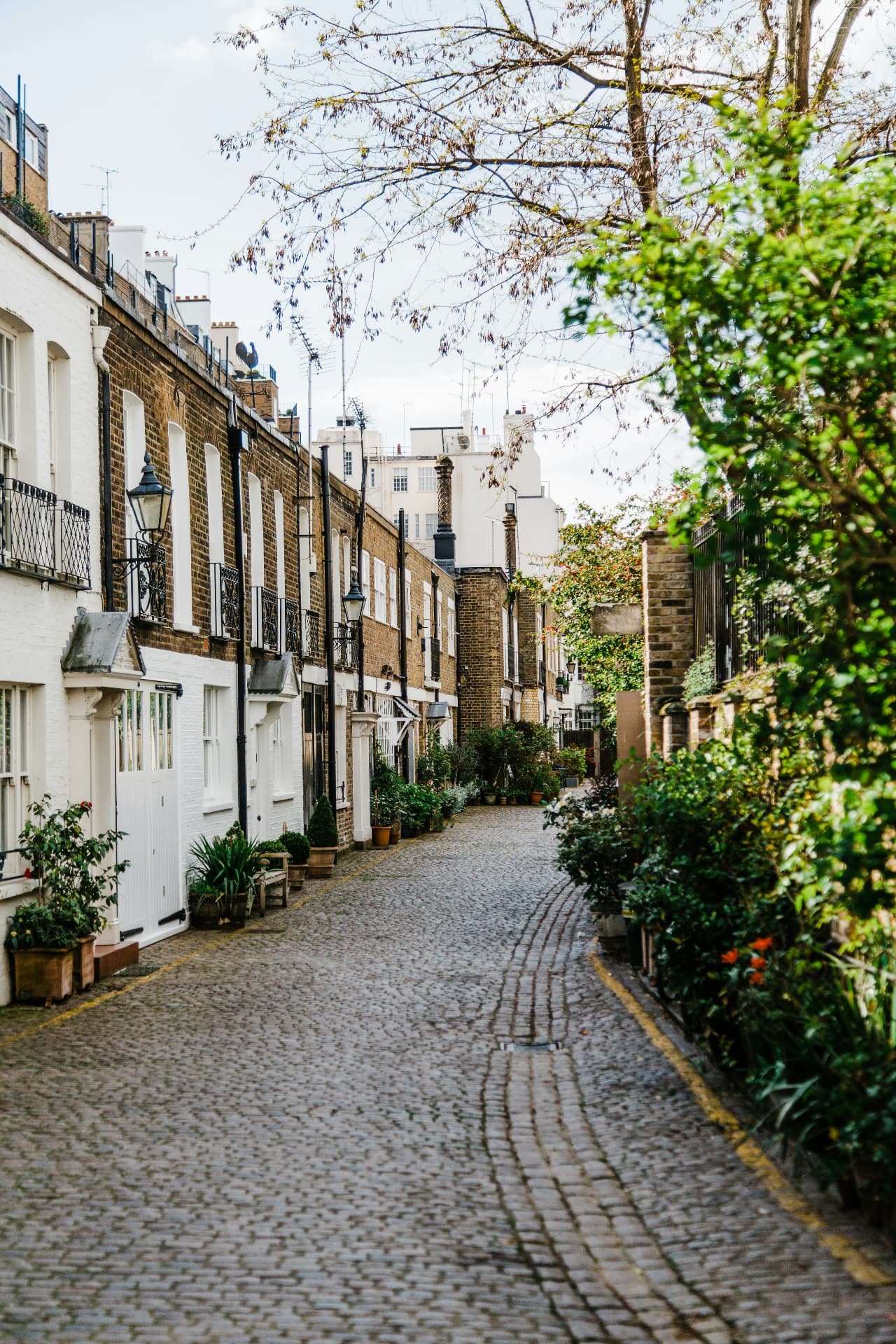
The question of Brixton vs Camberwell is one we hear regularly from buyers and renters exploring South London. Both neighbourhoods sit within a couple of miles of each other, both offer excellent transport links into Central London, and both have undergone significant transformation over the past two decades. Yet they retain distinctly different characters that appeal to different types of residents. Our team at Seymont London works extensively across both areas, and we've prepared this comprehensive comparison to help you decide which neighbourhood suits your lifestyle and budget. While this article focuses primarily on Brixton, we'll draw meaningful contrasts with its eastern neighbour to give you the full picture.
Property Prices and Market Overview
When you compare Brixton Camberwell property markets, Brixton typically commands a premium, reflecting its status as one of South London's most established destinations. According to HM Land Registry data, the median property price in Brixton currently stands at £520,000 across 1,460 recent transactions. Flats dominate the market with 1,091 sales at a median of £460,000, while terraced houses fetch £880,000 and semi-detached properties reach £1,065,000.
The rental market in Brixton shows corresponding strength. ONS data reveals studio apartments ranging from £825 to £1,275 per month, one-bedroom flats from £1,075 to £1,675, and two-bedroom properties from £1,475 to £2,300. Families seeking three-bedroom homes should budget £1,950 to £3,050 monthly, while larger four-bedroom properties command £2,625 to £4,075. For those searching for houses to rent or property to rent in this vibrant area, Brixton offers diverse options across all price points.
Our team has observed particularly strong demand for period conversions near Brixton Hill and around the Herne Hill borders, where Victorian and Edwardian architecture provides characterful living spaces. The market for houses for sale in Brixton remains competitive, with well-presented terraced properties often receiving multiple offers. You can explore current opportunities through our [Brixton property listings](/property-for-sale/brixton).
Camberwell generally offers slightly more affordable entry points, particularly for first-time buyers, though the gap has narrowed considerably as both areas have gentrified. The choice between Brixton or Camberwell often comes down to whether you prioritize Brixton's more established amenities and transport infrastructure or Camberwell's emerging creative scene and potential for capital growth.
Transport Links and Connectivity
Brixton's transport credentials significantly strengthen its appeal in the Brixton vs Camberwell debate. Brixton station serves both the Victoria Line and National Rail services, offering some of the fastest journey times to Central London from South of the river—just seven minutes to Victoria and fifteen minutes to King's Cross St Pancras. This dual provision of Underground and overground rail makes Brixton exceptionally well-connected for commuters.
Extensive bus networks radiate from Brixton station, with routes covering virtually every corner of South London and beyond. Night bus services ensure 24-hour connectivity, a consideration for those working irregular hours or enjoying London's nightlife. The area also benefits from excellent cycling infrastructure, with dedicated lanes along Brixton Road and connections to Quietways and Cycle Superhighways.
Camberwell lacks Underground access entirely, relying instead on buses and the Denmark Hill overground station at its eastern edge. While bus services are frequent and comprehensive, they cannot match the speed and reliability of Brixton's Victoria Line for reaching Central London. For professionals working in the West End, City, or King's Cross, Brixton offers a clear advantage in reducing commute times—often by 15-20 minutes compared to Camberwell.
Restaurants, Food and Local Culture
Anyone researching the best food in Brixton quickly discovers that the neighbourhood punches well above its weight gastronomically. Brixton Village and Market Row together form one of London's most celebrated food destinations, housing everything from Caribbean specialists to Japanese izakayas, Italian trattorias to Ethiopian cafés. This covered market complex has become a template for food hall regeneration projects across the capital.
For those seeking good food in Brixton beyond the markets, the surrounding streets deliver abundantly. Brixton Hill offers a mixture of established neighbourhood restaurants and contemporary openings, while Brixton Water Lane has developed its own cluster of wine bars and small plates venues. The restaurant scene in Brixton continues to evolve, with new openings balancing the area's Caribbean heritage with international influences and contemporary British cooking.
Brixton's cultural offerings extend far beyond food. The O2 Academy Brixton remains one of London's premier live music venues, attracting internationally renowned artists across all genres. Independent cinemas, the Brixton Recreation Centre with its Art Deco swimming pool, and numerous art galleries contribute to a genuinely vibrant cultural ecosystem. The neighbourhood's Afro-Caribbean heritage remains visible and celebrated, from specialist grocers to annual events like Brixton Splash.
Camberwell offers its own cultural attractions, particularly around its art college and the South London Gallery, but the sheer density and variety of Brixton's offerings currently gives it the edge for those prioritizing immediate access to dining, entertainment, and cultural experiences.
Talk to Seymont
What's your home worth?
A considered view on price, timing and how to bring your London home to market — a personal reply within 24 hours.
Your property
Step 1 of 2Green Spaces and Quality of Life
While Brixton is undeniably urban in character, it sits adjacent to some of South London's finest green spaces. Brockwell Park, straddling the border between Brixton and Herne Hill, offers 125 acres of parkland with tennis courts, a BMX track, a lido, and sweeping views across the city from its elevated position. For families and dog owners, this proximity to substantial green space significantly enhances daily quality of life.
Rush Common and smaller neighbourhood squares provide additional breathing space throughout the area. Our team regularly hears from clients that access to Brockwell Park was a decisive factor in their choice of Brixton, particularly for those with young children or active lifestyles. The park hosts numerous community events throughout the year, from the Country Show to outdoor cinema screenings, strengthening the neighbourhood's community bonds.
Camberwell Green and Burgess Park offer comparable green space on the Camberwell side, though Burgess Park's linear layout and somewhat fragmented character differ from Brockwell's cohesive landscape design. Both neighbourhoods score well for accessible parkland, making this less of a differentiating factor in the Brixton or Camberwell decision than transport or dining options.
Schools and Family Considerations
Families comparing the best of Brixton and Camberwell will find strong primary and secondary options in both areas, though school catchments and admission criteria require careful research. Brixton benefits from several well-regarded state primaries and its proximity to sought-after schools in neighbouring Herne Hill and Dulwich borders.
The area around Brixton Hill particularly appeals to families, offering slightly quieter residential streets while maintaining easy access to Brixton's amenities. Properties on roads like Rattray Road Brixton and Corrance Road Brixton often attract family buyers seeking period homes with gardens within reach of good schools. Our [Brixton estate agents](/estate-agents/brixton) can provide detailed guidance on school catchment areas and typical property requirements for families.
Camberwell's proximity to several outstanding secondaries, including charter schools and academies, gives it a strong educational profile. The choice between areas for families often depends on the specific ages of children and which school catchments align with preferred properties. We recommend arranging accompanied viewings through our team to understand how different streets relate to school locations and catchment boundaries.
Making Your Decision: Brixton or Camberwell?
Having worked across both neighbourhoods extensively, we observe that Brixton tends to attract professionals prioritizing convenience, established amenities, and fast transport links, while Camberwell appeals to those seeking slightly better value and an emerging rather than established scene. The question of whether to choose Brixton or Camberwell ultimately depends on your specific priorities and stage of life.
Brixton offers immediate gratification—exceptional restaurants, rapid tube access, and a neighbourhood identity that's been firmly established for decades. You're buying into a mature market where amenities and infrastructure are already in place. This comes at a premium, reflected in both purchase prices and rental costs, but many residents feel the convenience justifies the additional expense.
Camberwell presents more of a pioneering proposition, with ongoing regeneration and a creative energy that suggests significant further development. For buyers comfortable with emerging areas and potentially longer commutes in exchange for better value and possible capital appreciation, Camberwell makes considerable sense. The neighbourhood's artistic credentials and increasingly diverse dining scene give it distinct character, even if it doesn't yet match Brixton's depth of offerings.
For investment purposes, both areas show strong fundamentals—employment growth across South London, transport infrastructure investment, and demographic trends all support continued demand. Our [house prices analysis](/house-prices/brixton) provides detailed market data for those considering Brixton as an investment, while our [Camberwell estate agents](/estate-agents/camberwell) can discuss comparative investment potential.
Whichever you choose, both Brixton and Camberwell offer genuinely exciting South London living with distinct advantages. We encourage prospective buyers and tenants to spend time in both areas at different times of day and days of the week to understand which neighbourhood rhythm suits you best. Our team at Seymont London would be delighted to arrange accompanied viewings across both postcodes and share our detailed local knowledge to help you make the right choice.
Talk to Seymont
What's your home worth?
A considered view on price, timing and how to bring your London home to market — a personal reply within 24 hours.
Your property
Step 1 of 2About the author
Amara BennettProperty Market Analyst
Amara spent seven years as a market analyst at Kestrel Lane Research, a small London property consultancy, before joining our editorial desk. She reads sold-price and rental data street by street to explain how individual London postcode districts actually behave, and reviews every price figure we publish. Her focus is separating headline national averages from what a specific address is worth today.
MSc Real Estate Economics · Seven years in property market research
- Valuations
- Local market data
- Sold prices
- Pricing strategy
Frequently asked
- Is Brixton expensive to live in?
- Brixton sits in the mid-to-upper range for South London property prices. HM Land Registry data shows a median property price of £520,000, with flats averaging £460,000 and terraced houses around £880,000. Rental costs range from £825-£1,275 monthly for studios to £1,475-£2,300 for two-bedroom properties (ONS data). While not the most affordable area in South London, Brixton offers good value considering its Zone 2 location, Victoria Line access, and extensive amenities. The premium reflects genuine convenience and established infrastructure rather than superficial appeal.
- What is Brixton best known for?
- Brixton is celebrated for its vibrant Afro-Caribbean heritage, world-class food scene centred on Brixton Village and Market Row, and influential music culture. The O2 Academy Brixton hosts major touring artists, while the neighbourhood has played a significant role in UK music history across reggae, punk, grime and electronic genres. The covered markets have become a template for food hall regeneration across London, offering exceptional diversity from Caribbean to Japanese, Ethiopian to Italian cuisine. Brixton's cultural identity combines this heritage with contemporary creativity, creating a genuinely distinctive South London neighbourhood.
- How long does it take to commute from Brixton to Central London?
- Brixton offers some of the fastest commutes from South London thanks to the Victoria Line. Journey times to Victoria station take just 7 minutes, Oxford Circus 12 minutes, and King's Cross St Pancras approximately 15 minutes. National Rail services from Brixton provide alternative routes and connections. These rapid, frequent services make Brixton particularly attractive to professionals working in the West End, Westminster, or areas along the Victoria Line. The combination of Underground and overground rail provision offers resilience when one service faces disruption.
- Is Brixton good for families?
- Brixton can be excellent for families, particularly around Brixton Hill and the streets bordering Herne Hill and Dulwich. Proximity to Brockwell Park provides 125 acres of green space with playgrounds, sports facilities, and a lido. Several well-regarded primary schools serve the area, and transport links make secondary school options across South London accessible. Period properties on roads like Rattray Road and Corrance Road offer family-sized accommodation with gardens. The area's vibrancy and diversity expose children to varied cultures and experiences. Families should focus on quieter residential pockets while remaining within easy reach of Brixton's amenities and transport.
- What are property prices like in Brixton compared to Camberwell?
- Brixton typically commands a premium over Camberwell, reflecting its more established amenities and superior transport links, particularly Victoria Line access. According to HM Land Registry data, Brixton's median property price stands at £520,000, with flats at £460,000 and terraced houses around £880,000. Camberwell generally offers slightly lower entry points, particularly for flats and first-time buyers, though the gap has narrowed as both areas have gentrified. The price difference often reflects the 15-20 minute commute time advantage Brixton offers to Central London. Both markets show strong fundamentals and continued demand.