Journal
Brixton Property Market Report: Insights and Trends
Written by Thomas Lindqvist · Mortgage & Financing Specialist
Published 9 June 2026 · Updated 9 July 2026 · 7 min read
The short answer
The Brixton property market continues to captivate buyers, investors and renters drawn to this vibrant south London neighbourhood. Our team has analysed the latest HM Land Registry data to provide you with comprehensive insights into pricing, transaction volumes and emerging trends shaping the Brixton housing market.
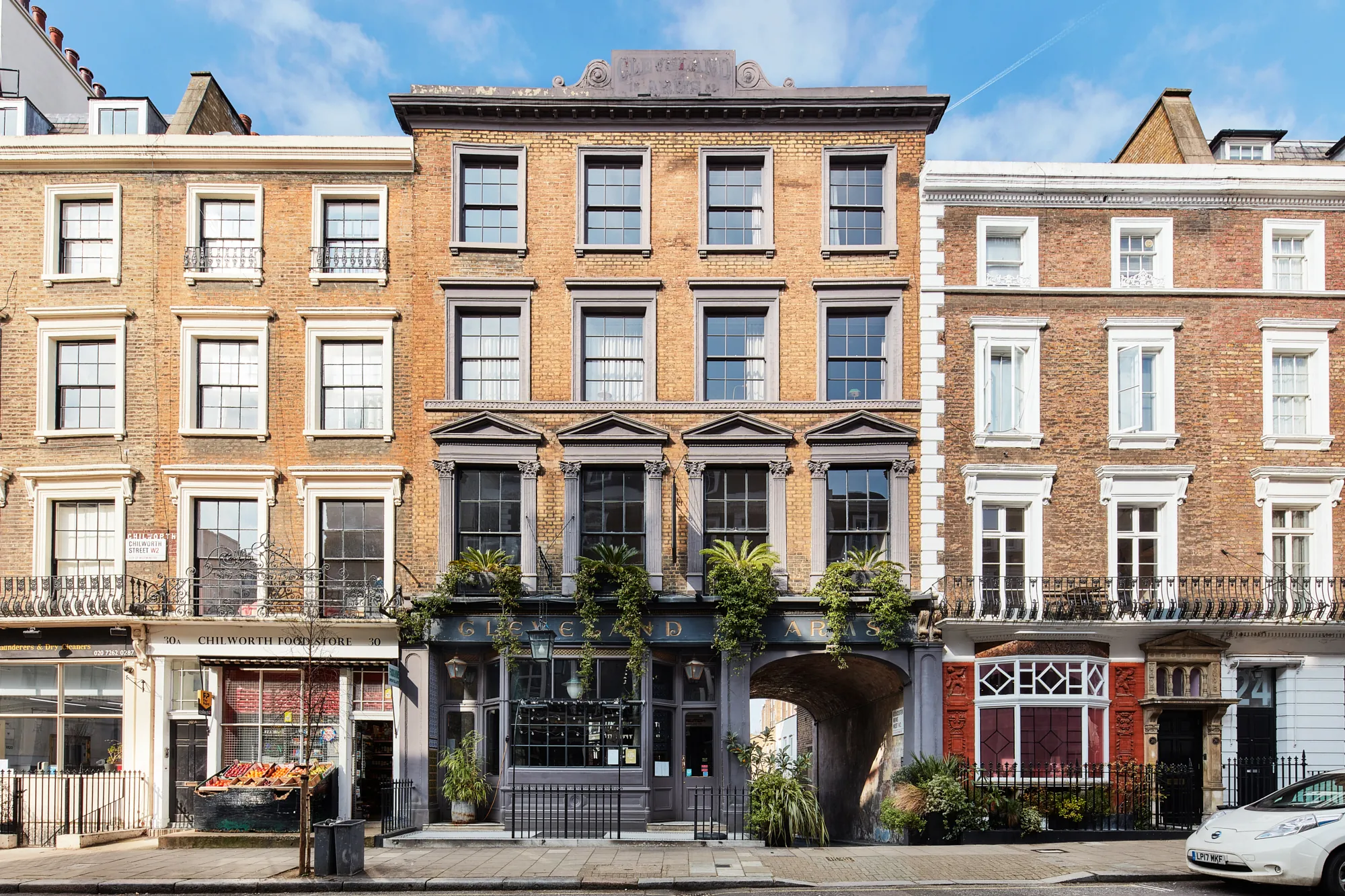
The Brixton property market continues to captivate buyers, investors and renters drawn to this vibrant south London neighbourhood. Our team has analysed the latest HM Land Registry data to provide you with comprehensive insights into pricing, transaction volumes and emerging trends shaping the Brixton housing market. With its unique blend of cultural heritage, culinary excellence and transport connectivity, Brixton remains one of London's most dynamic areas for residential property. Whether you're considering your first purchase or expanding your portfolio, understanding the nuances of this diverse market is essential.
Current Brixton Price Trends and Sales Activity
The latest HM Land Registry data reveals 353 property transactions in Brixton, with a median sale price of £500,000. This figure reflects the area's established position within London's housing market, offering relative value compared to nearby Clapham and Herne Hill whilst maintaining strong capital appreciation potential.
Flats dominate the market, accounting for 274 transactions with a median price of £460,000. The range spans from £64,500 to £1,144,000, illustrating the diversity of converted Victorian apartments, ex-local authority properties and new-build developments that characterise Brixton London's residential landscape. Purpose-built blocks around Brixton Hill and the regenerated areas near Brixton Station attract both first-time buyers and buy-to-let investors seeking robust rental yields.
Terraced houses command a median of £880,000 across 53 sales, whilst semi-detached properties reached £1,152,000 across 13 transactions. The premium for family homes with gardens reflects sustained demand from established professionals and growing families who value Brixton's independent schools, green spaces including Brockwell Park, and the eclectic mix of restaurants Brixton is renowned for. Detached properties, though rare with only four sales, achieved a median of £1,121,250, demonstrating the scarcity value of such homes in this densely built environment.
These Brixton price trends indicate a mature market with clear segmentation. Entry-level flats provide accessible opportunities, whilst houses for sale in Brixton attract significant competition, particularly on sought-after streets where period features and proximity to transport links command premium pricing.
Is Brixton a Good Investment? Rental Market Analysis
For those asking 'is Brixton a good investment', the rental market provides compelling evidence. ONS data shows studios commanding £775–£1,225 per calendar month, whilst one-bedroom properties range from £1,025 to £1,625. Two-bedroom flats, the most liquid segment, achieve £1,425–£2,200, reflecting strong demand from young professionals and couples drawn to Brixton's nightlife, markets and transport connectivity.
Larger properties demonstrate the area's appeal to families and sharers alike. Three-bedroom homes rent for £1,875–£2,950, four-bedroom properties fetch £2,525–£3,925, and five-bedroom houses command £3,300–£5,150. These figures underscore Brixton's evolution from its bohemian roots into a neighbourhood that accommodates diverse household types whilst retaining its distinctive character.
Yield calculations favour Brixton when compared to many prime central London areas. A two-bedroom flat purchased at the median of £460,000 and let at £1,800 per month generates an approximate gross yield of 4.7%—attractive in the current climate. Our team observes particularly strong rental demand near Brixton tube and rail stations, where Victoria line access delivers Bank in 15 minutes and the West End in under 20 minutes.
The vibrancy that makes Brixton London a cultural destination also supports rental resilience. Tenants value proximity to Brixton Village, Pop Brixton's street food scene, and the neighbourhood's live music venues. This lifestyle premium helps sustain occupancy rates and supports rent growth, making property for sale in Brixton worth serious consideration for portfolio diversification.
Neighbourhood Character and Location Dynamics
Brixton's property landscape cannot be separated from its distinctive geography and cultural fabric. The area broadly spans the SW2 and SW9 postcodes, with Brixton Hill forming the spine that runs south from the main retail centre towards Streatham. Properties on roads such as Corrance Road Brixton and Rattray Road Brixton exemplify the Victorian and Edwardian terraces that define much of the housing stock, offering high ceilings, original features and generous room proportions that appeal to period-property enthusiasts.
The neighbourhood's reputation for best food in Brixton and good food in Brixton stems from its Afro-Caribbean heritage and subsequent waves of gentrification that have created an unparalleled dining scene. From traditional Caribbean eateries to Michelin-contender restaurants, this culinary richness enhances residential desirability. Buyers increasingly recognise that lifestyle amenities translate into property value—homes within walking distance of Brixton Village and Market Row benefit from this proximity premium.
Transport infrastructure remains a cornerstone of Brixton's appeal. The Victoria line provides rapid central London access, whilst National Rail services from Brixton station connect to destinations including Gatwick Airport. Multiple bus routes serve the area comprehensively. For those seeking houses to rent or houses for sale, this connectivity enables genuine work-life balance without sacrificing career accessibility.
Regenerative momentum continues around the main town centre, with planned improvements to public realm and ongoing conversions of commercial buildings to residential use. Our observations suggest these developments enhance rather than homogenise, with planning policies encouraging retention of the markets and independent businesses that give Brixton its soul. This balance between evolution and preservation underpins long-term property market confidence.
Talk to Seymont
What's your home worth?
A considered view on price, timing and how to bring your London home to market — a personal reply within 24 hours.
Your property
Step 1 of 2Property Types and Buyer Profiles
Understanding who buys in Brixton illuminates market dynamics. First-time buyers dominate the flat segment, often seeking ex-local authority conversions or smaller purpose-built units where shared ownership schemes occasionally become available. Competition intensifies for well-presented one and two-bedroom flats near transport nodes, particularly from professional couples prioritising commute times over space.
Family buyers typically target houses to sale in the surrounding residential streets, where three and four-bedroom terraced properties offer gardens and period charm. These purchasers often relocate from flats in neighbouring areas, drawn by better value per square foot and the promise of settled community life. Schools including Corpus Christi Catholic Primary and Sudbourne Primary feature prominently in their research, alongside proximity to Brockwell Park's 50 hectares of green space.
Investors constitute a significant cohort, attracted by rental yields that outperform much of inner London. The mix of students from nearby institutions, young professionals and established residents creates consistent tenant demand across property types. Our team notes particular investor interest in newer developments near the station, where lower maintenance requirements and modern specifications support hands-off landlord strategies.
Downsizers represent an emerging buyer segment—empty-nesters who've accumulated equity in family homes and seek well-connected, amenity-rich neighbourhoods. Two-bedroom flats with lifts and proximity to restaurants, culture and healthcare appeal strongly, though supply of age-appropriate stock remains limited. This demographic shift may influence future development priorities as Brixton's population continues to diversify.
Market Outlook and Strategic Considerations
Looking ahead, several factors support confidence in the Brixton housing market. The area's established transport links face no risk of being 'left behind' by infrastructure development elsewhere—the Victoria line will remain a rapid artery into central London regardless of new Crossrail branches or extension projects. This permanence of connectivity provides long-term value protection that emerging areas cannot guarantee.
Cultural momentum shows no signs of abating. Brixton's position as a live music destination, its thriving markets and its calendar of festivals including Lambeth Country Show (held in Brockwell Park) ensure ongoing media attention and visitor footfall that support local businesses and, by extension, residential desirability. Property near these amenities benefits from this virtuous cycle.
Planning policy in Lambeth Council favours selective densification whilst protecting neighbourhood character. Anticipated developments will likely add housing supply gradually rather than flooding the market, supporting price stability. Our team monitors planning applications closely, recognising that well-designed schemes enhance rather than dilute local property values when they complement existing building stock.
For those evaluating property for sale Brixton presents today, we suggest considering holding periods of five-plus years to maximise capital appreciation whilst smoothing market fluctuations. The combination of rental income sustainability, infrastructure permanence and lifestyle appeal creates compelling conditions for medium to long-term investment. Those seeking to [let your property in Brixton](/let-your-property/brixton) should find the tenant pool both deep and diverse, supporting occupancy and rent growth over time.
Working with Seymont London in Brixton
Our approach to the Brixton property market combines granular local knowledge with borough-wide perspective. We understand that successful transactions depend on recognising street-by-street variations in value, identifying properties with genuine appreciation potential, and matching clients to homes that suit their lifestyle and financial objectives.
Whether you're exploring [property for sale in Brixton](/property-for-sale/brixton), seeking rental investment opportunities, or require detailed [house price analysis](/house-prices/brixton), our team provides impartial guidance grounded in data rather than speculation. We track transactions across all property types, monitor planning developments that influence future supply, and maintain relationships throughout the neighbourhood that provide early insight into market movements.
For landlords and investors, our [Brixton estate agency services](/estate-agents/brixton) encompass valuation, marketing, tenant sourcing and ongoing management. We recognise that portfolio success requires maximising rental income whilst maintaining properties to standards that attract quality tenants and preserve capital value. Our collective experience across London enables us to benchmark Brixton's performance against other investment locations, ensuring you make informed decisions.
The Brixton property market rewards careful research and patient execution. We invite you to discuss your requirements with our team, whether you're a first-time buyer stretching to enter the market, a family seeking more space, or an investor evaluating opportunities across south London. Our commitment is to transparency, professionalism and outcomes that serve your long-term interests in this remarkable neighbourhood.
Talk to Seymont
What's your home worth?
A considered view on price, timing and how to bring your London home to market — a personal reply within 24 hours.
Your property
Step 1 of 2About the author
Thomas LindqvistMortgage & Financing Specialist
Thomas advised buyers for a decade at Ashgrove Financial, an independent brokerage, on borrowing capacity, product selection and the full cost of a purchase, including stamp duty, legal fees and lender charges. He follows rate decisions and lender criteria changes and translates them into what a household can realistically afford. His guides cover affordability, remortgaging and the closing costs that buyers routinely underestimate.
CeMAP qualified · Whole-of-market mortgage advice background
- Mortgages
- Affordability
- Closing costs
- Remortgaging
Frequently asked
- What is the average property price in Brixton?
- According to HM Land Registry data, the median property price in Brixton is £500,000. However, this varies significantly by property type: flats have a median of £460,000, terraced houses £880,000, and semi-detached properties £1,152,000. The market offers options from entry-level flats around £65,000 to family homes exceeding £2,000,000, reflecting Brixton's diverse housing stock across the SW2 and SW9 postcodes.
- Is Brixton a good area to buy property for investment?
- Yes, Brixton presents compelling investment fundamentals. Rental yields typically exceed 4.5% for flats—attractive compared to prime central London—whilst Victoria line connectivity and the area's cultural vibrancy support tenant demand. ONS data shows strong rental ranges across all property sizes, from studios at £775–£1,225 to family homes commanding over £3,000 monthly. The established infrastructure and ongoing regeneration provide confidence for medium to long-term capital appreciation.
- How much does it cost to rent in Brixton?
- ONS data shows Brixton rental costs vary by property size. Studios range from £775–£1,225 per month, one-bedroom flats £1,025–£1,625, two-bedroom properties £1,425–£2,200, and three-bedroom homes £1,875–£2,950. Larger family houses command £2,525–£3,925 for four bedrooms and £3,300–£5,150 for five-plus bedrooms. Proximity to Brixton tube station, period features and condition significantly influence where individual properties sit within these ranges.
- What types of properties are most common in Brixton?
- Flats dominate the Brixton property market, representing 274 of 353 recent transactions according to HM Land Registry data. These include Victorian and Edwardian conversions, ex-local authority stock and modern purpose-built developments. Terraced houses are the most common house type with 53 sales, followed by semi-detached properties (13 transactions) and rare detached homes (4 sales). This mix reflects Brixton's evolution from Victorian suburb to dense urban neighbourhood with diverse housing options.
- Why is Brixton popular with property buyers?
- Brixton's popularity stems from exceptional transport links—the Victoria line reaches central London in under 20 minutes—combined with vibrant cultural amenities including Brixton Village markets, acclaimed restaurants, live music venues and Brockwell Park. The area offers better value than neighbouring Clapham whilst maintaining strong rental demand. Buyers appreciate the authentic neighbourhood character, diverse community and ongoing regeneration that enhances rather than dilutes Brixton's distinctive identity, making it attractive to first-time buyers, families and investors alike.