Journal
Coffee London: Where to Find the Best Brews in Town
Written by Julian Reyes · Licensed Real Estate Agent
Published 3 February 2026 · Updated 9 August 2026 · 3 min read
The short answer
When it comes to coffee London has transformed into one of Europe's most exciting scenes, with roasters and cafés that rival any global capital. Our team has spent years exploring the city's finest spots, and we've watched neighbourhoods like Shoreditch evolve into genuine coffee destinations.
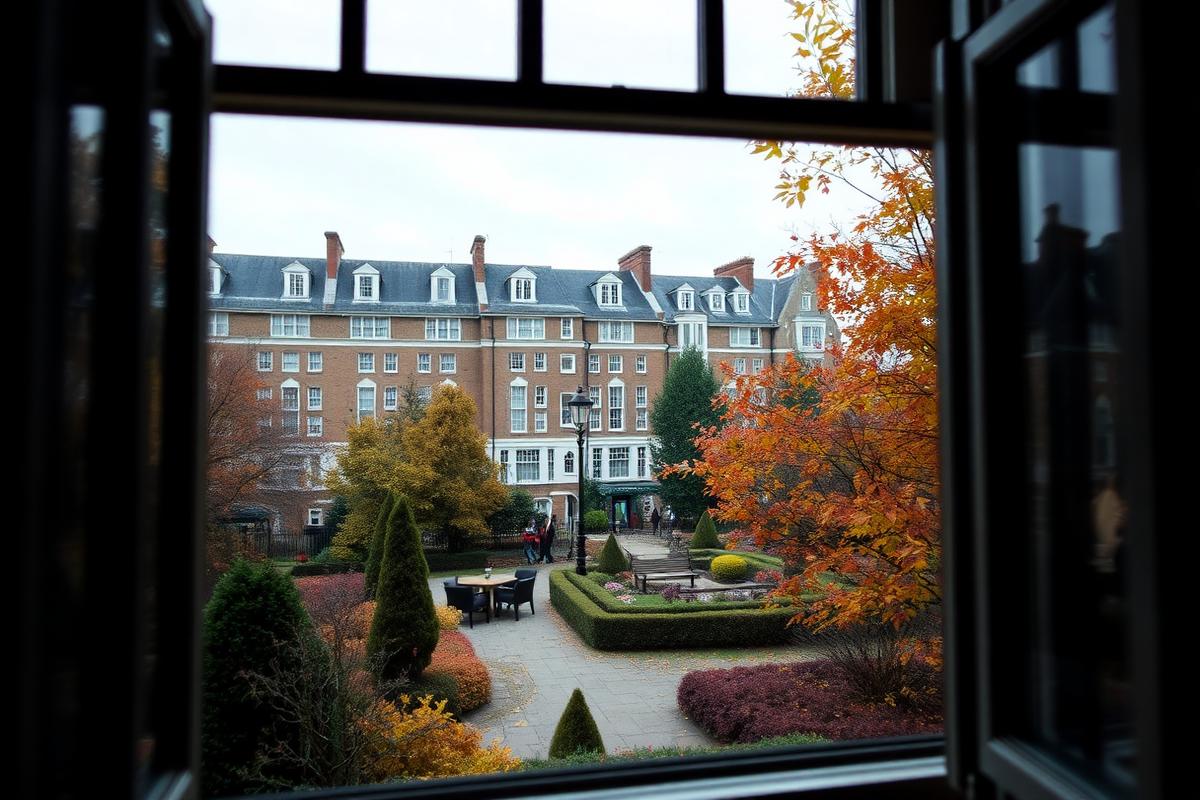
When it comes to coffee London has transformed into one of Europe's most exciting scenes, with roasters and cafés that rival any global capital. Our team has spent years exploring the city's finest spots, and we've watched neighbourhoods like Shoreditch evolve into genuine coffee destinations. Whether you're house-hunting and need to know the local amenities or simply searching for your next great cup, these long-established venues represent the very best of what coffee London has to offer.
Our Favourite Coffee London Institutions
These venues have stood the test of time, each bringing something distinctive to the capital's coffee culture.
Monmouth Coffee Company in Covent Garden and Borough Market has been roasting beans since 1978, making it one of London's true pioneers. The queues speak for themselves, and the espresso-based drinks showcase single-origin beans with genuine care and expertise.
Bar Italia on Frith Street, Soho, has served the neighbourhood since 1949, staying open nearly around the clock. The atmosphere is pure old-school Soho, and while it's more about the experience than cutting-edge coffee technique, it remains an absolute institution.
The Attendant on Great Percy Street, Clerkenwell, occupies a beautifully restored Victorian underground toilet. Beyond the novelty, they serve excellent coffee in one of London's most unusual settings, and the attention to detail extends to every cup.
Kaffeine on Great Titchfield Street near Oxford Circus brought antipodean coffee culture to London in 2009. The flat whites are exemplary, and they've maintained consistently high standards throughout their years of operation.
East London's Established Coffee Scene
The area around /estate-agents/shoreditch has become synonymous with quality coffee, and several pioneers deserve particular mention.
Allpress Espresso on Redchurch Street has anchored Shoreditch's coffee scene since opening their roastery and café in 2010. The space itself is beautiful, the coffee is reliably excellent, and watching the roasting operation adds theatre to your visit. For those exploring /property-to-rent/shoreditch, knowing this spot is on your doorstep matters.
Look Mum No Hands! on Old Street has combined cycling culture with serious coffee since 2010. It's become a genuine community hub where the coffee quality matches the welcoming atmosphere, and the workshop-café concept continues to thrive.
Central and West London Favourites
Workshop Coffee on Clerkenwell Road helped define London's third-wave movement when they opened in 2011. Their dedication to sourcing and roasting remains evident in every cup, and the training academy upstairs has educated countless baristas across the capital.
Fernandez & Wells began in Soho and has expanded thoughtfully across central London since 2007. The Beak Street location perfectly captures their approach: simple, quality-focused, with coffee that lets the beans speak for themselves alongside excellent pastries and small plates.
For anyone using our /tools/rent-estimate to budget for a move, remember that proximity to quality coffee often signals broader neighbourhood appeal and can influence property values in subtle but real ways.
Talk to Seymont
What's your home worth?
A considered view on price, timing and how to bring your London home to market — a personal reply within 24 hours.
Your property
Step 1 of 2Finding Your Neighbourhood
Coffee shops often serve as the heart of London communities, and the presence of established, quality-focused venues tells you something important about an area's character and trajectory.
When we work with clients across London, we've noticed that neighbourhoods with thriving independent coffee scenes tend to offer strong community feel, good transport links, and the kind of local amenities that make daily life genuinely pleasant. The coffee london scene has matured beautifully over the past fifteen years, spreading quality and expertise across virtually every postcode.
Whether you're already settled or considering a move, exploring local coffee shops offers genuine insight into neighbourhood character. Our area guides provide deeper context on what makes each London district distinctive, from the established cultural institutions to the emerging independents that signal where a community is heading. If you're curious about how coffee culture intersects with property decisions, or you'd simply like expert guidance on London neighbourhoods, book a phone appointment with Seymont London at /valuation to explore what the capital has to offer.
Talk to Seymont
What's your home worth?
A considered view on price, timing and how to bring your London home to market — a personal reply within 24 hours.
Your property
Step 1 of 2About the author
Julian ReyesLicensed Real Estate Agent
Julian has spent eleven years handling residential sales across west and central London, previously with the independent agencies Harlowe & Vance and Marchmont Row. He runs listings end to end, from pricing and presentation through to negotiating offers and holding chains together to completion. His writing focuses on the practical mechanics of buying and selling a home in a market where timing and preparation decide the outcome.
Licensed estate agent · 11 years in London residential sales
- Residential sales
- First-time buyers
- Offer negotiation
- Chain management
Frequently asked
- What makes London's coffee scene special?
- London's coffee scene combines quality-focused roasters, skilled baristas trained to international standards, and a culture that values both tradition and innovation. The city's diversity means you'll find everything from Italian espresso bars that have operated for decades to third-wave cafés showcasing single-origin beans from around the world.
- Which London neighbourhood has the best coffee shops?
- Shoreditch, Clerkenwell, and Soho each offer exceptional concentrations of quality coffee venues. Shoreditch became an early hub for third-wave coffee culture, whilst Clerkenwell and Soho blend newer specialty spots with long-established institutions, giving you range and depth in a compact area.
- Is coffee more expensive in London than other UK cities?
- London coffee prices typically run higher than other UK cities, reflecting property costs, wages, and the concentration of specialty roasters using premium beans. Expect to pay £3-4 for filter coffee and £3.50-4.50 for milk-based drinks at quality independents, though prices vary by location and venue.
- Do London coffee shops offer alternative milk options?
- Yes, virtually all established London coffee shops now offer oat, soya, and almond milk as standard, with many providing additional options like coconut or hazelnut milk. The oat milk category has become particularly popular, with many venues using barista-specific versions designed to work well in espresso drinks.
- Can you work from coffee shops in London?
- Most London coffee shops welcome laptop users during quieter periods, though expectations vary by venue. Larger spaces and those with dedicated seating areas are most accommodating, whilst smaller cafés may discourage extended stays during peak hours. Many roastery cafés offer ample space specifically designed for working.