Guides
Sold House Prices: How to Check What a Home Really Went For
Written by Julian Reyes · Licensed Real Estate Agent
Published 27 May 2026 · Updated 2 June 2026 · 7 min read
The short answer
Understanding sold house prices is essential before putting your London property on the market. You can check what homes really sold for by searching HM Land Registry records—the official register of all property transactions in England and Wales.

Understanding sold house prices is essential before putting your London property on the market. You can check what homes really sold for by searching HM Land Registry records—the official register of all property transactions in England and Wales. This data reveals actual sale prices, not asking prices, giving you the evidence you need to price competitively and avoid costly mistakes. Whether you're researching comparable sales on your street or analysing broader housing prices across a postcode, land registry sold prices offer the most reliable foundation for your pricing strategy. In this guide, we walk through exactly how to access this data, what it tells you, and how to interpret it for maximum advantage when selling.
Why Land Registry Sold Prices Matter When Selling
The difference between asking prices and actual sold house prices can be substantial, particularly in London's dynamic market. Estate agents list properties at one figure, but negotiations, surveys, and market conditions mean the final transaction often concludes at a different amount. Only HM Land Registry holds the definitive record of what buyers actually paid.
For sellers, this distinction matters enormously. Pricing your home based on optimistic asking prices risks overvaluing your property, leading to extended time on market and eventual price reductions that signal desperation. Conversely, relying solely on outdated or incomplete data could mean leaving thousands of pounds on the table. Land registry sold prices provide the factual baseline that protects you from both extremes.
Our team uses this data as the starting point for every valuation we conduct, then layers on current market intelligence, viewing activity, and the unique attributes of your property. The combination produces pricing that's both evidence-based and alive to present conditions—essential in boroughs where house prices can vary dramatically between neighbouring streets.
Beyond your immediate pricing decision, understanding recent housing prices in your area helps you time your sale more strategically, recognising whether the market is rising, plateauing, or softening. This temporal dimension often separates successful sellers from those who struggle.
Access HM Land Registry's Price Paid Data Directly
The most authoritative source is HM Land Registry's own Price Paid Data service, available free at gov.uk. This dataset covers all residential property sales in England and Wales submitted for registration, typically appearing within weeks of completion. You can search by postcode, street name, or individual property, with records extending back to 1995.
To use the service, visit the HM Land Registry portal and enter your search criteria. Results display the price paid, transaction date, property type (detached, semi-detached, terraced, or flat), whether the sale was freehold or leasehold, and if it was a new build. The data excludes sales that haven't been registered or were transferred for non-market consideration (such as gifts or divorce settlements).
This official resource requires no registration and carries no cost, making it the logical first step in your research. The interface is straightforward, though interpreting the results requires some knowledge of your local market—a Victorian terrace in Hackney commands vastly different house sold prices than an ostensibly similar property in Barking, even when square footage and bedrooms match.
Download options allow you to export data in bulk if you're analysing trends across multiple streets or postcodes, useful when deciding between selling now or waiting for seasonal upswings that historically affect certain London neighbourhoods.

Use Property Portal Tools for Context and Comparables
Major property portals aggregate land registry sold prices with additional context that makes interpretation easier for sellers without specialist knowledge. Rightmove, Zoopla, and OnTheMarket all offer sold price tools that map transactions geographically, filter by property characteristics, and display trends over time.
These platforms enhance raw Land Registry data by showing property photographs (often from previous listings), floor plans where available, and written descriptions that help you identify genuine comparables. A four-bedroom house that sold for £1.2 million might seem relevant until you discover it backs onto a park with off-street parking, whereas yours faces a busy junction—details the Land Registry record doesn't capture.
We recommend cross-referencing multiple portals because each draws on slightly different listing archives and presents data with varying lag times. Some transactions appear on one platform days before another, and historical asking prices—though not the official sold figure—provide useful context about negotiation patterns in your street.
Filtering tools let you narrow searches by sale date, property type, radius from your postcode, and price band. For London sellers, the radius function proves particularly valuable: moving from a 0.25-mile to 0.5-mile search can reveal whether your immediate micro-location commands a premium or discount relative to the broader area, intelligence that directly informs your pricing strategy and the narrative we craft in your marketing materials.
Talk to Seymont
What's your home worth?
A considered view on price, timing and how to bring your London home to market — a personal reply within 24 hours.
Your property
Step 1 of 2Identify True Comparables Within Your London Neighbourhood
Not all sold house prices carry equal weight in your valuation. The art lies in identifying transactions that genuinely compare—matching not just bedroom count and property type, but age, condition, outside space, transport links, and the myriad factors that drive London house prices.
Start by filtering for sales within the past six to twelve months; older data may not reflect current market conditions, especially in areas experiencing rapid change through regeneration or new transport infrastructure. Focus on properties within a quarter-mile radius initially, then expand only if your street has insufficient recent sales. In highly localised London markets, even a few hundred metres can cross into a different catchment area or conservation zone that materially affects values.
Pay close attention to property type and tenure. Leasehold flats with short remaining terms sell at steep discounts compared to share-of-freehold equivalents, yet both appear in sold price databases without that context immediately visible. Similarly, ex-local-authority properties may show lower house sold prices than Victorian conversions on the same street, despite similar square footage.
Our team always investigates whether comparable sales involved extended leases, recent renovations, or unusual circumstances (estate sales, distressed vendors, related-party transactions) that might skew the price away from open-market norms. This forensic approach to land registry sold prices separates robust valuations from misleading averages that could cost you dearly at negotiation stage.
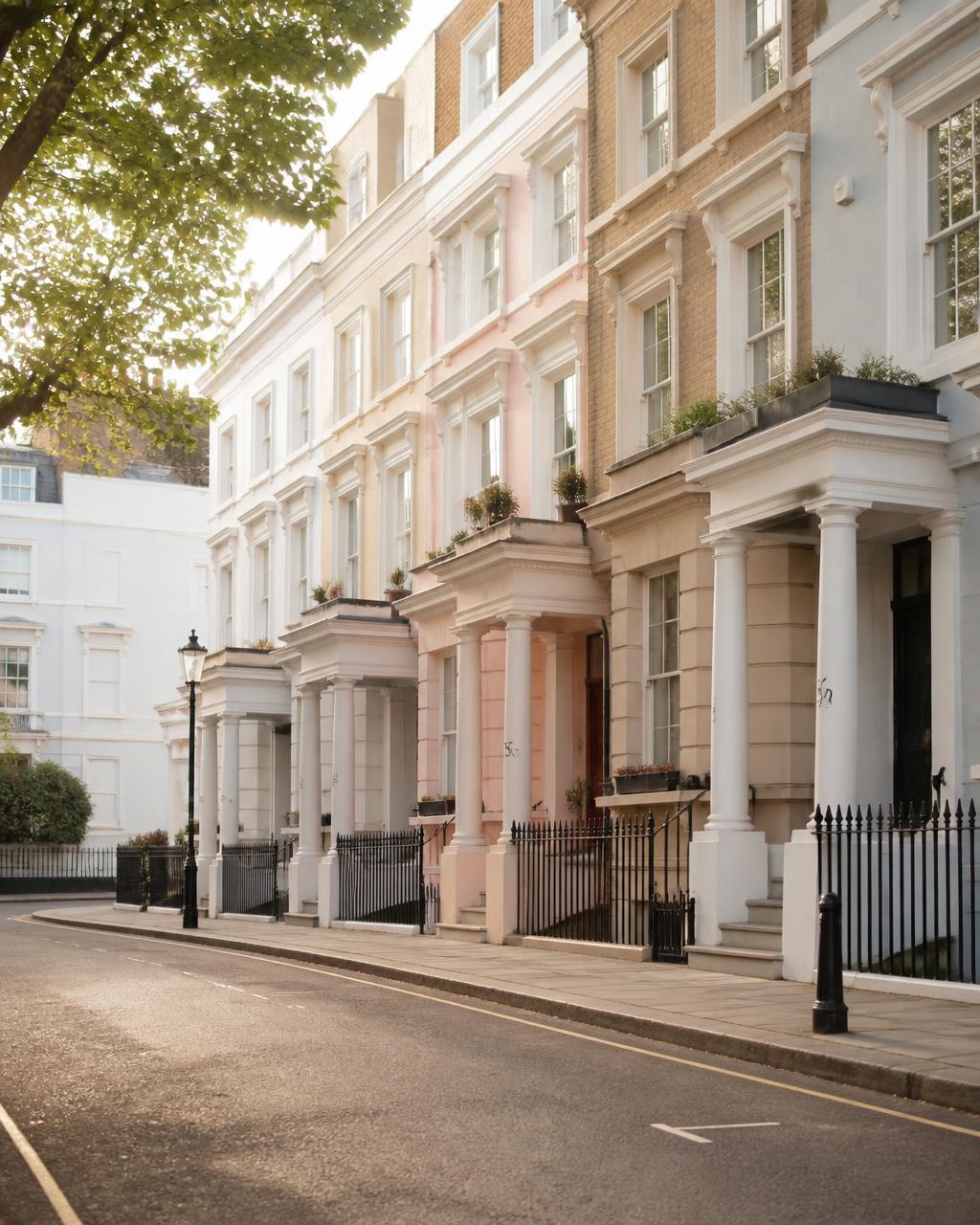
Understand What the Data Doesn't Tell You
HM Land Registry records the price paid, but not the story behind it. A sale completed at £850,000 might represent a cash buyer securing a discount for speed, a protracted negotiation after survey issues, or a bidding war that pushed the price beyond asking. These narratives profoundly affect whether that figure represents a fair comparable for your property.
The data also doesn't capture condition or specification. Two Edwardian terraces on the same road might show house sold prices £200,000 apart because one has been comprehensively refurbished with a side return extension and landscaped garden, while the other remains in original condition requiring significant investment. The Land Registry transaction appears identical in structural terms but represents entirely different propositions.
Seasonal timing influences outcomes too, particularly in family-focused neighbourhoods where spring traditionally sees stronger competition as buyers seek to complete before the academic year. A January sale and a May sale of similar properties may yield different prices without indicating any fundamental market shift.
Finally, chain-free sales, those involving Help to Buy equity loans, or transactions including chattels and moveable items (sometimes itemised separately, sometimes not) all create variations that raw sold price data doesn't fully explain. This is precisely why professional valuation combines Land Registry evidence with on-the-ground expertise and current market activity—something we discuss in detail on our /valuation page.
Combine Sold Prices with Current Market Intelligence
Historical sold house prices provide the foundation, but pricing your property requires layering current intelligence: what's actively for sale, at what asking prices, how long listings have been live, and whether price reductions have occurred. This real-time dimension captures momentum and competition that completed sales, by definition, cannot.
If your street has three similar properties currently marketed and sitting unsold for ninety days, that's a powerful signal that asking prices have outpaced buyer sentiment, regardless of what land registry sold prices showed six months ago. Conversely, if comparable homes are achieving sale agreed status within weeks and you're spotting new listings at higher asking prices, the market may be strengthening beyond what recent completions indicate.
We monitor instruction volumes, viewing-to-offer conversion rates, and time-to-sale-agreed across London boroughs continuously, intelligence that puts sold price data into its proper temporal context. Understanding housing prices as a dynamic rather than static phenomenon separates sophisticated sellers from those who anchor too rigidly to historical figures.
For London properties, hyper-local factors—a new Crossrail station nearing completion, a school achieving Outstanding status, a planning consent granted for a controversial development—can shift values rapidly. Marrying sold price evidence with this forward-looking intelligence ensures your pricing reflects where the market is heading, not merely where it's been. Our /areas section explores how different London neighbourhoods exhibit distinct price dynamics that require tailored approaches.
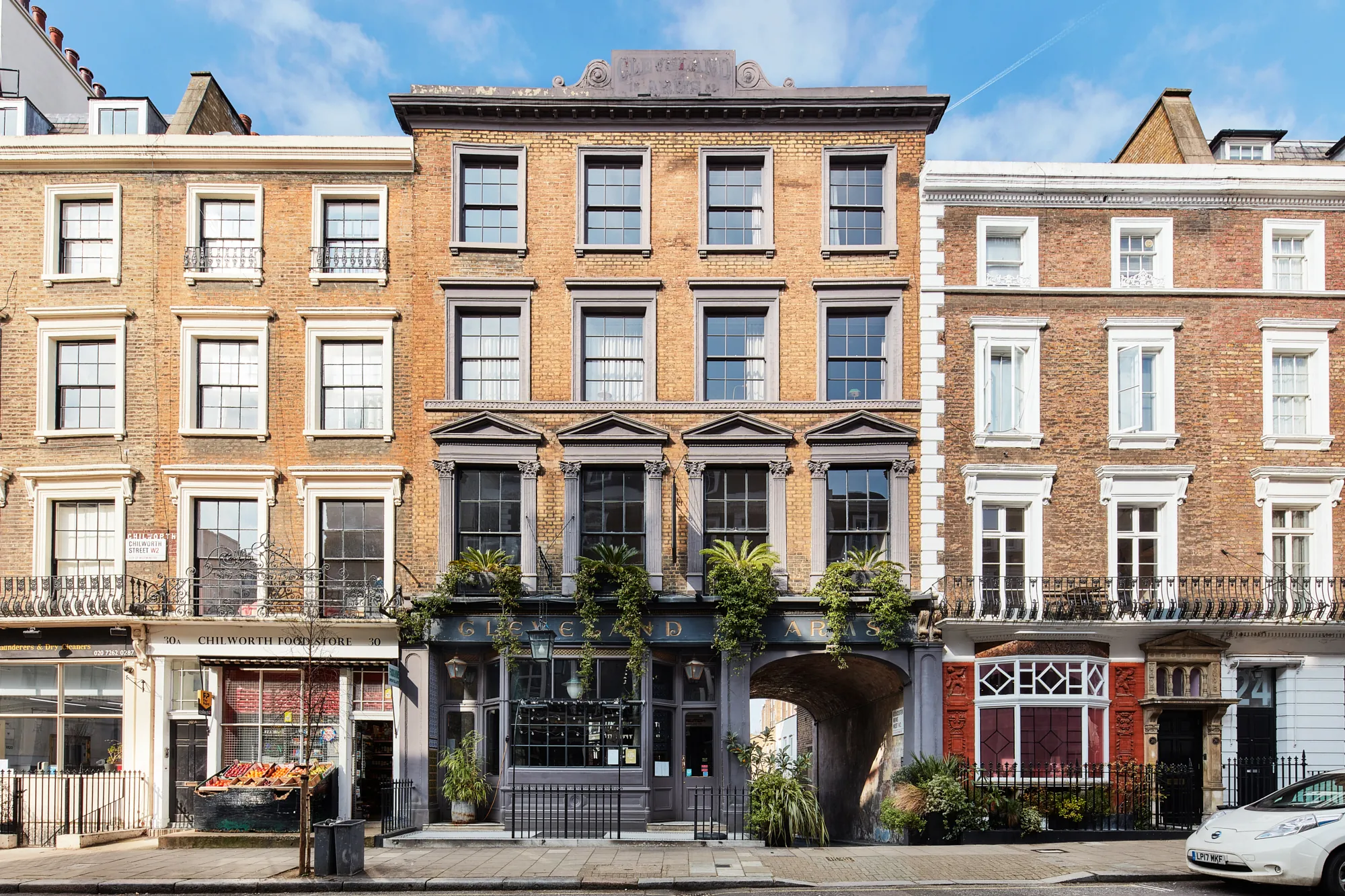
Use Your Research to Price Strategically and Negotiate Confidently
Armed with comprehensive sold house prices data, you're positioned to make strategic rather than hopeful pricing decisions. If your research shows a tight cluster of recent sales between £725,000 and £765,000 for genuine comparables, pricing at £850,000 in hopes of 'leaving negotiation room' typically backfires—you'll attract the wrong viewers, generate poor feedback, and ultimately reduce to the correct bracket after damaging your property's freshness.
Instead, consider pricing at the upper end of the evidence range if your property genuinely offers superior attributes (condition, outside space, parking, aspect), or at the middle if you prioritise speed and certainty. The data gives you confidence to resist both overly optimistic agents who flatter to win instruction and overly cautious valuations that might stem from risk aversion rather than market reality.
During negotiations, land registry sold prices provide objective leverage. When a buyer's surveyor recommends a reduction or a buyer attempts to renegotiate after survey, you can reference specific comparable transactions that support your position, shifting the conversation from subjective opinion to documented fact. This evidence-based approach commands respect and often preserves value that less-prepared sellers concede.
Our approach to /sell combines this data rigour with market positioning, presentation strategy, and proactive buyer qualification—ensuring that when you receive offers, they're from serious buyers who've priced the market correctly themselves. The interplay between your research and professional marketing expertise typically yields both the highest price and the smoothest transaction.
Talk to Seymont
What's your home worth?
A considered view on price, timing and how to bring your London home to market — a personal reply within 24 hours.
Your property
Step 1 of 2About the author
Julian ReyesLicensed Real Estate Agent
Julian has spent eleven years handling residential sales across west and central London, previously with the independent agencies Harlowe & Vance and Marchmont Row. He runs listings end to end, from pricing and presentation through to negotiating offers and holding chains together to completion. His writing focuses on the practical mechanics of buying and selling a home in a market where timing and preparation decide the outcome.
Licensed estate agent · 11 years in London residential sales
- Residential sales
- First-time buyers
- Offer negotiation
- Chain management
Frequently asked
- How quickly do sold house prices appear on the Land Registry?
- HM Land Registry typically publishes sold house prices within two to four weeks of the completion date, though some transactions may take longer depending on how quickly the conveyancing solicitors submit the registration application. The data becomes publicly searchable once the registration is processed, so very recent sales may not yet appear in your searches.
- Are all property sales included in Land Registry sold price data?
- Most residential sales appear, but the data excludes transactions that haven't been submitted for registration, sales at nil value (such as gifts or transfers between family members), and certain right-to-buy transactions sold at discount. Commercial property sales and purchases by companies may also be recorded differently, so always verify you're comparing like-with-like residential transactions.
- Why do different property websites show different sold prices for the same property?
- All reputable portals draw from the same HM Land Registry source, so discrepancies usually reflect timing delays in how quickly each platform updates its database, or differences in how they handle data corrections when the Land Registry updates a previously published price. Always check the official gov.uk source if you spot conflicting figures.
- Can I see sold prices for flats including their lease length and service charges?
- The Land Registry sold price data shows whether a property is leasehold and the transaction price, but doesn't include lease length remaining, ground rent, or service charge details. You'll need to review individual property listings, ask estate agents, or request information from the freeholder or managing agent to understand these critical factors that significantly affect flat values in London.
- How far back should I look when researching house sold prices for my area?
- For pricing purposes, focus on sales completed within the past six to twelve months to ensure your comparables reflect current market conditions. You can review older data to understand longer-term trends and market cycles, but avoid using transactions older than a year as direct pricing comparables unless your street has very few sales and you adjust for market movement in the intervening period.
- Do sold house prices include extras like furniture or white goods?
- The Land Registry records the total consideration paid, which sometimes includes chattels (moveable items) if they were part of the negotiated price. Some transactions itemise chattels separately on the transfer deed to reduce Stamp Duty Land Tax liability, while others include everything in a single figure. This is one reason why professional interpretation of sold price data matters—the headline figure may not tell the complete story.