Guides
Preparing a house for sale
Written by Julian Reyes · Licensed Real Estate Agent
Published 27 January 2026 · Updated 2 June 2026 · 6 min read
The short answer
Preparing a house for sale properly can add thousands to your final sale price and reduce time on market. We recommend a systematic approach: declutter and depersonalise every room, complete essential repairs, enhance kerb appeal, consider professional home staging in London, and ensure your property photographs beautifully.
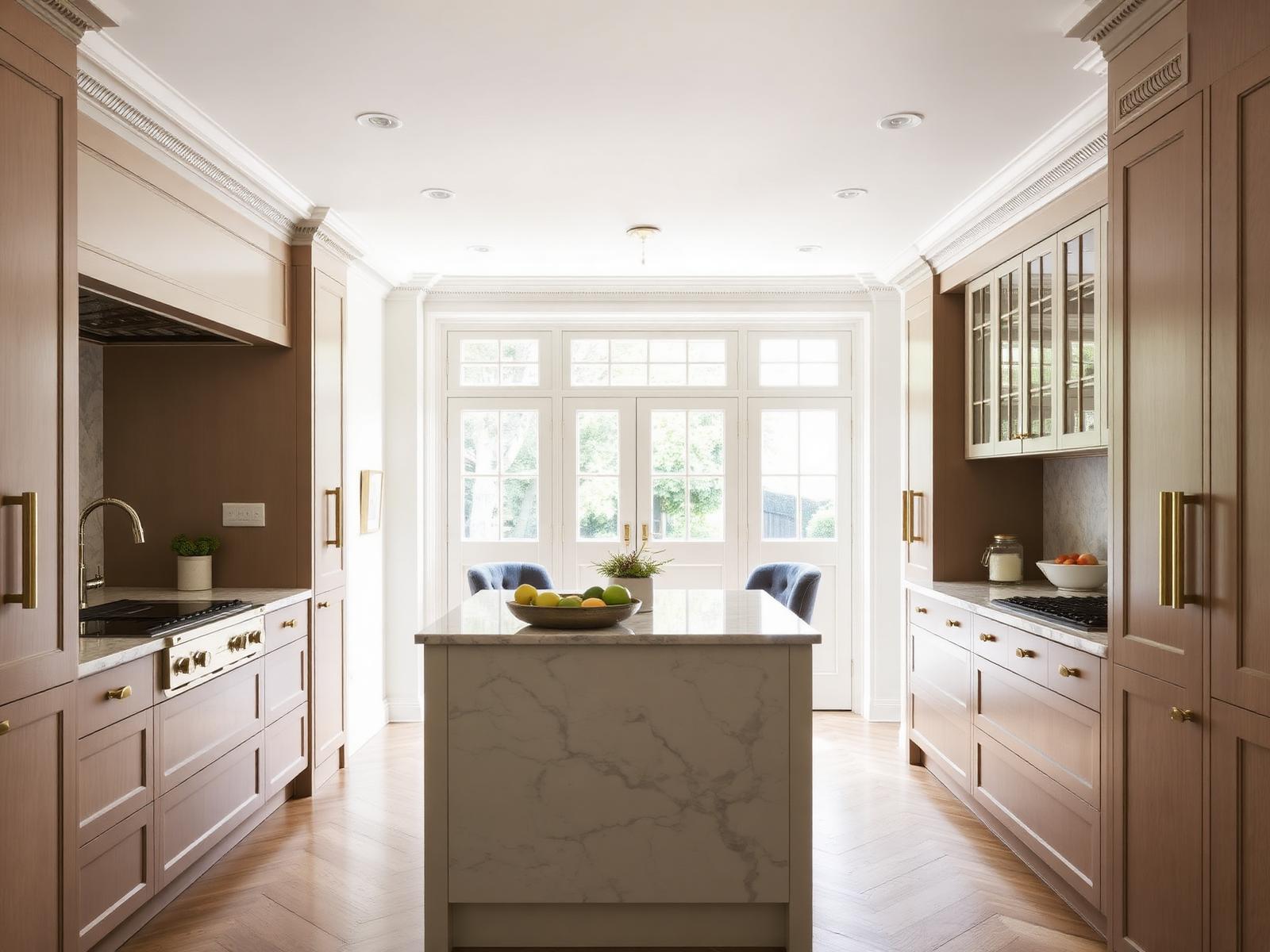
Preparing a house for sale properly can add thousands to your final sale price and reduce time on market. We recommend a systematic approach: declutter and depersonalise every room, complete essential repairs, enhance kerb appeal, consider professional home staging in London, and ensure your property photographs beautifully. Most successful sellers invest four to six weeks preparing their home before listing. The London property market rewards presentation. Whether you're selling a Victorian house in Wandsworth or a modern flat in Shoreditch, buyers form their first impression within seconds of viewing photographs online or stepping through your front door. Our team has guided hundreds of sellers through this process, and we've seen how strategic preparation consistently translates into stronger offers and faster sales.
Step One: Declutter and Depersonalise Every Room
Begin your preparation by removing at least half of what's currently on display in each room. Buyers need to envision themselves living in your property, and personal photographs, collections, and excess furniture make that harder. Pack away family portraits, children's artwork on fridges, and any items specific to your hobbies or beliefs.
Focus particularly on kitchen worktops, bathroom surfaces, and hallway storage. Clear kitchen counters entirely except perhaps a kettle and coffee machine. In bathrooms, store toiletries in cupboards and display only fresh towels. Hallways should feel spacious—remove excess coats, shoes, and bags to demonstrate adequate storage.
Rental storage units across London cost from £80 to £200 monthly depending on size and location. This investment typically pays for itself many times over through improved sale prices. We've seen properties sell for 3-5% more when properly decluttered, particularly in competitive areas where multiple houses for sale near me appear in buyer searches.
Pay special attention to built-in storage. Buyers will open wardrobes, kitchen cupboards, and under-stair spaces. Organise these areas neatly, removing at least a third of contents to demonstrate generous capacity—a key selling point in London properties where storage is always at a premium.
Step Two: Complete Essential Repairs and Improvements
Walk through your property with a critical eye, noting every minor defect. Dripping taps, squeaky doors, cracked tiles, scuffed paintwork, and blown lightbulbs all signal poor maintenance to buyers. These small issues create doubt about how you've cared for major systems like heating, plumbing, and electrics.
Prioritise repairs that affect first impressions and functionality. Repaint scuffed walls in neutral colours—we recommend shades like Farrow & Ball's 'Cornforth White' or 'Skimming Stone' which appeal to the broadest buyer base. Replace worn door handles, update outdated light switches, and ensure every room has adequate, working lighting.
For Victorian houses and period properties common across London, address any obvious damp issues, cracked render, or failing sash windows before listing. Buyers specifically searching for period character expect original features to be well-maintained. A pre-listing survey can identify issues that might derail sales later; surveyors typically charge £400-800 depending on property size and type.
Avoid major renovations unless they're essential. New kitchens or bathrooms rarely return their full cost at sale. Focus instead on ensuring existing fixtures are clean, functional, and presented well. If your kitchen is dated but serviceable, deep-clean it thoroughly and consider replacing just cabinet handles and updating lighting for a fresher appearance at minimal cost.
Enhancing Kerb Appeal for Maximum Impact
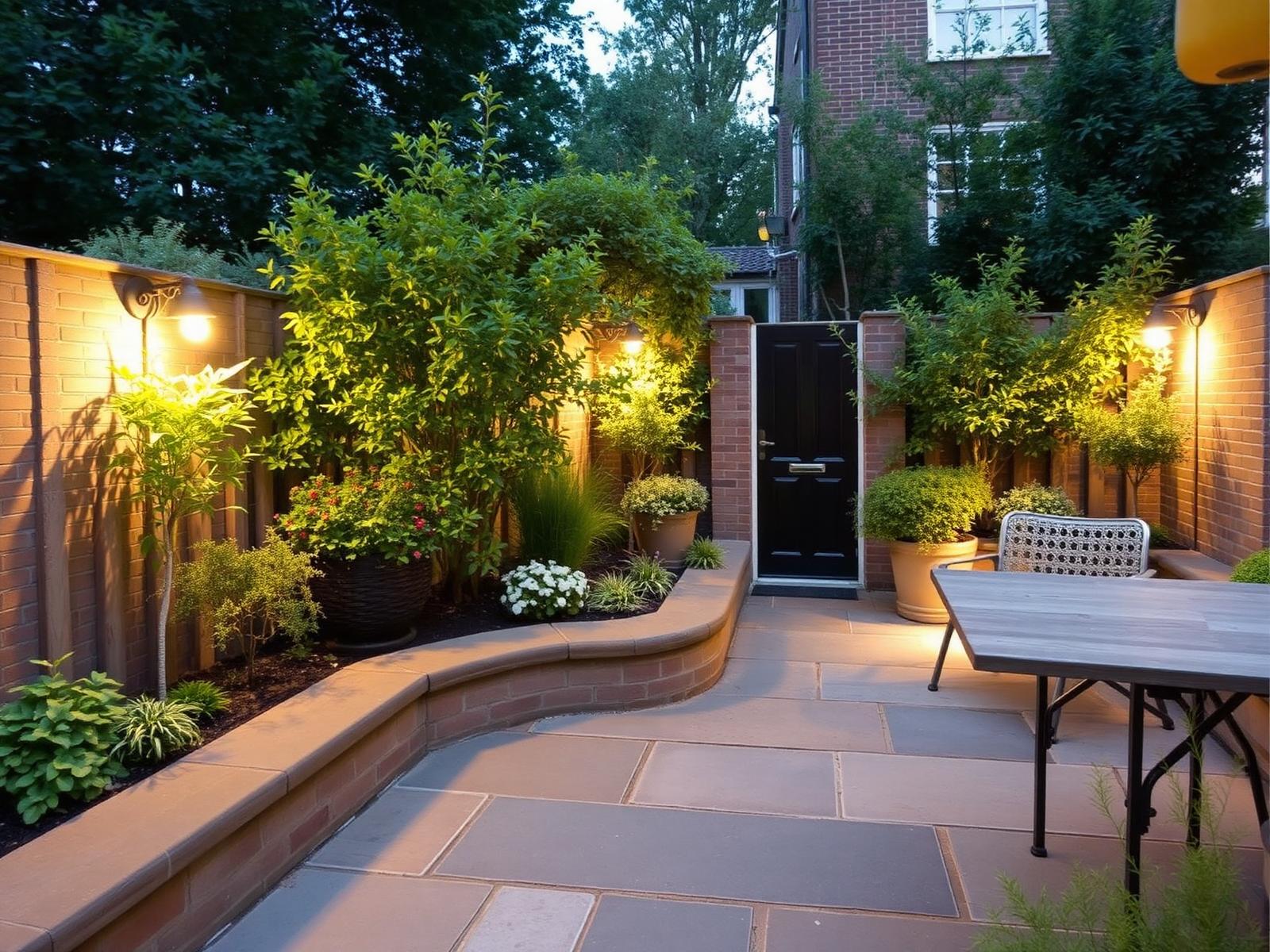
Your property's exterior creates the crucial first impression for every viewing and appears in every photograph. Stand across the street and assess your home as a buyer would. Front gardens, entrance doors, windows, and facades should all appear well-maintained and welcoming.
Start with your front door. Repaint or revarnish if needed, polish hardware, and ensure the doorbell and lighting work properly. Add a new doormat and consider a planted pot on either side of the entrance if space permits. These small touches signal care and create a welcoming threshold.
Front gardens require particular attention. Trim hedges, mow lawns, weed borders, and remove bins from view wherever possible. If your front space is paved or tiled, pressure-wash it thoroughly. Clean all windows inside and out—this single task transforms how much light enters your property and significantly improves photography for property listings.
For houses with rear gardens, ensure outdoor spaces are tidy and appear usable. Mow lawns, trim overgrown plants, clean patios, and remove clutter like broken furniture or unused equipment. London buyers value outdoor space highly, and a well-presented garden can be a decisive factor, particularly for family houses for sale in areas with good schools.
Talk to Seymont
What's your home worth?
A considered view on price, timing and how to bring your London home to market — a personal reply within 24 hours.
Your property
Step 1 of 2Professional Home Staging in London
Home staging ranges from simple furniture rearrangement to full professional redesign with hired furnishings. For most London properties, a middle approach works best: work with your existing furniture but optimise layout, lighting, and styling to showcase each room's potential.
Begin by defining a clear purpose for every room. Box rooms should be staged as either bedrooms, offices, or dressing rooms—never storage spaces filled with boxes. Remove excess furniture so buyers can move easily through each space. In living areas, arrange seating to create conversation areas and ensure clear pathways.
Consider hiring a professional home staging consultant for a half-day consultation, typically £300-600 in London. They'll advise on furniture placement, recommend which pieces to remove or add, and suggest styling touches that appeal to your likely buyer demographic. This proves particularly valuable for unusual layouts or where you've struggled to make spaces work.
For vacant properties, professional staging with hired furniture costs £1,500-5,000 depending on property size and duration. We've observed that staged vacant properties typically achieve 5-8% higher prices and sell 30-40% faster than empty properties. The investment usually justifies itself, particularly for properties priced above £800,000 where presentation expectations are highest.
Optimising Photography for Property Listings
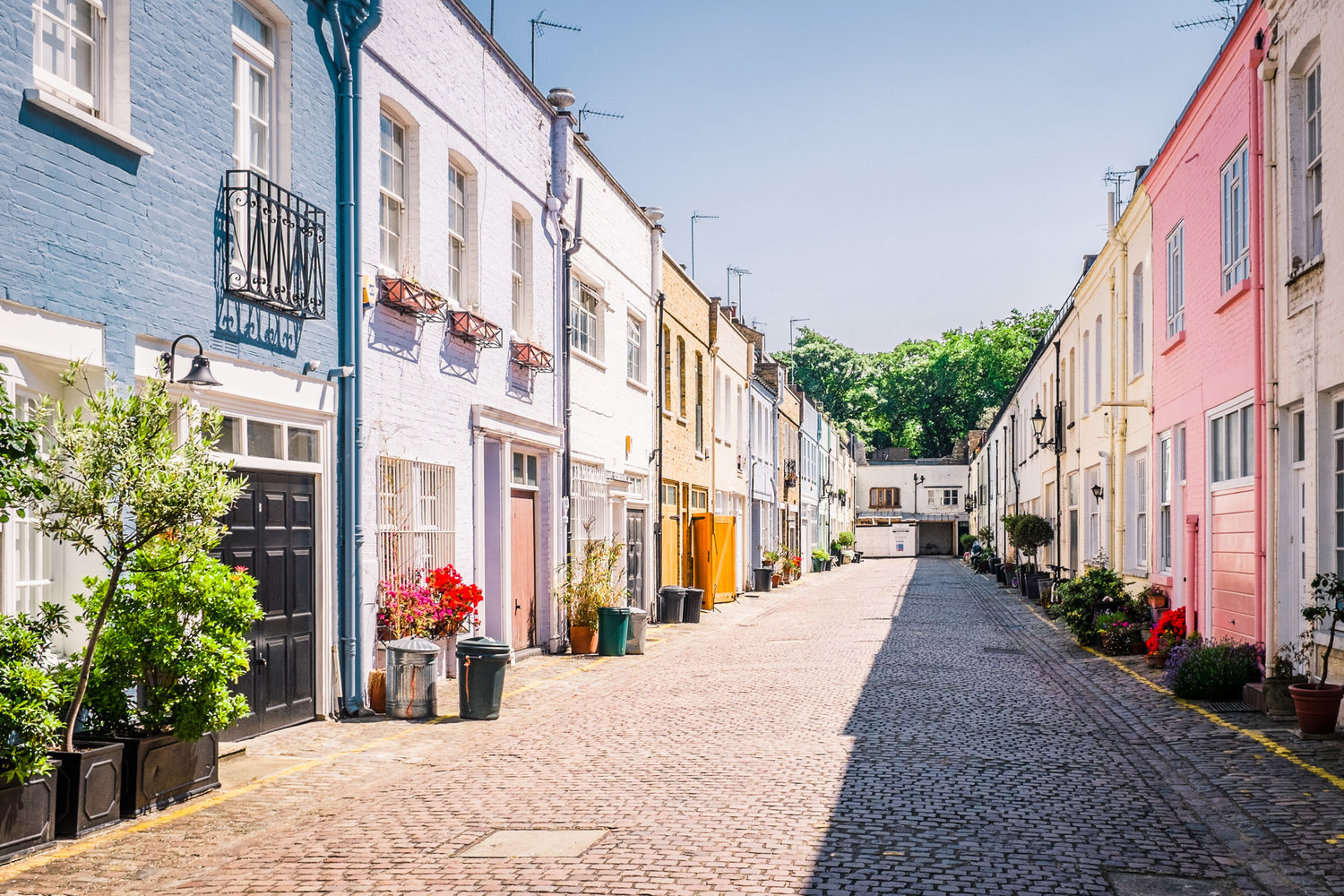
Over 95% of London property searches begin online, making professional photography essential rather than optional. Your listing photographs determine whether buyers shortlist your property for viewing, directly impacting how many offers you receive.
Schedule photography for a bright day, ideally morning or early afternoon when natural light is optimal. Ensure every room is spotlessly clean, beds are made with fresh linen, and all lights are on—even during daytime—to maximise brightness. Remove visible cables, close toilet lids, and hide bins.
Professional property photographers charge £150-400 for a standard London property, including 20-30 edited images. They bring wide-angle lenses, lighting equipment, and editing expertise that smartphone cameras cannot match. We always recommend professional photography; the quality difference is immediately apparent to buyers browsing property listings online.
Discuss with your photographer which rooms and angles best showcase your property's strengths. Ensure they capture key selling points: original features in Victorian houses, views, outdoor space, and storage. The first image in your listing should be your most compelling—typically an inviting living space or striking exterior that makes browsers click through to see more.
Final Preparations Before Listing
Once repairs, decluttering, and staging are complete, conduct a final preparation sweep. Deep-clean every room or hire professional cleaners (£150-300 for a thorough pre-sale clean of a typical London house). Clean properties photograph better and show better, sending powerful signals about how you've maintained your home.
Address any lingering odours. Homes with pets or smokers should be professionally deep-cleaned, including carpets and soft furnishings. During viewings, ensure good ventilation and avoid cooking strong-smelling foods beforehand. Subtle, fresh scents—like opened windows and fresh flowers—create a more welcoming environment than artificial air fresheners.
Prepare essential documents before listing: Energy Performance Certificate (legally required and valid for ten years), proof of planning permissions for any alterations, building control certificates, boiler service records, and warranty documents for recent works. Having these ready demonstrates organisation and builds buyer confidence.
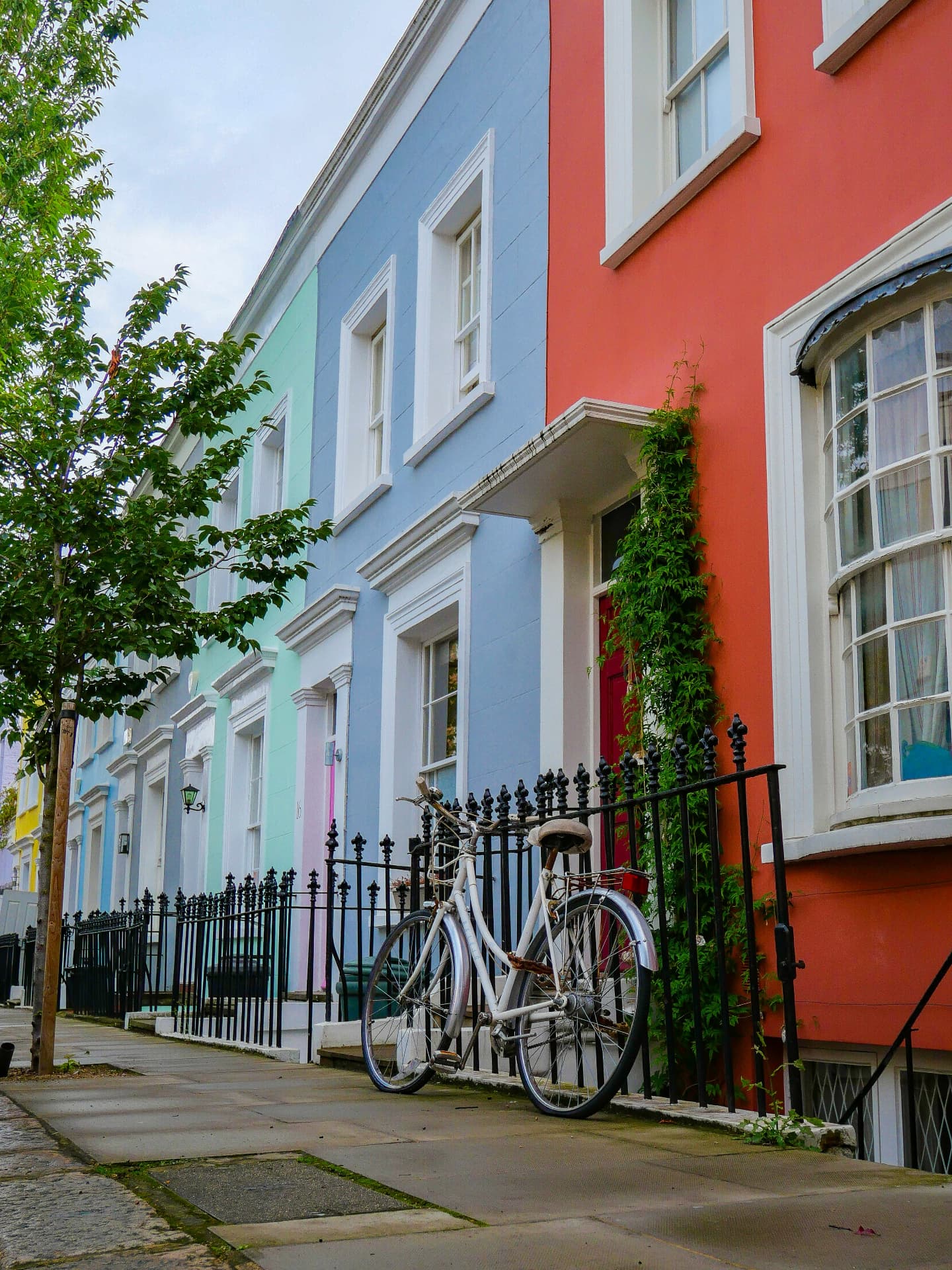
Finally, arrange for our [valuation](/valuation) to determine optimal pricing based on your property's improved presentation. Proper preparation allows you to list at the top of your realistic price range, attracting serious buyers and maximising competition. Our [areas](/areas) guide can provide insights into buyer expectations and sold house prices in your specific London location, helping you understand local market dynamics as you [prepare to sell](/sell).
Talk to Seymont
What's your home worth?
A considered view on price, timing and how to bring your London home to market — a personal reply within 24 hours.
Your property
Step 1 of 2About the author
Julian ReyesLicensed Real Estate Agent
Julian has spent eleven years handling residential sales across west and central London, previously with the independent agencies Harlowe & Vance and Marchmont Row. He runs listings end to end, from pricing and presentation through to negotiating offers and holding chains together to completion. His writing focuses on the practical mechanics of buying and selling a home in a market where timing and preparation decide the outcome.
Licensed estate agent · 11 years in London residential sales
- Residential sales
- First-time buyers
- Offer negotiation
- Chain management
Frequently asked
- How long does preparing a house for sale typically take?
- Most sellers need four to six weeks to properly prepare their London home for sale. This allows time for decluttering, completing repairs, repainting if needed, arranging professional cleaning, and staging each room effectively. If you need to sell more quickly, focus on the highest-impact tasks: decluttering, deep cleaning, addressing kerb appeal, and ensuring professional photography. Even two weeks of focused preparation will significantly improve your property's presentation compared to listing without preparation.
- Should I redecorate in neutral colours before selling?
- Repainting in neutral colours is worthwhile if your current décor is bold, highly personalised, or noticeably worn. Neutral shades like soft greys, warm whites, and gentle beiges appeal to the widest range of buyers and help them envision their own furnishings in the space. However, if your existing paintwork is clean, undamaged, and already in subtle tones, repainting isn't necessary. Focus your budget on repairs and presentation instead. For period properties, retain original colour schemes that complement architectural features rather than painting everything magnolia.
- Is professional home staging worth the cost in London?
- Professional home staging typically returns considerably more than its cost in London's competitive property market. Even a consultation-only service (£300-600) provides expert guidance on optimising your existing furnishings and identifying issues you may overlook. Full staging with hired furniture (£1,500-5,000) proves particularly valuable for vacant properties or homes with outdated furnishings, often reducing time on market by several weeks and achieving higher sale prices. We recommend at least a professional consultation for properties priced above £600,000 where buyer expectations are highest.
- What repairs should I prioritise before listing my property?
- Prioritise repairs that affect first impressions, functionality, and buyer confidence. Essential repairs include fixing leaks, addressing damp, ensuring heating works properly, repairing broken fixtures, and refreshing tired paintwork. Replace cracked tiles, fix dripping taps, repair squeaky doors, and ensure all lights work. Avoid major renovations like new kitchens unless essential; they rarely return full cost. Instead, deep-clean existing fixtures and make cosmetic improvements. For structural or systems concerns, consider a pre-listing survey to identify issues that might derail sales during a buyer's survey later.
- How important is kerb appeal for London properties?
- Kerb appeal is crucial in London's competitive market. Your property's exterior creates the first impression in online photographs and when buyers arrive for viewings. Simple improvements—repainting the front door, cleaning windows, tidying front gardens, and removing bins from view—significantly impact buyer perception. These improvements cost relatively little but influence whether buyers feel excited to view inside. Properties with strong kerb appeal receive more viewing requests from online listings and create positive momentum that continues throughout the viewing, often resulting in stronger offers.
- Do I need an Energy Performance Certificate before selling?
- Yes, an Energy Performance Certificate (EPC) is legally required before marketing your property for sale in England. EPCs are valid for ten years, so check whether you have a current certificate from when you purchased. If not, arrange an assessment through an accredited assessor, which typically costs £60-120 for a London property. You must have the EPC available to prospective buyers from the first day of marketing. For current regulations and to find accredited assessors, visit gov.uk and search for Energy Performance Certificates.