Guides
Buying a Victorian House in London: What to Check
Written by Julian Reyes · Licensed Real Estate Agent
Published 8 March 2026 · Updated 30 June 2026 · 9 min read
The short answer
Victorian houses form the backbone of London's residential property market, built between 1837 and 1901 across every borough. Before purchasing a victorian house, check for structural movement in walls and bays, investigate damp in solid-wall construction, inspect original features for authenticity and condition, assess electrics and plumbing upgrades, and commission a specialist period property survey.
Victorian houses form the backbone of London's residential property market, built between 1837 and 1901 across every borough. Before purchasing a victorian house, check for structural movement in walls and bays, investigate damp in solid-wall construction, inspect original features for authenticity and condition, assess electrics and plumbing upgrades, and commission a specialist period property survey. These homes offer generous proportions and architectural character, but their age demands careful due diligence. Our team has guided hundreds of buyers through victorian house purchases across London. This guide explains the essential checks to make before committing to one of these period properties, helping you understand both their appeal and the practical considerations that protect your investment.
Understanding London's Victorian Housing Stock
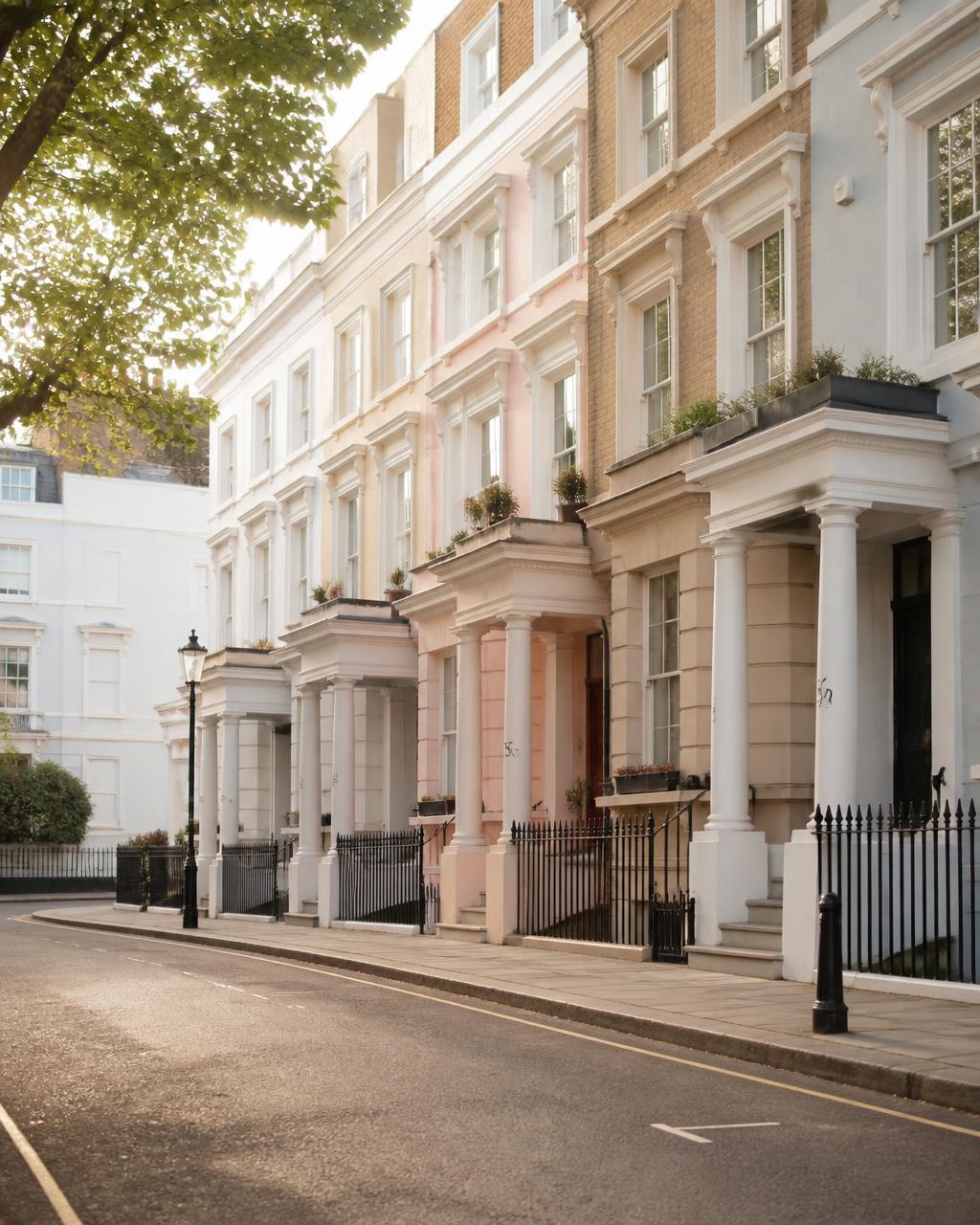
Victorian houses dominate neighbourhoods from Clapham to Crouch End, reflecting the capital's explosive growth during the industrial era. Developers built millions of homes to accommodate London's swelling population, creating the terraced streets, semi-detached villas and mansion blocks that define entire postcodes today. Construction methods, materials and design evolved considerably across the 64-year reign, meaning an early-Victorian villa from the 1840s differs substantially from a late-Victorian terrace built in the 1890s.
Most London victorian houses share common features: solid brick walls without cavities, timber suspended floors, sash windows, high ceilings, decorative cornicing and generous room proportions. Properties for sale today range from modest two-bedroom terraces to substantial family homes with four or five bedrooms, often across three or four floors including lower-ground or basement levels. Understanding your chosen property's position within this spectrum helps set realistic expectations for maintenance, running costs and potential alterations.
The popularity of victorian houses remains strong across the capital. Buyers value their blend of period character and adaptability—many accommodate modern living through rear extensions, loft conversions and reconfigurations while retaining original features. Before viewing homes for sale, consider which architectural details matter most to you and how much restoration work you're prepared to undertake or commission.
Commission a Specialist Period Property Survey
A comprehensive survey represents your most important investment before exchange. For victorian houses, we always recommend a RICS Level 3 Building Survey (formerly called a structural survey) conducted by a surveyor with demonstrable period property experience. This detailed inspection examines the building's construction, identifies defects, assesses their severity and estimates repair costs—essential information for properties approaching or exceeding 120 years old.
Generic homebuyer surveys often miss nuances specific to Victorian construction. A period property survey specialist understands how solid-wall buildings move and settle, recognises original lime mortar and plaster, distinguishes cosmetic cracking from structural concerns, and knows where to look for concealed defects common to the era. They'll investigate areas standard surveys might overlook: the condition of hidden timbers, evidence of historical alterations, appropriateness of modern interventions and compatibility of repair materials with original construction.
Expect your surveyor to flag issues for further investigation by specialists—damp specialists, structural engineers, timber treatment companies or drainage consultants. This cascading approach to due diligence is normal for period homes and protects you from expensive surprises. The survey report becomes a negotiating tool, helping you agree price adjustments or require the seller to remedy defects before completion.
Budget between £800 and £1,800 for a Level 3 survey depending on property size and location, plus additional costs for any specialist reports recommended. This expenditure pays for itself many times over by revealing problems before you're legally committed. Our [valuation](/valuation) service works alongside survey findings to ensure you're paying fair market value for the property in its actual—not superficially presented—condition.
Inspect for Structural Movement and Subsidence
Victorian houses were built on shallow foundations by modern standards, making them more susceptible to ground movement than newer properties. Settlement cracks are common and usually benign—the building adjusting to its site over decades—but active subsidence, heave or other structural movement requires investigation and potentially expensive underpinning. Learning to distinguish between the two saves unnecessary alarm while ensuring genuine problems don't go unaddressed.
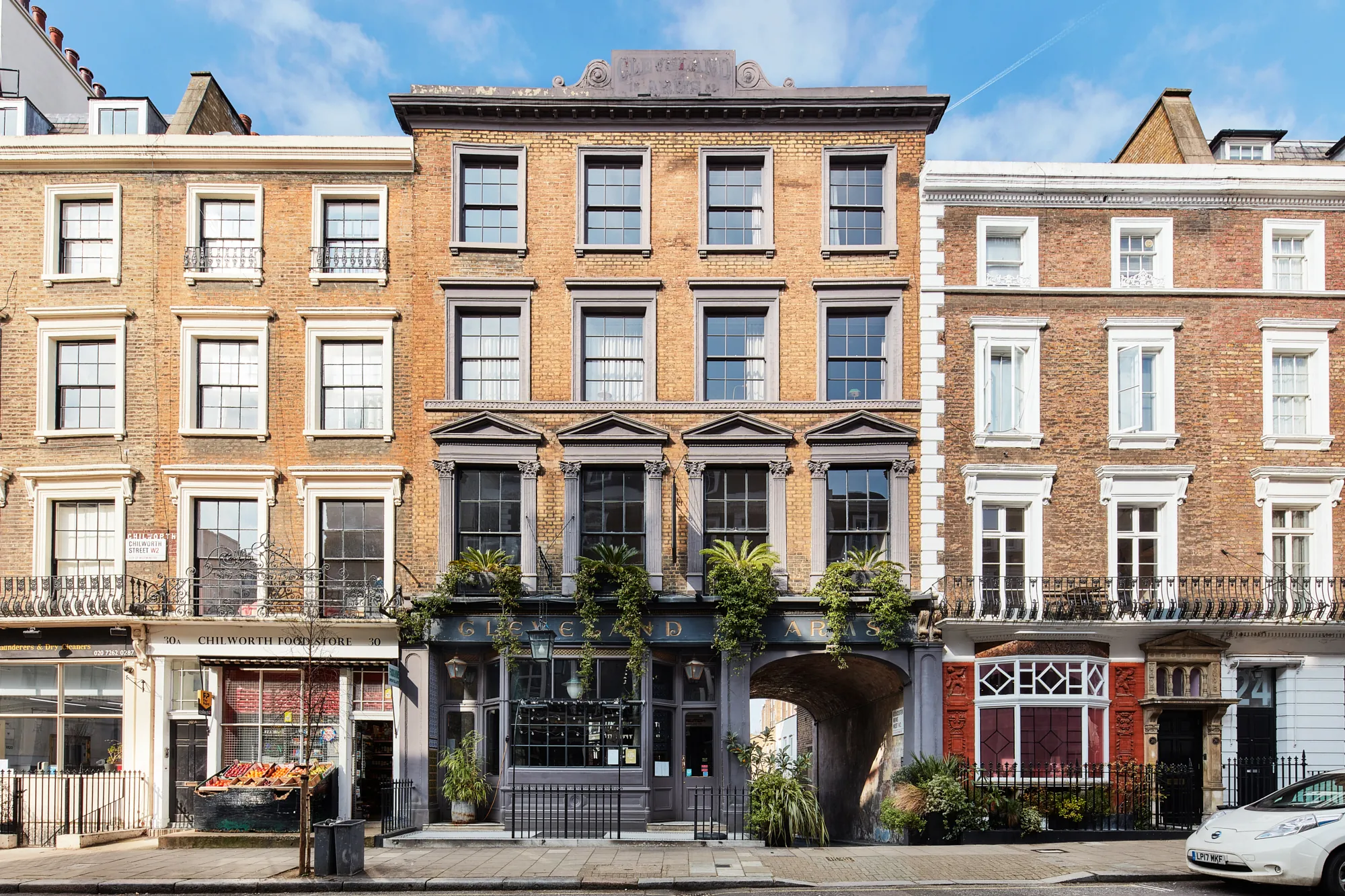
Examine external brickwork for stepped cracking following the mortar lines, diagonal cracks running through bricks, or separation where extensions meet original structures. Inside, look for cracks wider than a pound coin's thickness, doors and windows that no longer fit their frames squarely, and sloping floors. Bay windows, a defining feature of many victorian houses, were often added as projections from the main structure and can show independent movement—check where they join the front wall and inspect their undersides from outside for cracking or leaning.
London's clay subsoil expands when wet and shrinks during dry periods, causing seasonal movement. Mature trees near the property exacerbate this by extracting moisture from clay. Your surveyor will assess whether cracks show signs of ongoing movement (fresh, unweathered edges; different width at top and bottom) or historical settlement that's now stable. They may recommend monitoring over several months or immediate structural engineer assessment depending on severity.
Subsidence claims appear on insurance databases and must be disclosed by sellers. Always obtain a full search through your conveyancer, and budget for higher insurance premiums if the property has a subsidence history, even if successfully remedied. Underpinning costs vary dramatically but can exceed £30,000 for significant works, making this a critical area for negotiation if your survey reveals active problems.
Talk to Seymont
What's your home worth?
A considered view on price, timing and how to bring your London home to market — a personal reply within 24 hours.
Your property
Step 1 of 2Investigate Damp in Period Homes and Ventilation
Damp in period homes stems from different causes than in modern cavity-wall construction, and remedying it requires sympathetic approaches that work with Victorian building methods rather than against them. Solid brick walls were designed to absorb and release moisture dynamically through lime mortar and breathable materials. Modern cement pointing, impermeable paints and injected damp-proof courses can trap moisture inside walls, creating problems worse than those they claim to solve.
Rising damp appears as tide marks, staining, salt deposits and deteriorating plaster at ground level, caused by moisture wicking up through walls where original physical barriers have failed. Penetrating damp comes from outside through defective rendering, blocked gutters, leaking downpipes, porous brickwork or failed pointing. Condensation damp results from poor ventilation combined with modern heating and living patterns, often misdiagnosed as structural damp and mistreated with inappropriate interventions.
During viewings of houses for sale, check ground-floor rooms and basements carefully. Look behind furniture against external walls, examine skirting boards for lifting paint or soft timber, and smell for mustiness. Victorian houses with suspended timber floors should have airbricks visible externally—blocked airbricks starve the void beneath of ventilation, encouraging timber decay and dry rot. In basements, distinguish between historic waterproofing that's failing and cosmetic decoration hiding ongoing problems.
Beware of recent redecoration that might conceal damp evidence, particularly fresh paint on ground-floor walls or new carpets in basements. Reputable sellers should disclose known damp issues; your survey will use moisture meters and inspect concealed areas. Treatment depends on diagnosis: repointing with lime mortar, improving drainage and ventilation, installing tanking systems in basements, or replacing failed damp-proof courses. Costs range from hundreds for minor repointing to £15,000 or more for comprehensive basement tanking. Our [journal](/journal) explores period property maintenance in greater depth.
Assess Original Features and Previous Alterations
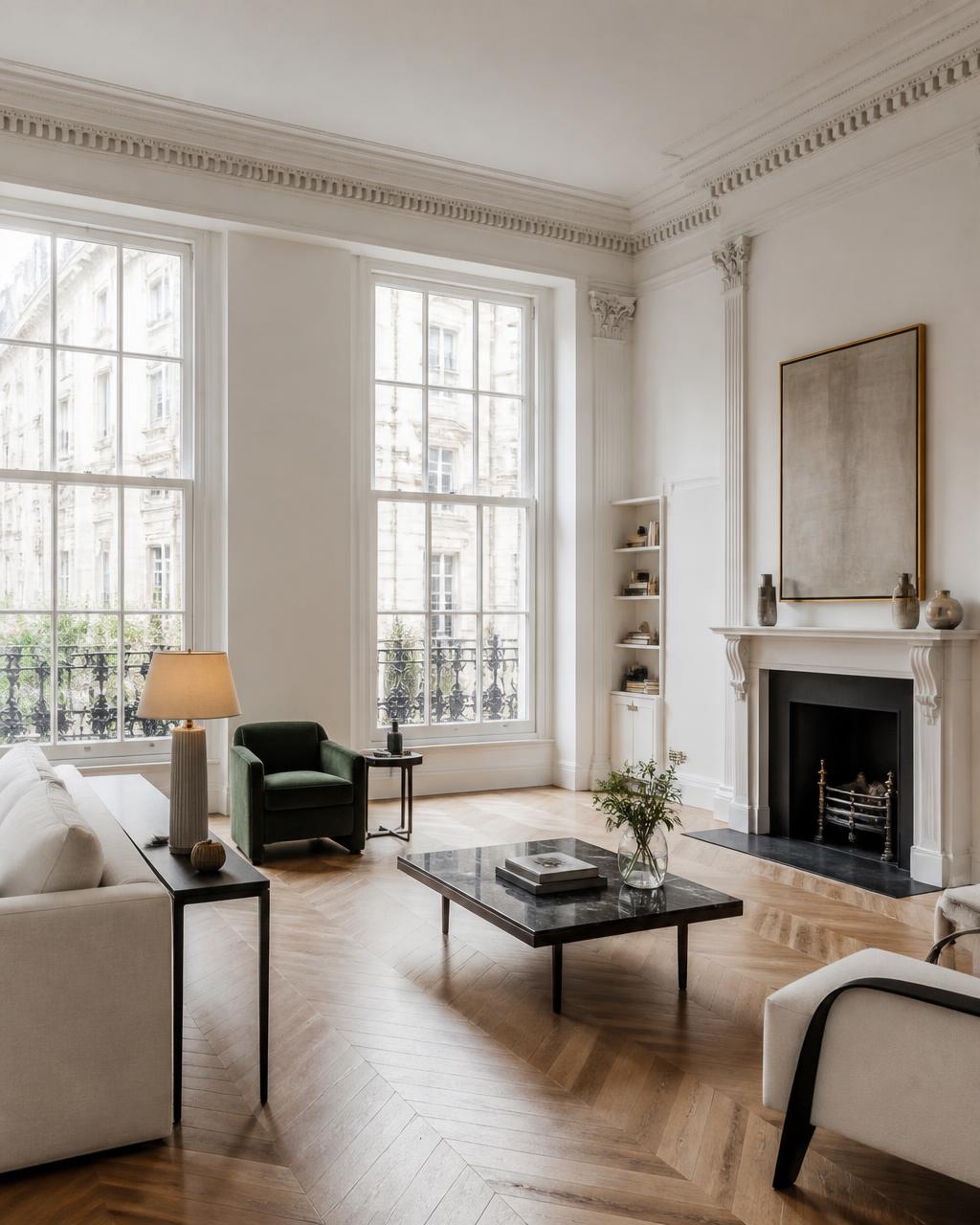
The character premium buyers pay for victorian houses rests largely on surviving original features: sash windows, internal doors, floorboards, fireplaces, cornicing, ceiling roses, picture rails and decorative tiles. Inspect their condition and authenticity carefully, as replacing missing elements or restoring damaged ones adds significantly to renovation budgets. Equally important is assessing how sympathetically previous owners have updated the property and whether alterations were properly consented.
Examine sash windows for smooth operation, intact glazing bars and absence of rot in timber components. Replacement uPVC windows, common in the 1980s and 1990s, diminish appeal and value; reinstating timber sashes costs £800–£1,500 per window. Original floorboards, even if covered by carpet, represent a desirable feature if in restorable condition. Lift carpets at viewings to check—woodworm damage, substantial paint spills or missing sections reduce their viability.
Many victorian houses have been extended, converted or reconfigured over decades. Check whether extensions, loft conversions or basement excavations obtained the necessary planning permission and Building Regulations approval. Your conveyancer should request these documents from the seller, but missing paperwork for older works isn't necessarily fatal—indemnity insurance can cover risk where works are clearly historic and unlikely to prompt enforcement action.
Knock-through reception rooms, kitchen extensions and bathroom additions are standard in period properties. Assess whether they respect the building's character or compromise it—sympathetic alterations maintain value while jarring interventions may require reversal. If you're planning your own works, factor this into your offer. Browse our [areas](/areas) guide to understand how local planning authorities across different London boroughs approach period property alterations, as attitudes vary considerably.
Check Electrical, Plumbing and Heating Systems
Victorian houses obviously predate modern services, so all electrics, plumbing and heating represent later additions requiring regular renewal. An Electrical Installation Condition Report (EICR) valid within the past five years should be available from the seller—this certificate confirms whether wiring is safe. Absence of an EICR means budgeting for testing (around £200–£400) and potentially a full rewire if the system is obsolete.
Original knob-and-tube wiring or rubber-insulated cabling from the mid-twentieth century is dangerous and uninsurable. Even copper wiring from the 1970s or 1980s may need replacement, particularly if alterations have been made by unqualified persons. A complete rewire for a three-bedroom victorian house costs £4,000–£8,000 depending on property size, access and finish quality. This work causes significant disruption, requiring floors and walls to be opened, so factor it into your renovation timeline and budget.
Plumbing in period homes often combines original lead supply pipes, vintage iron waste stacks, mid-century copper additions and modern plastic—a patchwork requiring gradual renewal. Lead pipes should be replaced to avoid health risks; water companies sometimes contribute to costs. Check the boiler age and efficiency, with gas combination boilers typically requiring replacement after 10–15 years at costs of £2,500–£4,000 including installation.
Heating systems vary from efficient modern installations to ancient storage heaters or outdated radiators on elderly boilers. Victorian houses with high ceilings and solid walls are expensive to heat without adequate insulation. Investigate whether lofts are insulated, whether floors have been insulated during renovation, and what glazing specification the windows meet. Energy Performance Certificates (EPCs) provide a baseline but often don't reflect how the property performs after appropriate improvements.
Review Sold House Prices and Make Your Offer
Having completed inspections and received your survey, you're ready to formulate an offer informed by the property's true condition. Research sold house prices for comparable victorian houses in the immediate area using HM Land Registry data, available free through the gov.uk Price Paid Data service. This shows what properties actually achieved, not asking prices, giving you evidence for negotiations.
Your offer should reflect survey findings, required works and market conditions. Significant defects—subsidence requiring attention, absent Building Regulations certificates for major works, necessary rewiring—justify price reductions or requests for sellers to remedy issues before completion. Present your position clearly with supporting documentation from your survey, and be prepared to walk away if the seller won't negotiate reasonably on material problems.
Stamp Duty Land Tax applies to purchases above current thresholds, with additional rates for second homes and overseas buyers. Check the latest SDLT bands on gov.uk, as these change periodically, and factor this cost into your total budget alongside survey fees, legal costs, removals and immediate works. Our [buy](/buy) section explains the full purchase process from offer through to completion.
Victorian houses reward buyers who approach them with appropriate expectations and budgets for maintenance. When selecting property for sale across London, we help buyers understand the true cost of ownership beyond the purchase price, ensuring you choose a period home that suits both your lifestyle aspirations and practical circumstances. The result is a purchase you'll value for years, in a building that's already stood for more than a century and will continue serving Londoners for generations to come.
Talk to Seymont
What's your home worth?
A considered view on price, timing and how to bring your London home to market — a personal reply within 24 hours.
Your property
Step 1 of 2About the author
Julian ReyesLicensed Real Estate Agent
Julian has spent eleven years handling residential sales across west and central London, previously with the independent agencies Harlowe & Vance and Marchmont Row. He runs listings end to end, from pricing and presentation through to negotiating offers and holding chains together to completion. His writing focuses on the practical mechanics of buying and selling a home in a market where timing and preparation decide the outcome.
Licensed estate agent · 11 years in London residential sales
- Residential sales
- First-time buyers
- Offer negotiation
- Chain management
Frequently asked
- What is the most common problem with Victorian houses?
- Damp in period homes ranks as the most frequently encountered issue, caused by solid-wall construction, failed or absent damp-proof courses, poor ventilation, and inappropriate modern repairs using impermeable materials. Many problems are exacerbated by cement pointing and synthetic paints that trap moisture in walls designed to breathe. A specialist period property survey will identify the type and cause of dampness, enabling sympathetic remediation using lime-based materials and improved drainage rather than invasive chemical treatments that often prove ineffective.
- Do I need a specialist surveyor for a Victorian house?
- Yes, we strongly recommend commissioning a RICS Level 3 Building Survey from a surveyor with demonstrable period property experience. Victorian construction methods, materials and typical defects differ substantially from modern homes. A specialist understands how solid-wall buildings behave, recognises appropriate versus inappropriate repairs, and knows where to look for concealed problems in properties exceeding 120 years old. The additional cost over a standard survey—typically a few hundred pounds—is negligible compared to the expensive surprises an inexperienced surveyor might miss.
- How much does it cost to renovate a Victorian house in London?
- Renovation costs vary dramatically depending on condition and scope. A cosmetic refresh with redecoration might cost £15,000–£30,000 for a three-bedroom property. Comprehensive renovation including rewiring (£4,000–£8,000), new heating system (£3,000–£5,000), damp treatment (£2,000–£15,000), window restoration (£800–£1,500 per window), kitchen and bathroom replacement (£20,000–£50,000 combined) and general repairs can easily exceed £80,000–£120,000. Structural works, basement conversions or major extensions add considerably more. Always obtain detailed quotes and add 15–20% contingency for unforeseen issues common in period properties.
- Are Victorian houses more expensive to insure?
- Victorian houses typically cost 10–30% more to insure than equivalent modern properties due to higher rebuild costs, susceptibility to subsidence, solid-wall construction and expensive period features requiring specialist restoration. Properties with previous subsidence claims, unconventional construction or listed status face higher premiums still. However, well-maintained victorian houses without adverse history often secure competitive rates. Always disclose the property's age, construction type and any known issues accurately to insurers, and obtain quotes before committing to purchase if insurance cost is a concern.
- Can I get a mortgage on a Victorian house with problems?
- Lenders will mortgage victorian houses with minor defects but may refuse or reduce lending on properties with significant structural issues, active subsidence, extensive damp, missing Building Regulations certificates for major works, or non-standard construction. Your mortgage valuation—distinct from your survey—assesses whether the property provides adequate security. Serious problems identified may result in the valuer 'downvaluing' the property or retaining funds until defects are remedied. Address major issues before exchange or negotiate retention clauses allowing repairs using mortgage funds post-completion where lenders permit.
- What should I budget for maintaining a Victorian house?
- Annual maintenance for a victorian house typically runs 1–2% of the property's value, higher than modern equivalents due to age-related repairs and period features requiring specialist attention. Expect to spend £3,000–£6,000 yearly on a £500,000 property for routine maintenance: gutter clearing, minor masonry repairs, external decoration cycles (every 4–6 years), boiler servicing, sash window maintenance and general upkeep. Major works—roof replacement, chimney repairs, comprehensive repointing—occur periodically at substantial cost. Establish a sinking fund from purchase to avoid financial strain when large bills arise, as they inevitably will with properties of this age.