Journal
Tower Bridge House Prices in 2026
Written by Julian Reyes · Licensed Real Estate Agent
Published 23 June 2026 · Updated 16 July 2026 · 4 min read
The short answer
Tower Bridge house prices continue to command premium valuations in 2026, reflecting the enduring appeal of this iconic riverside location. Positioned at the historic heart of London where the City meets the Thames, Tower Bridge offers a unique blend of heritage architecture, modern waterfront developments and unrivalled connectivity.
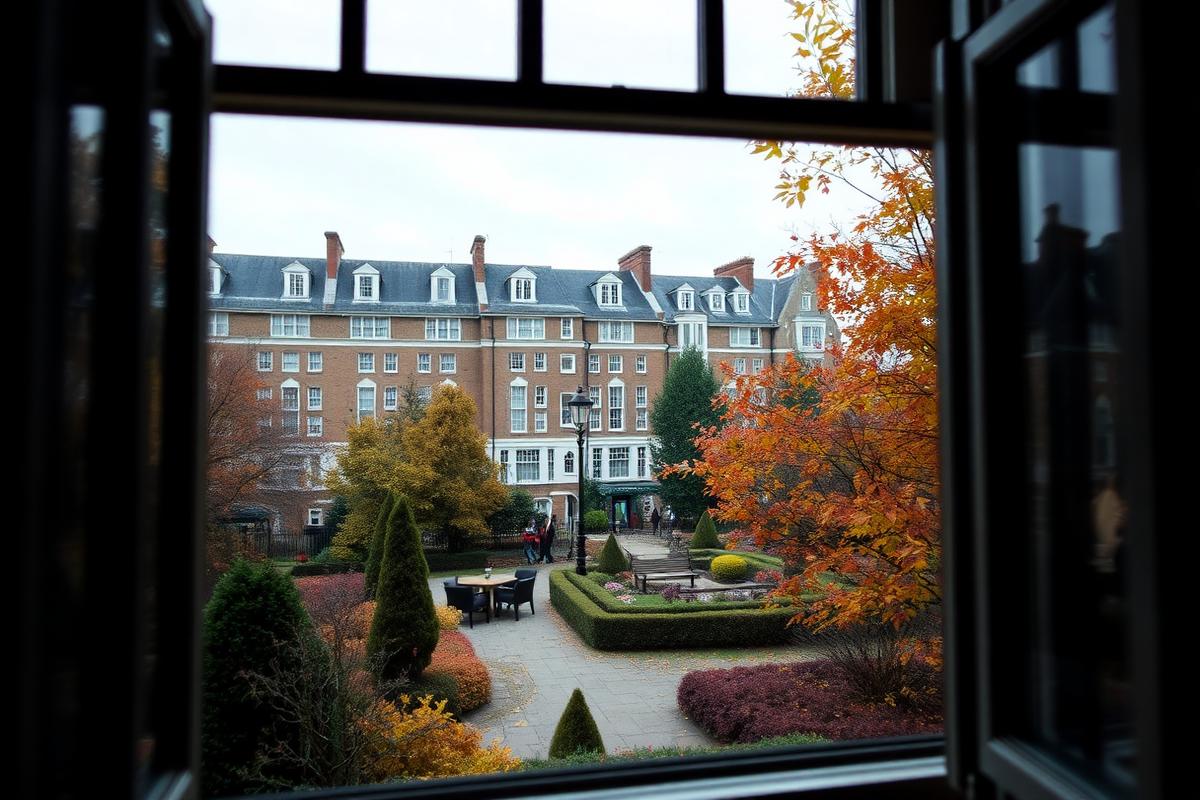
Tower Bridge house prices continue to command premium valuations in 2026, reflecting the enduring appeal of this iconic riverside location. Positioned at the historic heart of London where the City meets the Thames, Tower Bridge offers a unique blend of heritage architecture, modern waterfront developments and unrivalled connectivity. Our team at Seymont London examines the current property market dynamics in this distinguished SE1 postcode, where the world-famous bridge itself serves as both landmark and symbol of the area's prestige. For those considering buying or selling in this remarkable enclave, understanding local price movements has never been more important.
Understanding the Tower Bridge Property Market
The Tower Bridge property market operates within a distinctive ecosystem shaped by its riverside location and proximity to the Square Mile. Properties here range from converted Victorian warehouses along Shad Thames to contemporary riverside apartments in developments like Butler's Wharf, each commanding different price points depending on views, river access and period features.
Our observations throughout 2026 indicate that buyers seeking houses for sale in Tower Bridge prioritise location specificity—river views, walking distance to the bridge itself, and access to Tower Bridge Road's amenities all influence valuations significantly. The limited supply of freehold houses compared to leasehold apartments creates particular dynamics in this primarily residential-commercial hybrid neighbourhood.
When evaluating average house price Tower Bridge figures, it's essential to distinguish between converted period properties—often former wharves and warehouses transformed into substantial family homes—and purpose-built modern houses, which remain exceptionally rare in this established urban quarter. Those searching for a house for sale near me while based in Tower Bridge will find themselves exploring neighbouring Bermondsey and Wapping for additional freehold options.
The scarcity of available housing stock means that sold house prices in Tower Bridge frequently exceed initial asking figures when desirable properties reach the market, particularly for homes offering private outdoor space or direct Thames frontage.
Tower Bridge Property Prices: What Drives Values
Tower Bridge property prices reflect multiple value drivers beyond simple square footage. The area's position between two of London's most significant employment centres—the City of London and Canary Wharf—ensures consistent demand from professionals seeking minimal commute times, whilst international buyers prize the address for its global recognition and cultural cachet.
Historic character plays a substantial role in valuations. Victorian houses and converted industrial buildings that retain original features such as exposed brickwork, cast-iron columns and vaulted ceilings attract premiums over standard modern apartments. Butler's Wharf, Shad Thames and the streets immediately surrounding St Katharine Docks contain some of London's most photographed residential conversions, where industrial heritage meets contemporary luxury.
Waterfront positioning remains the single greatest price determinant. Properties with direct Thames views or private river access command significant premiums—often 30-50% above comparable inland homes—whilst those overlooking the bridge itself occupy the pinnacle of the local market. Our team at [Seymont London's Tower Bridge estate agents](/estate-agents/tower-bridge) regularly advises clients that aspect and outlook can add hundreds of thousands to property values in this postcode.
Infrastructure developments continue influencing long-term value trajectories. The Elizabeth Line's connection via nearby stations, ongoing Southwark regeneration projects and the protected World Heritage Site status of the Tower of London all contribute to Tower Bridge's position as a resilient, blue-chip London location.
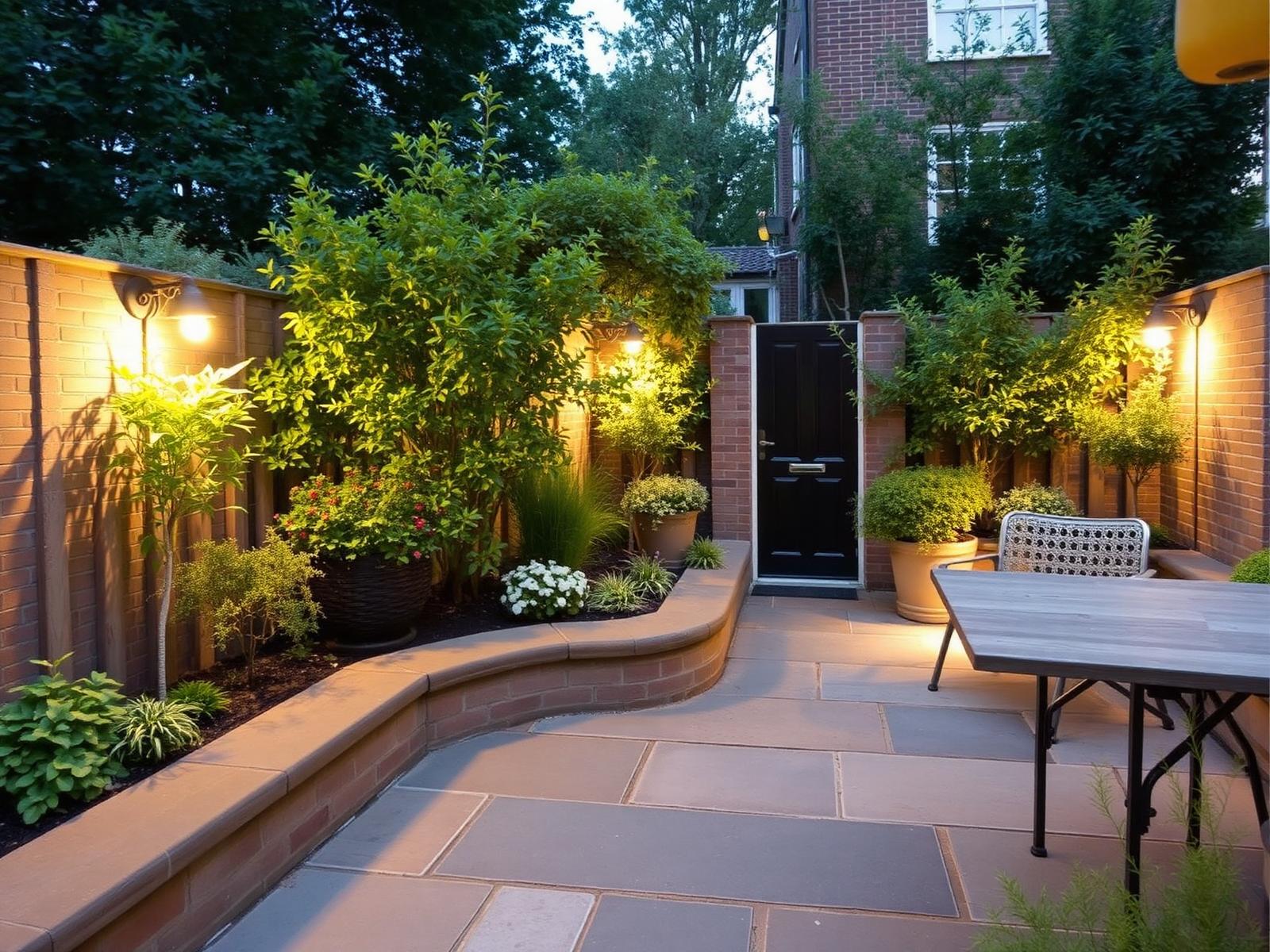
Navigating Tower Bridge Sold Prices in 2026
According to HM Land Registry data, Tower Bridge sold prices in recent periods have shown the characteristic patterns of premium central London locations, though specific transaction volumes in early 2026 remain limited as the year progresses. This relative scarcity of sales reflects both the tightly-held nature of Tower Bridge properties and broader market conditions affecting central London.
When transactions do occur, they provide valuable benchmarks for both buyers and those considering selling house opportunities. Our analysis of comparable sales data suggests that properties achieving the strongest prices share common attributes: exceptional condition, unique period features, outside space and proximity to the bridge and riverside walk.
For sellers contemplating entering the market, understanding recent Tower Bridge sold prices provides essential context for realistic pricing strategies. Our [Tower Bridge house prices](/house-prices/tower-bridge) resource offers detailed insights into how different property types perform, whilst our valuation expertise helps position homes competitively within this nuanced market.
Buyers exploring [property for sale in Tower Bridge](/property-for-sale/tower-bridge) should note that auction house sales remain relatively uncommon in this area compared to traditional private treaty transactions, though period properties requiring substantial renovation occasionally appear at auction, offering opportunities for those with renovation expertise.
Talk to Seymont
What's your home worth?
A considered view on price, timing and how to bring your London home to market — a personal reply within 24 hours.
Your property
Step 1 of 2The Tower Bridge Lifestyle Premium
Beyond pure property metrics, Tower Bridge commands prices that reflect an intangible lifestyle premium. Residents enjoy immediate access to the Thames Path, spanning from Tower Bridge to Bermondsey and beyond, offering traffic-free running and cycling routes with spectacular river views—a rarity in central London that meaningfully enhances daily quality of life.
The area's cultural richness extends from the Design Museum and Fashion and Textile Museum to the vibrant food scene along Bermondsey Street and Maltby Street Market. This combination of heritage and contemporary culture creates a neighbourhood identity distinct from anywhere else in London, justifying the premium positioning that local property prices command.
For families, the proximity to outstanding schools in Southwark and the City, combined with green spaces such as Potters Fields Park and the nearby Thames foreshore, makes Tower Bridge an increasingly sought-after family location despite its urban density. Our team observes growing interest from buyers prioritising walkability and cultural amenities over traditional suburban attributes.
Those considering [letting property in Tower Bridge](/let-your-property/tower-bridge) benefit from strong rental demand driven by these same factors, with corporate relocations and international professionals seeking the area's unique combination of convenience, character and prestige.
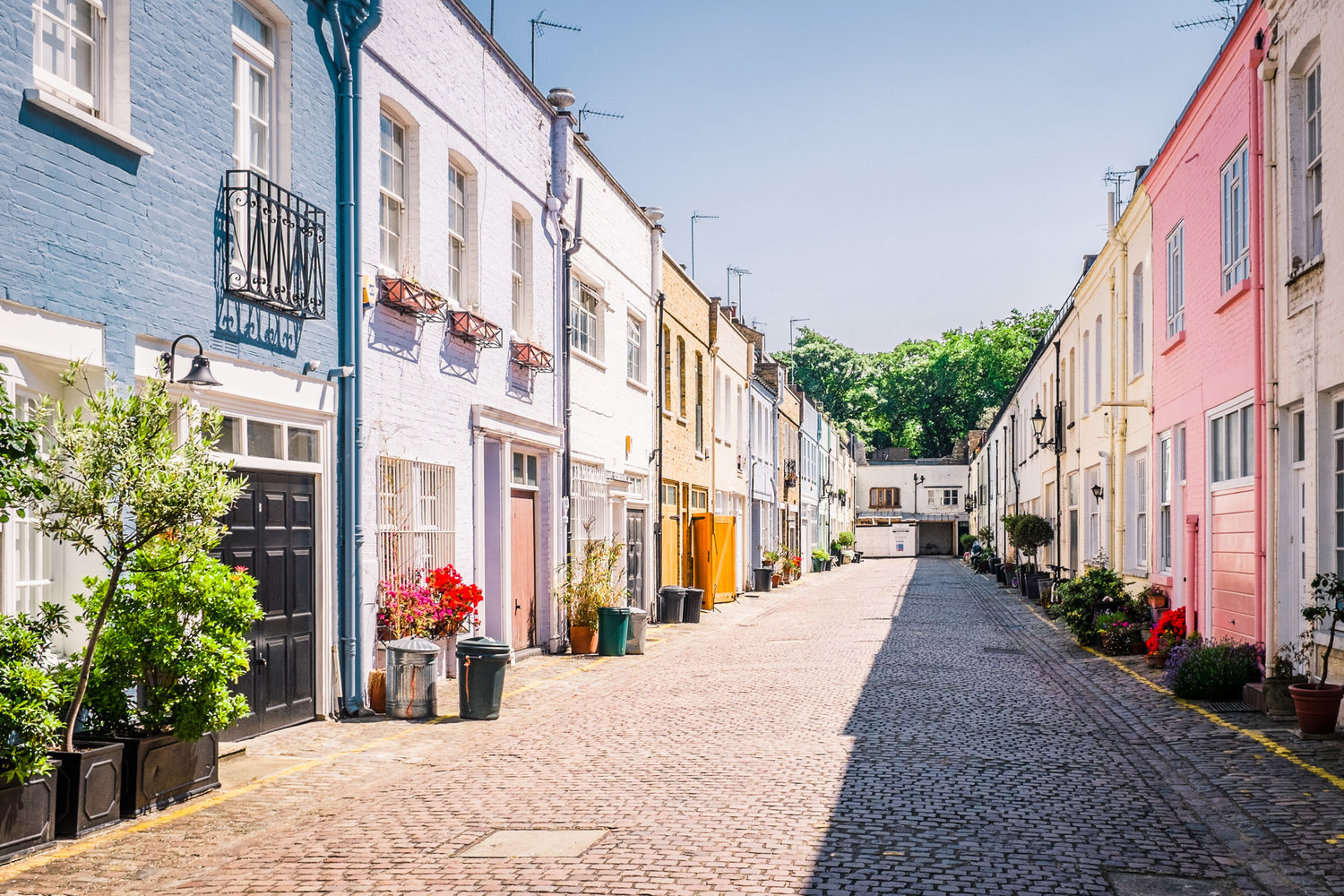
Talk to Seymont
What's your home worth?
A considered view on price, timing and how to bring your London home to market — a personal reply within 24 hours.
Your property
Step 1 of 2About the author
Julian ReyesLicensed Real Estate Agent
Julian has spent eleven years handling residential sales across west and central London, previously with the independent agencies Harlowe & Vance and Marchmont Row. He runs listings end to end, from pricing and presentation through to negotiating offers and holding chains together to completion. His writing focuses on the practical mechanics of buying and selling a home in a market where timing and preparation decide the outcome.
Licensed estate agent · 11 years in London residential sales
- Residential sales
- First-time buyers
- Offer negotiation
- Chain management
Frequently asked
- What is the average house price in Tower Bridge in 2026?
- Tower Bridge property prices vary significantly depending on property type, size and specific location. Converted warehouse homes and period properties near the river typically command the highest values, whilst apartments in purpose-built developments offer more accessible entry points. According to HM Land Registry data, transaction volumes in early 2026 have been limited, making it essential to consult current market comparables. Our team provides detailed valuations based on live market conditions and recent comparable sales specific to your property type and location within Tower Bridge.
- Are Tower Bridge house prices rising or falling in 2026?
- Tower Bridge property prices in 2026 reflect broader prime central London market conditions, with values supported by the area's enduring appeal, limited housing stock and iconic riverside location. While transaction volumes fluctuate, the scarcity of available properties—particularly freehold houses with period features—tends to sustain values even during quieter market periods. Long-term price trajectories in Tower Bridge have historically demonstrated resilience due to the area's unique combination of location, heritage and lifestyle amenities that cannot be replicated elsewhere in London.
- What types of properties are available in Tower Bridge?
- Tower Bridge's housing stock predominantly comprises converted warehouse apartments in historic industrial buildings, particularly along Shad Thames and Butler's Wharf, alongside purpose-built riverside developments. Freehold houses remain exceptionally rare, with most residential property held on leasehold terms. Victorian houses do exist in streets further from the river, though these are tightly held and infrequently reach the market. Period conversions often feature distinctive architectural elements including exposed brickwork, high ceilings and large windows, whilst modern developments emphasise river views and concierge services.
- Is Tower Bridge a good area for property investment?
- Tower Bridge offers compelling investment fundamentals: prime central London location, global brand recognition, consistent occupier demand from City and Canary Wharf professionals, and protected heritage status preventing overdevelopment. The area benefits from excellent transport connectivity, cultural amenities and riverside recreation that support both capital values and rental demand. Limited new supply due to the built-up nature of the area and conservation restrictions helps protect existing property values. However, as with all property investment, individual circumstances, timeframes and specific property selection significantly affect returns.
- How does Tower Bridge compare to neighbouring areas for house prices?
- Tower Bridge typically commands a premium over neighbouring Bermondsey due to its riverside position and iconic landmark status, whilst pricing comparably to nearby Wapping and Shad Thames, which share similar warehouse conversion character. Properties offering direct bridge or Tower of London views command the highest local premiums. The City fringe locations to the north generally reflect commercial rather than residential values, whilst areas further into Southwark offer more accessible pricing. The premium for Tower Bridge addresses reflects both tangible factors—location and property quality—and intangible elements including global recognition and prestige associated with this unique London quarter.