Journal
Things to Do in Tower Bridge
Written by Amara Bennett · Property Market Analyst
Published 19 January 2026 · Updated 5 July 2026 · 4 min read
The short answer
Tower Bridge stands as one of London's most recognisable landmarks, yet the area surrounding this Victorian engineering marvel offers far more than just the bridge itself. For those considering making this historic riverside enclave home, understanding the wealth of things to do in Tower Bridge reveals why this SE1 postcode commands such enduring appeal.
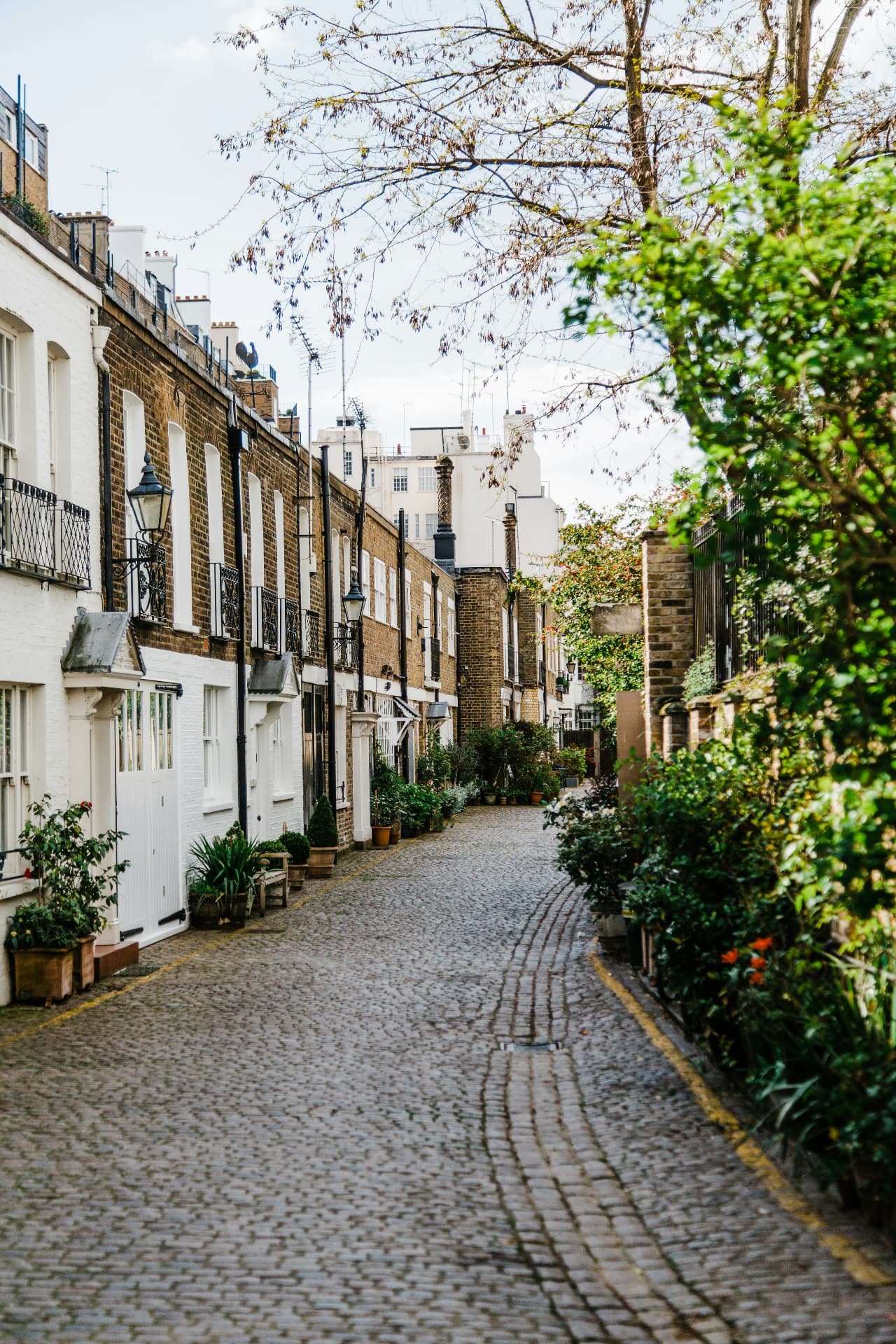
Tower Bridge stands as one of London's most recognisable landmarks, yet the area surrounding this Victorian engineering marvel offers far more than just the bridge itself. For those considering making this historic riverside enclave home, understanding the wealth of things to do in Tower Bridge reveals why this SE1 postcode commands such enduring appeal. From world-class cultural institutions to hidden cobbled streets steeped in maritime history, our team has explored every corner of this distinctive neighbourhood to bring you an insider's perspective on what makes Tower Bridge an exceptional place to live and explore.
Tower Bridge Attractions: The Iconic and the Intimate
The Tower Bridge Exhibition remains the area's centrepiece attraction, offering visitors the chance to walk across the high-level walkways with their glass floors suspended 42 metres above the Thames. The Victorian engine rooms below showcase the original steam-powered machinery that once lifted the bridge's bascules, providing a fascinating glimpse into 19th-century engineering ingenuity.
Just steps away, the Tower of London complex dominates the northern bank, its 1,000-year history encompassing royal palace, prison, and home to the Crown Jewels. The lesser-known Medieval Palace within the Tower walls offers a quieter, more contemplative experience, with its reconstructed chambers revealing how English monarchs lived during the 13th century.
South of the bridge, Potters Fields Park provides unexpected green space with unparalleled views back towards the bridge and the City skyline. This seven-acre park hosts outdoor film screenings during summer months and offers respite from the urban intensity, making it a favourite among local residents seeking a morning run or evening stroll along the Thames Path.
What to Do in Tower Bridge: Culinary and Cultural Experiences
The area's culinary landscape reflects its position at the confluence of the historic City and the regenerated South Bank. Butler's Wharf, the former Victorian warehouse district immediately east of the bridge, has transformed into a sophisticated dining destination where Shad Thames's atmospheric cobbled streets house everything from Michelin-worthy establishments to casual eateries overlooking the river.
The Design Museum on Kensington High Street may be well-known, but the Fashion and Textile Museum on Bermondsey Street—a short walk south—offers rotating exhibitions celebrating British design innovation in a building as colourful as its collections. This stretch of Bermondsey Street has evolved into one of South London's most compelling cultural corridors, with independent galleries, vintage shops, and the weekly Bermondsey Square Antiques Market drawing discerning browsers every Friday.
For those interested in the [property market in Tower Bridge](/estate-agents/tower-bridge), the area's cultural richness translates into sustained residential appeal, though our observations must be tempered by the fact that specific sales data remains limited, as reported by HM Land Registry Price Paid Data for this particular postcode designation.
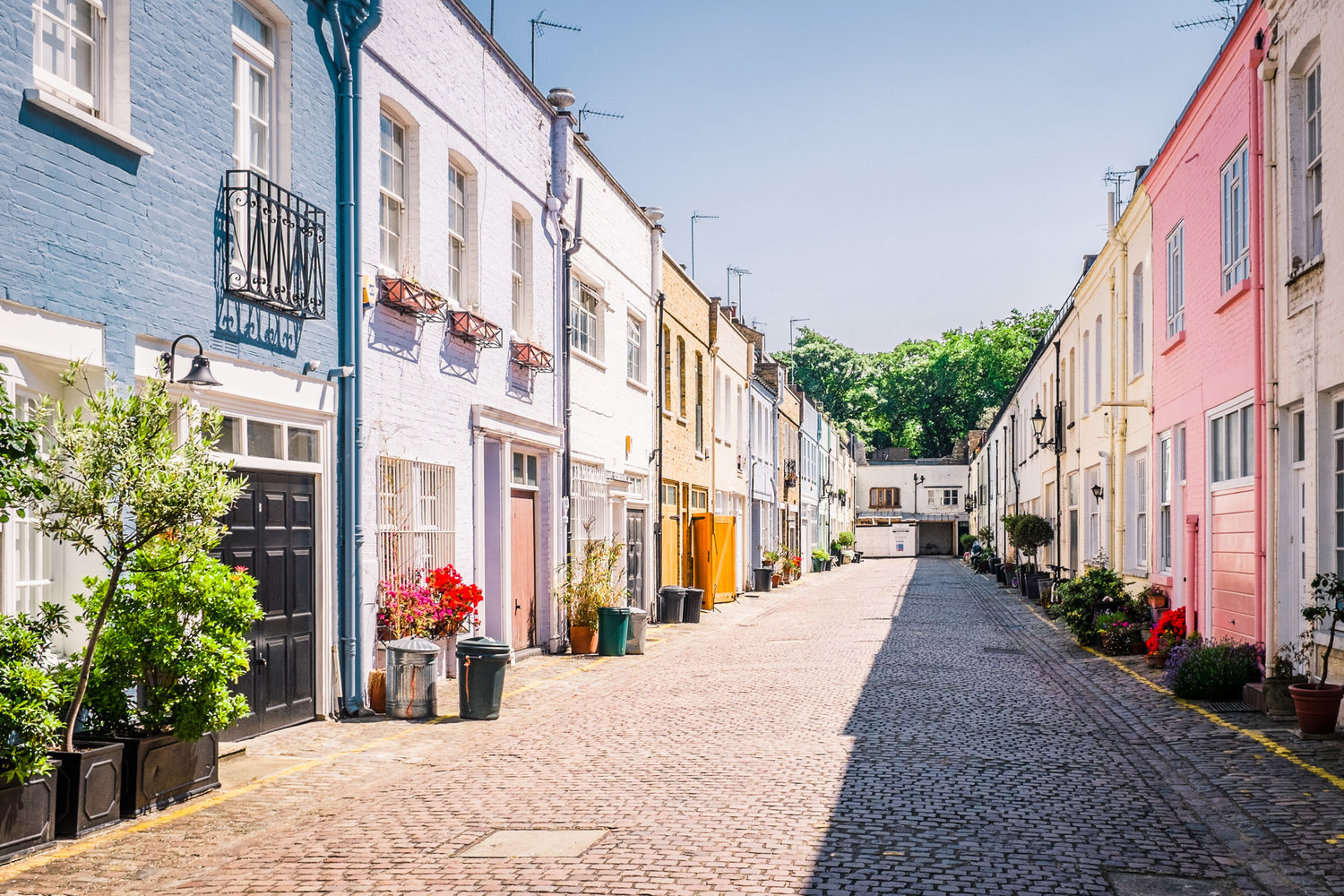
Tower Bridge Weekend Guide: Markets and Maritime Heritage
Weekend mornings in Tower Bridge begin at Borough Market, just a fifteen-minute walk west along the riverside. Whilst technically beyond the immediate Tower Bridge boundary, this historic food market has served Londoners since 1014 and remains an essential Saturday ritual for local residents seeking artisan produce, freshly baked sourdough, and internationally inspired street food.
The area's maritime heritage reveals itself along St Katharine Docks, the historic marina immediately east of Tower Bridge where luxury yachts now occupy berths once filled with spice-laden cargo ships. The Dockmaster's House pub overlooks the basin, offering outdoor seating that captures the unique atmosphere of this sheltered waterside enclave. The monthly Classic Boat Festival and Christmas market transform the docks into seasonal destinations that draw visitors from across London.
Those exploring [properties for sale in Tower Bridge](/property-for-sale/tower-bridge) frequently cite the area's weekend vitality as a decisive factor—the neighbourhood maintains its energy beyond weekday office hours, supported by a genuine residential community rather than existing solely as a tourist corridor.
Talk to Seymont
What's your home worth?
A considered view on price, timing and how to bring your London home to market — a personal reply within 24 hours.
Your property
Step 1 of 2Living the Tower Bridge Lifestyle
The converted warehouses along Shad Thames exemplify the area's residential character, their iron walkways and exposed brickwork creating homes with industrial heritage and contemporary luxury. These loft-style apartments, many with floor-to-ceiling windows framing bridge views, represent the architectural signature of Tower Bridge living.
Local conveniences cluster around Tooley Street and the immediately surrounding streets, where independent coffee houses serve residents who've made the converted riverside warehouses their permanent homes. The proximity to London Bridge Station—offering direct rail services to Gatwick Airport and high-speed connections to the continent via St Pancras—adds practical transport links to the area's aesthetic appeal.
For investors and homeowners considering the [letting market in Tower Bridge](/let-your-property/tower-bridge), the combination of corporate relocations, international buyers seeking pied-à-terres, and young professionals drawn to the riverside lifestyle creates consistent demand. The area's established infrastructure and planning protections ensure that Tower Bridge retains its distinctive character whilst benefiting from South Bank's ongoing regeneration.
Those interested in understanding [house prices in Tower Bridge](/house-prices/tower-bridge) should note that the warehouse conversions and newer developments create a premium property landscape, though comprehensive pricing data requires detailed local market analysis given the area's unique property typologies.
Talk to Seymont
What's your home worth?
A considered view on price, timing and how to bring your London home to market — a personal reply within 24 hours.
Your property
Step 1 of 2About the author
Amara BennettProperty Market Analyst
Amara spent seven years as a market analyst at Kestrel Lane Research, a small London property consultancy, before joining our editorial desk. She reads sold-price and rental data street by street to explain how individual London postcode districts actually behave, and reviews every price figure we publish. Her focus is separating headline national averages from what a specific address is worth today.
MSc Real Estate Economics · Seven years in property market research
- Valuations
- Local market data
- Sold prices
- Pricing strategy
Frequently asked
- Is Tower Bridge open to visitors year-round?
- Yes, the Tower Bridge Exhibition operates throughout the year, typically opening daily from 9:30 AM to 6:00 PM during summer months and 9:30 AM to 5:30 PM in winter. Bridge lift times vary according to river traffic schedules and can be checked in advance online, offering visitors the chance to witness the bascules rising to allow tall vessels through.
- What are the best riverside walks near Tower Bridge?
- The Thames Path on both banks provides exceptional walking routes. Heading west towards London Bridge offers views of HMS Belfast and City Hall, whilst walking east along the southern bank takes you through Shad Thames towards Bermondsey and Rotherhithe. The northern route passes St Katharine Docks and continues towards Wapping, with most sections accessible throughout the day and evening.
- How far is Tower Bridge from central London attractions?
- Tower Bridge sits within Zone 1 and enjoys excellent proximity to central London. The South Bank and Tate Modern lie approximately fifteen minutes' walk west, whilst Liverpool Street and the City's financial district are ten minutes north. London Bridge Station, just five minutes' walk away, provides Underground and mainline rail connections across the capital.
- Are there good schools near Tower Bridge for families?
- The Tower Bridge area falls within both Southwark and Tower Hamlets boroughs, each offering primary and secondary schools. Nearby options include Tower Bridge Primary School and several highly-regarded state and independent schools within a mile radius. Many families in the converted warehouse developments also consider schools accessible via short commutes across the river into the City or eastward towards Bermondsey.
- What makes Tower Bridge different from other riverside London locations?
- Tower Bridge uniquely combines immediate access to one of London's most iconic landmarks with genuine residential character. Unlike purely commercial areas or tourist-focused zones, the warehouse conversions along Shad Thames and the established community around Bermondsey Street create a neighbourhood where people actually live, supported by independent shops, local schools, and the historic fabric of Victorian maritime London still visible in the cobbled streets and iron walkways.